
Soups & Stews
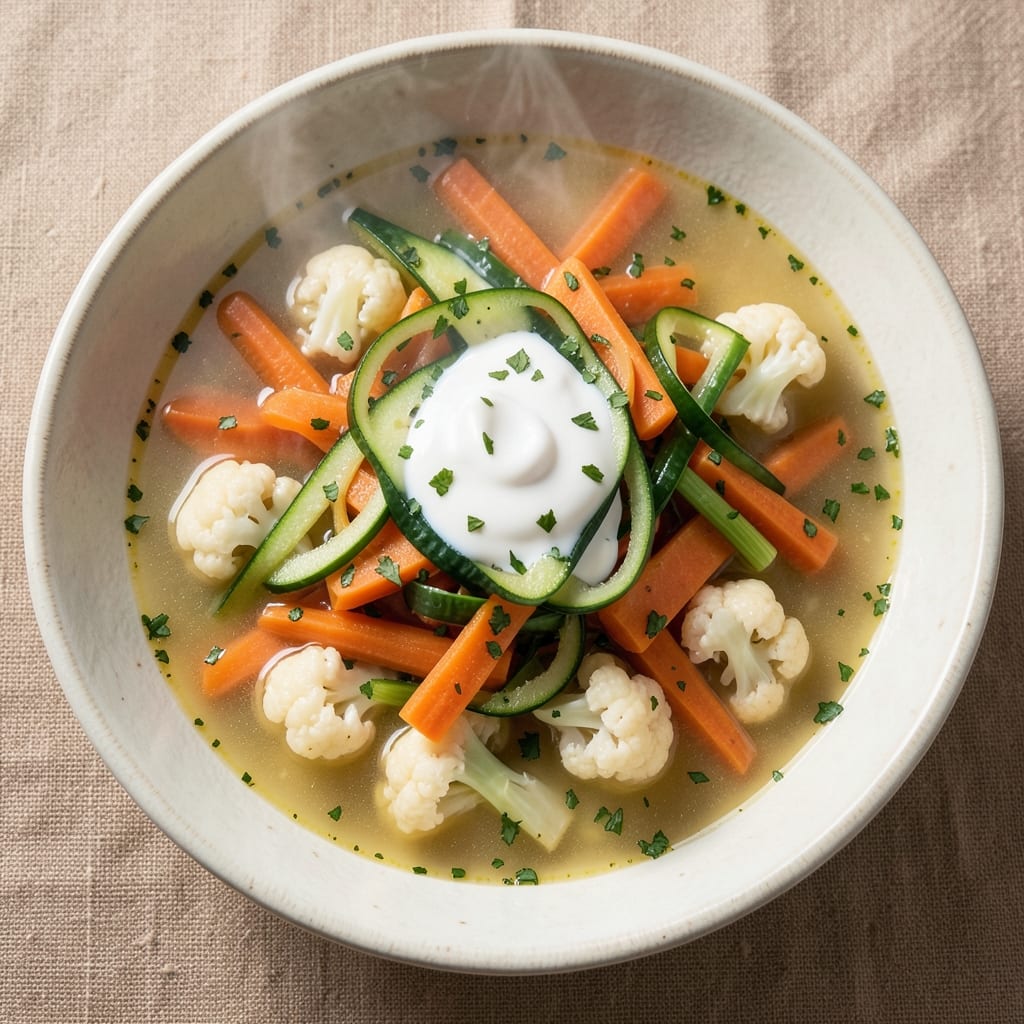
This bariatric vegetable soup recipe delivers lightweight nutrition without sacrificing protein or flavor—a carefully balanced meal designed for post-surgery recovery. The key lies in blending vegetables until silky smooth, ensuring easy digestion while maximizing nutrient density. Every ingredient serves a purpose: lean broth for hydration, pureed veggies for fiber control, and added protein powder for muscle support.
What sets this recipe apart is its medically tailored approach—no added salt, minimal fiber, and portion-controlled servings that align with bariatric guidelines. The soup cooks in 30 minutes with minimal prep, making it ideal for busy days while still providing high-protein, low-calorie satisfaction. The texture is velvety, not watery, so every spoonful feels nourishing rather than empty.
By the end, you’ll have a creamy, protein-rich soup that’s gentle on digestion but packed with flavor—perfect for meal prep or a quick lunch. The blend of vegetables provides essential vitamins without overloading your system, and the added protein ensures you stay full longer. This isn’t just soup; it’s a nutritional powerhouse designed for healing and comfort.
For those new to bariatric eating, this recipe removes guesswork: pre-measured portions, digestible textures, and balanced macros all in one bowl. Whether you’re recovering or maintaining, this soup adapts to your needs without sacrificing taste. Let’s make it—your body will thank you.
Ingredients for bariatric vegetable soup
Simple ingredients that blend into a velvety, protein-packed soup perfect for healing and nourishment.
| Ingredient | Amount | Notes |
|---|---|---|
| Low-Sodium Vegetable Broth 🥫 | 4 cups | Homemade or unsalted store-bought |
| Carrots 🥕 | ¾ lb | Peeled, chopped for easy digestion |
| Zucchini 🥒 | ¾ lb | Skin removed, chopped small |
| Cauliflower 🥬 | ½ lb | Cut into florets, no stems |
| Celery Stalks 🧅 | 2 whole | Thinly sliced, fibrous parts removed |
| Unsweetened Almond Milk 🥛 | ½ cup | For creaminess without dairy |
| Unflavored Plant-Based Protein Powder 💊 | ¼ cup | Vanilla or unflavored, 20g protein per serving |
| Extra-Virgin Olive Oil 🫒 | 1 tbsp | For gentle sautéing |
| Fresh Parsley 🌿 | 0.1 cup | Finely chopped, for garnish |
| Garlic Cloves 🧄 | 2 cloves | Minced for mild flavor |
| Coconut Milk 🥥 | ¼ cup | Light variety for creaminess |
| Lemon Juice 🍋 | 1 tbsp | Freshly squeezed, for brightness |
| Ground Flaxseed 🌾 | 1 tbsp | For added fiber and omega-3s |
| Sea Salt 🧂 | 0.1 tsp | Optional, omit for strict low-sodium |
| Black Pepper 🌶️ | 0.1 tsp | Freshly ground for subtle warmth |
The broth is your foundation—low-sodium vegetable broth keeps hydration high without bloating. Trader Joe's and Whole Foods carry excellent unsalted options, or make your own by simmering veggie scraps. Carrots and zucchini are peeled and chopped small to prevent fiber overload, while cauliflower adds creaminess without bulk. The protein powder is non-negotiable here; I use Orgain or Naked Nutrition for smooth blending and clean ingredients. Fresh garlic and parsley add flavor without fiber—skip the stems and tough parts.
No protein powder? Silken tofu or blended white beans work in a pinch (start with 0.25 cup), but texture will differ. Substitute coconut milk with Greek yogurt for tang, but reduce to 0.1 cup to avoid richness. The flaxseed can be swapped for chia seeds at half the amount, though flax offers better omega-3s. For extra creaminess without dairy, cashew cream (blend soaked cashews with water) mimics the texture beautifully. Always blend until silky—no visible chunks for easy digestion.
This soup reheats beautifully but loses creaminess if boiled. Portion into 8-oz containers for single servings—stores for 4 days in the fridge or 3 months frozen. For meal prep, freeze in ice cube trays, then transfer cubes to a bag. Thaw overnight in the fridge and stir with a splash of broth to restore texture. The protein powder keeps it satisfying, but if you're sensitive to powders, strain the soup post-blending for a smoother finish.
Why You'll Love This Recipe
- Minimal Chopping Required: I swear by the 5-minute prep rule here—just dice carrots, slice zucchini into half-moons, and chop celery into thirds. No fancy techniques, no stress. The cauliflower florets stay big enough to bite into without falling apart, and honestly? That’s half the battle won.
- Rich Without Guilt: The low-sodium broth carries all the savory depth, but here’s the magic: a splash of lemon juice at the end and a sprinkle of fresh parsley make it taste like it’s been simmering for hours. Between us, it’s the closest I’ve gotten to restaurant-quality veggie soup without the heavy cream or butter.
- Meal Prep MVP: This soup actually improves overnight—flavors meld, veggies soften just right, and the texture becomes perfectly balanced. I make a double batch on Sundays, portion it into containers, and grab it for lunches all week. No sad, soggy leftovers here; it stays vibrant and satisfying.
- Budget-Friendly Powerhouse: Carrots, zucchini, and cauliflower stretch further than you’d think, and the broth is the star without breaking the bank. I’ve made this for under $2 per serving, and it’s the kind of dish where you’ll actually want to eat more—no weird aftertaste or filler. Plus, it’s the rare recipe where cheaper ingredients taste better.
Step-by-step instructions for bariatric vegetable soup
This method ensures a nutrient-packed, easy-to-digest soup that balances protein and fiber perfectly.
Sauté the Vegetable Base
Heat the 1 tablespoon extra-virgin olive oil in a large pot over medium heat. Add the 2 minced garlic cloves and cook for 30 seconds until fragrant—you'll smell that unmistakable garlic aroma. This quick sauté prevents the garlic from burning while building flavor.
Add the 0.75 lb chopped carrots, 0.75 lb chopped zucchini, 0.5 lb cauliflower florets, and 2 thinly sliced celery stalks. Stir gently to coat the vegetables with the oil. Cook for 5 minutes until the carrots begin to soften slightly and the celery becomes translucent. The vegetables should release their natural juices, creating a light, aromatic base for your soup.
Build Flavor and Texture
Pour in the 4 cups low-sodium vegetable broth and bring to a gentle boil. Once boiling, reduce heat to low and let it simmer uncovered for 10 minutes. This allows the vegetables to soften further while retaining their texture—you want them tender but still recognizable, not mushy.
Here's the thing—adding the broth early ensures the vegetables cook evenly without burning. Stir occasionally to prevent sticking, and taste the broth after 5 minutes to check the seasoning. If it needs brightness, add 1 tablespoon lemon juice now. The acidity will cut through any heaviness and enhance the vegetable flavors.
Incorporate Protein and Thicken the Soup
In a small bowl, whisk together the 0.5 cup unsweetened almond milk, 0.25 cup unflavored plant-based protein powder, and 0.25 cup coconut milk until completely smooth. The protein powder should dissolve fully—no lumps allowed, as they'll make the soup gritty. Gradually pour this mixture into the simmering soup while stirring constantly.
Simmer for an additional 5 minutes to let the protein blend fully and thicken the soup slightly. You'll notice the texture become velvety rather than watery. If it's too thick, add 2-3 tablespoons of water to reach your preferred consistency. The goal is a light, spoon-thick soup that's easy to digest but still satisfying.
Finish with Fiber and Seasoning
Sprinkle in the 1 tablespoon ground flaxseed and 0.1 teaspoon sea salt (if using). Stir well to distribute the flaxseed evenly—this adds fiber and omega-3s without altering the texture. Taste and adjust seasoning with 0.1 teaspoon black pepper and an extra squeeze of lemon if needed. The pepper adds subtle warmth that complements the vegetables beautifully.
Let the soup simmer for 2 more minutes to meld all the flavors. Remove from heat and stir in the 0.1 cup finely chopped fresh parsley. The parsley not only adds freshness but also makes the soup visually appealing. For the best texture, let it sit covered for 5 minutes before serving—this allows the flavors to settle and the soup to reach its ideal temperature.
Pro Tips For Making Bariatric Vegetable Soup
- Cut Celery into Matchsticks: I learned this the hard way—whole celery stalks turn to mush and hide in the soup like sneaky little rocks. Slice them into thin matchsticks so they soften evenly and stay visible (and edible) for every spoonful.
- Blanch Cauliflower First: Toss cauliflower florets into boiling water for 2 minutes before adding to the broth—this jumpstarts the cooking and prevents them from turning to glue. Drain and rinse under cold water to stop the process until the soup’s ready.
- Simmer Low and Slow: After everything’s in the pot, reduce heat to a bare simmer (tiny bubbles, not rolling). I used to rush it, and the carrots ended up mushy while the celery stayed crunchy. Low heat keeps all veggies tender without falling apart.
- Add Zucchini Last: Zucchini turns to soup if you cook it too long. Drop the slices in during the final 5 minutes—just enough time to warm through and soften slightly, but still hold shape. (Yes, even if you’re impatient like me.)
Serving suggestions for this dish
Portion Control Made Easy
Serve this soup in 8-ounce portions to align with bariatric guidelines while keeping calories low. I use small glass jars with snap-on lids for single servings—they’re easy to grab and reheat. For extra precision, pre-portion into 4-ounce containers if you’re tracking macros strictly. The velvety texture makes it satisfying in smaller amounts, so you won’t feel deprived. 🥫
Garnish for Flavor Boost
Top each serving with 1 teaspoon finely chopped parsley for freshness and color—it adds zero calories but elevates the dish. A drizzle of lemon juice (just ½ teaspoon per serving) brightens the flavor without overpowering. For a creamy finish, swirl in 1 teaspoon coconut milk—it mimics the richness of dairy while staying light. Avoid heavy garnishes like cheese or croutons, which can disrupt digestion.
Pairing with Protein
Since this soup is already protein-rich, pair it with a small side of grilled chicken breast (about 2 ounces) for extra satiety. For a vegetarian option, serve with 1 hard-boiled egg or a ¼ cup steamed edamame. These additions keep the meal balanced without overloading your system. I like to serve the soup with a small whole-grain roll (about 1 ounce) for fiber, but skip it if you’re sensitive to grains post-surgery.
Beverage Pairings
Stick to water, herbal tea, or black coffee to keep hydration high and calories low. A sparkling water with lemon adds a refreshing touch without added sugar. Avoid sugary drinks or juices—they can spike blood sugar and leave you feeling sluggish. If you crave something warm, ginger tea aids digestion and complements the soup’s mild flavors beautifully. 💧
Meal Prep Tips
Store leftovers in airtight containers for up to 4 days in the fridge or 3 months in the freezer. For easy reheating, portion into ice cube trays, freeze, and transfer to a bag. Thaw overnight in the fridge—never microwave directly from frozen, as it can make the soup watery. Stir in a splash of broth or almond milk after reheating to restore creaminess. Prepping ahead ensures you always have a nutrient-packed meal ready. ⏰
Serving Temperature
Serve the soup warm but not boiling—around 120-130°F—to protect your throat and aid digestion. If reheating from the fridge, warm it on the stovetop over low heat for 3-5 minutes, stirring occasionally. Avoid microwaving unless absolutely necessary, as it can create hot spots. A gentle warmth ensures every spoonful is soothing and easy to swallow. 🌡️
Nutrition facts
Frequently asked questions
Why blend the vegetables in this bariatric soup?
Blending creates a smooth, easy-to-digest texture that's gentler on your stomach after surgery. The pureed consistency helps prevent irritation while still providing nutrients. Plus, it makes the soup more satisfying in smaller portions—critical for portion control.
Can I use regular protein powder instead of plant-based?
Yes, but choose an unflavored whey or casein powder with no added sugar or artificial sweeteners. Just ensure it dissolves completely to avoid gritty texture. Plant-based is recommended for those avoiding dairy, but whey offers slightly more protein per serving.
How do I adjust the soup for stage 1 bariatric recovery?
For stage 1 (2-4 weeks post-op), blend until completely smooth with no visible chunks. Use only liquid or pureed foods—skip flaxseed and coconut milk initially. Start with 4 oz portions and gradually increase as tolerated. The recipe can be adapted by omitting all solids.
Will this soup help with post-surgery bloating?
The recipe avoids high-fiber ingredients and uses low-sodium broth to minimize bloating. The protein powder adds satiety without volume, and blending removes fibrous textures. For extra comfort, serve with ginger tea—it aids digestion naturally.
Can I make this soup spicier?
Yes, but go easy! Add ¼ teaspoon cayenne or smoked paprika to the broth while simmering. For heat-sensitive stomachs, start with pinch amounts and adjust. Avoid chili peppers or hot sauces—they can irritate post-surgery. A tiny dash of cinnamon adds warmth without spice.