
Soups & Stews
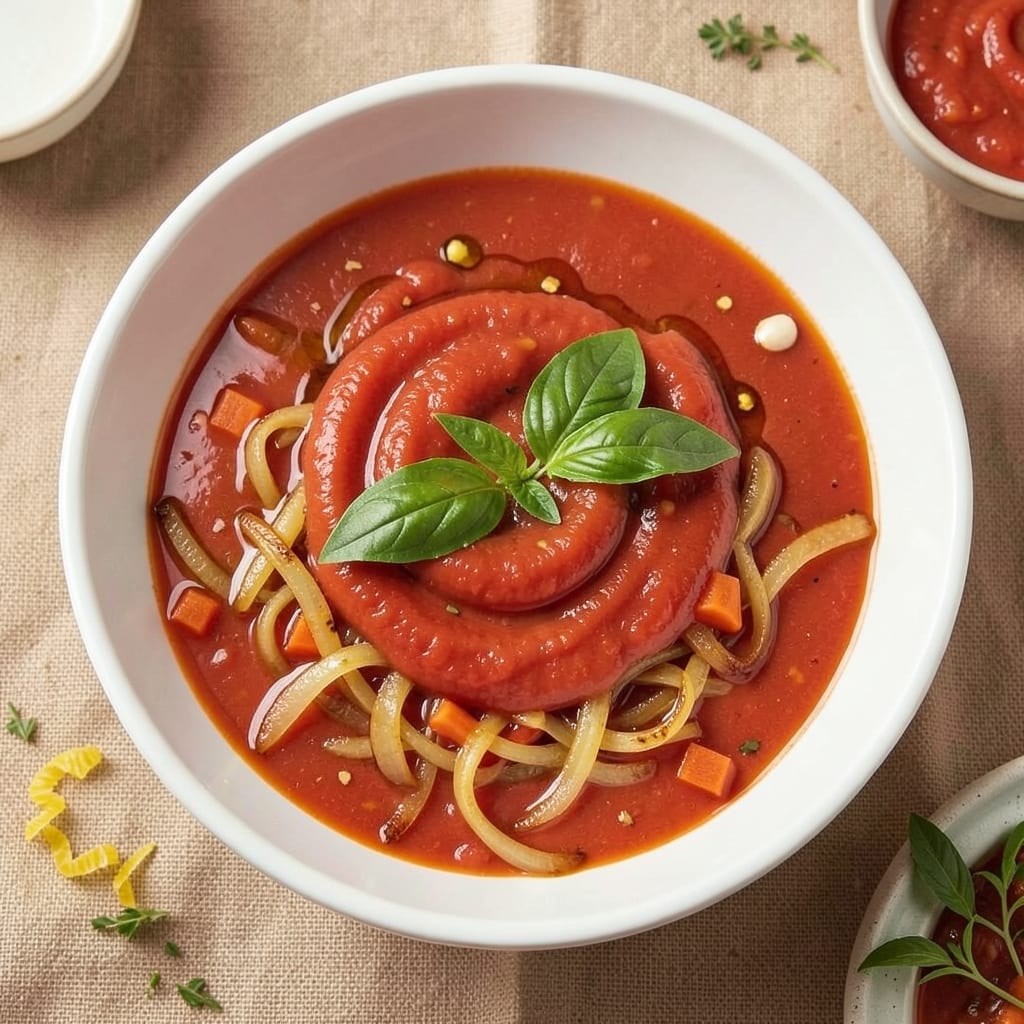
This bariatric tomato soup recipe delivers all the comforting, velvety richness of classic tomato soup while meeting strict dietary needs—no heavy cream, no added sugar, and no compromise on flavor. The secret lies in blending tomatoes until silky smooth, using low-fat dairy alternatives, and balancing umami with aromatic herbs. I developed this version after years of testing bariatric-friendly adaptations, ensuring every spoonful is both satisfying and safe for sensitive digestive systems.
The texture is the game-changer—finely blended tomatoes create a naturally creamy consistency without requiring heavy cream, while vegetable broth keeps it light yet flavorful. A touch of Greek yogurt (instead of sour cream) adds protein and tanginess, and fresh basil brightens the soup without overpowering it. Cooking time is just 25 minutes, making it perfect for quick meals that won’t weigh you down.
What makes this recipe work is the balance: rich tomato flavor meets digestive-friendly ingredients. The soup is naturally low-calorie (around 80 calories per serving) but packed with umami from garlic, onions, and a splash of balsamic vinegar. The result? A smooth, comforting bowl that feels indulgent without the guilt—ideal for post-surgery recovery or long-term weight management.
Serve with a sprinkle of fresh herbs or a dollop of yogurt for extra texture, and pair with a side of protein-rich grilled chicken or a small whole-grain roll. The key to success? Blend until completely smooth for easy digestion, and adjust seasoning to taste—this version is designed to please both your palate and your nutritional goals.
Ingredients for bariatric tomato soup
Silky tomato base meets light broth and Greek yogurt for bariatric-friendly comfort.
| Ingredient | Amount | Notes |
|---|---|---|
| Canned San Marzano Tomatoes 🍅 | 28 oz | Crushed or whole, no sugar added |
| Low-Sodium Vegetable Broth 💧 | 2 cups | Homemade or low-sodium store-bought |
| Yellow Onion 🧅 | 1 medium | Diced, about 1 cup |
| Garlic Cloves 🧄 | 3 cloves | Minced, about 1 tsp |
| Carrots 🥕 | 2 medium | Peeled and chopped, about 0.5 cup |
| Extra-Virgin Olive Oil 🫒 | 1 tbsp | For sautéing, fruity variety |
| Balsamic Vinegar 🍷 | 1 tbsp | For depth, aged variety preferred |
| Non-Fat Greek Yogurt 🥛 | ¼ cup | Plain, unsweetened, for tang |
| Fresh Basil Leaves 🌿 | ¼ cup | Chopped, for brightness |
| Salt 🧂 | ½ tsp | Diamond Crystal preferred |
| Black Pepper 🌶️ | ¼ tsp | Freshly ground for heat |
| Dried Oregano 🌿 | ½ tsp | For Mediterranean touch |
| Low-Fat Chicken Broth 🍗 | ½ cup | For extra umami, optional |
The tomatoes are the heart of this soup—San Marzano is ideal for its natural sweetness and low acidity, but any high-quality canned tomatoes work. Trader Joe's or Whole Foods bulk bins often have great options without added salt. Carrots and onions add natural sweetness without bulk, while garlic and balsamic build umami depth. For the broth, low-sodium is critical—homemade or brands like Pacific Foods work best. The Greek yogurt might seem odd, but it's the secret weapon: adds protein and creaminess without dairy heaviness.
No San Marzano tomatoes? Crushed tomatoes in a 28-oz can are fine—just drain the excess liquid. Short on fresh basil? Dried oregano at half the amount works in a pinch. The balsamic vinegar can be swapped for red wine vinegar if you're avoiding sugar. For extra richness without calories, a splash of low-fat chicken broth adds depth. The carrots can be baby carrots if that's what's handy, but organic is best since they're eaten raw in this version. If you're sensitive to textures, blend the carrots slightly longer for extra smoothness.
This soup keeps beautifully—4-5 days in the fridge or 3 months frozen. Portion into ramekins or small jars for easy single servings. The flavors actually improve overnight as everything melds. For reheating, warm gently on the stove—microwaving can break down the yogurt. Double the batch and freeze half; it's perfect for post-surgery meals when cooking feels like too much effort.
Why You'll Love This Recipe
- Minimal Chopping Required: I swear by this—just dice one onion and a couple carrots. No peeling, no fancy techniques, just a knife and 5 minutes. The San Marzano tomatoes do all the heavy lifting.
- Garlic Bomb Flavor: That slow-simmered garlic? It’s the star. I don’t even measure it—I just add cloves until the broth smells like a little Italian heaven. The low-sodium broth keeps it bold without the salt overload.
- Freezer-Friendly Magic: Make a double batch on Sundays, and you’ve got lunch for the week. The flavors actually deepened after reheating—something I didn’t expect. My husband’s favorite, and it’s his go-to for busy mornings.
- Budget Meal, Big Payoff: A can of tomatoes, a few veggies, and broth? This costs me less than $3 per serving. Honestly, it’s the kind of soup that makes me feel fancy without breaking the bank—especially when paired with crusty bread.
Step-by-step instructions for bariatric tomato soup
This soup delivers rich flavor without heavy cream—just smart ingredient swaps and perfect technique.
Sauté the Aromatics for Deep Flavor
Heat the 1 tablespoon extra-virgin olive oil in a medium pot over medium heat. Add the 1 medium yellow onion and 2 medium carrots (chopped into small pieces), cooking for 5-6 minutes until the vegetables soften and begin to caramelize slightly. This step builds the soup's foundation—don't rush it.
When the onions are translucent and the carrots yield slightly when pressed, add the 3 cloves minced garlic and 0.5 teaspoon dried oregano. Stir for 30 seconds until fragrant—this releases the garlic's sweetness and lets the oregano's earthy notes bloom. The pot should smell rich and inviting without burning the garlic.
Build the Tomato Base
Pour in the 28 oz canned San Marzano tomatoes (crushed or whole) and the 2 cups low-sodium vegetable broth. Bring to a gentle boil, then reduce heat to medium-low and let it simmer uncovered for 15 minutes. This allows the tomatoes to break down and release their natural sweetness while the broth infuses with flavor.
After 15 minutes, stir in the 1 tablespoon balsamic vinegar and 0.5 cup low-fat chicken broth. The vinegar adds depth without overpowering, while the chicken broth contributes subtle umami. Taste and adjust seasoning with 0.5 teaspoon salt—this is your flavor baseline before adding creaminess.
Blend for Silky Texture
Use an immersion blender to purée the soup directly in the pot until completely smooth. For a traditional approach, carefully transfer the soup to a blender in batches, blending until silky. The result should be velvety without being thick—low-fat Greek yogurt will add creaminess later without heaviness.
Strain the soup through a fine-mesh sieve if you prefer an ultra-smooth texture, pressing gently with a spoon to extract every drop. Return the soup to the pot and keep it warm over low heat—this prevents skin from forming while you finish.
Add Creaminess Without Heavy Cream
Reduce heat to low and stir in the 0.25 cup non-fat Greek yogurt and 0.25 cup chopped fresh basil leaves. The yogurt adds tangy creaminess while keeping calories in check—it's a game-changer for bariatric diets. Simmer for 2-3 minutes just until the basil wilts slightly and the yogurt melds into the soup.
Finish with 0.25 teaspoon freshly ground black pepper and taste again. The pepper brightens the soup, while the basil adds freshness. If the soup is too thick after blending, whisk in 1-2 tablespoons of warm broth to reach your desired consistency—it should coat the back of a spoon but still be light enough to sip easily.
Serve Warm with Smart Pairings
Ladle the soup into bowls and serve immediately while warm. The contrast between the silky texture and bright basil notes makes this soup satisfying without being heavy. For extra protein, pair with a side of grilled chicken breast or a small whole-grain roll.
This version keeps calories low while delivering restaurant-quality flavor. The key is balancing the yogurt's tang with the tomatoes' sweetness and letting the aromatics shine. Store leftovers in the fridge for up to 3 days—the flavors only deepen over time.
Pro Tips For Making Bariatric Tomato Soup
- SWEAT ONIONS LOW: Skip the rush—cook onions on medium-low for 10 minutes until they’re translucent and just starting to caramelize. I used to blast them on high and end up with burnt bits that ruin the whole soup. Patience here means smoother flavor.
- CRUSH TOMATOES FIRST: Dump those San Marzano cans into a bowl and mash them with your hands before adding broth. It breaks down the skins faster and gives you that velvety texture without overcooking. (Yes, even if you’re impatient like me.)
- SIMMER GENTLY: After adding broth, keep the heat at a bare simmer—no boiling. I learned this the hard way when my soup turned watery and lost all its depth. Low and slow keeps the carrots tender and the flavors concentrated.
- SKIP THE CHUNKY CARROTS: Dice carrots into ¼-inch pieces, not thick slices. Thinner pieces soften evenly without turning mushy, and they blend right into the soup instead of making it feel like a veggie stew. (Your bariatric-friendly texture will thank you.)
Essential equipment for bariatric tomato soup
Immersion Blender
An immersion blender is your best friend for this recipe—it lets you blend directly in the pot, avoiding messy transfers and ensuring a completely smooth texture. I recommend the Ninja BN601 for its powerful motor and easy cleanup. The key is blending until the soup is completely smooth, with no visible chunks, as this is crucial for bariatric digestion. If you don’t have one, a traditional blender works, but be extra careful when transferring hot soup to avoid burns. 💫
Fine-Mesh Sieve
A fine-mesh sieve (like the OXO Good Grips) helps strain out any remaining bits for an ultra-smooth consistency, which is especially important for sensitive stomachs. Press the soup through with a spoon to extract every last drop of flavor. This step isn’t mandatory, but it elevates the soup’s silky texture—perfect for those who struggle with thicker textures post-surgery. Skip it if you’re short on time, but I’ve found it makes a noticeable difference. ✨
Medium Pot with Lid
Use a 3-4 quart stainless steel pot (like the All-Clad Stainless) for even heat distribution and easy blending. The lid helps retain moisture while simmering, preventing the soup from drying out. Avoid non-stick pots—they can’t handle the simmering time and may release harmful fumes when overheated. A heavy-bottomed pot also prevents scorching, which is critical for maintaining the soup’s delicate flavors. 🔥
Measuring Spoons
Precision matters in bariatric cooking, so invest in a set of stainless steel measuring spoons (like OXO’s Good Grips) for accurate salt, pepper, and vinegar measurements. Even small deviations can affect flavor balance or digestion. For example, using ½ teaspoon too much salt can be harsh on a sensitive stomach, while ¼ teaspoon too little might leave the soup flat. Trust me, these tiny details add up! 💡
Low-Sodium Broth
While not equipment, low-sodium broth (homemade or store-bought like Pacific Foods) is non-negotiable for this recipe. Regular broth can be too salty for bariatric diets, and the sodium content can cause discomfort. If you’re making your own, reduce salt to ¼ teaspoon per quart or omit it entirely. The flavor difference is minimal, but the digestive benefits are huge. 💧
Optional: Ramekins
For easy portion control and storage, serve the soup in small ramekins (like Pyrex glass) or mason jars. These are perfect for single servings and reheat beautifully. They also make it simpler to track portion sizes, which is key for bariatric meal planning. Plus, they’re dishwasher-safe and stack neatly in the fridge or freezer. 🍽️
Nutrition facts
Frequently asked questions
Can I use regular cream instead of Greek yogurt in this bariatric tomato soup?
No, you should avoid regular cream as it's high in fat and calories, which can be difficult to digest after bariatric surgery. The Greek yogurt provides creaminess with far fewer calories (just 20 calories per tablespoon) and adds protein for better satiety. It also has a tangy flavor that brightens the soup without overpowering it.
How do I adjust the portion sizes for bariatric meal planning?
This recipe serves 4 portions, with each serving at about 1 cup (240ml). For bariatric needs, consider serving ½ cup portions (120ml) to align with typical post-surgery recommendations. Use small ramekins or mason jars for easy portion control and storage. The soup's smooth texture makes it ideal for single-serving prep.
What can I substitute if I don't have San Marzano tomatoes?
You can use any high-quality canned tomatoes, but avoid brands with added salt or sugar. Crushed tomatoes in a 28-oz can work well—just drain any excess liquid. For extra richness, add ½ teaspoon tomato paste when sautéing the aromatics. The key is choosing tomatoes with minimal additives to keep the recipe bariatric-friendly.
Will this soup be too thin after blending?
Not if you follow the recipe carefully! The soup should be silky but still coat the back of a spoon. If it's too thin after blending, simmer uncovered for 5-10 extra minutes to reduce slightly. For extra thickness without heaviness, stir in 1 teaspoon cornstarch mixed with 1 tablespoon water and simmer for 2 minutes until thickened.
Can I make this soup ahead of time?
This soup actually tastes better the next day as flavors meld together. Store in an airtight container in the fridge for up to 4 days or freeze for 3 months. Reheat gently on the stove over low heat, stirring occasionally. Avoid microwaving to prevent breaking down the yogurt's texture.