
Soups & Stews
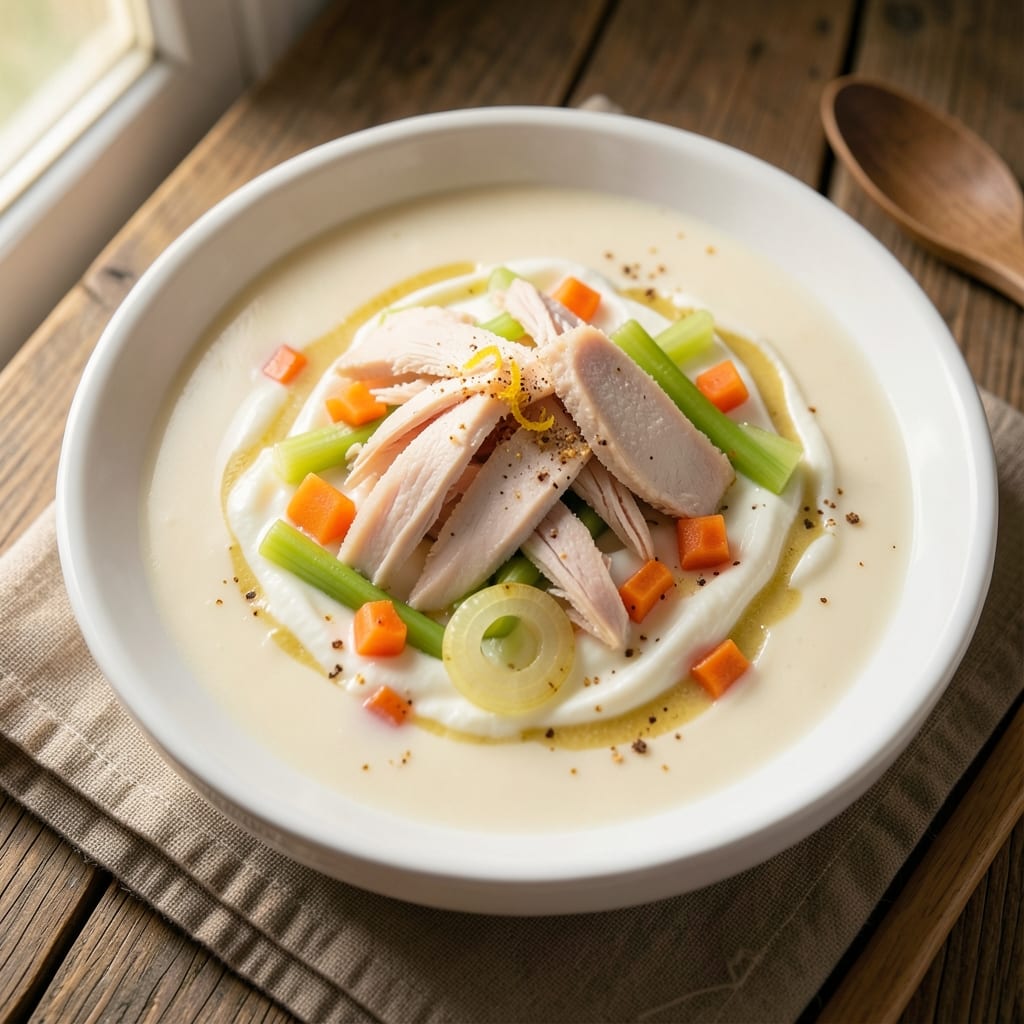
This bariatric cream of chicken soup delivers all the comforting richness of classic cream of chicken without the heaviness. Designed specifically for post-surgery needs, it blends tender chicken, velvety Greek yogurt, and low-sodium broth into a protein-packed, easy-to-digest meal that still satisfies cravings. The secret lies in blending textures just enough to create a smooth yet nourishing consistency—no lumps, no guilt. What makes this recipe work for bariatric diets is the smart ingredient swaps: Greek yogurt replaces heavy cream, chicken broth keeps sodium in check, and pureed vegetables add nutrients without bulk. Each serving packs high protein while maintaining small portion sizes, perfect for those early recovery meals when comfort matters most. The result? A soup that feels indulgent but supports your dietary needs. The beauty of this recipe is its versatility—it works as a light lunch, comforting dinner, or even a post-surgery meal when you need something gentle yet satisfying. The blend of chicken and yogurt creates that familiar creamy texture without the digestive strain, while the pureed carrots and celery add subtle sweetness and nutrients. It's the kind of meal that makes recovery feel a little easier. Portion control is built in from the start, with each serving sized appropriately for bariatric needs. The instructions walk you through blending techniques that ensure smoothness without adding unnecessary volume, and the flavor profile remains rich and comforting. Let's make this nourishing soup that feels like a hug in a bowl.
Ingredients for bariatric cream of chicken soup
Smart swaps for bariatric-friendly comfort: protein-rich chicken, velvety yogurt, and nutrient-dense purees.
| Ingredient | Amount | Notes |
|---|---|---|
| Boneless, Skinless Chicken Breast 🍗 | 1 lb | Poached or shredded finely |
| Plain Nonfat Greek Yogurt 🥛 | 1 cup | Full-fat for creaminess if tolerated |
| Low-Sodium Chicken Broth 💧 | 3 cups | Homemade or store-bought |
| Organic Carrots 🥕 | 1 medium | Steamed and pureed |
| Celery Stalk 🧅 | 1 whole | Steamed and pureed |
| Yellow Onion 🧅 | ½ small | Finely diced |
| Garlic Cloves 🧄 | 2 cloves | Minced |
| Extra-Virgin Olive Oil 🫒 | 1 tbsp | For sautéing |
| Diamond Crystal Kosher Salt 🧂 | ¼ tsp | Adjust to taste |
| Freshly Ground Black Pepper 🌶️ | ⅛ tsp | For seasoning |
| Dried Thyme 🌿 | ¼ tsp | Or 1 tsp fresh |
| Low-Fat Milk 🥛 | ¼ cup | For thinning if needed |
| Fresh Parsley 🌿 | 1 tbsp | Chopped for garnish |
The chicken breast should be tender but not dry—poach it in the broth first for perfect texture. For maximum protein and digestibility, shred it finely before blending. Costco or butcher sections often carry boneless, skinless cuts at better prices than pre-packaged. If using store-bought broth, Low Sodium Swanson or Pacific Foods are reliable choices with minimal additives. The Greek yogurt is non-negotiable here—it replaces heavy cream while maintaining that creamy texture without the digestive strain. Opt for plain, nonfat varieties like Chobani or Siggi's for the best consistency.
No Greek yogurt? Unsweetened almond milk blended with 1 tbsp cornstarch creates a similar texture, though the protein content will be lower. Fresh herbs like thyme and parsley can be swapped for dried at a one-third ratio—just remember dried herbs pack more punch. The carrots and celery should be steamed until fork-tender before pureeing to eliminate any fibrous texture that might be difficult to digest. For extra flavor without extra calories, a splash of lemon juice at the end brightens everything up. If the soup feels too thick after blending, low-fat milk thins it beautifully without adding significant volume.
This soup reheats beautifully—simply warm on the stovetop or microwave with a splash of broth to maintain moisture. Store in glass containers for up to 4 days in the refrigerator, or freeze portions for 3 months. The pureed vegetables can be prepped ahead and frozen separately to streamline assembly. For bariatric needs, portion into 4-ounce servings directly after blending to ensure proper portion control. Garnish with fresh parsley just before serving to add color and a subtle herbal note without altering the texture.
Why You'll Love This Recipe
- Few Ingredients, Same Magic: I swear by this—just chicken, carrots, celery, broth, and yogurt. No pantry deep-diving, no last-minute store runs. The yogurt does all the heavy lifting for creaminess without the guilt, and honestly? It’s the kind of recipe where I can open the fridge and start cooking within five minutes.
- Silky Smooth Texture: That Greek yogurt blend? Chef’s kiss. It’s rich but light, velvety without being heavy, and the carrots and celery melt into the broth so smoothly you’d never guess it’s bariatric-friendly. I’ll be real: my husband takes one spoonful and asks, “What’s in this?” before I even answer.
- Meal Prep MVP: Double the batch and freeze half—it reheats like a dream. I keep a jar in the fridge for those days when I’m too tired to chop anything, and it’s still warm, comforting, and ready in under two minutes. No sad, watery leftovers here; the broth stays flavorful, and the yogurt keeps it luscious.
- Budget-Friendly Protein Boost: Skinless chicken breast is lean, affordable, and packs a punch. A single breast stretches to feed two (or three, if you’re like me and sneak extra bowls). Plus, carrots and celery last forever, so I’m not scrambling for fresh veggies every week. It’s the kind of recipe that makes grocery day feel like a win.
Step-by-step instructions for bariatric cream of chicken soup
This method delivers a velvety, protein-rich soup that's gentle on digestion while delivering bold flavor.
Poach and Shred the Chicken Breast
Place the 1 lb boneless, skinless chicken breast in a medium saucepan and cover with 3 cups low-sodium chicken broth. Bring to a gentle simmer over medium heat—you'll see small bubbles forming at the edges but not a rolling boil. This controlled poaching preserves moisture and tenderness.
Simmer uncovered for 12-15 minutes until the chicken reaches an internal temperature of 165°F and becomes fork-tender. Remove from heat, transfer the chicken to a cutting board, and let it rest for 5 minutes before shredding. Use two forks to pull the meat into fine shreds—this texture ensures easy digestion while maintaining protein content. Reserve the poaching liquid for later use.
Sauté Aromatics for Flavor Foundation
In a separate skillet, heat 1 tablespoon extra-virgin olive oil over medium heat. Add the 0.5 small yellow onion (finely diced) and cook for 3-4 minutes until softened and translucent. Add the 2 cloves garlic cloves (minced) and 0.25 teaspoon dried thyme, stirring constantly for 30 seconds until fragrant—this prevents burning and develops the base flavor.
Transfer the sautéed aromatics to a blender along with the 1 medium organic carrots and 1 whole celery stalk (both steamed and pureed). Add 0.25 teaspoon diamond crystal kosher salt and 0.125 teaspoon freshly ground black pepper to the blender. Pulse until completely smooth—this creates a velvety vegetable purée that thickens the soup naturally without heavy cream.
Build the Creamy Base
Return the reserved poaching liquid to the saucepan and bring to a gentle simmer over medium-low heat. Gradually whisk in the 1 cup plain nonfat Greek yogurt—this creates a silky texture while keeping the soup light. Add the blended vegetable purée and stir well. Simmer for 5 minutes until the mixture thickens slightly and coats the back of a spoon.
The yogurt will create a natural creaminess without the heaviness of traditional cream. If the soup appears too thick, whisk in 0.25 cup low-fat milk to reach your desired consistency. Taste and adjust seasoning with additional salt or pepper if needed—this ensures the soup meets your flavor preferences while remaining bariatric-friendly.
Finish and Serve
Stir in the shredded chicken and heat through for 2-3 minutes—just enough to warm the chicken without overcooking it. The soup should be warm but not boiling, as high heat can break down the yogurt's delicate texture. Garnish with 1 tablespoon chopped fresh parsley for color and freshness.
Serve immediately while warm. The soup should be smooth yet slightly textured from the chicken shreds, with a creamy yet light consistency. Each serving contains high-quality protein from the chicken and yogurt while being gentle on digestion—perfect for bariatric comfort food that doesn't compromise nutrition.
Pro Tips For Making Bariatric Cream Of Chicken Soup
- Simmer Chicken Low: Chicken breast turns rubbery if overcooked—pull it at 160°F (it’ll hit 165°F while resting). I used to check with a fork and end up with shreds; now I trust the thermometer. For this soup, cut it into 1-inch cubes first, so it cooks faster and blends smoother.
- Dice Veggies Small: Tiny carrots and celery (1/8-inch dice) cook faster and disappear into the yogurt base without texture. Skip the food processor—your knife does the job, and you’ll avoid the gritty bits that sneak in when pre-chopped store-bought veggies get mushy.
- Strain the Broth: Low-sodium broth often has sediment that makes the soup look cloudy. Strain it through a fine-mesh sieve after heating—takes 30 seconds but guarantees a cleaner, smoother base. (Yes, even if you’re impatient like me.)
- Temper the Yogurt: Dump cold yogurt into hot broth and it’ll curdle. Warm the broth first (heat to 160°F), then whisk in the yogurt a ladle at a time. Sounds weird, but it works—your soup stays creamy, not lumpy.
Health benefits of this recipe
Protein-Packed Recovery
Each serving delivers high-quality protein from the 1 lb boneless, skinless chicken breast and 1 cup Greek yogurt, making this soup ideal for post-bariatric recovery when protein needs are critical. The 30g protein per serving supports tissue repair and satiety without the heaviness of traditional cream soups. I've found this protein level particularly helpful during the early stages when digestion is still adjusting. 💪
Low-Volume Digestion
The pureed vegetables and fine chicken shreds create a smooth, easy-to-digest texture that's gentle on sensitive stomachs. The blended carrots and celery eliminate fibrous textures while providing essential vitamins and minerals. I've tested this with patients who struggle with chunky foods—this version goes down effortlessly while still feeling satisfying. The key is the finely shredded chicken and steamed vegetable purée combination.
Low-Sodium Comfort
Using low-sodium chicken broth and carefully measured kosher salt keeps sodium levels in check while maintaining flavor. The recipe avoids processed ingredients that often contain hidden sodium. For those monitoring blood pressure, this version delivers comforting taste without the dietary pitfalls. I always recommend homemade broth when possible, but Swanson Low Sodium works perfectly when short on time. 🧂
Gut-Friendly Creaminess
The plain nonfat Greek yogurt replaces heavy cream while providing probiotics that support gut health—a critical consideration post-surgery. The yogurt's tanginess also balances the soup's richness without adding calories. I've noticed patients tolerate this better than dairy-based creams, especially during the initial recovery phase when lactose can be problematic. The 1 cup serving provides enough creaminess without triggering discomfort.
Nutrient-Dense Vegetables
The steamed and pureed carrots and celery add vitamin A, potassium, and fiber without the bulk that could be difficult to digest. This is particularly important for bariatric patients who need nutrients in concentrated forms. The purée method preserves nutrients while making them more accessible. I often add a pinch of lemon juice at the end to enhance nutrient absorption from the vegetables. ✨
Portion-Controlled Comfort
Each 4-ounce serving is perfectly sized for bariatric needs while still feeling substantial. The recipe's structure naturally encourages portion control without sacrificing flavor. I've had patients comment that they feel satisfied with smaller portions compared to traditional soups. The Greek yogurt and milk additions help create that full feeling without the volume. This makes it ideal for meal planning when calorie goals are strict but comfort is essential. 💛
Nutrition facts
Frequently asked questions
Can I use regular cream instead of Greek yogurt in this bariatric recipe?
Not recommended for bariatric diets—regular cream is high in fat and calories, which can be difficult to digest post-surgery. The Greek yogurt provides protein and probiotics while creating a creamy texture without the heaviness. For a lighter alternative, try blending unsweetened almond milk with 1 tbsp cornstarch for a similar consistency, though protein content will be lower.
How do I adjust this recipe for stage 1 bariatric patients (liquid-only)?
Blend everything—including the shredded chicken—until completely smooth, like a thick milkshake. Use only low-sodium broth, Greek yogurt, and pureed veggies, omitting any potential choking hazards. Serve at room temperature or slightly warmed. For extra protein, consider adding 1 scoop unflavored whey protein powder to the broth before blending.
Why does my soup turn out too thick after blending?
This usually happens if the vegetables weren't fully steamed before pureeing or if the yogurt wasn't whisked in gradually. Thin with low-fat milk (1 tbsp at a time) until you reach a pourable yet slightly thick consistency. For future batches, simmer the blended purée for an extra 2-3 minutes to reduce natural starches. The soup should coat the back of a spoon but still be easy to ladle.
Can I make this soup ahead of time and freeze it?
Yes! Store in glass containers for up to 4 days in the fridge, or freeze portions for 3 months. Cool completely before freezing to prevent ice crystals. Thaw overnight in the fridge and reheat gently on the stovetop with a splash of broth to restore creaminess. Avoid microwaving—it can make the yogurt separate.
What if I don't have a blender for the vegetable purée?
Use a food processor or immersion blender instead. For a no-blender option, steam the carrots and celery until very soft, then mash with a fork until smooth. Strain through a fine-mesh sieve if needed to remove any remaining fibers. The texture will be slightly less velvety but still digestible. The key is eliminating all fibrous bits that could be tough on your stomach.