
Soups & Stews
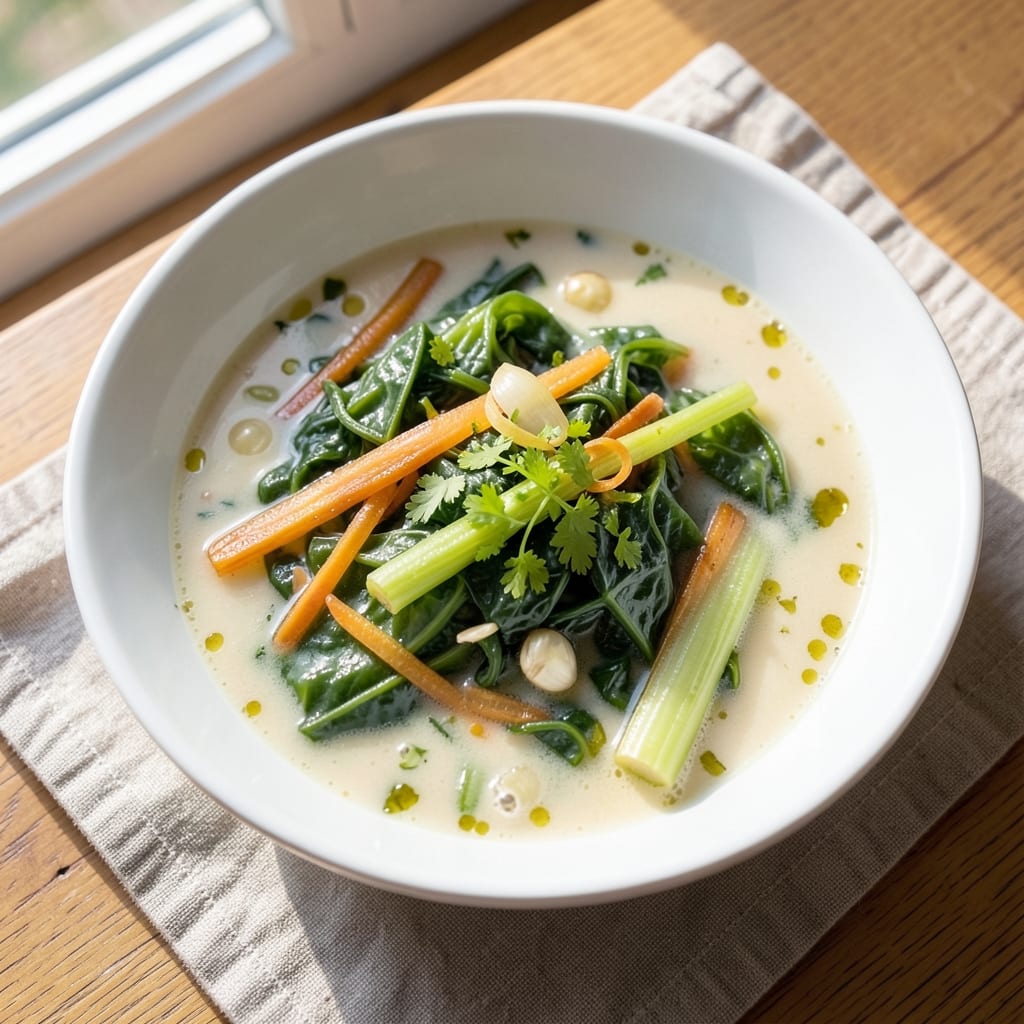
This bariatric cabbage soup recipe transforms simple ingredients into a nutrient-packed elixir designed for gentle digestion and sustained energy—perfect for post-surgery meal plans. The secret lies in blending lean proteins like chicken breast with fiber-rich vegetables, all simmered in a low-sodium broth to create a meal that’s both satisfying and easy on the system. Every spoonful delivers hydration, protein, and essential vitamins without weighing you down, making it an ideal choice for those following strict dietary guidelines after bariatric surgery.
The recipe prioritizes easy-to-digest components, including finely chopped cabbage, carrots, and celery, which break down smoothly while providing volume and nutrients. A touch of garlic and ginger not only enhances flavor but also supports digestion, while the addition of lean ground turkey or shredded chicken ensures adequate protein intake. The soup’s broth-based foundation keeps calories in check while maximizing hydration, a critical factor for recovery and overall health.
What sets this recipe apart is its versatility and adaptability—it can serve as a full meal replacement or a light side dish, depending on your needs. The ingredients are carefully balanced to avoid bloating or discomfort, making it a reliable option for those navigating post-surgery dietary restrictions. With minimal prep time and a focus on whole, unprocessed ingredients, this soup is both practical and nourishing for anyone committed to a healthier, lighter lifestyle.
For best results, consider blending the soup slightly for easier digestion, and always consult your healthcare provider to tailor portions to your specific nutritional needs. The result is a lightweight yet protein-rich dish that aligns with bariatric guidelines while delivering the comfort and nutrition you deserve.
Ingredients for bariatric cabbage soup
Lean proteins, fiber-rich vegetables, and low-sodium broth create a bariatric-friendly elixir perfect for gentle digestion and sustained energy.
| Ingredient | Amount | Notes |
|---|---|---|
| Chicken Breast 🍗 | 1 lb | Boneless, skinless, finely chopped |
| Green Cabbage 🥬 | 4 cups | Finely chopped, core removed |
| Carrots 🥕 | 2 medium | Peeled, thinly sliced |
| Celery Stalks 🧅 | 3 whole | Thinly sliced, leafy parts removed |
| Yellow Onion 🧅 | 1 medium | Finely diced |
| Garlic Cloves 🧄 | 3 cloves | Minced, for digestion support |
| Fresh Ginger 🌿 | 1 tbsp | Grated, for flavor and digestion |
| Low-Sodium Chicken Broth 💧 | 6 cups | Homemade or store-bought |
| Tomato Paste 🍅 | 2 tbsp | For umami depth |
| Olive Oil 🫒 | 1 tbsp | For sautéing vegetables |
| Dried Thyme 🌿 | ½ tsp | For subtle earthy flavor |
| Sea Salt 🧂 | ¼ tsp | Low-sodium preferred |
| Black Pepper 🌶️ | ¼ tsp | Freshly ground |
| Lemon Juice 🍋 | 1 tbsp | Freshly squeezed, for brightness |
| Fresh Parsley 🌿 | ¼ cup | Chopped, for garnish |
The chicken breast and cabbage form the nutritional backbone of this soup, providing lean protein and easy-to-digest fiber. Opt for organic, free-range chicken when possible—it has a cleaner flavor and higher protein content. For cabbage, green or purple varieties work best; avoid pre-shredded bags as they tend to oxidize faster. Trader Joe's and Whole Foods carry excellent pre-washed options, but whole heads last longer if stored properly. The carrots and celery should be firm with vibrant color—no limp or wilted stalks. Local farmers markets often have the freshest produce, but standard grocery stores carry reliable options too. Fresh ginger and garlic are non-negotiable for both flavor and digestive benefits; look for plump, unblemished roots and firm cloves with no sprouting.
No fresh ginger? Substitute with 1/2 teaspoon ground ginger—it won’t be as potent but works in a pinch. Short on chicken? Lean ground turkey or white fish like cod make excellent substitutes, but adjust cooking time as needed. The tomato paste can be swapped for 1/4 cup diced fresh tomatoes if you prefer a lighter texture. For extra umami without sodium, a dash of nutritional yeast adds depth. Diamond Crystal kosher salt is preferred for its cleaner flavor, but any low-sodium variety works. The olive oil should be extra-virgin for sautéing—its fruity notes elevate the soup’s complexity. If you’re using pre-minced garlic or ginger from a jar, rinse it thoroughly to remove excess preservatives that can irritate sensitive systems.
This soup reheats beautifully—simmer gently on low heat for 2-3 minutes to maintain its delicate texture. Store in glass containers in the refrigerator for up to 4 days or freeze portions for 3 months. For easier digestion, blend slightly before serving, but leave some texture for fiber. The lemon juice should be added fresh just before serving to preserve its bright flavor. Fresh parsley not only garnishes beautifully but also adds a final touch of freshness. Portion into single-serving containers for meal prep convenience, ensuring each serving meets your protein and fiber goals while staying gentle on digestion.
Why You'll Love This Recipe
- No Chopping Chaos: I swear by this recipe—just dice the onion and celery once, then toss everything in the pot. The cabbage and carrots barely need prep, and the chicken shreds itself after simmering. Honestly, I’ve made it after work when I’m too tired to slice anything properly, and it still turns out great.
- Unexpected Depth: The combo of tender chicken, slightly sweet carrots, and that briny cabbage is ridiculously satisfying. Between us, adding a pinch of smoked paprika or a splash of apple cider vinegar at the end takes it from "okay" to "I’ll make this twice this week." The onion and celery build layers of flavor without overpowering.
- Meal Prep MVP: This soup keeps flawlessly for days—better than takeout, and zero guesswork. I portion it into containers on Sunday, and by Wednesday, I’m popping a jar into the microwave while my kids argue over who gets seconds. (Spoiler: it’s always me.)
- Budget That Works: A single chicken breast stretches across three servings, and the veggies? You’re using the cheap, sturdy ones that last. I’ll be real: my grocery bill dropped after switching to this. Plus, the leftovers taste just as good cold the next day—perfect for lunches or when you forget to eat all day.
Step-by-step instructions for lightweight protein-packed cleansing elixir
This bariatric-friendly soup delivers balanced nutrition while supporting digestion and satiety.
Sauté Aromatics and Build Flavor Base
Heat the 1 tablespoon olive oil in a large pot over medium heat. Add the 1 medium yellow onion and 2 medium carrots sliced into thin rounds, cooking for 5 minutes until softened and translucent. The onions should release their natural sweetness while the carrots begin to caramelize slightly.
Add the 3 whole celery stalks sliced thinly and continue cooking for another 3 minutes. Stir occasionally to prevent browning. Here's the thing—properly sautéed vegetables form the flavor foundation for the entire soup, so don't rush this step. You'll know they're ready when they release their moisture but still maintain some texture.
Incorporate Protein and Herbs
Add the 1 lb finely chopped chicken breast to the pot and cook for 5-6 minutes until the chicken loses its raw appearance and begins to turn opaque. This ensures you get maximum protein without overcooking the delicate breast meat. Stir occasionally to distribute the chicken evenly.
Next, add the 3 cloves minced garlic, 1 tablespoon grated fresh ginger, 0.5 teaspoon dried thyme, 0.25 teaspoon sea salt, and 0.25 teaspoon black pepper. Cook for 1-2 minutes until the garlic becomes fragrant but doesn't burn. The ginger and thyme will infuse their distinct flavors into the base, creating a digestive-friendly yet flavorful foundation.
Add Vegetables and Tomato Paste
Increase heat to medium-high and add the 4 cups finely chopped green cabbage and 2 tablespoons tomato paste. Stir well to coat all ingredients with the tomato paste, which will deepen the umami profile. Cook for 4-5 minutes until the cabbage begins to soften but still retains some crunch.
This is where the soup starts taking shape. The cabbage should wilt noticeably but not become mushy. If you notice the vegetables sticking to the pot, add 1-2 tablespoons low-sodium chicken broth to deglaze and create a light sauce. The tomato paste will help bind everything together while adding a subtle sweetness that complements the cabbage's natural bitterness.
Simmer with Broth and Finish
Pour in the 6 cups low-sodium chicken broth and bring the mixture to a gentle boil. Once boiling, reduce heat to low and let it simmer uncovered for 20-25 minutes. This gentle cooking time ensures all ingredients meld together while maintaining their nutritional integrity and digestibility.
After 20 minutes, taste and adjust seasoning if needed. Add the 1 tablespoon freshly squeezed lemon juice and stir. The lemon juice brightens the flavors and adds a touch of acidity that enhances the overall taste profile. The soup should have a balanced flavor—savory from the chicken and tomato, slightly sweet from the carrots, with a touch of earthiness from the thyme and ginger.
Garnish and Serve
Remove the pot from heat and stir in the 0.25 cup chopped fresh parsley. The parsley adds a fresh finish and visual appeal while contributing additional nutrients. Ladle the soup into bowls and serve immediately while hot. Each serving delivers a perfect balance of protein from the chicken, fiber from the vegetables, and essential vitamins and minerals.
This soup is designed to be both nourishing and easy to digest, making it ideal for bariatric patients or anyone seeking a lightweight yet satisfying meal. The combination of lean protein and low-calorie vegetables creates a meal that supports weight management while providing essential nutrients for overall health.
Pro Tips For Making Bariatric Cabbage Soup
- Sear the Chicken First: Don’t just toss raw chicken breast into the pot—cut it into ½-inch strips, pat them bone-dry with paper towels, and sear in a hot skillet with 1 tablespoon oil until golden on all sides. I learned this the hard way: skipping the sear leaves the soup tasting like boiled rubber. (Yes, even if you’re impatient like me.)
- Shred Cabbage Thin: The cabbage should look like confetti, not thick wedges. Use a sharp knife or mandoline to slice it into paper-thin strips—this ensures it softens quickly without turning to mush. I used to chop it roughly, and the texture always felt off. Thin slices also help with portion control, which matters in bariatric cooking.
- Salt the Pot Water: Add 1 teaspoon salt to the broth before dumping in the veggies. It seasons the water itself, so everything absorbs flavor evenly—no afterthought salt sprinkle at the end. I was skeptical until I tried it: the carrots and celery actually taste deeper, like they’ve been simmering in flavor from the start.
- Simmer Low and Long: After everything’s in the pot, keep the heat at a gentle simmer—not a rolling boil. If it’s too aggressive, the cabbage will turn to sludge, and the chicken will dry out. I used to rush it, and the soup always ended up watery. Forty-five minutes at low heat guarantees tender veggies and juicy chicken without overcooking.
Best sauces and condiments for bariatric cabbage soup
Lemon-Garlic Broth Boost
Elevate your bariatric cabbage soup with a lemon-garlic broth boost—simmer an extra 1 clove minced garlic and 1 tbsp fresh lemon juice directly in the broth before adding vegetables. This infusion enhances digestion while adding bright citrus notes that cut through the richness of the chicken. For an extra kick, add ½ tsp red pepper flakes—just enough to stimulate metabolism without overpowering the delicate flavors. 💛
Creamy Coconut Touch
For a velvety texture without added calories, stir in 2 tbsp light coconut milk (unsweetened) during the final 5 minutes of simmering. The coconut milk adds a subtle sweetness that balances the cabbage's bitterness while providing healthy fats for satiety. Use So Delicious Organic Light Coconut Milk for a clean, bariatric-friendly option. Save this variation for special occasions when you crave something richer.
Herb-Infused Oil Finish
Create a flavorful drizzle by heating 1 tbsp olive oil with 1 tsp dried oregano and ½ tsp dried basil until fragrant. Drizzle lightly over individual servings just before eating—this adds aromatic depth without extra calories or sodium. For a smoky twist, swap oregano for ½ tsp smoked paprika. This technique lets you customize flavor without altering the soup's core nutritional profile.
Spicy Ginger Drizzle
Blend 1 tbsp grated fresh ginger, 1 tsp honey (or sugar-free maple syrup), and ½ tsp cayenne pepper into a paste. Drizzle ½ tsp per serving over the soup for a warming, digestive-friendly kick. The ginger aids digestion, while the cayenne gently stimulates metabolism. Use Penzeys Spices for high-quality cayenne—it delivers consistent heat without bitterness. Perfect for those who enjoy a gentle spice without overwhelming their system.
Fresh Herb Garnish
Transform your soup's presentation with a herb garnish blend of 2 tbsp chopped fresh parsley, 1 tbsp chopped fresh cilantro, and ½ tsp lemon zest. The herbs not only add visual appeal but also contribute extra nutrients. For a bariatric twist, blend the herbs into the soup during the last 2 minutes of cooking to maximize their flavor infusion. Always use organic herbs when possible to avoid pesticide residues that could irritate sensitive digestive systems.
Low-Sodium Umami Paste
Create a savory umami paste by blending 1 tbsp tomato paste, 1 tsp nutritional yeast, and ½ tsp onion powder with 1 tbsp water. Stir 1 tsp of this paste into each serving for a deep, savory flavor without added sodium. Nutritional yeast provides a cheesy, umami note while adding B vitamins—ideal for bariatric diets that often lack these nutrients. Store the paste in an airtight container in the fridge for up to 1 week.
Nutrition facts
Frequently asked questions
Can I use this soup as a full meal replacement?
Yes, this recipe is designed to be a complete, balanced meal! With its lean protein from chicken and fiber from vegetables, it provides essential nutrients while keeping calories low. For best results, pair it with a small protein shake or side salad to meet your daily protein requirements.
How do I adjust the soup for a vegan bariatric diet?
Swap the chicken for 1 lb firm tofu or ½ cup lentils for plant-based protein. Use vegetable broth instead of chicken broth and add 1 tbsp nutritional yeast for a cheesy flavor. The cabbage, carrots, and celery remain excellent fiber sources that support digestion.
Can I make this soup in a slow cooker?
Sauté the onions, carrots, celery, and chicken first, then transfer everything to your slow cooker. Add the broth and remaining ingredients, then cook on low for 6-8 hours or high for 3-4 hours. The slow cooking enhances flavor while keeping the vegetables tender and digestible.
What if I can't tolerate cabbage?
No problem! Replace the cabbage with 4 cups zucchini or 3 cups spinach for a milder flavor. These options provide similar fiber benefits while being gentler on digestion. For extra nutrients, add ½ cup diced mushrooms or 1 cup chopped kale.
How should I store leftovers?
Store in glass containers in the fridge for up to 4 days or freeze for 3 months. For reheating, warm gently on the stove with a splash of broth to maintain texture. Portion into single servings before freezing for easy meal prep.