
Soups & Stews
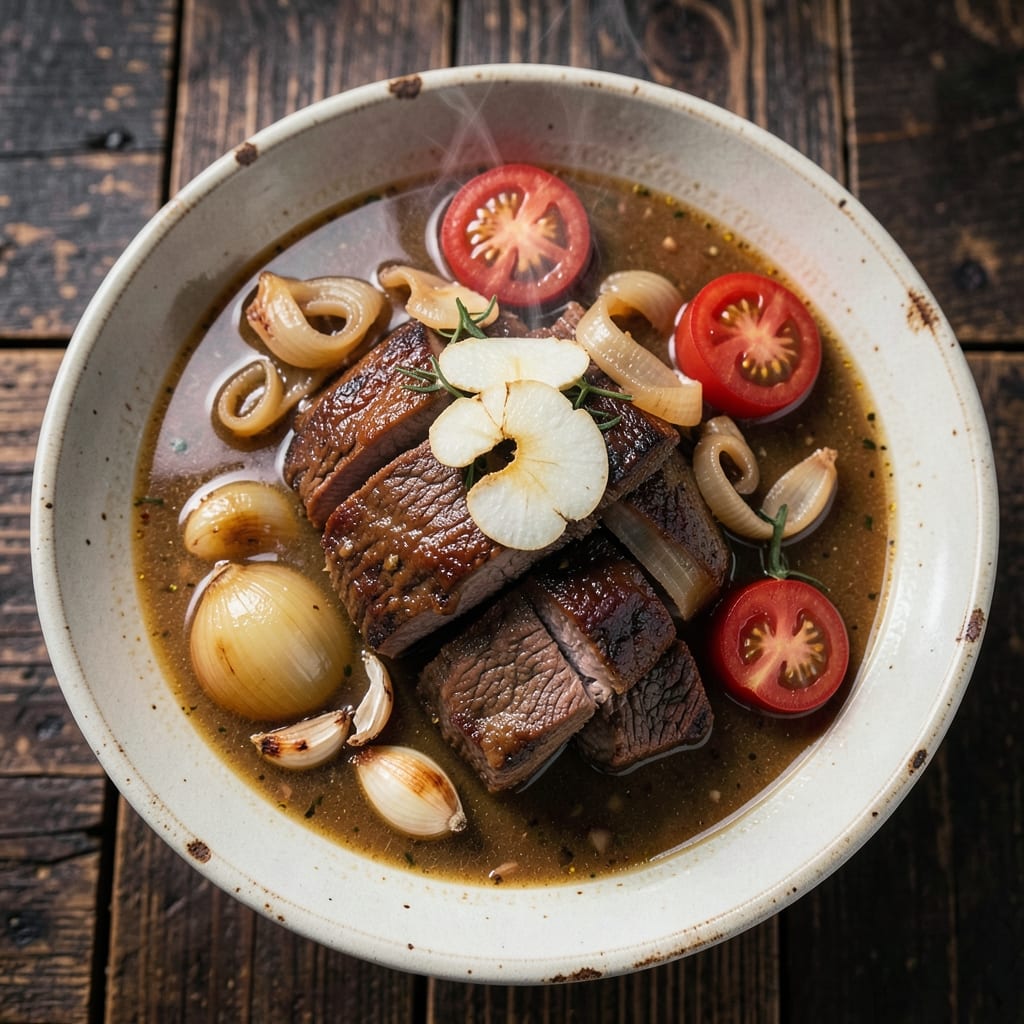
Balbacua soup delivers the ultimate Filipino comfort in every steaming bowl—rich, smoky beef and tender tripe simmered until the flavors meld into perfect harmony. 🔥 This traditional recipe transforms tough cuts into melt-in-your-mouth goodness through slow cooking, creating a broth so flavorful it tastes like home. The secret lies in layering aromatics and letting the soup work its magic over time.
What sets this balbacua apart is its deep, savory depth—achieved through caramelized onions, garlic, and ginger that form the flavor base. The beef and tripe become incredibly tender while absorbing the rich, umami-packed broth. Unlike quick soups, this one rewards patience with complex layers of taste that make every spoonful satisfying.
By the time you're done, you'll have a steaming pot of soup where the beef falls apart easily and the tripe remains tender yet firm. The aroma alone will have everyone gathering around the table, while the first taste delivers that perfect balance of smoky, savory, and slightly sweet notes that define authentic Filipino comfort food.
Serve with steamed rice to soak up every last drop of that flavorful broth—this is the kind of soup that turns ordinary weeknights into special meals. Let's get cooking with this classic recipe that brings warmth and tradition to your kitchen.
Ingredients for balbacua soup
Balbacua soup transforms humble ingredients into a smoky, savory masterpiece—rich beef and tender tripe simmered to perfection.
| Ingredient | Amount | Notes |
|---|---|---|
| Beef Chuck Roast 🥩 | 2 lb | Cut into 2-inch cubes |
| Beef Tripe 🍖 | 1 ½ lb | Cleaned, cut into strips |
| Yellow Onions 🧅 | 3 whole | Thinly sliced, caramelized |
| Garlic Cloves 🧄 | 8 cloves | Minced, aromatic base |
| Fresh Ginger 🌿 | 2 tbsp | Grated, zesty kick |
| Tomatoes 🍅 | 4 whole | Ripe, crushed by hand |
| Bay Leaves 🌿 | 2 whole | Dried, aromatic depth |
| Black Peppercorns 🌶️ | 1 tbsp | Whole, lightly crushed |
| Salt 🧂 | 2 tsp | Kosher or sea salt |
| Soy Sauce 🍶 | ½ cup | For umami richness |
| Calamansi or Lemon Juice 🍋 | ¼ cup | Bright citrus finish |
| Vegetable Oil 🫒 | ¼ cup | For initial searing |
| Water 💧 | 8 cups | For simmering broth |
| Green Onions 🧅 | ¼ cup | Chopped, garnish only |
The beef and tripe are the stars here. Beef chuck roast gives that melt-in-your-mouth texture, while tripe soaks up all the smoky, savory flavors. For the best results, grab these from a Filipino market or well-stocked butcher shop—they'll know how to clean and prep the tripe properly. If you're buying tripe pre-cleaned, look for bright white, firm pieces—avoid anything slimy or discolored. The onions and garlic? Caramelize them low and slow—this is where the deep, sweet base comes from. Skip the pre-chopped stuff; fresh onions and garlic make all the difference. And if you can't find calamansi, lemon juice works perfectly—just use a little extra to match the tang.
No beef chuck? Brisket or short ribs will work in a pinch, though the texture will differ slightly. Tripe too hard to find? Substitute extra beef or even hearty mushrooms for a vegetarian-friendly version (though it won't be traditional). Soy sauce giving you pause? Coconut aminos or tamari are great alternatives if you're avoiding soy. The tomatoes can be canned (San Marzano if possible) or fresh—just crush them by hand for that rustic touch. And if you're short on time, start with a quick sear in a hot pot instead of caramelizing the onions, though you'll lose some depth. The broth is the soul of this soup, so don't skimp on the water—8 cups is perfect for a rich, flavorful base.
This soup tastes even better the next day as the flavors meld. Store leftovers in the fridge for up to 4 days, or freeze for 3 months—the broth thickens beautifully when reheated. I always make a double batch because it disappears fast. For serving, keep the green onions separate until the end so they stay bright and fresh. And trust me, the aroma alone will have everyone rushing to the table. Serve with steamed rice to soak up every last drop of that smoky, savory goodness.
Why You'll Love This Recipe
- One-Pot Magic: Honestly, I love recipes where I don’t have to juggle a million pans. This soup simmers everything—beef, tripe, onions—in one pot, so cleanup is just a quick wipe-down. No stress, no fuss.
- Tripe’s Secret Umami: Between us, the tripe might sound weird at first, but once it’s slow-cooked with ginger and garlic? That crispy edge with the creamy center? Chef’s kiss. It’s the star, not the sidekick.
- Leftovers That Don’t Suck: I make a double batch on Sundays because this soup only gets better the next day. The flavors meld like a warm hug, and reheating it? Zero effort. Perfect for lazy Wednesdays or when company drops by.
- Budget Feast for Crowds: A whole chuck roast and tripe stretch for six servings easily, and it’s way cheaper than takeout. My college friends still tease me about feeding them this—turns out, they all kept coming back.
Step-by-step instructions for balbacua soup
Transform tough cuts into tender, aromatic goodness with this one-pot masterpiece.
🔥 Step 1: Sear the Beef and Tripe Until Deeply Browned
Heat the 0.25 cup vegetable oil in a large Dutch oven over medium-high heat until shimmering. Add the 2 lb beef chuck roast cut into 2-inch cubes and sear for 4-5 minutes until deeply browned on all sides. This step builds incredible flavor through the Maillard reaction.
Remove the beef and set aside. In the same pot, add the 1.5 lb beef tripe cut into strips and sear for another 3-4 minutes until lightly browned. The tripe should be firm but not rubbery—this is your first texture checkpoint. Don't overcrowd the pot or the meat will steam instead of sear.
👨🍳 Step 2: Build the Aromatic Base with Onions and Ginger
Add the 3 whole yellow onions sliced thinly to the Dutch oven. Cook for 5-6 minutes until softened and beginning to caramelize—you'll see them turn golden and sweet-smelling. This is where the soup's depth of flavor starts developing.
Stir in the 8 cloves garlic cloves (minced) and 2 tbsp fresh ginger (grated). Cook for 1 minute until fragrant but not browned—just until you can smell that bright, zesty aroma. Here's the thing—ginger burns fast, so keep an eye on it. If it darkens, you've gone too far.
🍳 Step 3: Simmer the Soup with Tomatoes and Seasonings
Add the 4 whole tomatoes crushed by hand, 2 whole bay leaves, 1 tbsp black peppercorns (lightly crushed), and 2 tsp salt. Pour in the 8 cups water and bring to a gentle boil. Once boiling, reduce heat to low and return the seared beef and tripe to the pot.
Let it simmer uncovered for 1.5 hours, stirring occasionally. The soup should reduce slightly and develop a rich, smoky aroma. You'll know it's ready when the beef and tripe are fork-tender—they should pull apart easily but still hold their shape. This is the moment that matters: patience pays off with melt-in-your-mouth texture.
🥘 Step 4: Finish with Soy Sauce and Citrus Brightness
After the initial simmer, stir in the 0.5 cup soy sauce and 0.25 cup calamansi or lemon juice. These final ingredients balance the rich flavors and add that signature tangy finish. Simmer for another 15-20 minutes to let the flavors meld together.
Taste and adjust seasoning—you might need a little more salt or soy sauce depending on your preference. The soup should be rich but not overpowering, with a perfect balance of savory, umami, and citrus notes. Real talk: this is where home cooks often miss the mark, so don't skip this final taste test.
🍽️ Step 5: Serve Warm with Fresh Garnish
Remove the bay leaves and ladle the soup into bowls. Garnish each serving with 0.25 cup chopped green onions for a pop of freshness and color. The aroma alone will make your kitchen smell like comfort food heaven.
Serve immediately with steamed rice or crusty bread to soak up every last drop of that flavorful broth. Each spoonful delivers that perfect balance of tender beef, chewy tripe, and aromatic vegetables—true Filipino comfort in a bowl. Don't forget to save some for leftovers—the flavors only get better the next day!
Pro Tips For Making Balbacua Soup
- SEAR THE TRIPE FIRST: I learned this the hard way—skipping the sear on tripe means you’ll end up with a mushy, flavorless mess. Hit it hard in a hot pan with oil until it’s deep golden brown (about 5-7 minutes per side) before adding anything else. That crust locks in flavor and keeps it from falling apart later.
- SIMMER LOW AND LONG: Balbacua isn’t a race. After the initial sear, drop the heat to a bare simmer (just small bubbles breaking the surface) and cook the beef chuck for at least 3 hours—4 if it’s a big roast. Rushing turns tough meat into chewy disappointment; patience makes it melt-in-your-mouth tender.
- PEEL AND SLICE GINGER THIN: Sounds weird, but it works: peel the ginger, then slice it paper-thin (almost translucent) before adding it to the pot. Whole chunks or thick slices? You’ll just taste the heat without the depth. Thin slices dissolve evenly, infusing the broth with that bright, aromatic punch.
- SAVE THE ONION WATER: Don’t toss that onion peeling liquid—strain it and add it to the pot after the initial sear. The water carries dissolved sugars and flavor that’d otherwise go down the drain. It’s the lazy cook’s shortcut to a richer, more complex broth. (Yes, even if you’re impatient like me.)
Dietary considerations for this balbacua soup
Vegetarian Adaptations
Skip the beef and tripe entirely and use extra-firm tofu or hearty mushrooms like portobello or king oyster. Press and marinate the tofu in 0.5 cup soy sauce and 1 tbsp grated ginger for 30 minutes before cooking. For mushrooms, slice them thickly and sear until deeply browned—this mimics the meaty texture. The broth will still develop rich umami from the caramelized onions, garlic, and soy sauce. 🌱
Gluten-Free Options
Traditional balbacua uses soy sauce, which contains gluten, but you can easily swap it for tamari or coconut aminos. Both provide the same umami depth without the gluten. Just use the same 0.5 cup measurement to maintain balance. For extra flavor, add 1 tbsp fish sauce (if not avoiding seafood) or 1 tsp mushroom powder to boost umami naturally.
Low-Sodium Adjustments
If you're watching sodium, reduce the soy sauce to 0.25 cup and replace the rest with 0.25 cup low-sodium soy sauce. Skip the added salt entirely and let the natural flavors of the beef, tripe, and vegetables shine. For extra depth, add 1 tsp fish sauce or 1 tbsp Worcestershire sauce (check for gluten-free if needed) to enhance umami without extra sodium.
Protein Swaps
For a lighter protein option, replace half the beef with chicken thighs (bone-in for extra flavor) or pork belly. If you prefer seafood, swap the beef and tripe for shrimp or clams—add them in the last 10 minutes of cooking to avoid overcooking. The broth will still be rich, but the texture will be lighter. For a plant-based protein, use firm tempeh marinated in soy sauce and ginger before cooking.
Dairy-Free Notes
This recipe is naturally dairy-free, but if you're adding garnishes, skip sour cream or cream-based toppings. Instead, serve with crispy fried shallots or toasted sesame seeds for texture. The natural richness of the broth and beef holds up beautifully without dairy. For extra creaminess, stir in 2 tbsp coconut milk at the end for a subtle, velvety finish.
Nutrition facts
Frequently asked questions
What makes balbacua soup different from other Filipino beef soups?
Balbacua stands out with its signature combination of beef and tripe slow-cooked until tender, creating a rich, smoky broth. Unlike other Filipino beef soups, it relies on deep caramelization of onions and garlic for its aromatic base, plus a bright finish from calamansi or lemon juice. The long simmering time transforms tough cuts into melt-in-your-mouth textures while building complex layers of flavor.
Can I use regular beef instead of tripe?
Yes, but the texture and flavor will differ. Tripe adds a unique chewy quality that soaks up the broth beautifully. If you skip it, use extra beef (3 lbs total) or substitute with pork belly or chicken thighs for a similar meaty texture. The broth will still be delicious, though less traditional.
How do I know when the beef and tripe are fully cooked?
The meat is ready when it's fork-tender—the beef should pull apart easily but not fall apart completely, while the tripe should be soft yet still hold its shape. This typically takes 1.5 hours of simmering. Test by piercing with a fork: if it meets no resistance, it's done. Overcooking can make the tripe rubbery, so keep an eye on it.
Can I make balbacua soup in a slow cooker?
Sear the beef and tripe first, then transfer everything to the slow cooker with the aromatics and broth. Cook on low for 7-8 hours or high for 4-5 hours until tender. The slow cooker's gentle heat enhances the flavors beautifully, though you may need to add 1 extra cup of water since it won't reduce as much.
What's the best way to store leftovers?
Store balbacua soup in an airtight container in the fridge for up to 4 days. The flavors actually improve overnight as the broth deepens! For longer storage, freeze for 3 months. When reheating, warm on the stove over medium-low heat until bubbling, stirring occasionally. Avoid microwaving to preserve texture.