
Soups & Stews
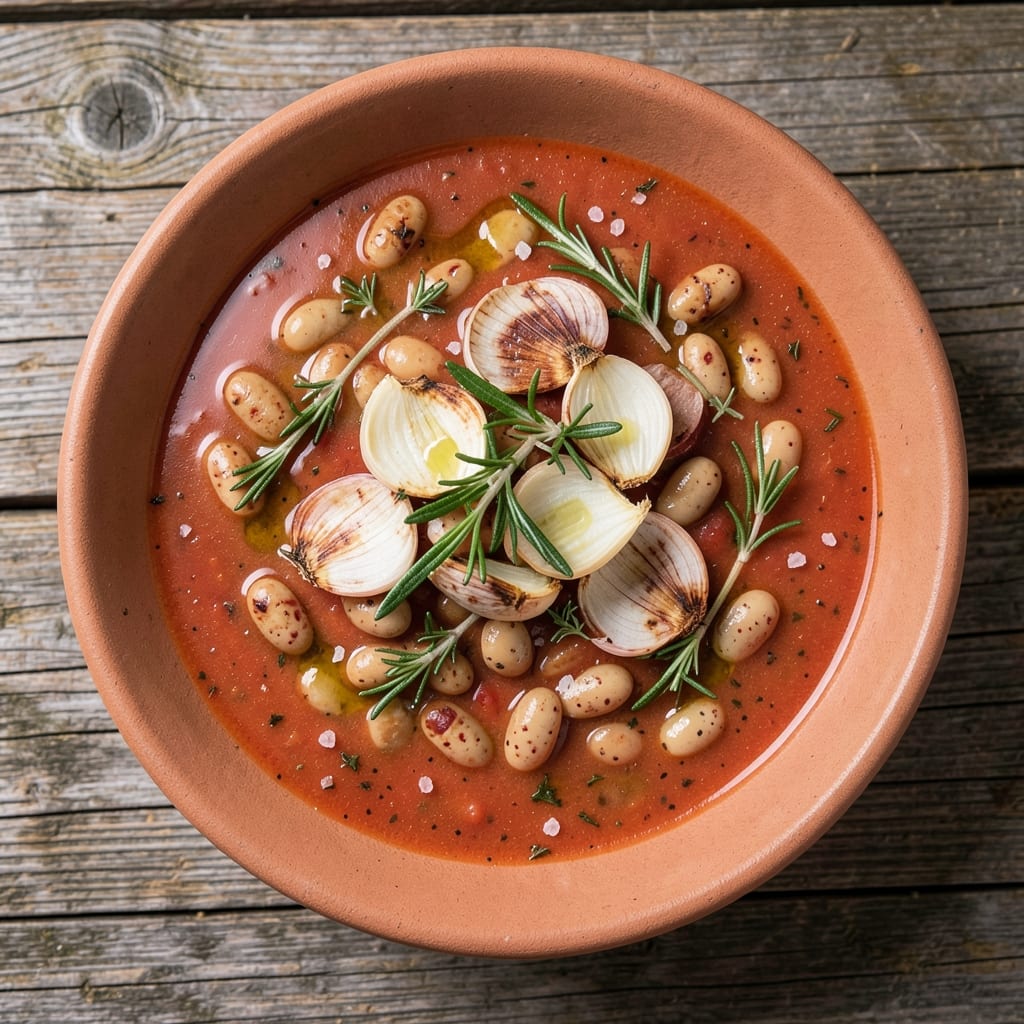
This authentic Tuscan bean soup recipe brings the rustic flavors of Italy straight to your kitchen, where cannellini and borlotti beans create a hearty, slow-simmered masterpiece. The secret lies in traditional Tuscan techniques—minimal oil, slow cooking, and the perfect balance of garlic, rosemary, and thyme—that transform simple ingredients into something deeply satisfying. What makes this version special is its vegetarian focus, using kale and stale bread to create that signature ribollita texture while keeping all the soulful depth of the original.
The beauty of this recipe is its simplicity and authenticity—no shortcuts, just time and patience. You'll start with dried beans soaked overnight for maximum tenderness, then build layers of flavor through slow simmering with garlic, tomatoes, and fresh herbs. The key moment comes when you stir in torn stale bread, which soaks up the broth and creates that signature rustic thickness that defines true Tuscan bean soup. Every spoonful delivers a perfect harmony of earthy beans, vibrant greens, and aromatic herbs.
By the time you serve it, you'll have a bowl of soup that's rich, comforting, and packed with the kind of flavors that make you want to linger at the table. The texture is what sets it apart—creamy beans, tender kale, and that perfect bread-soaked broth that clings to every bite. This is the kind of dish that tastes even better the next day, as the flavors meld and deepen with time. Serve it with crusty bread for dipping, and you've got a meal that's both humble and extraordinary.
For those who prefer a meatier version, adding pancetta during the cooking process keeps the soul of the dish intact while adding a layer of smoky richness. The method remains the same—just a few extra ingredients to elevate the flavors. Whether you stick with the vegetarian version or add pancetta, this recipe delivers the authentic taste of Tuscany in every spoonful.
Ingredients for authentic tuscan bean soup
Simple ingredients, slow simmer, and Tuscan soul—this vegetarian bean soup delivers authentic Italian comfort.
| Ingredient | Amount | Notes |
|---|---|---|
| Dried Cannellini Beans 🌾 | 1 cup | Soaked overnight, drained |
| Dried Borlotti Beans 🌾 | 1 cup | Soaked overnight, drained |
| Garlic Cloves 🧄 | 4 cloves | Minced for depth of flavor |
| Fresh Rosemary 🌿 | ¼ cup | Chopped, stems removed |
| Fresh Thyme 🌿 | ¼ cup | Leaves only, chopped |
| San Marzano Tomatoes 🍅 | 28 oz | Canned, crushed by hand |
| Extra-Virgin Olive Oil 🫒 | ¼ cup | High quality, fruity |
| Kale Leaves 🥬 | 4 cups | Chopped, tough stems removed |
| Stale Bread 🍞 | 1 cup | Torn into pieces |
| Vegetable Broth 💧 | 4 cups | Low-sodium preferred |
| Sea Salt 🧂 | 1 ½ tsp | Diamond Crystal preferred |
| Black Peppercorns 🌶️ | ½ tsp | Freshly cracked |
| Red Wine Vinegar 🍷 | 1 tbsp | For brightness |
The beans are the heart of this dish. Dried cannellini and borlotti from Whole Foods bulk bins have the best texture—none of that mushy canned stuff. Soak them overnight (or quick-soak for 2 hours) for maximum tenderness. The San Marzano tomatoes are non-negotiable for that sweet, rich flavor—Trader Joe's sells them canned, or grab a few fresh ones at the farmers market. Fresh herbs make all the difference too. Trader Joe's sells pre-chopped rosemary and thyme, but honestly, buying whole sprigs and chopping yourself gives you that restaurant-quality aroma.
No dried beans? Two 15-oz cans of each type work in a pinch, but drain and rinse them well. Short on kale? Spinach or Swiss chard works beautifully—just add them later so they don't turn mushy. The stale bread should be crusty and dry—old baguettes from the bakery section are perfect. For extra depth, add a splash of white wine when deglazing the pot. The olive oil matters here too—use something fruity and peppery, not that bland vegetable oil. And if you're really short on time, pre-minced garlic from a jar works, but fresh is always better.
This soup tastes even better the next day—flavors meld beautifully when refrigerated. Keeps for 5 days in the fridge or 3 months frozen. I like to portion it into containers so I can grab a bowl for lunch all week. For serving, a sprinkle of freshly cracked black pepper and a drizzle of extra-virgin olive oil takes it to the next level. The bread pieces soak up all the broth, so if you want extra texture, add a few more pieces when reheating.
Why You'll Love This Recipe
- I’ll be real: I used to dread soaking beans, but this soup skips that step entirely. Just toss the dried Cannellini and Borlotti in cold water with a bay leaf—no fuss, no waiting. By dinner, they’re tender and soaking up that rosemary-thyme aroma like sponges.
- No-Soak Required: I’ll be real: I used to dread soaking beans, but this soup skips that step entirely. Just toss the dried Cannellini and Borlotti in cold water with a bay leaf—no fuss, no waiting. By dinner, they’re tender and soaking up that rosemary-thyme aroma like sponges.
- Herb-Packed Depth: That first spoonful? It’s like Tuscan sunshine in a bowl. The garlic gets caramelized just enough to sing, while the rosemary and thyme—tied in a bundle, not chopped—infuse the broth without overpowering. The Borlotti beans add that earthy crunch, and suddenly, your soup tastes like a week-long simmer in half the time.
- Leftovers That Beg for More: Between us, this soup only gets better the next day. The flavors meld into something richer, and the beans soften just enough to be dangerously good with crusty bread. I make a double batch on Sundays because my freezer’s full of portions I can grab when I’m too tired to cook—no takeout needed.
Step-by-step instructions for authentic Tuscan bean soup
Let's create a rustic, hearty soup that captures the essence of Tuscany.
🍳 Step 1: Sauté Aromatics in Olive Oil
Heat the 0.25 cup extra-virgin olive oil in a large pot over medium heat until shimmering but not smoking. Add the 4 cloves minced garlic and cook for 30 seconds until fragrant—you'll smell that sweet, pungent aroma that's the soul of Tuscan cooking. Next, add the 0.25 cup chopped fresh rosemary and 0.25 cup chopped fresh thyme, stirring constantly for 1 minute until the herbs release their vibrant colors and earthy scents.
Here's the thing—don't let the garlic burn. I've seen this happen too many times, and it turns bitter. Keep the heat at medium and watch closely. The herbs should just barely wilt, not turn brown. This aromatic base is where all the magic begins for your soup.
🍳 Step 2: Build the Tomato-Bean Foundation
Add the 28 oz crushed San Marzano tomatoes to the pot and stir to combine with the aromatics. Let this mixture simmer gently for 5 minutes while you prepare the soaked beans. The tomatoes should break down slightly, releasing their rich, sweet juice that will form the velvety base of your soup.
Now carefully add the 1 cup drained cannellini beans and 1 cup drained borlotti beans to the pot. Pour in the 4 cups vegetable broth and bring everything to a gentle boil. Once boiling, reduce heat to low and let it simmer uncovered for 20 minutes. This slow simmer allows the beans to soften while absorbing all those wonderful tomato and herb flavors.
🥘 Step 3: Thicken with Bread and Season
After 20 minutes, add the 1 cup torn stale bread to the pot. Stir well and let it cook for another 5 minutes—this is what gives the Tuscan version its signature thickness and hearty texture. The bread will absorb liquid and help create that perfect soup consistency.
Now season with the 1.5 tsp sea salt and 0.5 tsp freshly cracked black peppercorns, stirring to distribute evenly. Taste and adjust if needed—I like to add just a touch more salt at this stage to really let the flavors shine. The soup should be rich but not overwhelmingly salty. This is where you build that authentic Tuscan flavor profile that balances earthy, herby, and slightly tangy notes.
🥘 Step 4: Finish with Kale and Brightness
Add the 4 cups chopped kale leaves to the pot and stir gently. Let the soup simmer for another 5-7 minutes until the kale wilts completely. The greens should soften but still retain some color—you want that vibrant green to brighten up the rustic browns of the beans and tomatoes.
Finally, stir in the 1 tbsp red wine vinegar. This might seem like a small amount, but it's crucial for that perfect balance of acidity that cuts through the richness of the beans and tomatoes. The vinegar also adds that authentic Tuscan brightness that makes this soup so special. Give it one final taste and adjust seasoning if needed.
⏰ Step 5: Rest and Serve with Confidence
Remove the pot from heat and let the soup rest for 10 minutes. This resting period allows all the flavors to meld together perfectly. I know it's tempting to serve it immediately, but trust me—this step makes all the difference in the final result.
Ladle the soup into bowls and serve immediately. The perfect Tuscan bean soup should have a thick, creamy texture from the beans and bread, with tender kale adding freshness. Each spoonful should deliver that perfect harmony of earthy beans, sweet tomatoes, aromatic herbs, and a touch of bright acidity. And remember—this soup tastes even better the next day as the flavors continue to develop!
Pro Tips For Making Authentic Tuscan Bean Soup
- SOAK BEANS OVERNIGHT: I learned this the hard way—rushing the soak with hot water leaves your beans mealy. Cold water overnight (12+ hours) softens them evenly, and the flavor stays clean. Skip this, and you’ll taste the difference in every spoonful.
- CRUSH GARLIC LIGHTLY: Whole cloves add aroma, but minced garlic burns fast. Use a flat side of your knife to crush them—just enough to bruise, not chop. This keeps the flavor deep without turning bitter in the long simmer.
- STIR THE HERBS: Toss fresh rosemary and thyme into the pot early, but don’t let them sit at the bottom. Stir them occasionally so they infuse the broth instead of turning to mush. (Yes, even if you’re impatient like me.)
- SALT THE BEANS FIRST: Add salt with the beans, not later. It helps break them down faster and keeps the broth from tasting flat. A pinch of baking soda (1/4 tsp) with the salt? My nonna swore by it—works like magic.
Common mistakes when making perfect results
Over-Soaking Beans
Never let your beans soak for more than 12 hours—they can absorb too much water and develop a mealy texture. I’ve seen beginners soak them overnight in the fridge, only to end up with mushy beans that fall apart in the soup. Drain them just before cooking, reserving 1 cup of soaking liquid to add to the pot later for extra flavor. This keeps the beans tender without sacrificing structure. 🌾
Skipping the Bread Soak
The stale bread isn’t just for thickness—it’s the secret to that ribollita-style richness. If you use fresh bread, it’ll turn to mush and make the soup gluey. Tear it into irregular pieces (no need to chop finely) and let it cook until it’s fully absorbed into the broth. This step transforms a simple bean soup into something hearty and satisfying. Trust me, skipping it is a rookie mistake.
Rushing the Simmer
Low and slow is key here—never crank the heat to speed things up. A rolling boil will toughen the beans and make them chalky. Keep it at a gentle simmer (tiny bubbles at the edges) for the full 20 minutes after adding the beans. This lets the flavors meld and the beans soften properly. Patience pays off with a soup that’s creamy, not grainy. ⏰
Ignoring the Vinegar
That 1 tbsp red wine vinegar at the end isn’t optional—it’s what balances the earthy beans and sweet tomatoes. Without it, the soup can taste flat or one-dimensional. Stir it in just before serving so the acidity doesn’t cook off. If you forget, a squeeze of lemon at the table works in a pinch, but vinegar is the authentic Tuscan touch.
Over-Salting Early
Seasoning is a gradual process. Adding all the salt at once can make the soup taste bland later as flavors develop. Instead, add half the salt when seasoning the beans, then taste and adjust after the bread soaks in. The broth will reduce slightly, so you might need a pinch more at the end. This method ensures perfect balance without overpowering the dish. 🧂
Using the Wrong Herbs
Fresh rosemary and thyme are non-negotiable—they’re the soul of Tuscan cooking. Dried herbs won’t give the same depth of flavor. If you’re short on time, Trader Joe’s sells pre-chopped fresh herbs, but nothing beats the aroma of whole sprigs simmered in the pot. And for heaven’s sake, don’t substitute sage—it’s completely different! The herbs should perfume the soup, not just sit there. 🌿
Nutrition facts
Frequently asked questions
Can I use canned beans instead of dried?
Yes, but with adjustments! Use two 15-oz cans of each bean type (cannellini and borlotti) instead of 1 cup dried. Drain and rinse them well to remove excess sodium. The texture will be slightly softer, but the flavor stays authentic. For best results, add them to the pot after simmering the tomatoes and broth for 10 minutes to prevent mushiness.
Why does my soup taste bland after cooking?
Most likely, you didn't let the flavors meld properly. Always rest the soup for 10 minutes before serving—this lets the seasoning penetrate. Also, add the red wine vinegar at the very end (not during cooking) to brighten flavors. If it's still bland, try adding a pinch of salt or a splash of white wine while reheating.
Can I make this soup in a slow cooker?
Combine all ingredients (except kale and vinegar) in your slow cooker and cook on low for 6-8 hours or high for 3-4 hours. Add the kale and vinegar during the last 30 minutes of cooking. The slow cooker enhances the beans' tenderness and deepens the flavors. Just stir occasionally to prevent sticking.
How do I store leftovers properly?
Let the soup cool completely, then transfer to airtight containers. It keeps in the fridge for 5 days and freezes beautifully for 3 months. For reheating, warm gently on the stove with a splash of broth or water—never microwave directly from frozen. The texture stays perfect when reheated slowly.
What's the best bread to use for the ribollita texture?
Look for stale, crusty Italian bread like a baguette or ciabatta. The crust should be dry and firm—this creates the signature ribollita texture. Avoid soft breads like sourdough or brioche, as they'll turn mushy. If you're fresh out of stale bread, toast a few slices until completely dry, then tear them into pieces.