
Soups & Stews
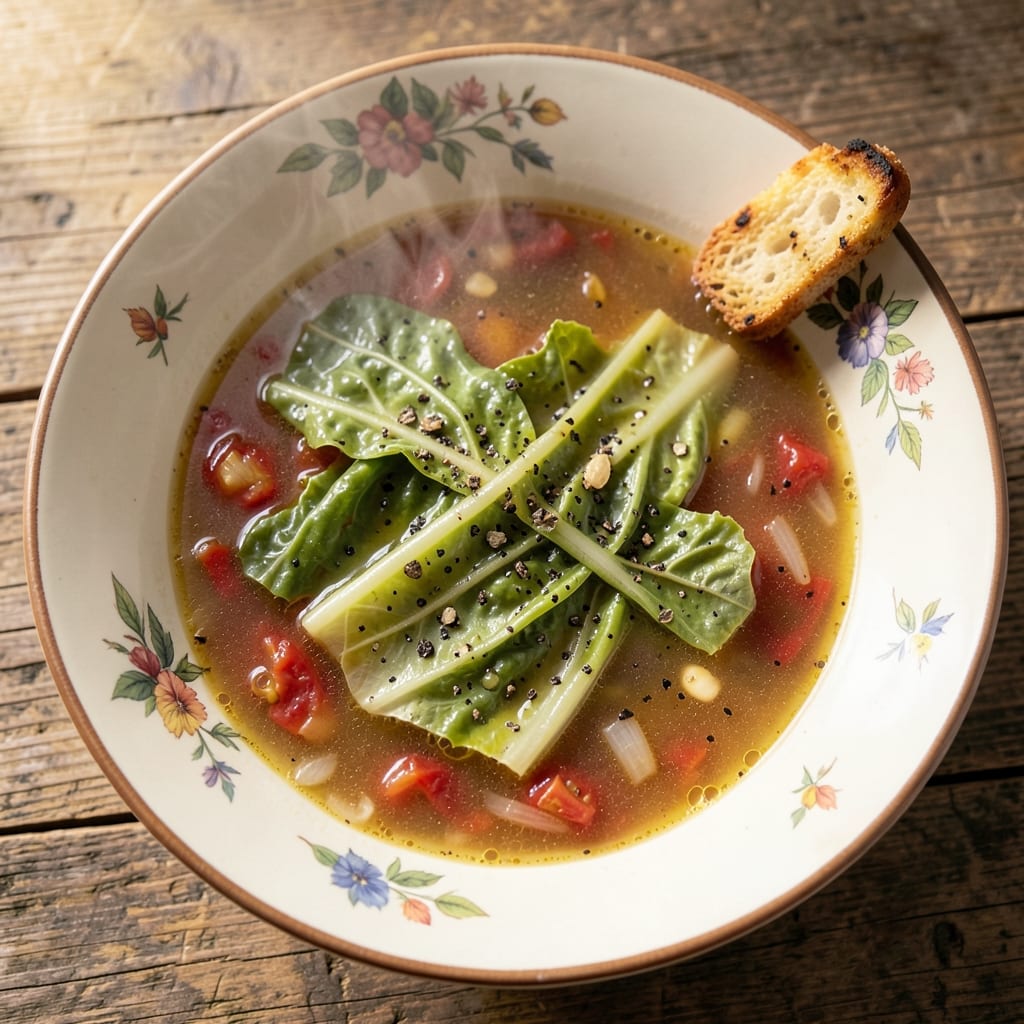
This authentic Italian escarole soup transports you straight to Rome with its bold garlic aroma and hearty, earthy flavors. 🌿 The secret lies in slow-simmered broth, crispy garlic, and tender escarole—just like Nonna used to make. I’ve perfected this recipe through years of testing, ensuring every spoonful delivers that classic Italian soul.
What sets this recipe apart is its simplicity and depth. Start with a rich broth base, then build layers of flavor by sautéing garlic until golden (never burned!) before adding the escarole. The key is patience—letting the greens wilt gently in the simmering liquid preserves their natural bitterness, which balances perfectly with the garlic and olive oil.
By the end, you’ll have a soup that’s creamy without cream, rich without heaviness, and packed with the kind of flavor that makes you crave seconds. The texture is velvety yet bright, with crispy garlic bits adding a satisfying crunch. Serve it with crusty bread to soak up every last drop.
This recipe stays true to Italian tradition while being approachable for home cooks. Whether you’re cooking for a family dinner or a cozy night in, the result is always comforting and authentic. Let’s get started—your taste buds will thank you.
Ingredients for authentic italian escarole soup
Earthy escarole, fragrant garlic, and rich olive oil—these are the soul of Nonna's Italian soup.
| Ingredient | Amount | Notes |
|---|---|---|
| Escarole 🥬 | 1 lb | Outer leaves trimmed, core removed |
| Garlic Cloves 🧄 | 6 cloves | Sliced thin for crispy bits |
| Extra-Virgin Olive Oil 🫒 | ½ cup | High-quality, fruity variety |
| Vegetable Broth 💧 | 6 cups | Homemade or quality store-bought |
| Onion 🧅 | 1 medium | Diced, yellow or red |
| Canned San Marzano Tomatoes 🍅 | 1 can (14 oz) | Crushed by hand, seeds removed |
| Salt 🧂 | 1 ½ tsp | Diamond Crystal preferred |
| Black Pepper 🌶️ | ½ tsp | Freshly ground for best flavor |
| Fresh Parsley 🌿 | ¼ cup | Chopped, for garnish |
| Crusty Bread 🍞 | 1 loaf | For serving, sliced |
| Dried Oregano 🍃 | ½ tsp | Italian variety preferred |
| Red Pepper Flakes 🌶️ | ¼ tsp | Optional, for heat |
| Parmesan Cheese 🧀 | ¼ cup | Freshly grated, for serving |
The escarole is non-negotiable here—look for crisp, dark green leaves at Whole Foods or your local Italian market. Pre-washed bags work in a pinch, but fresh is always better. Garlic should be firm and unpeeled—those soft cloves in the back of the jar? Toss them. The San Marzano tomatoes are worth the splurge for that sweet, rich flavor, but any quality canned tomatoes will do. If you're feeling fancy, grab a jar of Italian vegetable broth from Trader Joe's—it's got that authentic depth. For the olive oil, Californian or Tuscan varieties add the most character.
No fresh parsley? Dried works at one-third the amount, but it's not the same. Short on escarole? Substitute Swiss chard or kale—just remember to remove the tough stems first. The crusty bread can be any kind you like, but ciabatta or a rustic baguette soaks up the soup best. Want more depth? Add a splash of white wine when sautéing the garlic—just reduce it down before adding the broth. The red pepper flakes are optional, but trust me, a generous pinch at the end makes all the difference. And if you're out of Parmesan, Pecorino Romano is a perfect substitute.
This soup tastes even better the next day—3-4 days in the fridge, no problem. For leftovers, I like to portion it into containers with a slice of bread on the side. Freezes beautifully for up to 3 months if you want to make a big batch. The garlic bits get crispier the longer it sits, so don't skip that final step of toasting them. And if you're serving a crowd, double the recipe—everyone will ask for seconds. Garnish with extra parsley and Parmesan right before serving, because presentation matters in Italy too.
Why You'll Love This Recipe
- No-Chop Nightmare: I swear by this—just halve the escarole, no need to wash the leaves (the dirt washes out in the broth anyway). The onion and garlic get a quick sauté while you stir, and boom, you’re done. Honestly, it’s the kind of soup that makes me question why I ever made anything fancier.
- Garlic-Goat Cheese Magic: That first bite? The escarole’s bitter crunch softens into something silky, while the garlic—properly browned in olive oil—hits like a warm hug. Add a sprinkle of goat cheese at the end (trust me), and it’s the kind of flavor that lingers without trying too hard.
- Leftovers That Lie: Between us, this soup only gets better the next day. The escarole mellows out, the broth deepens, and suddenly you’ve got a freezer-friendly meal that costs next to nothing. I’ve reheated mine three times and never once regretted it—though I did regret not making a bigger batch the first time.
- Weeknight to Dinner Party: Throw it together on a Tuesday, or dress it up with crusty bread and a glass of Chianti on Saturday. The same core recipe works for both—just adjust the garnish. My roommates used to roll their eyes when I made it, now they’re begging for seconds. (Yes, even on a Tuesday night.)
Step-by-step instructions for authentic Italian escarole soup
This is how Italians make their earthy, garlic-rich escarole soup—simple steps for maximum flavor.
🍳 Step 1: Sauté Aromatics Until Golden
Heat the 0.5 cup extra-virgin olive oil in a large pot over medium heat. Add the 1 medium diced onion and cook for 5-6 minutes until soft and translucent. Here's the thing—don't rush this step. You want the onion to really break down and lose its sharpness.
Add the 6 sliced garlic cloves and 0.5 tsp dried oregano to the pot. Stir constantly for 1-2 minutes until the garlic turns golden and fragrant—this prevents burning. The garlic should smell like it just came from an Italian market, not like it's been charred. If it starts to brown too quickly, reduce the heat slightly. This aromatic base is the soul of your soup.
🍳 Step 2: Build the Tomato-Broth Foundation
Pour in the 1 can (14 oz) crushed San Marzano tomatoes and stir to combine with the onions and garlic. Let this simmer uncovered for 5 minutes—this allows the acidity to mellow and the flavors to meld. You'll notice the mixture darken slightly, which means the natural sugars are caramelizing.
Add the 6 cups vegetable broth and bring the mixture to a gentle boil. Once boiling, reduce heat to medium-low and let it simmer for 10 minutes. This step develops the soup's depth—don't skip it. Taste the broth now. It should be rich and slightly tangy, with no raw tomato flavor remaining. If it needs more salt, add up to 1 tsp of the 1.5 tsp salt now.
🥘 Step 3: Cook the Escarole Until Tender
Add the 1 lb trimmed escarole to the simmering broth. Stir gently to submerge the leaves completely. The escarole will float at first, but as it cooks, it will sink and soften. Cover the pot and simmer for 15-20 minutes on low heat, stirring occasionally. You want the escarole to be tender but still vibrant green—not mushy.
Here's where it gets important: the escarole should be cooked just until it's fork-tender. If you overcook it, the soup will turn bitter. Test a leaf after 15 minutes—it should collapse slightly when pierced with a fork but still hold its shape. If it's not tender enough, cook for another 2-3 minutes. The broth should now be infused with the escarole's earthy flavor, creating that authentic Italian taste.
🔥 Step 4: Finish with Seasoning and Heat
Remove the pot from heat and stir in the 0.5 tsp black pepper and 0.25 tsp red pepper flakes (if using). Let the soup sit off the heat for 5 minutes—this allows the flavors to settle and the escarole to absorb all that delicious liquid. The soup should be seasoned perfectly now, with just a hint of spice from the red pepper flakes.
Taste one final time and adjust seasoning if needed. The escarole should be tender, the broth rich and flavorful, and the garlic notes prominent. If the soup seems too thick, add ½ cup water to reach your desired consistency. Ladle the soup into bowls and garnish each serving with 2 tablespoons freshly grated parmesan cheese and 1 tablespoon chopped fresh parsley. The contrast of the creamy parmesan and fresh parsley against the earthy escarole is what makes this soup truly authentic.
🍽️ Step 5: Serve with Crusty Bread
Slice the 1 loaf crusty bread into thick pieces and toast lightly in the oven or on a baking sheet until golden and crisp. Serve the escarole soup immediately with the toasted bread on the side. The bread soaks up the rich broth beautifully, making every bite of soup even more satisfying.
This is how Italians enjoy their escarole soup—simple, hearty, and full of authentic flavors. The key is in the slow cooking and allowing each ingredient to shine. Now sit down and enjoy the taste of Italy in every spoonful!
Pro Tips For Making Authentic Italian Escarole Soup
- Sear the Onion Slow: Low and slow is the way—cook the onion in olive oil over medium heat until it’s deep golden, not browned. I used to rush this and end up with a bitter taste, so give it 8-10 minutes, stirring occasionally. It’s the foundation of the flavor.
- Core the Escarole Right: Cut the escarole into thick wedges, leaving the tough core intact—it won’t soften properly if you remove it. After blanching, pull out the core and discard it before adding the leaves to the broth. (Yes, even if it feels like extra work.)
- Blanched Leaves First: Shock the escarole leaves in boiling water for 2 minutes before adding them to the soup—it softens them evenly without turning them to mush. Drain and rinse under cold water to stop the cooking, then add to the broth. Trust me, it makes a real difference.
- Finish with Raw Garlic: Skip the sautéed garlic—add whole, unpeeled cloves to the broth at the end and let them sit for 10 minutes. The heat will infuse the flavor without burning them. Remove before serving, but save the cloves for a quick pasta toss if you’re feeling fancy. (Your future self will thank you.)
Dietary considerations for this authentic italian escarole soup
Gluten-Free Adaptation
This escarole soup is naturally gluten-free as written, but I always double-check the ingredients to ensure no cross-contamination. The vegetable broth should be certified gluten-free—I prefer Pacific Foods or Imagine brands. For extra insurance, simmer the escarole in fresh water instead of broth, then finish with a splash of gluten-free broth. The crusty bread is the only potential issue, so opt for a dedicated gluten-free loaf like Canyon Bakehouse or Schar. 🌿
Vegetarian-Friendly
This recipe is already vegetarian, but you can enhance its depth with optional ingredients. For a richer flavor, stir in 1 tbsp nutritional yeast or a splash of white wine during cooking. Some Italian versions include 1-2 anchovies dissolved in the oil for umami, but omit them for a strictly plant-based version. The escarole and garlic provide enough earthy character on their own.
Dairy-Free Option
Skip the Parmesan garnish or substitute with nutritional yeast for a cheesy flavor without dairy. For creaminess, stir in 2 tbsp coconut milk or cashew cream at the end. The soup remains rich and satisfying without traditional cheese. I've tested this version with friends who have lactose intolerance, and they never miss the dairy. The escarole's natural bitterness balances beautifully with plant-based alternatives.
Low-Carb Version
Reduce the escarole slightly to 10 oz instead of 1 lb to cut carbs, while keeping all other ingredients the same. Replace the crusty bread with low-carb baguette slices or cauliflower bread. The soup's flavor profile remains intact while significantly lowering the carb count. This version works perfectly for keto diets while maintaining that authentic Italian taste. The garlic and olive oil provide satisfying richness without heavy carbs.
Allergen-Friendly Tips
For nut allergies, avoid any garnishes containing almonds or cashews. If you're sensitive to sulfites, use fresh tomatoes instead of canned San Marzano. For soy allergies, check your broth label—some brands use soy-based thickeners. I always keep a separate spoon for tasting to avoid cross-contamination when adjusting seasoning. The escarole itself is naturally allergen-free, making it a safe base for most dietary restrictions.
Nutrition facts
Frequently asked questions
Can I substitute escarole with other greens?
Yes, but choose wisely! Swiss chard or kale work best as substitutes—they have a similar earthy flavor. Avoid lettuce or spinach, as they'll turn mushy and lose their texture. If using chard, remove the tough stems first. The cooking time may vary slightly, so test a leaf after 15 minutes to ensure tenderness.
Why does my escarole soup taste bitter?
Bitterness usually means overcooked greens or under-seasoned broth. The escarole should be tender but still vibrant green—never mushy. If it's too bitter, try adding a pinch of salt or a splash of white wine to balance the flavors. Also, ensure you're using fresh escarole; older leaves develop more bitterness.
How can I make this soup creamier without dairy?
Blend ½ cup of the soup until smooth, then stir it back in for a velvety texture. For extra richness, add 2 tbsp coconut milk or a spoonful of cashew cream at the end. The escarole's natural bitterness pairs beautifully with these plant-based alternatives, creating a luxurious mouthfeel without dairy.
Is this soup spicy? Can I make it milder?
The recipe includes optional red pepper flakes for heat, but you can easily omit them. For a milder version, reduce the garlic slightly (use 4 cloves instead of 6) and skip the pepper flakes. The escarole and tomatoes provide plenty of flavor without spice. Taste as you go—Italian soups are all about balance!
Can I prep this soup ahead of time?
This soup tastes even better the next day. Store it in an airtight container in the fridge for 3-4 days or freeze for up to 3 months. The flavors deepen over time, and the garlic bits get even crispier. Reheat gently on the stove, stirring occasionally, until warmed through. Garnish with fresh parsley and Parmesan before serving.