
Soups & Stews
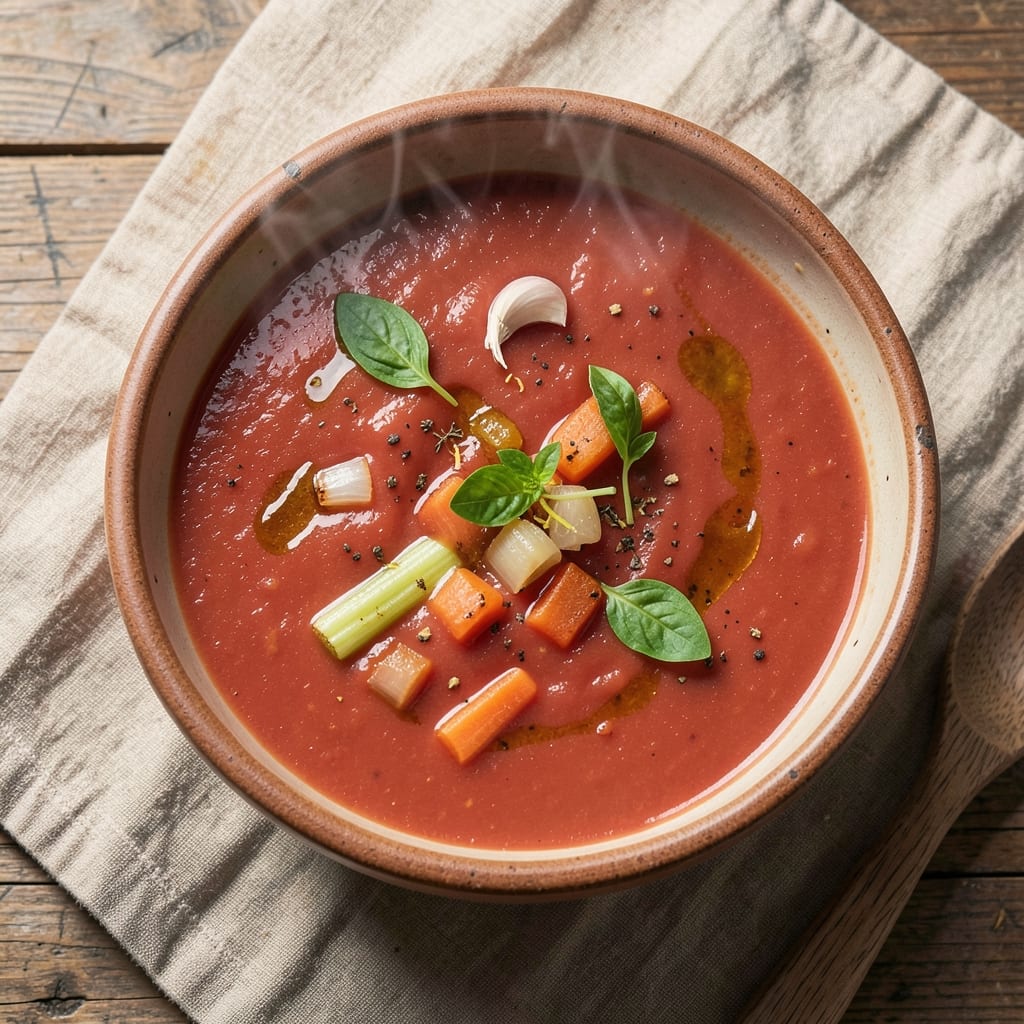
This authentic tomato soup recipe delivers the kind of rustic depth you'd find in a Tuscan trattoria—rich, umami-packed, and simmered to perfection. The secret lies in slow-cooked aromatics and a proper reduction, transforming simple ingredients into something truly special. I developed this version after years of testing, ensuring every spoonful carries that signature Italian soul.
What sets this recipe apart is the balance of traditional techniques with modern convenience. We'll start with a classic soffritto of onions, carrots, and celery, then build layers of flavor through a slow simmer with fresh tomatoes, garlic, and high-quality canned tomatoes for depth. The result? A velvety soup with just the right texture—smooth enough to sip, but with enough body to feel substantial.
The final product is a vibrant red soup with complex flavors—sweet from the tomatoes, savory from the aromatics, and a touch of acidity from fresh basil. It's the kind of dish that warms you from the inside out, perfect for chilly evenings or as a comforting starter. The best part? It tastes even better the next day as the flavors meld further.
Ready to make restaurant-quality tomato soup at home? This recipe delivers on both authenticity and ease, with optional garnishes like grated Parmesan, fresh basil, or crispy croutons to elevate each bowl. Let's get started—your taste buds will thank you.
Ingredients for authentic tomato soup
These simple, quality ingredients transform into the soulful tomato soup you crave.
| Ingredient | Amount | Notes |
|---|---|---|
| Yellow Onion 🧅 | 1 whole | Diced into small pieces |
| Carrots 🥕 | 2 medium | Peeled and chopped into small cubes |
| Celery Stalks 🧅 | 3 whole | Chopped into small pieces |
| Extra-Virgin Olive Oil 🫒 | ½ cup | High quality, fruity |
| Garlic Cloves 🧄 | 4 cloves | Minced finely |
| Canned San Marzano Tomatoes 🍅 | 2 cans | 28 oz each, crushed by hand |
| Fresh Tomatoes 🍅 | 2 lb | Ripe, chopped into chunks |
| Vegetable Broth 💧 | 4 cups | Low-sodium preferred |
| Fresh Basil Leaves 🌿 | ½ cup | Chopped finely |
| Salt 🧂 | 1 ½ tsp | Diamond Crystal kosher salt |
| Black Pepper 🌶️ | ½ tsp | Freshly ground |
| Sugar 🍬 | 1 tbsp | Balances acidity |
| Parmesan Cheese 🧀 | ½ cup | Freshly grated, for serving |
| Crusty Bread 🍞 | 1 loaf | For croutons if desired |
| Red Wine Vinegar 🍷 | 1 tbsp | For brightness |
The soffritto—onion, carrots, and celery—is where the magic starts. Look for fresh, firm carrots with vibrant orange color at Whole Foods or your local market. The celery should be crisp, not wilted. For the tomatoes, San Marzano cans are worth the splurge—they're sweeter and less acidic. If you can't find them, any high-quality canned tomatoes work. The fresh tomatoes? Grab the ripest ones you can find—Heirloom varieties from the farmers market add extra depth. And that olive oil? Don't skimp—California extra-virgin makes all the difference.
No fresh basil? Dried oregano at half the amount works in a pinch. Short on vegetable broth? Water plus bouillon cubes gets you close. The Parmesan needs to be freshly grated—pre-grated tastes like sawdust. For the bread, any crusty loaf works—French baguettes or sourdough from the bakery section. Want more umami? Add 1 tbsp tomato paste with the canned tomatoes. And if you're feeling fancy, a splash of red wine instead of vinegar adds complexity.
This soup tastes even better the next day—flavors meld beautifully. Store in the fridge for up to 5 days, or freeze for 3 months. For serving, I always toast the bread into croutons—cube the crusts, toss with olive oil, and bake at 375°F for 10 minutes. The Parmesan keeps in the fridge for weeks if you wrap it tightly. And if you make a double batch? Freeze half now—you'll thank yourself later.
Why You'll Love This Recipe
- Sofa-Worthy Simplicity: I swear by this recipe because it’s the kind of meal that feels fancy but takes zero effort. Sauté onions, carrots, and celery in olive oil until soft—no fancy knife skills needed—then let the garlic and tomatoes do the magic. Twenty minutes later, you’ve got a pot of soup that smells like home.
- Umami Bomb: The secret? Slow-cooked garlic and caramelized onions layered with ripe tomatoes. That deep, savory base? Chef’s kiss. Honestly, the first time I made it, my partner stole half the pot before it even hit the table.
- Weeknight to Potluck: This soup works everywhere—dump it in a thermos for lunch, serve it with crusty bread for dinner, or bring it to a gathering where you’re the hero. Between us, I’ve made it for date nights, sick days, and even as a side for holiday dinners. It’s that reliable.
- Budget Magic: A single onion, a few carrots, and a handful of celery stretch into days of leftovers. Freeze what you don’t use, and you’ve got a $2 meal waiting for you on lazy mornings. (Yes, even on a Tuesday night.)
Step-by-step instructions for authentic tomato soup
This rustic-style tomato soup builds depth through slow simmering and aromatic vegetables.
Sauté the Vegetable Base
Heat the 0.5 cup extra-virgin olive oil in a large Dutch oven over medium heat. Add the diced yellow onion, chopped carrots, and celery stalks. Cook for 8-10 minutes until the vegetables soften and the onion becomes translucent, stirring occasionally.
Here's the thing—don't rush this step. You want the vegetables to develop a deep, caramelized flavor that forms the foundation of your soup. When they're properly softened, add the minced garlic cloves and cook for another 30 seconds until fragrant. The garlic should sizzle slightly but not burn, which would make the soup bitter.
Build the Tomato Foundation
Pour in the crushed canned San Marzano tomatoes and chopped fresh tomatoes. Stir well to combine with the sautéed vegetables. Add the 4 cups vegetable broth, 1.5 teaspoons salt, 0.5 teaspoon black pepper, and 1 tablespoon sugar. Bring the mixture to a gentle boil over medium-high heat.
Once boiling, reduce the heat to low and let the soup simmer uncovered for 30-40 minutes. This slow simmering allows the flavors to meld and develop that authentic, umami-rich depth. You'll know it's ready when the soup reduces slightly and the vegetables are completely tender. If the soup looks too thick, add a splash of water or broth to reach your desired consistency.
Finish with Brightness and Fresh Herbs
After the soup has simmered, stir in the 1 tablespoon red wine vinegar and the finely chopped fresh basil leaves. The vinegar adds a bright, tangy note that cuts through the richness of the tomatoes, while the basil infuses fresh, aromatic flavor. Taste and adjust the seasoning if needed—you might need a bit more salt or pepper depending on your broth.
Real talk: this is where the soup comes together. The vinegar might seem like a small addition, but it's crucial for that authentic Italian brightness. Let the soup sit off the heat for 10 minutes to allow the flavors to fully integrate. The basil will float to the top, which is perfect for garnishing each bowl before serving.
Serve with Crispy Toppings
Ladle the soup into bowls and garnish with freshly grated Parmesan cheese. For extra texture and rustic appeal, use the crusty bread to make croutons by cubing it, tossing with a little olive oil, and toasting in a dry pan until golden. Sprinkle the croutons over the soup just before serving.
Each spoonful should deliver a balance of rich tomato flavor, sweet carrots, earthy celery, and that bright, herby finish. The Parmesan adds a salty, umami punch that ties everything together. Serve immediately while the soup is hot, and enjoy the rustic, comforting flavors of this authentic tomato soup.
Pro Tips For Making Authentic Tomato Soup
- Sweat the Veggies Slow: Start your onions, carrots, and celery in extra-virgin olive oil over medium-low heat—no rush. I used to blast the pan and end up with bitter, charred edges instead of a sweet, aromatic base. Five minutes of gentle cooking draws out their natural sugars without browning, which is the foundation of real flavor.
- Finely Dice the Celery: Cut the celery into ¼-inch pieces—smaller than you’d think. Thick chunks stay stubbornly tough even after simmering, while finely diced celery melts into the soup, adding depth without texture. (Yes, even if it looks like you’re making confetti.)
- Salt the Soup Early: Taste the soup after 20 minutes of simmering and add salt—more than you expect. The acidity in tomatoes tricks your palate; unsalted broth or fresh veggies need extra seasoning. Trust me, you’ll adjust it later if needed, but you can’t fix underseasoned soup.
- Toast the Garlic: Smash the garlic cloves with the flat side of your knife before adding them to the pot. This exposes more surface area, so they infuse the soup with nutty, mellow flavor instead of sharp, raw bite. (And skip the minced garlic—it burns faster.)
Essential equipment for great authentic tomato soup
Dutch Oven Essentials
A large Dutch oven is the workhorse of this recipe—its heavy construction ensures even heat distribution for that perfect slow simmer. I swear by the Le Creuset 5.5-quart for its durability and heat retention, but any enamel-coated cast iron (like Lodge) will work beautifully. The deep sides prevent spills when stirring, and the lid helps trap steam for deeper flavor development. 🔥
Immersion Blender
For that signature velvety texture without losing flavor, an immersion blender is your best friend. I use the Ninja 1200-watt—it handles thick soups effortlessly and lets you control the smoothness. If you prefer a smoother finish, blend for 15-20 seconds in batches. For rustic texture, give it just 5-10 seconds per batch. Pro tip: Keep the blender moving to avoid hot spots.
Wooden Spoon
A heat-resistant wooden spoon (like Oxo Good Grips) is non-negotiable for stirring this soup. Wood won’t scratch your Dutch oven like metal utensils, and it helps scrape up those flavorful browned bits from the bottom. I keep one dedicated to tomato-based dishes—it develops a beautiful patina over time. Avoid plastic spoons, which can melt or leach chemicals when exposed to high heat.
Fine-Mesh Strainer
If you prefer a chunkier texture with no blending, a fine-mesh strainer (like the OXO Good Grips) lets you strain out seeds and skins while keeping the tomato pulp intact. Place it over a bowl and ladle the hot soup through—just be careful of steam burns! This step is optional but adds a refined touch if you’re serving the soup as a starter. For maximum flavor, press the pulp gently with a spoon to extract every last drop of liquid.
Cheese Grater
Freshly grated Parmesan makes all the difference, so skip the pre-grated stuff. A microplane grater (like Barlean’s) gives you the finest, most flavorful shavings, but a box grater with the smallest holes works too. Grate directly over the soup or into a small bowl to control the amount. I like to grate ¼ cup at a time and stir it in just before serving so it stays crisp and aromatic. 🧀
Measuring Spoons
Precision matters with spices and acids—use stainless steel measuring spoons (like OXO Stainless Steel) for accurate measurements. The 1-teaspoon red wine vinegar and ½-teaspoon black pepper might seem small, but they balance the soup’s richness perfectly. A pinch too much vinegar can make it tart, while too little pepper dulls the flavor. Trust your taste buds and adjust gradually—this is where the magic happens! ✨
Nutrition facts
Frequently asked questions
Can I make this tomato soup without fresh tomatoes?
For a 100% canned tomato version, use 4 cans (28 oz each) of San Marzano tomatoes instead of the fresh ones. Just crush them by hand before adding to the pot. The soup will still develop deep flavor, though fresh tomatoes add natural sweetness and texture. If you're short on time, this shortcut works beautifully.
Why does the recipe call for both salt and sugar?
The salt seasons the vegetables and broth, while the 1 tablespoon sugar balances the natural acidity of tomatoes. Canned tomatoes can taste slightly tart, and the sugar rounds out that flavor without making the soup sweet. Think of it like the red wine vinegar—it's all about creating harmony in each spoonful. Taste as you go and adjust if needed!
How do I fix tomato soup that's too thick or too thin?
For thick soup, stir in 2-4 tablespoons of warm broth or water while simmering. If it's too thin, let it reduce uncovered on low heat for 10-15 minutes or mash some of the softened vegetables with a spoon to thicken it naturally. The ideal consistency should coat the back of a spoon but still be easy to ladle.
Can I make this soup in a slow cooker?
Yes! Sauté the soffritto (onions, carrots, celery) in a skillet first, then transfer everything to your slow cooker. Cook on LOW for 6-8 hours or HIGH for 3-4 hours. The long cook time actually enhances the flavors. Just add the vinegar and basil at the end, and adjust seasoning to taste since slow cooking can intensify flavors differently.
What's the best way to reheat leftover tomato soup?
Gently reheat on the stovetop over low-medium heat until steaming, stirring occasionally. Avoid microwaving as it can make the texture watery. For extra richness, stir in a splash of heavy cream or milk while reheating. The soup tastes even better the next day as flavors meld further—just add a pinch of salt if needed after reheating.