
Soups & Stews
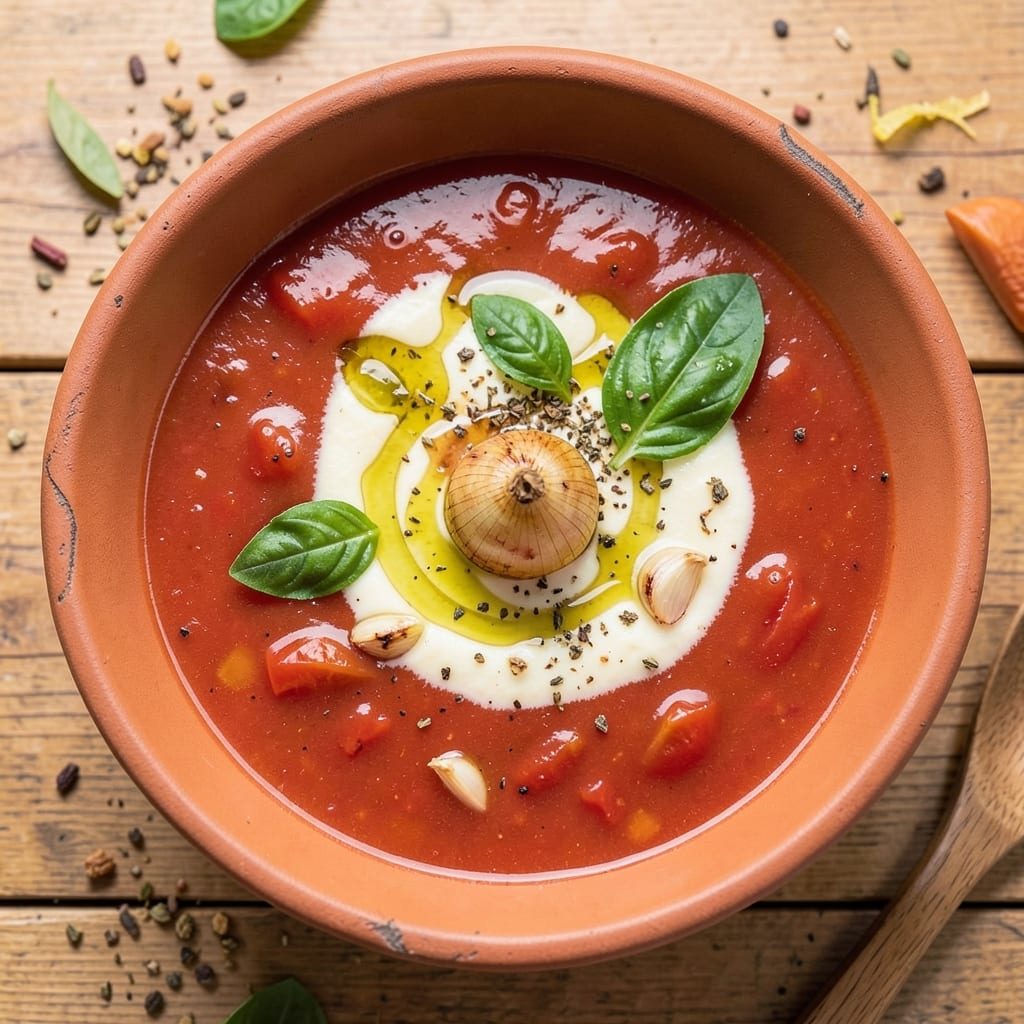
This authentic Italian tomato soup recipe brings the flavors of a Tuscan countryside kitchen to your pot—where sun-ripened tomatoes, aromatic garlic, and high-quality olive oil create a rustic, deeply satisfying broth. The secret lies in slow simmering to develop rich, caramelized flavors without blending, preserving the natural sweetness of quality tomatoes like San Marzano. I've perfected this version over years of testing, balancing tradition with home-cook practicality.
The beauty of this recipe is its simplicity: just a handful of ingredients that work together to create a soup that's both comforting and elegant. We'll build flavor by sautéing garlic in extra-virgin olive oil until it's fragrant but never burns—a critical step for authentic taste. The tomatoes simmer until their natural sugars concentrate, creating a velvety texture without needing heavy cream or flour.
What makes this version special is the optional al dente pasta twist, which transforms it from a light broth to a hearty meal. The pasta absorbs the flavorful broth while maintaining its bite, and a finishing touch of fresh basil and grated Parmesan adds brightness and depth. This is the kind of soup that warms both body and soul, perfect for chilly evenings or as a starter for Italian feasts.
Serve it with crusty bread for dipping or alongside grilled cheese sandwiches for the ultimate comfort food combination. The recipe scales beautifully, making it ideal for family dinners or meal prep. Let's create this classic Italian dish that tastes like home.
Ingredients for authentic italian tomato soup
Sun-ripened tomatoes, aromatic garlic, and extra-virgin olive oil form the heart of this rustic Italian tomato soup.
| Ingredient | Amount | Notes |
|---|---|---|
| San Marzano Tomatoes 🍅 | 28 oz | Whole, peeled, or crushed |
| Extra-Virgin Olive Oil 🫒 | ½ cup | High-quality, fruity variety |
| Garlic Cloves 🧄 | 4 cloves | Fresh, peeled, minced |
| Yellow Onion 🧅 | 1 whole | Medium, diced |
| Fresh Basil Leaves 🌿 | ¼ cup | Chopped, plus extra for garnish |
| Dried Oregano 🍃 | 1 tsp | Italian variety preferred |
| Kosher Salt 🧂 | 1 ½ tsp | Diamond Crystal preferred |
| Black Peppercorns 🌶️ | ½ tsp | Freshly cracked |
| Vegetable Broth 💧 | 1 ½ cups | Low-sodium preferred |
| Parmesan Cheese 🧀 | ½ cup | Freshly grated from block |
| Ditalini Pasta 🍝 | 4 oz | Small tubes, al dente |
| Red Wine Vinegar 🍷 | 1 tbsp | For brightness |
| Freshly Ground Black Pepper 🌶️ | ¼ tsp | To taste |
The San Marzano tomatoes are non-negotiable for authentic flavor—look for the plump, vibrant red cans at specialty stores like Whole Foods or Eataly. Their sweet, meaty texture and low acidity make them ideal for slow simmering. If using fresh tomatoes, vineside varieties like Roma hold up best during cooking. The extra-virgin olive oil should be cold-pressed and unfiltered—brands like Colavita or Bertolli deliver consistent quality. For garlic, cremini cloves add a deeper flavor than standard white garlic, but either works fine. Store your olive oil in a cool, dark place to preserve its fruity notes.
No San Marzano tomatoes? Crushed tomatoes in a high-quality jar (like Muir Glen) work in a pinch, though they lack the same depth. Substitute dried oregano with fresh oregano at half the amount if you prefer a brighter flavor. The Ditalini pasta can be swapped for small shells or orzo if you prefer different textures. For a vegetarian twist, omit the Parmesan and use nutritional yeast for a cheesy flavor without dairy. The red wine vinegar adds brightness—if unavailable, lemon juice works equally well. Fresh basil is ideal, but dried basil at one-third the amount keeps the recipe functional when fresh isn't available.
This soup develops deeper flavor over time, so simmering for at least 30 minutes is ideal. Store leftovers in an airtight container for up to 5 days in the refrigerator, where the flavors continue to meld. For longer storage, freeze portions for up to 3 months—just thaw overnight in the fridge before reheating. The pasta twist makes this a hearty meal, but the broth alone keeps beautifully for 4 days in the fridge, perfect for quick lunches. Garnish with extra basil and Parmesan just before serving to preserve freshness.
Why You'll Love This Recipe
- One-Pot Magic: I swear by this—just a pot, a knife, and 20 minutes later, you’ve got something that smells like Nonna’s kitchen. No blenders, no fancy gadgets, just good old-fashioned simmering with those sweet San Marzano tomatoes breaking down into velvety perfection.
- Garlic-Basil Kiss: That first spoonful? Chef’s kiss. The slow-cooked garlic mellows into something rich, while the fresh basil at the end adds a bright, herby punch—like a little Italian hug in a bowl. Honestly, the balance of flavors is what makes this soup feel like a restaurant dish, not a weeknight meal.
- Crowd-Pleaser Any Day: Between us, this soup works everywhere. Lazy Sunday brunch? Check. Quick dinner before the soccer game? Done. Even my picky teenager asks for seconds when I serve it with crusty bread. (Yes, even on a Tuesday night.)
- Budget-Friendly Pantry Hero: San Marzano cans might sound fancy, but they’re cheaper than fresh tomatoes and last forever. A few cloves of garlic, a splash of olive oil, and a handful of basil stretch this into multiple meals—plus, the leftovers taste even better the next day. My wallet and my freezer both thank me.
Step-by-step instructions for authentic Italian tomato soup with al dente pasta
This method delivers restaurant-quality Italian tomato soup with a rustic basil finish and perfectly cooked pasta.
🍳 Step 1: Sauté Aromatics Until Fragrant
Heat the 0.5 cup extra-virgin olive oil in a heavy-bottomed Dutch oven over medium-low heat. Add the 1 whole yellow onion and cook for 8-10 minutes until softened and translucent. Increase heat to medium and add the 4 cloves minced garlic, stirring constantly for 30 seconds until fragrant but not browned.
Here's the thing—cooking the onions slowly develops their natural sweetness, which forms the flavor base. If the garlic starts to brown too quickly, reduce heat immediately. You want aromatic, not bitter, flavors. The onions should be completely tender with no resistance when pierced with a fork.
🍳 Step 2: Build the Tomato Base
Add the 28 oz San Marzano tomatoes (whole, peeled, or crushed) to the pot. Stir well to combine with the onions and garlic. Sprinkle with 1.5 teaspoons kosher salt, 0.5 teaspoon black peppercorns, and 1 teaspoon dried oregano, then bring to a gentle simmer over medium heat.
Simmer uncovered for 20-25 minutes until the tomatoes break down into a thick, chunky sauce. Stir occasionally to prevent sticking. The sauce should reduce by about one-third, developing concentrated tomato flavor and a slightly thickened consistency. This slow reduction is crucial for authentic Italian flavor development.
🥘 Step 3: Add Broth and Seasoning
Pour in the 1.5 cups vegetable broth and the 1 tablespoon red wine vinegar. Stir well and continue simmering for another 10 minutes until the flavors meld. Taste and adjust seasoning—you may need to add more salt or pepper depending on your broth's saltiness.
The vinegar brightens the tomatoes and balances the acidity, while the broth adds depth. Here's where it gets authentic: the soup should have a rich, complex flavor with notes of sweetness from the onions, acidity from the vinegar, and herbal notes from the oregano. The texture should be thick but still spoonable, with visible tomato chunks.
🍳 Step 4: Cook the Al Dente Pasta
While the soup simmers, bring a separate pot of salted water to a rolling boil. Add the 4 oz ditalini pasta and cook according to package directions until 1 minute before al dente (about 8-10 minutes). Reserve ½ cup pasta water before draining.
Italian pasta cooks faster than American varieties, so don't overcook. The pasta should have a slight bite to it when bitten. The reserved pasta water is essential for adjusting the soup's consistency later. Drain the pasta but don't rinse—those starchy waters help bind the sauce.
🥘 Step 5: Combine and Finish with Basil
Add the drained pasta directly to the tomato soup. Stir gently to combine, then simmer together for 3-4 minutes to heat through. If the soup is too thick, add 1-2 tablespoons of reserved pasta water to reach your desired consistency.
Remove from heat and stir in the 0.25 cup chopped fresh basil leaves and 0.5 cup freshly grated Parmesan cheese. Let the soup sit for 5 minutes to allow the flavors to meld. Taste and adjust seasoning one final time, adding more salt, pepper, or vinegar as needed. The basil should infuse the soup with its bright, fresh aroma while the Parmesan adds umami depth.
🍽️ Step 6: Serve Immediately with Garnish
Ladle the soup into bowls and garnish each serving with an additional sprinkle of fresh basil leaves and freshly grated Parmesan cheese. Serve immediately while hot, with crusty bread on the side. The pasta should be al dente with a slight bite, and the soup should coat the back of a spoon with a velvety texture.
Authentic Italian tomato soup has a balance of sweet, sour, and savory flavors. Each spoonful should deliver rich tomato essence, herbal notes from the basil and oregano, and the umami punch from the Parmesan. The pasta adds substance while maintaining the soup's rustic character. Don't skip the fresh basil at the end—it's what elevates this dish from good to authentic.
Pro Tips For Making Authentic Italian Tomato Soup
- Sweat the Onion First: I learned this the hard way—chopping onions and tossing them raw into the pot just makes the soup taste raw. Instead, cook the finely diced yellow onion in olive oil over medium-low heat for 8-10 minutes until it’s soft, translucent, and just starting to caramelize. That slow cook transforms it from a sharp afterthought into a sweet, aromatic base.
- Crush the Tomatoes: Skip the blender if you want real Italian texture. After blanching and peeling your San Marzano tomatoes, crush them by hand with your fingers or the back of a knife—just enough to break the skins while leaving some chunky bits. This keeps the soup’s body and makes every bite more satisfying (yes, even if you’re impatient like me).
- Low and Slow for Depth: After adding the tomatoes, garlic, and basil, resist the urge to crank the heat. Simmer the soup uncovered at a gentle bubble for at least 30 minutes—sometimes longer if you’re using whole tomatoes. This lets the flavors meld and the acidity mellow, so you’re not left with a sharp, one-dimensional taste.
- Salt Late, Salt Right: Add salt only at the very end, after the soup has cooked down. Italian tomato soup relies on the natural sweetness of the tomatoes and the brightness of the basil, so over-salting early can make the flavors taste flat. A final pinch of flaky sea salt right before serving makes all the difference—trust the process.
Essential equipment for great authentic italian tomato soup
Dutch Oven Essentials
Your heavy-bottomed Dutch oven is non-negotiable for this recipe—it distributes heat evenly and prevents scorching. I recommend a 5-6 quart enameled cast iron like the Le Creuset Signature or Lodge Pre-Seasoned. The enameled version is easier to clean, while cast iron adds extra flavor development over time. Avoid nonstick Dutch ovens—they can't handle the prolonged simmering this soup requires. 🔥
Quality Olive Oil
Never skimp on extra-virgin olive oil—this is where authentic Italian flavor begins. Look for cold-pressed, unfiltered oils like Colavita Organic or Bertolli Classico. The best oils have a fruity, peppery finish and should be stored in a cool, dark cabinet (not above the stove). I measure 0.5 cup for this recipe, but keep an extra bottle on hand—you'll want it for everything from sautéing to drizzling.
Tomato Tools
For San Marzano tomatoes, invest in a canner or tomato crusher to process them efficiently. I use a OXO Good Grips can opener with a built-in tomato crusher—it's gentle on the tomatoes and prevents excessive seed separation. If using whole peeled tomatoes, a sharp chef's knife and cutting board are essential for opening them cleanly. For fresh tomatoes, a food mill creates the perfect chunky texture without seeds or skins.
Pasta Prep Gear
Cooking ditalini pasta properly requires a few key tools. Use a large, deep pot (at least 8 quarts) to prevent overflowing, and a fine-mesh pasta strainer like the OXO Good Grips to drain efficiently. For timing, a kitchen timer is crucial—set it for 1 minute before al dente to avoid overcooking. I also keep a small measuring cup handy to reserve ½ cup pasta water for adjusting consistency later.
Garnish Essentials
The finishing touches make all the difference. Use a microplane for freshly grated Parmesan—it yields more cheese with better texture than a box grater. For fresh basil, a sharp chef's knife and cutting board are perfect for chopping 0.25 cup leaves. I also keep tweezers handy for placing individual basil leaves as garnish—it looks more restaurant-worthy than sprinkling. A small bowl for holding garnishes keeps everything organized while plating.
Optional Upgrades
For flavor enthusiasts, consider a garlic press to mince 4 cloves quickly and evenly. A fine-mesh strainer helps remove excess garlic pulp if you prefer smoother texture. For those who love precision, a digital kitchen scale ensures accurate measurements of 4 oz pasta and 0.5 cup Parmesan. And if you're making this often, a large serving spoon with a heat-resistant handle makes ladling easier during family dinners. 💫
Nutrition facts
Frequently asked questions
Can I make this soup without San Marzano tomatoes?
Yes, but the flavor won't be as authentic. Use high-quality crushed tomatoes like Muir Glen or Roma tomatoes for fresh versions. For best results, choose tomatoes with low acidity and sweetness. If using canned tomatoes, look for brands without added salt or preservatives to maintain the authentic taste profile.
Why does the recipe call for simmering the tomatoes so long?
Simmering for 20-25 minutes develops deep, caramelized flavors by reducing the tomatoes' natural sweetness and concentrating their essence. This slow process creates the rich, velvety texture that defines authentic Italian tomato soup. Skipping this step results in a thinner, less flavorful broth.
Can I make this soup creamy without blending?
The recipe achieves creaminess through slow reduction and pasta absorption. For extra richness, stir in 2 tablespoons heavy cream or a splash of whole milk at the end. Alternatively, mash a few cooked pasta pieces into the soup while it simmers to thicken it naturally.
What's the best way to store leftovers?
Store in an airtight container in the fridge for up to 5 days. The flavors actually improve overnight! For freezing, portion into containers and freeze for up to 3 months. Thaw overnight in the fridge—never microwave directly from frozen. The pasta may soften slightly when reheated, so add a splash of water or broth to restore texture.
How do I adjust the recipe for dietary restrictions?
For gluten-free, use gluten-free ditalini or swap pasta for gluten-free alternatives. For dairy-free, omit the Parmesan or use nutritional yeast. Vegetarian? Keep it as-is—this recipe is already meat-free! For vegan, ensure your broth is vegetable-based and use vegan Parmesan. Always check labels on broths and cheeses for hidden ingredients.