
Soups & Stews
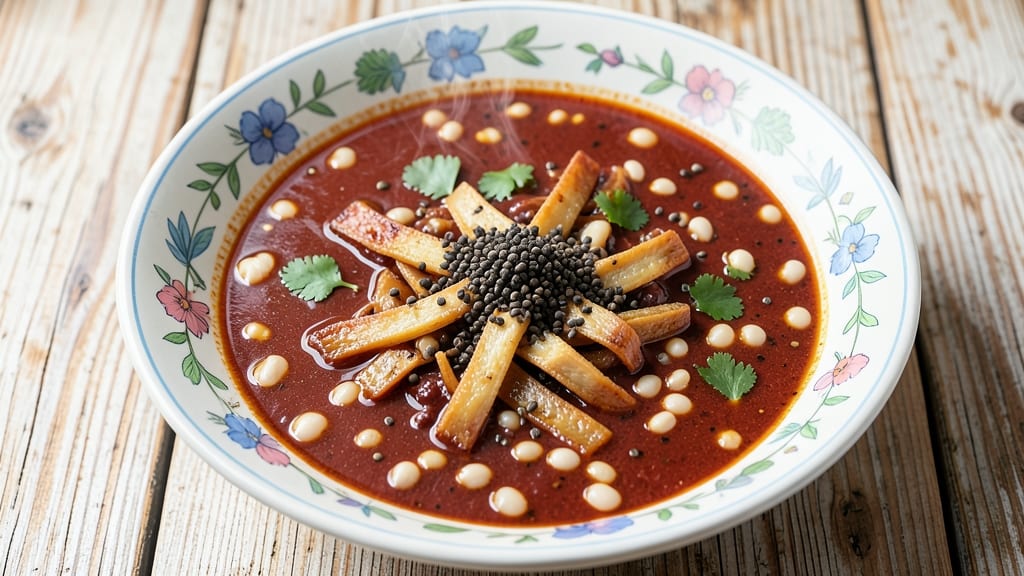
This authentic Mexican menudo soup recipe reveals the soul of tradition in every steaming bowl—where tender tripe and creamy hominy melt into a fragrant, spiced broth.
This one-pot recipe delivers the soul of Mexican street food, where achiote, cumin, and chili create layers of warmth that linger long after the last spoonful.
The beauty of menudo lies in its simplicity and bold flavors: tripe simmered until fall-apart tender, hominy adding a satisfying creaminess, and spices that balance heat with earthy depth.
It’s a dish rooted in Mexican culture, often enjoyed during cold months or as a restorative meal after illness—a true comfort in every spoonful.
What sets this recipe apart is the careful balance of technique and tradition. The tripe must be soaked properly, the broth reduced just enough to concentrate its depth, and the spices toasted to unlock their full aroma.
The result? A soup that’s rich, aromatic, and deeply satisfying, with every bite offering a taste of Mexico’s culinary heritage.
Serve it with warm tortillas, a side of salsa verde, and a sprinkle of fresh cilantro to elevate the experience. This isn’t just soup—it’s a meal that warms the body and soul.
Ingredients for authentic mexican menudo soup
Tripe, hominy, and spices unite for Mexico’s soul-warming broth—authentic flavors in every spoonful.
| Ingredient | Amount | Notes |
|---|---|---|
| Tripe (beef or pork, cleaned and trimmed) 🥩 | 2 lb | Soaked overnight in cold water |
| Dried Hominy (cannellini beans) 🌽 | 2 cups | Rinsed well before use |
| Achiote Paste 🌶️ | 2 tbsp | For vibrant color and flavor |
| Ground Cumin 🌿 | 2 tbsp | Toasted for depth |
| Dried Guajillo Chiles 🌶️ | 4 pieces | Stemmed and seeded |
| Ancho Chiles 🌶️ | 3 pieces | Stemmed and seeded |
| Dried Oregano 🍃 | 1 tbsp | Mexican variety preferred |
| Salt 🧂 | 1 tsp | Fine sea salt preferred |
| Black Pepper 🌶️ | ½ tsp | Freshly ground |
| Onion (yellow or white) 🧅 | 1 whole | Diced for flavor |
| Garlic Cloves 🧄 | 6 cloves | Minced for aroma |
| Lard or Vegetable Oil 🫒 | ½ cup | For browning tripe |
| Water 💧 | 8 cups | For simmering broth |
| Lime Juice 🍋 | 2 tbsp | Freshly squeezed |
| Cilantro (fresh) 🌿 | ½ cup | Chopped for garnish |
The tripe is the heart of this dish, so sourcing matters. Butcher shops or Mexican markets carry the best quality—look for cleaned, trimmed beef or pork tripe with vibrant color. Soaking it overnight in cold water removes impurities and tenderizes the texture. For the chiles, dried guajillo and ancho are essential—they provide the signature smoky depth. Toast them lightly in a dry pan to enhance their aroma before rehydrating. The achiote paste isn’t just for color; it adds a nutty, earthy richness that defines authentic menudo.
No dried hominy? Canned white beans or even chickpeas can substitute in a pinch, though they lack the creamy texture. Short on guajillo chiles? Ancho chiles alone work, but you’ll miss the slight heat and smokiness. The cumin should be toasted in the oil before adding to the broth—this unlocks its full flavor. Fresh cilantro is ideal, but dried cilantro at half the amount gets you close. The lime juice brightens the broth at the end, so don’t skip it—even just a splash makes a difference.
This soup tastes even better the next day as flavors meld. Store leftovers in an airtight container in the fridge for up to 5 days. For longer storage, freeze portions for up to 3 months. The tripe can be prepped ahead—soak and trim it a day in advance to save time. Garnish with fresh cilantro and lime wedges just before serving to preserve its vibrant color and aroma. Serve with warm tortillas and a side of salsa verde for the full experience.
Why You'll Love This Recipe
- I’ll be real: the first bite hits like a warm hug from your abuela. That achiote gives it a vibrant, earthy hue, while the lime juice at the end? Game-changer. The garlic and onion caramelize just enough to add sweetness, and the oregano lingers like a secret. The tripe, once tough, becomes tender with a chewy texture that hominy makes irresistibly creamy—like a meaty, spiced hug in a bowl.
- Here’s what sold me: tripe is cheap, hominy lasts forever, and dried chiles stretch into multiple meals. You’re spending pennies on ingredients that deliver restaurant-quality depth. Plus, feeding a crowd? This soup stretches easily—just double the water and tortillas for seconds. Your wallet and your taste buds both win.
Step-by-step instructions for authentic Mexican menudo soup
This traditional recipe delivers rich, spiced tripe and hominy in one comforting pot.
Prepare the Tripe and Aromatics
Drain the soaked tripe and rinse thoroughly under cold water. Cut the 2 lb tripe into 1-inch strips, removing any remaining silver skin. In a large Dutch oven, heat the ½ cup lard or vegetable oil over medium-high heat until shimmering. Add the tripe in batches, cooking for 3-4 minutes per side until it begins to brown and tighten—this removes impurities and develops flavor. Remove and set aside.
In the same pot, add the 1 diced onion and cook for 5 minutes until softened. Add the 6 minced garlic cloves and cook for 30 seconds until fragrant. Stir in the 2 tbsp ground cumin and 1 tbsp dried oregano, toasting for 1 minute until aromatic. This forms the flavor base for the entire soup.
Build the Spiced Chili Base
While the aromatics cook, prepare the chiles. Remove stems and seeds from the 4 dried guajillo chiles and 3 ancho chiles. Toast them in a dry skillet over medium heat for 30 seconds per side until fragrant. Transfer to a bowl, cover with hot water, and let soak for 10 minutes to soften. Blend with 1 cup of the soaking liquid until smooth.
Return the blended chiles to the Dutch oven and stir in the 2 tbsp achiote paste. Add the 8 cups water and bring to a boil. Reduce heat to medium-low and simmer for 15 minutes to meld the flavors. This step creates the rich, smoky foundation that defines authentic menudo.
Simmer the Tripe and Hominy
Return the browned tripe to the pot along with the 2 cups rinsed dried hominy. Add the 1 tsp salt and ½ tsp black pepper. Bring to a gentle simmer and cook uncovered for 1 hour 30 minutes, stirring occasionally. The tripe should become fork-tender and the hominy plump and creamy. Skim any foam that rises to the surface during cooking.
After 1 hour, check the tripe's tenderness by piercing with a fork. If it still offers resistance, continue simmering for another 15-30 minutes. The broth should reduce slightly, intensifying the flavors. This slow cooking transforms tough tripe into tender, flavorful bites.
Finish and Serve
Remove from heat and stir in the 2 tbsp freshly squeezed lime juice. Taste and adjust seasoning with additional salt if needed. Ladle the soup into bowls and garnish each serving with 1 tablespoon of the chopped ½ cup cilantro. The bright acidity of the lime and fresh cilantro cut through the richness of the spiced broth.
Serve immediately with warm tortillas and sliced radishes. The combination of tender tripe, creamy hominy, and aromatic broth creates a deeply comforting dish that captures the essence of Mexican home cooking. Each spoonful delivers layers of smoky, spiced flavor balanced by the bright finish.
Pro Tips For Making Authentic Mexican Menudo Soup
- TOAST THE CHILES RIGHT: Don’t rush the 30-second toast—those guajillo and ancho chiles need to smell like a smoky campfire, not burnt toast. I learned this the hard way when my first batch tasted bitter instead of rich. Toast them until fragrant, then soak immediately to soften.
- BROWN THE TRIPE IN BATCHES: Crowding the pot steams the tripe instead of browning it, and that’s when the soup turns out bland. Work in batches, 3-4 minutes per side, until it tightens and turns golden. Yes, it takes longer, but that’s how you get depth.
- SKIM THE FOAM AGGRESSIVELY: That foam rising during the simmer isn’t just bubbles—it’s bitterness waiting to happen. Use a fine-mesh skimmer or a slotted spoon to pull it off every 10 minutes. Trust me, your future self will notice the difference.
- USE THE LIME JUICE LAST: Adding lime too early will cook off its bright acidity, leaving you with flat flavor. Stir it in right at the end—just before serving—to wake up the whole dish. (And no, you can’t skip this, even if you’re impatient.)
Pro cooking tips for this recipe
Mastering Tripe Browning
Browning the tripe is where the magic begins—this step removes impurities and develops depth. Cook in batches over medium-high heat until it tightens and browns in 3-4 minutes per side.
I use a Lodge cast iron Dutch oven because it retains heat evenly. Don’t skip this step; it’s what gives menudo its rich, savory foundation. 🔥
Toasting Your Spices
Never skip toasting your 2 tbsp ground cumin and 1 tbsp dried oregano in the oil before adding to the broth. Toasting for 1 minute until fragrant unlocks their full aroma—this is what separates homemade menudo from store-bought versions.
I use a dry skillet for this step to avoid burning. The difference is noticeable!
Chili Blending Tricks
When blending your guajillo and ancho chiles with soaking liquid, aim for a smooth but slightly textured consistency. Over-blending creates a muddy broth, while under-blending leaves gritty chunks.
I use a high-speed blender like Vitamix—pulse in 3-second bursts until smooth but still slightly chunky. This adds body to the broth without sacrificing texture. 💫
The Foam Skimming Secret
During the first 30 minutes of simmering, foam will rise to the surface—this is normal but must be skimmed. Use a slotted spoon or fine-mesh skimmer to remove it.
Skimmed foam prevents a cloudy broth and ensures your menudo stays clear and vibrant. I do this every 5 minutes until the foam stops appearing.
Perfect Simmer Time
The 1 hour 30 minutes simmer is crucial—this is when the tripe transforms from tough to tender. I check tenderness after 1 hour by piercing a piece with a fork.
If it resists, keep cooking another 15-30 minutes. Patience here pays off with fork-tender tripe. The broth should reduce slightly, intensifying the flavors. 💡
Nutrition facts
Frequently asked questions
Why does the tripe need to be soaked overnight?
Soaking the 2 lb tripe overnight in cold water removes impurities and tenderizes the tough fibers. This step ensures the tripe cooks evenly and absorbs flavors better during simmering. Skipping it can leave the tripe chewy and less flavorful.
Can I substitute dried hominy with canned beans?
Yes, but the texture won’t be the same. Canned white beans or chickpeas can work in a pinch, but dried hominy provides a creamier mouthfeel. For best results, rinse canned beans thoroughly to remove excess sodium. The flavor will be closer but not identical.
How do I adjust the spice level if I'm sensitive to heat?
Remove the seeds from the guajillo and ancho chiles before blending to reduce heat. You can also blend just the ancho chiles without the guajillo for a milder version. Taste as you go and add lime juice gradually to balance flavors.
Is it necessary to skim the foam during cooking?
Yes! Skimming foam in the first 30 minutes prevents a cloudy broth and ensures clarity. Use a slotted spoon to remove it every 5 minutes. This step keeps your menudo looking and tasting its best.
What’s the best way to reheat leftovers?
Gently reheat on the stovetop over low heat, stirring occasionally. Avoid microwaving as it can make the tripe rubbery. If reheating frozen portions, thaw overnight in the fridge first. The flavors deepen after resting, so enjoy within 5 days for best results.