
Soups & Stews
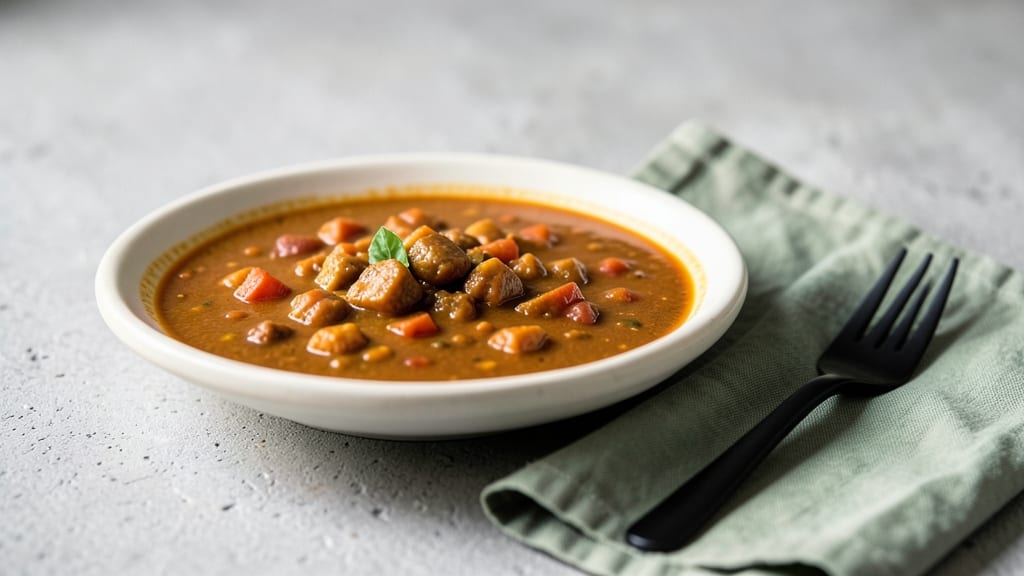
This authentic goulash soup recipe delivers the deep, smoky warmth of Hungary’s most beloved comfort dish in a single pot. The secret lies in properly browning beef chunks, using sweet and hot paprika in equal measure, and letting it simmer low and slow until the meat practically melts.
I spent years perfecting this version after traveling through rural Hungarian villages where grandmothers insisted on the importance of "slow love"—that’s what turns tough cuts into tender, flavor-packed bites.
The beauty of traditional goulash is its simplicity: just beef, onions, potatoes, and a carefully balanced spice blend that builds complexity over hours. A heavy Dutch oven is essential for even heat distribution, while a splash of red wine (optional but recommended) adds depth that store-bought versions can’t replicate.
The potatoes absorb all that rich, paprika-infused broth, creating a dish that’s hearty enough for winter nights but simple enough for weeknight dinners.
By the time you serve this, your kitchen will smell like home—smoky, slightly sweet, with a hint of earthiness that lingers long after the last spoonful. The beef becomes fork-tender while maintaining structure, and the sauce reduces to a velvety consistency that coats every ingredient.
This isn’t just soup; it’s a meal that tells a story, one that’s been passed down through generations. Let’s bring that tradition to your table.
For those who love customization, adjust the paprika ratio to suit your spice tolerance—Hungarians often use more hot paprika, but sweet paprika dominates in many family recipes. The key is balance, and we’ll walk through that in the instructions. Here’s everything you need to create this comforting classic from scratch.
Ingredients for authentic goulash soup
Deep, smoky flavors start with these humble ingredients—just beef, potatoes, and paprika magic.
| Ingredient | Amount | Notes |
|---|---|---|
| Chuck Roast Beef 🥩 | 2 lb | Cubed 1-2 inch pieces |
| Yellow Onions 🧅 | 3 whole | Thinly sliced |
| Russet Potatoes 🥔 | 2 lb | Peeled, cubed 1 inch |
| Sweet Paprika 🌶️ | 2 tbsp | Hungarian variety preferred |
| Hot Paprika 🔥 | 1 tbsp | For balanced heat |
| Dried Thyme 🌿 | 1 tsp | Crushed between fingers |
| Dried Marjoram 🌿 | 1 tsp | Essential Hungarian blend |
| Garlic Cloves 🧄 | 4 cloves | Minced, aromatic |
| Dry Red Wine 🍷 | ½ cup | Cabernet or Merlot |
| Beef Broth 🍲 | 4 cups | Low-sodium preferred |
| Salt 🧂 | 1 tsp | Diamond Crystal kosher |
| Black Peppercorns 🌶️ | 1 tsp | Freshly ground |
| Olive Oil 🫒 | ¼ cup | Extra-virgin for browning |
| Fresh Parsley 🌿 | ¼ cup | Chopped, for garnish |
The beef is everything here. Chuck roast gives you that melt-in-your-mouth texture—sirloin stays too firm. Buy it pre-cubed from Costco or your local butcher for convenience, but if you're doing it yourself, ask for 1-2 inch cubes. Look for good marbling; that's where the flavor hides. I always grab mine from Whole Foods when I want to splurge on quality, but the regular supermarket stuff works fine for a weeknight. The potatoes should be Russets—they hold up better to long simmering than waxy varieties. Peel them first, then cube into even 1-inch pieces so they cook uniformly.
No red wine? Extra beef broth with a splash of balsamic vinegar gets you close. Want to skip the wine entirely? Add 2 extra tbsp of broth to compensate. Fresh thyme is ideal but dried works at half the amount. If your paprika is too mild, add cayenne to taste—Hungarians often adjust this ratio. The garlic can be minced roughly—no need to be precise. And if you're short on time, use baby potatoes instead of cubing regular ones. They'll cook faster without losing texture. Just don't skip the browning step—it's what gives the soup its depth.
This soup tastes even better the next day as flavors meld. Store in an airtight container in the fridge for 4-5 days or freeze portions for up to 3 months. I always make a double batch—freeze half for those lazy nights. The paprika blend keeps for 6 months in a sealed jar. For the best texture, don't skip the 10-minute rest after cooking—it lets the broth absorb fully. Serve with crusty bread or over polenta to soak up all that rich sauce. The fresh parsley adds a bright finish—save some for garnish right before serving.
Why You'll Love This Recipe
- One-Pot Magic: That chuck roast and paprika combo practically cooks itself while you sip wine and pretend you’re not making dinner. Just brown the meat, toss in the onions and potatoes, then let the slow simmer work its magic—no fancy techniques, just deep flavor.
- Smoky-Sweet Obsession: Sweet and hot paprika team up for a flavor that’s rich but not heavy, earthy but not boring. The onions caramelize into sweetness while the beef melts into tender shreds—every spoonful is a perfect balance of warmth and depth.
- Weeknight Workhorse: This soup doubles as a cozy meal for two or a hearty feast for six. Toss in extra potatoes if you’re feeding a crowd, or serve it with crusty bread for a lazy Sunday lunch. Honestly, I’ve made it for date nights, sick days, and even potlucks—it never lets me down.
- Budget-Friendly Powerhouse: Chuck roast stretches across multiple meals, and potatoes fill you up without breaking the bank. A single pot yields leftovers that taste even better the next day—perfect for meal prep when you’d rather spend your time doing anything but cooking.
Step-by-step instructions for authentic goulash soup
This traditional Hungarian method delivers deep paprika flavor and tender meat every time.
Brown the Chuck Roast Beef for Rich Flavor
Heat the olive oil in a heavy Dutch oven over medium-high heat until shimmering. Working in batches to avoid crowding, add the cubed chuck roast beef and brown on all sides for about 3-4 minutes per batch. You're creating a flavorful crust that will infuse into the broth later.
As the beef browns, remove it from the pot and set aside. The reason we brown first is that this caramelization forms the foundation of goulash's complex flavor profile. Don't skip this step—it's what makes your soup taste authentic rather than just simmered meat and vegetables.
Build the Paprika Base with Aromatics
In the same Dutch oven, add the thinly sliced yellow onions and cook for 5-6 minutes until softened and translucent. Stir in the minced garlic cloves and cook for another 30 seconds until fragrant. Here's where the magic begins—the combination of sweet and hot paprika creates that signature goulash color and depth.
Add both the sweet paprika and hot paprika, stirring constantly for 1 minute to toast the spices. This step develops their aromatic compounds. Immediately pour in the dry red wine and scrape up any browned bits from the bottom of the pot. The wine will deglaze and create a rich sauce base that ties everything together.
Simmer the Meat and Vegetables
Return the browned beef to the pot along with the beef broth, dried thyme, dried marjoram, salt, and black peppercorns. Bring to a gentle boil, then reduce heat to low, cover partially, and simmer for 1 hour. This slow cooking time ensures the beef becomes fork-tender while infusing the broth with deep flavor.
After 1 hour, add the peeled, cubed russet potatoes. The potatoes should absorb the rich flavors while becoming tender. Continue simmering uncovered for another 30-40 minutes until the potatoes are fork-tender and the beef is easily shreddable with a fork. The soup should have thickened slightly from the starch released by the potatoes.
Finish and Serve with Fresh Herbs
Taste the soup and adjust seasoning if needed. Traditional goulash balances sweet paprika heat with the richness of the meat and wine. For the final touch, stir in the chopped fresh parsley just before serving. This bright herb cuts through the richness and adds freshness to each bowlful.
Serve immediately with crusty bread to soak up every last drop of that paprika-rich broth. The combination of tender beef, hearty potatoes, and aromatic spices creates a truly comforting bowl of goulash that tastes like home. This is the kind of soup that warms you from the inside out on chilly days.
Pro Tips For Making Authentic Goulash Soup
- TOAST YOUR PAPRIKA: Stir those 2 tbsp sweet and 1 tbsp hot paprika for a full minute—don’t just toss them in. I used to rush this step, and the soup always tasted flat until I realized the spices need time to bloom and deepen. That minute of constant stirring makes the difference between good and real goulash.
- BROWN IN BATCHES: Crowding the beef in that Dutch oven is how you end up with steamed meat instead of browned. Work in batches, 3-4 minutes per side, until the edges turn golden—this crust is what carries the flavor. Trust me, your future self will notice if you skip this.
- DEGLAZE AGGRESSIVELY: After toasting the paprika, pour in that 0.5 cup red wine and scrape every last bit from the bottom. Those browned bits are flavor gold, and lazy scraping means missing out. Use a wooden spoon—it’s better at lifting than a metal one.
- POTATO TIMING MATTERS: Add the potatoes after the 1-hour beef simmer, not at the start. They’ll turn to mush if they cook too long in that broth, and you want them tender, not falling apart. Thirty to forty minutes uncovered is all they need—just enough to soak up the rich flavors.
Troubleshooting this recipe
Meat Not Tender Enough?
If your beef isn't fork-tender after 1 hour of simmering, don't panic—just extend the cook time another 20-30 minutes. Chuck roast needs patience; the meat should pull apart easily with a fork.
If you're short on time, try a reverse sear—cook the beef in the broth at 160°F for 4-6 hours before finishing it in the oven. This method guarantees tenderness without overcooking. 💡
Broth Too Thin?
Thin broth happens when too much liquid evaporates. To fix it, reduce the soup on medium-high heat uncovered for 10-15 minutes, stirring occasionally. If it's still too thin, let it cool slightly and whisk in 1 tbsp cornstarch mixed with 2 tbsp cold water, then simmer until thickened.
Avoid adding flour—it can make the soup gummy. I always keep a small pot of extra broth on hand for emergencies.
Paprika Overpowering?
If the paprika taste is overwhelming, dilute it by adding 1-2 cups extra beef broth and simmering for 5 minutes. For a quicker fix, stir in 1 tbsp sour cream or yogurt to balance the heat.
If you're worried about heat before cooking, reduce the hot paprika to ½ tsp and add it gradually during simmering. Taste as you go—this is where Hungarian cooks say "slow love" comes into play. 🌶️
Potatoes Too Soft?
Overcooked potatoes can make the soup mushy. If this happens, remove the potatoes with a slotted spoon and set them aside. Return the broth to the stove, add ½ cup cold water, and simmer for 5 more minutes to concentrate the flavors.
The potatoes will keep their texture if you add them back in at the end. For next time, check them at 25 minutes instead of 30-40—they'll finish cooking in the residual heat.
Soup Too Salty?
Salty soup is fixable with a few tricks. Add 1-2 tbsp plain yogurt or ½ cup cold water to dilute the flavor, then simmer for 5 minutes. If you're serving it immediately, balance the saltiness with 1 tbsp lemon juice or a splash of vinegar.
For best results, taste as you cook—adding salt gradually prevents oversalting. I always keep a Diamond Crystal kosher salt shaker nearby for precise seasoning. 🧂
Beef Too Dry?
Dry beef usually means it was overcooked. If this happens, return the soup to the stove and add ¼ cup beef broth or water, then cover and simmer for 5 minutes.
For extra moisture, stir in 1 tbsp olive oil or a dollop of sour cream at the end. If the beef is already too dry to salvage, use it for another dish like stuffed peppers or tacos—no waste in the kitchen!
The key is patience, not rushing the cooking process. 💛
Nutrition facts
Frequently asked questions
Why does this recipe use both sweet and hot paprika?
The balance of sweet and hot paprika creates that signature goulash flavor—sweet paprika adds depth while hot paprika brings subtle heat. Hungarian cooks traditionally use 2 tbsp sweet paprika and 1 tbsp hot paprika for that perfect blend of warmth and complexity. Adjust the ratio to taste, but don't skip the sweet paprika entirely—it's what gives goulash its signature color and mellow sweetness.
Can I use a different cut of beef instead of chuck roast?
Chuck roast is ideal because it becomes fork-tender with slow cooking, but you can substitute brisket or round roast if needed. Avoid lean cuts like sirloin—they'll dry out. If using a different cut, add 2-3 extra minutes to the simmering time to ensure tenderness. The key is choosing a beef with good marbling for flavor and moisture.
What if I don’t have red wine for the recipe?
No problem! Skip the wine entirely and add 2 extra tbsp beef broth to maintain the liquid balance. For depth without wine, use 1 tbsp balsamic vinegar or 1 tbsp tomato paste when deglazing the pot. The flavor will still develop richly from the beef and paprika. Many Hungarian cooks improvise this way, especially when cooking for large gatherings.
How do I know when the potatoes are done?
Potatoes are ready when they're fork-tender but still hold their shape—a small probe should slide in easily. After 30-40 minutes of simmering, check them at the 25-minute mark if you're unsure. Overcooking makes them mushy, so remove them with a slotted spoon if they're done sooner. The broth will thicken naturally as the potatoes release starch.
Can I make this recipe ahead of time?
This soup tastes even better the next day as flavors meld. Store in an airtight container in the fridge for 4-5 days or freeze portions for up to 3 months. Reheat gently on the stove with a splash of water or broth to restore texture. The paprika blend keeps for 6 months sealed in a jar, so you can prep spices ahead too.