
Soups & Stews
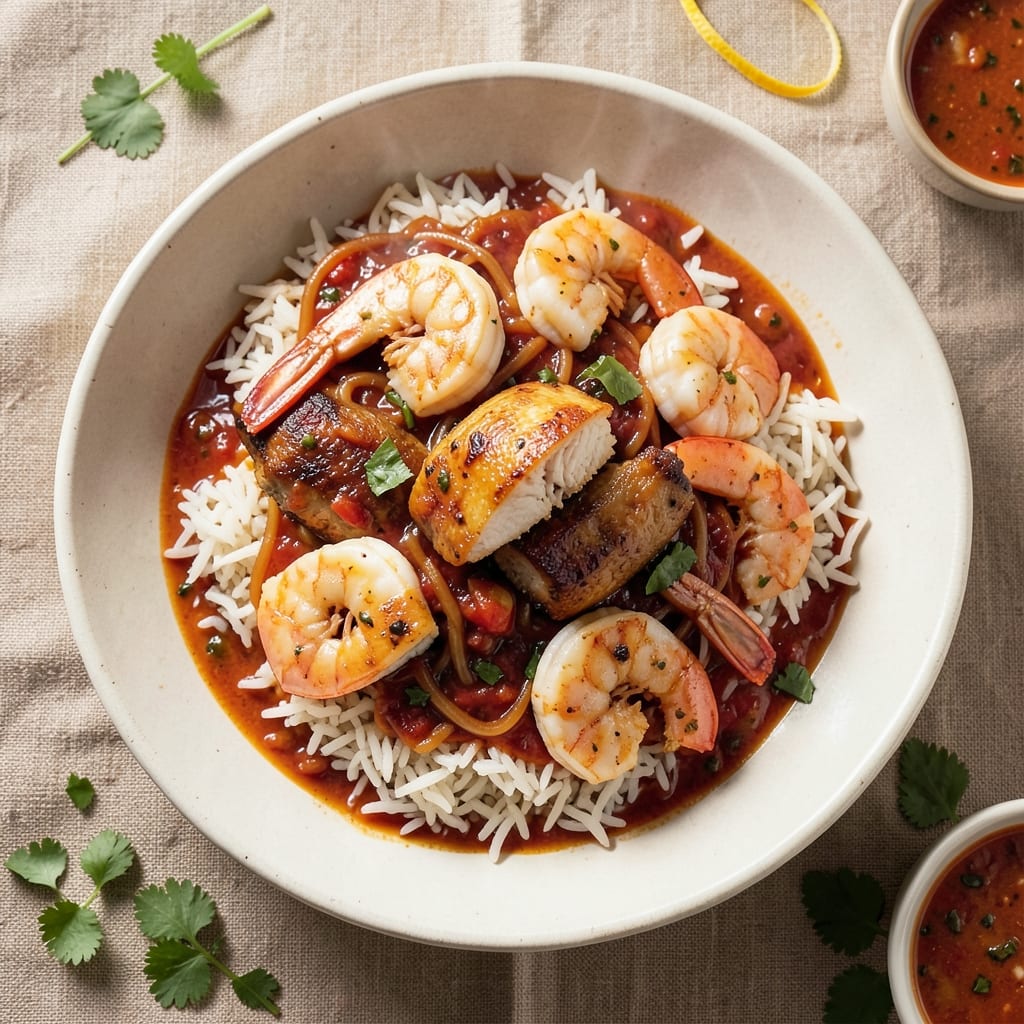
This Asopao soup recipe brings the rich, comforting flavors of Puerto Rico to your kitchen with its signature blend of tender protein, fragrant rice, and aromatic broth. 🌟 The key to mastering this dish lies in balancing the rice-to-liquid ratio and slow simmering, which transforms simple ingredients into a hearty, flavorful stew that tastes like home. Whether you choose chicken or seafood, the result is always a deeply satisfying meal that pairs perfectly with crusty bread or a simple side salad.
The beauty of Asopao lies in its versatility—each region of Puerto Rico has its own twist, but the foundation remains the same: long-grain rice cooked in a flavorful broth until tender and absorbed, paired with protein that becomes melt-in-your-mouth tender. The secret to achieving perfect texture is patience; letting the soup simmer low and slow ensures the rice absorbs the broth just right, creating a dish that’s both hearty and elegant. This recipe delivers restaurant-quality results with a method that’s approachable for home cooks.
What makes this recipe stand out is its ability to bring people together—whether it’s a family gathering, a celebration, or a cozy weeknight dinner. The aroma of cumin, sofrito, and simmering protein fills the kitchen, while the final dish delivers layers of flavor with every spoonful. The rice should be tender yet firm, the broth rich and aromatic, and the protein falling apart effortlessly. This is the kind of meal that leaves everyone asking for seconds.
Ready to create a dish that’s as much about tradition as it is about taste? This Asopao soup recipe is your guide to mastering a Puerto Rican classic that’s both comforting and impressive. Let’s get started on a meal that will become a staple in your cooking repertoire.
Ingredients for asopao soup
Long-grain rice, tender seafood, and aromatic spices create this Puerto Rican classic.
| Ingredient | Amount | Notes |
|---|---|---|
| Long-Grain White Rice 🍚 | 1 ½ cups | Uncooked, rinsed thoroughly |
| Firm White Fish 🐟 | 1 ½ lb | Cod or snapper preferred |
| Shrimp 🦐 | 1 lb | Peeled, deveined, tail-on |
| Chicken Thighs 🍗 | 1 ½ lb | Bone-in, skin-on preferred |
| Tomato Sauce 🍅 | 14 ½ oz | Canned, San Marzano preferred |
| Sofrito 🥬 | 1 cup | Homemade or store-bought |
| Chicken Broth 💧 | 4 cups | Low-sodium preferred |
| Ground Cumin 🌿 | 1 tbsp | Toasted for deeper flavor |
| Ground Coriander 🌿 | 1 tbsp | Freshly ground preferred |
| Garlic Cloves 🧄 | 6 cloves | Minced for sofrito |
| Olive Oil 🫒 | ½ cup | Extra-virgin for richness |
| Salt 🧂 | 1 ½ tsp | Diamond Crystal preferred |
| Black Pepper 🌶️ | ½ tsp | Freshly ground preferred |
| Bay Leaves 🍃 | 2 whole | Dried, removed before serving |
| Fresh Cilantro 🌿 | ¼ cup | Chopped, for garnish |
The foundation starts with San Marzano tomato sauce—its natural sweetness balances the dish perfectly. Trader Joe's carries it in cans, or look for it at Latin markets. For the sofrito, homemade is ideal (bell peppers, onions, tomatoes, garlic), but Goya or La Preferida brands work in a pinch. The rice-to-liquid ratio is critical—1.5 cups uncooked rice to 6 cups total liquid (broth + tomato sauce) ensures perfect absorption. If you can't find firm white fish, shrimp alone works beautifully—just add a splash of lime juice at the end for brightness.
No chicken broth? Vegetable broth with a chicken bouillon cube gets you close. Prefer seafood-only? Skip the chicken thighs entirely—add another pound of shrimp or clams. The cumin and coriander are non-negotiable for authentic flavor, but if you're short on time, 1 tbsp of Goya Sazón con Culantro (a Puerto Rican seasoning blend) works as a shortcut. For the fish, cod or snapper hold up best, but tilapia or mahi-mahi are budget-friendly alternatives. The key is to use fresh, firm fish—never frozen unless completely thawed.
This soup tastes even better the next day as flavors meld. Store in an airtight container for up to 3 days in the fridge or 3 months frozen. For reheating, add a splash of broth or water to prevent drying. The rice will firm up slightly—just stir in a bit more liquid as needed. Garnish with fresh cilantro right before serving, as it wilts quickly. Leftovers make fantastic lunches—pack with extra bread for a complete meal.
Why You'll Love This Recipe
- One-Pot Magic: I swear by this recipe—just toss everything into a pot, simmer, and walk away. No fancy techniques, no stress. The rice soaks up all the fishy, garlicky, tomato-rich broth while the chicken and shrimp cook right in it. Honestly, I’ve made it while scrolling through my phone.
- Tomato-Garlic Hug: That tomato sauce, when caramelized with onions and garlic, becomes the soul of this dish. It’s sweet, tangy, and clings to every bite of fluffy rice and tender shrimp. Between us, the first spoonful is always the best.
- Leftovers That Don’t Suck: Unlike most soups that turn sad the next day, asopao actually improves. The flavors meld even more, and the rice gets that perfect chewy texture. I make a double batch on Sundays—it’s my secret for easy lunches all week.
- Budget-Friendly Feast: Fish, shrimp, and chicken? For the price of one takeout meal. The long-grain rice stretches the broth, and you can swap proteins based on sales. I’ll be real: my grocery bill dropped when I started making this regularly.
Step-by-step instructions for Puerto Rican Asopao soup
This hearty stew delivers restaurant-quality texture and flavor with precise timing and layering.
🍳 Step 1: Sauté Aromatics and Brown the Chicken
Heat the 0.5 cup olive oil in a large, heavy-bottomed pot over medium heat. Add the 6 cloves minced garlic cloves and cook for 30 seconds until fragrant but not browned—this prevents bitterness. Immediately add the 1 tbsp ground cumin and 1 tbsp ground coriander, stirring constantly for 1 minute to toast the spices and release their aromas.
Push the spices to one side of the pot and add the 1.5 lb chicken thighs, skin-side down. Cook for 5-6 minutes until the skin is golden brown and crispy. Flip the thighs and cook for another 3 minutes until they reach 165°F internally. Remove the chicken and set aside on a plate, leaving the rendered fat in the pot. This fat becomes the flavor base for your asopao.
🍳 Step 2: Build the Sofrito Base and Layer the Rice
Add the 1 cup sofrito to the pot and cook for 2 minutes until the raw vegetable flavor mellows. Pour in the 14.5 oz tomato sauce and stir, scraping up any browned bits from the bottom of the pot. This deglazing captures all the chicken flavor you worked so hard to develop.
Bring the mixture to a gentle boil, then add the 1.5 cups long-grain white rice, stirring to coat each grain evenly. Pour in the 4 cups chicken broth and add the 1.5 tsp salt, 0.5 tsp black pepper, and 2 whole bay leaves. The rice should be submerged by about ½ inch—this ensures perfect absorption without burning. Reduce heat to low and let it simmer undisturbed for 15 minutes.
🥘 Step 3: Add Seafood and Simmer to Perfection
After 15 minutes, gently fold in the 1.5 lb firm white fish (cut into 1-inch chunks) and 1 lb shrimp (left whole). The fish should be added first—it cooks faster than the shrimp and rice. Cover the pot and simmer for 10-12 minutes until the rice is tender but still has a slight bite (al dente). The fish should flake easily with a fork, and the shrimp should turn pink and opaque.
Here's the thing—don't peek or stir during this time. The rice needs to develop its own texture without being disturbed. If the liquid seems insufficient, add ½ cup hot chicken broth at the 10-minute mark to prevent burning. The final result should have a creamy, risotto-like consistency with distinct grains.
⏰ Step 4: Rest and Garnish for Maximum Flavor
Remove the pot from heat and let it rest, covered, for 5 minutes. This resting period allows the rice to finish absorbing any remaining liquid and the flavors to meld completely. Before serving, remove the 2 bay leaves and discard them—they've done their job.
Garnish each serving with 0.25 cup chopped fresh cilantro and serve immediately with warm crusty bread. The broth should be rich and flavorful, the rice perfectly tender with a slight chew, and the seafood cooked just to the point of tenderness. Each bite should deliver layers of smoky sofrito, sweet tomato, and aromatic spices balanced by the briny seafood.
Pro Tips For Making Asopao Soup
- SOAK THE RICE RIGHT: I used to skip this, but soaking long-grain rice in warm water for 20 minutes first cuts cooking time by half and prevents gummy texture. Trust me—this isn’t just about speed; it’s the thing that makes the rice actually fluffy instead of gluey when mixed with the broth.
- SEAR CHICKEN FIRST: Brown the chicken thighs in batches before adding anything else—this locks in flavor and keeps the meat from turning rubbery later. Skip the crowding; give them space so they crisp up instead of steam. (Yes, even if you’re impatient like me.)
- CHECK SHRIMP DONENESS FAST: Shrimp in asopao should turn opaque in 2-3 minutes max—any longer and they’ll get tough. Toss them in last and pull them out as soon as they curl. Overcooking is the fastest way to ruin the dish, and no one wants sad, chewy shrimp in their soup.
- USE TOMATO SAUCE SPARINGLY: Start with half the amount called for and taste as you go. Canned tomato sauce can make asopao taste flat if overused—balance it with a splash of broth or a pinch of sugar to brighten the acidity. (I learned this the hard way after making a batch that tasted like ketchup.)
Perfect pairings for this asopao soup
Crusty Bread Pairing
Nothing complements Asopao like warm, crusty Puerto Rican pan de agua or a baguette slathered with garlic butter. The bread soaks up the rich broth beautifully while providing a satisfying contrast to the tender seafood and rice. For extra authenticity, try tostones (twice-fried green plantains) on the side—their crispy texture balances the soup's creaminess. 🥖
Citrus Brightness
A squeeze of lime or orange juice right before serving cuts through the richness and adds a refreshing zing. I like to serve a lime wedge on each bowl so guests can adjust to their taste. For a more elegant touch, garnish with cilantro and lime zest—this combination is a classic in Puerto Rican cuisine. The acidity also helps balance the smoky cumin and coriander notes.
Spicy Mojo Sauce
For those who love heat, serve a side of mojo sauce—a Puerto Rican condiment made with olive oil, garlic, oregano, and a touch of vinegar. Mix 3 tbsp olive oil, 2 minced garlic cloves, 1 tsp dried oregano, 1 tbsp white vinegar, and a pinch of salt. Drizzle it over the soup or use it to moisten the bread. The sauce adds an extra layer of complexity that pairs perfectly with the seafood. 🌶️
Simple Side Salad
A light mangó salad or avocado salad with a lime vinaigrette provides a refreshing contrast to the hearty Asopao. Toss 1 cup diced mango or avocado with 1 tbsp olive oil, 1 tbsp lime juice, salt, and chopped cilantro. The sweetness of the fruit balances the savory, spicy, and umami flavors of the soup, making each bite even more satisfying.
Coffee or Coconut Drinks
Finish the meal with a strong Puerto Rican coffee like café con leche or a coconut water for a lighter option. The bitterness of the coffee cleanses the palate after the rich soup, while coconut water adds a refreshing, hydrating contrast. For a festive touch, serve piña colada (made with rum, coconut cream, and pineapple) for a tropical twist that complements the seafood flavors. ✨
Nutrition facts
Frequently asked questions
Can I make Asopao without chicken?
This dish is incredibly versatile. For a seafood-only version, simply omit the chicken thighs and use 2.5 lb of shrimp or firm white fish instead. The key is maintaining the same rice-to-liquid ratio (1.5 cups rice to 6 cups liquid) to ensure perfect texture. Add the seafood in the final 10-12 minutes of cooking to prevent overcooking.
Why does my Asopao rice turn mushy?
Mushy rice usually happens from one of two things: too much liquid or stirring too often. The rice should be submerged by about ½ inch—never fully covered. Also, avoid stirring during the final 15-20 minutes of cooking. If it seems dry, add ½ cup hot broth instead of stirring. Use a heavy-bottomed pot to prevent burning at the bottom.
How do I make homemade sofrito for Asopao?
Homemade sofrito is worth the effort! Sauté 1 large onion, 1 red bell pepper, and 4 garlic cloves in 2 tbsp olive oil until soft (5-7 minutes). Add 1 cup chopped tomatoes and cook until broken down (5 minutes). Let cool, then blend until smooth. Store in an airtight container for up to 3 days or freeze for 3 months.
Can I prepare Asopao ahead of time?
This dish actually tastes better the next day! Let it cool completely, then store in an airtight container in the fridge for up to 3 days. Reheat gently on the stove with a splash of broth or water. For freezing, portion into individual servings and freeze for up to 3 months. Thaw overnight in the fridge before reheating.
What's the difference between Asopao and Arroz con Gandules?
While both are Puerto Rican rice dishes, they're quite different. Asopao is a soup-stew with seafood or chicken in a tomato-based broth, while Arroz con Gandules is a rice-and-beans dish cooked with sofrito and often served with meat. Asopao has a richer, creamier texture from the broth, while Arroz con Gandules is lighter and more like a pilaf. They serve different purposes—Asopao is a hearty main course, while Arroz con Gandules often accompanies meats.