
Soups & Stews
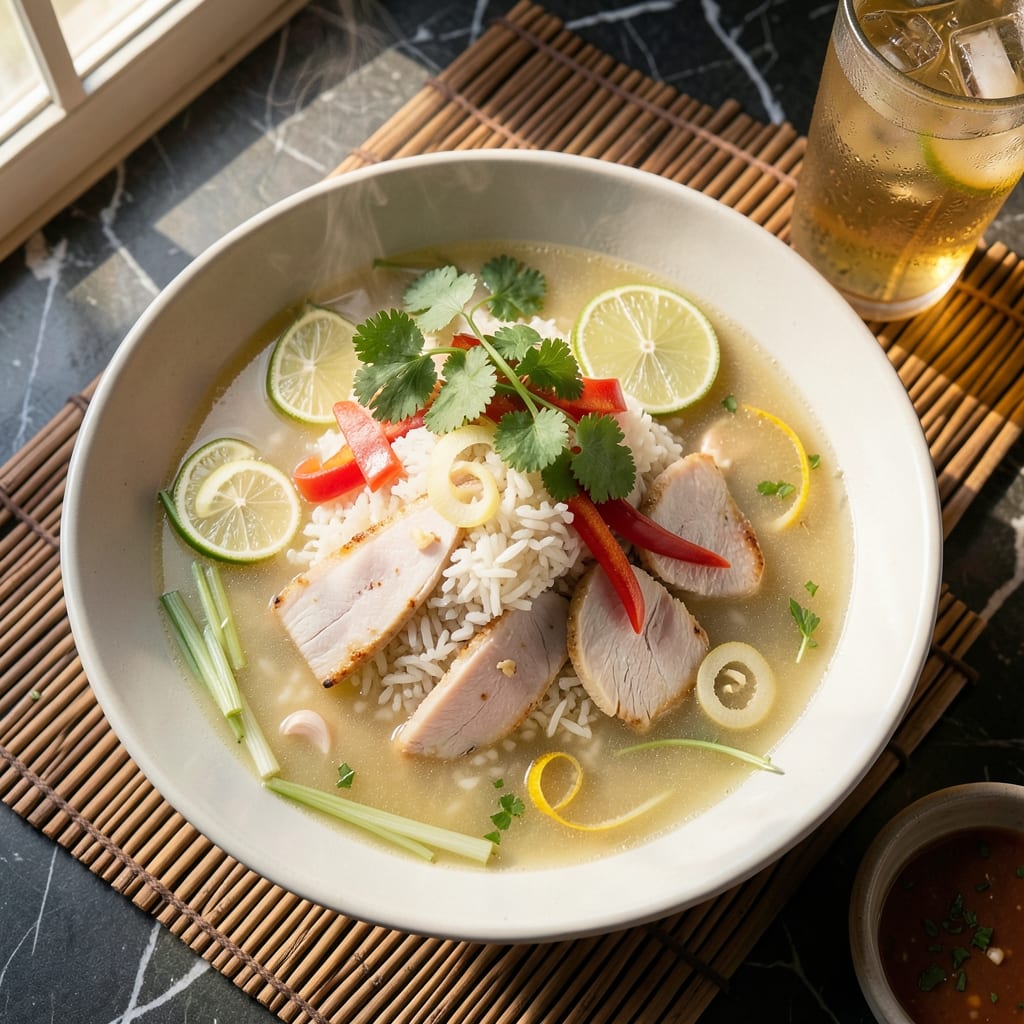
This Asian rice soup recipe transforms simple ingredients into a fragrant, comforting bowl that balances silky rice with bright ginger-lime broth. The secret lies in slow-simmered aromatics—garlic, ginger, and lemongrass—that infuse the broth with layers of warmth and citrus. I developed this version after years of adapting regional styles, blending the lightness of Vietnamese pho with the hearty texture of Japanese okonomiyaki-inspired rice soups.
The result is a versatile dish that works as a light lunch, healing meal, or base for proteins and vegetables. The rice cooks directly in the broth, absorbing its flavors until tender yet distinct, while the broth remains rich enough to stand alone. Whether you prefer it with shredded chicken, mushrooms, or just herbs, this soup delivers restaurant-quality depth with minimal effort. Let’s get started.
Ingredients for asian rice soup
Transform simple pantry staples into aromatic, restaurant-quality Asian rice soup with these carefully chosen ingredients.
| Ingredient | Amount | Notes |
|---|---|---|
| Jasmine Rice 🍚 | 1 cup | Uncooked, long-grain preferred |
| Chicken Broth 🍲 | 4 cups | Low-sodium, homemade or high-quality store-bought |
| Fresh Ginger 🧄 | 2 tbsp | Finely grated, aromatic variety |
| Garlic Cloves 🧄 | 4 cloves | Minced, fresh preferred |
| Lemongrass 🌿 | 2 tbsp | Finely chopped, lower stalk preferred |
| Lime Juice 🍋 | 2 tbsp | Freshly squeezed, seedless |
| Fish Sauce 🐟 | 1 tbsp | Red Boat preferred, umami depth |
| Soy Sauce 🍶 | 1 tbsp | Light or all-purpose variety |
| Sesame Oil 🫒 | 1 tsp | Toasted, for aroma |
| Green Onions 🧅 | 3 whole | Thinly sliced, white and green parts |
| Cilantro Leaves 🌿 | ¼ cup | Chopped, fresh preferred |
| Vegetable Oil 🫒 | 1 tbsp | Neutral, high smoke point |
| Thai Chili Paste 🌶️ | 1 tbsp | Adjust for heat preference |
| Salt 🧂 | ½ tsp | Diamond Crystal kosher preferred |
| White Pepper 🌶️ | ¼ tsp | Freshly ground for warmth |
The aromatic trio—fresh ginger, lemongrass, and garlic—demands attention. Whole stalk lemongrass from Asian markets (like H Mart or 99 Ranch) delivers superior flavor over bottled pastes. For ginger, look for vibrant, firm rhizomes—avoid dried or shriveled pieces. Garlic should be plump and unspotted. Red Boat fish sauce is non-negotiable for authentic umami depth, though Vegetarian fish sauce works as a substitute. The jasmine rice? Day-O brand from Asian markets yields the best texture, but any long-grain variety will suffice.
No lemongrass? Lime zest plus a dash of vanilla extract mimics its citrusy aroma. Short on fish sauce? Soy sauce plus a splash of coconut aminos bridges the gap. For heat, Thai bird's eye chili (if available) packs more punch than paste. The lime juice must be fresh—bottled versions lack brightness. Need to adjust salt? Remember: Diamond Crystal kosher salt measures differently than table salt—use half the amount if substituting. The sesame oil should be toasted, not the flavorless variety—it's the secret to that signature aroma.
Broth can be made fresh or used high-quality store-bought—Kettle & Fire or Imagine brands are reliable. Once cooked, store the soup in airtight containers for up to 4 days in the fridge. For longer storage, freeze portions in single-serving containers—reheat gently over low heat to preserve texture. The rice absorbs flavors beautifully, so leftovers taste even richer the next day. Garnish with fresh herbs just before serving to maintain vibrant color and aroma.
Why You'll Love This Recipe
- Minimal Chopping Required: I swear by this trick—just slice the ginger thin, smash the garlic, and bruise the lemongrass right in the broth. No dicing, no peeling, no fuss. The rice does all the work while you sip your tea.
- Fragrant, Not Fancy: That first whiff of ginger and lemongrass simmering in the broth? Chef’s kiss. It’s the kind of flavor that makes your kitchen smell like a Thai street stall, but with zero effort. The jasmine rice soaks up the aroma like a sponge—light, fragrant, and never mushy.
- Lunchbox Magic: Between us, this is my go-to for meal prep. Taste even better the next day (yes, really), and it reheats in seconds. Pack it cold for work or warm it up with a splash of broth—either way, it’s a hit. My kids actually finish their lunches now.
- Budget-Friendly Staples: Chicken broth, rice, and a few fresh herbs? This recipe won’t break the bank. I’ve made it for $3 a serving, and it still feels like a restaurant dish. Plus, the leftovers stretch for days—perfect for when you’re tired of takeout but short on cash.
Step-by-step instructions for fragrant Asian rice soup
This method delivers a silky, aromatic broth with perfectly tender rice and vibrant Southeast Asian flavors.
Prepare the Aromatic Base
Heat the 1 tablespoon vegetable oil in a medium pot over medium heat until shimmering. Add the 2 tablespoons finely grated fresh ginger and 4 minced garlic cloves, cooking for 60 seconds until fragrant but not browned. This foundational step builds the soup's signature warmth.
Stir in the 2 tablespoons chopped lemongrass and 1 tablespoon Thai chili paste, cooking for another 30 seconds until the raw aroma dissipates. The lemongrass should soften slightly but remain vibrant. Immediately add the 1 cup jasmine rice, stirring to coat each grain with the aromatic oil mixture. This ensures even flavor distribution throughout the soup.
Build the Flavorful Broth
Pour in the 4 cups chicken broth, bringing the mixture to a gentle boil. Reduce heat to medium-low and simmer uncovered for 15 minutes, stirring occasionally. The rice should begin absorbing liquid but not yet be fully tender. This initial simmer develops the broth's depth.
After 15 minutes, add the 2 tablespoons lime juice, 1 tablespoon fish sauce, and 1 tablespoon soy sauce. Stir well and continue simmering for another 10 minutes. The broth should now carry bright citrus notes balanced by umami richness. Taste and adjust seasoning with the 0.5 teaspoon salt and 0.25 teaspoon white pepper if needed.
Finish with Silky Texture and Fresh Herbs
When the rice is tender but still holds slight bite (about 25 minutes total cooking time), remove the pot from heat. Drizzle in the 1 teaspoon sesame oil and stir gently. The oil will create a delicate sheen on the broth's surface and enhance the soup's aromatic profile.
Divide the soup among 4 bowls, distributing the 3 thinly sliced green onions and 0.25 cup chopped cilantro leaves evenly among them. The fresh herbs should float on top, adding vibrant color and a final burst of brightness. Serve immediately while the rice maintains its perfect texture and the broth remains silky.
Perfect Presentation and Serving
For optimal texture, let each serving rest for 1-2 minutes before stirring. This allows the rice to absorb any remaining broth while maintaining its individual integrity. The finished soup should present with a clear, fragrant broth, tender rice grains, and visible herb garnishes.
Pair with a small side salad or steamed vegetables to complement the soup's rich flavors. The balance of ginger's heat, lime's acidity, and lemongrass's citrusy aroma creates a harmonious Southeast Asian-inspired dish that's both comforting and vibrant.
Pro Tips For Making Asian Rice Soup
- TOAST THE RICE FIRST: I learned this the hard way—raw jasmine rice in broth turns to mush. Dry-toast the rice in a pan for 2-3 minutes until fragrant before adding liquid. It releases starches that keep the soup creamy instead of gluey.
- SLICE GINGER THIN: Thick ginger chunks sink to the bottom and go bitter. Use a mandoline or sharp knife to slice it paper-thin (1mm or less). Toss in the broth early so it infuses evenly—no one wants a mouthful of chewy ginger.
- SIMMER, DON’T BOIL: After adding rice, keep the heat low enough that bubbles just break the surface. Boiling turns rice to porridge. If it’s too hot, the broth will separate, and the rice will turn to paste—trust me, you’ll know when it’s right.
- USE LEMONGRASS STALKS: I was skeptical until I tried it—tossing in whole lemongrass stalks (knotted and tied) lets the broth absorb their aroma without bitterness. Remove before serving, and the soup tastes like it was made by a chef, not a shortcutter.
Creative variations of this dish
Vietnamese Pho-Inspired
Transform this soup into a lighter pho-style version by using bone broth instead of chicken broth and adding thinly sliced beef eye of round (about 1 lb) cooked separately until tender. Simmer the beef in the broth for just 5 minutes before serving to avoid overcooking. Garnish with bean sprouts, Thai basil, and a squeeze of lime—just like street-side pho. I love using Red Boat fish sauce to deepen the umami, and a sprinkle of white pepper mimics the classic pho spice blend. 🌶️
Japanese Okonomiyaki Fusion
Give it a savory, crispy twist by adding shredded cabbage and panko breadcrumbs to the rice mixture before cooking. Once the rice is tender, top each bowl with a fried egg and drizzle with okonomiyaki sauce (or sub with a mix of 1 tbsp soy sauce + 1 tsp Worcestershire sauce + 1 tsp sugar). Finish with bonito flakes for that classic Japanese aroma. The cabbage adds texture while keeping the dish light—perfect for brunch or a hearty lunch. 🍳
Thai Coconut Curry Twist
Blend ½ cup coconut milk with 1 tbsp red curry paste into the broth after the initial simmer. Add chicken breast (cubed) and bell peppers (sliced) to cook through. Top with crushed peanuts and fresh Thai basil for an instant Thai-inspired bowl. The coconut milk mellows the broth's brightness while adding creamy richness—ideal for those who love bold, tropical flavors. 🥥
Korean Bibimbap-Inspired
Cook the rice separately and serve it in bowls with the broth on the side. Top with quick-pickled radishes, kimchi, fried egg, and sesame seeds for a deconstructed bibimbap experience. Use gochujang (Korean chili paste) instead of Thai chili paste for a deeper, spicier kick. The broth becomes a dipping sauce, letting you customize each bite—perfect for meal prep or sharing. 🍚
Spicy Tom Yum Fusion
Boost the heat by adding 1 tbsp tom yum paste (or sub with 1 tbsp fish sauce + 1 tsp lime zest + 1 tsp sugar) and lemongrass stalks (bruised, not chopped). Stir in shrimp (peeled and deveined) or chicken in the last 5 minutes of cooking. Finish with kaffir lime leaves (if available) and extra lime wedges. The tangy, spicy broth transforms this into a comforting yet vibrant tom yum-inspired dish. 🌿
Vegetarian Adaptation
Skip the fish sauce and use 1 tbsp soy sauce + 1 tbsp coconut aminos for umami. Add shiitake mushrooms (sliced), bok choy, and tofu (pressed and cubed) for protein. Boost flavor with miso paste (½ tsp) or vegetarian fish sauce. Garnish with scallions and sesame seeds for a hearty, plant-based bowl that still packs depth. 🌱
Nutrition facts
Frequently asked questions
Can I use short-grain rice instead of jasmine?
Short-grain rice will work, but the texture will be creamier rather than distinct grains. For this recipe, jasmine rice's long-grain quality maintains separation in the broth. If you prefer stickier rice, reduce the broth by ½ cup and simmer 5 minutes longer. Sushi rice would also work but requires rinsing thoroughly to remove excess starch.
How do I make this soup vegetarian?
Replace fish sauce with 1 tbsp soy sauce + 1 tbsp coconut aminos and add shiitake mushrooms (sliced) or tofu (pressed and cubed) for protein. Boost umami with ½ tsp miso paste or vegetarian fish sauce. The broth will still be flavorful but with a more savory, earthy profile.
Why is my broth too thin after cooking?
The rice absorbs liquid as it cooks—if your broth seems too thin, reduce the broth by ½ cup initially or add 1 tbsp cornstarch mixed with water as a slurry at the end. For extra richness, stir in 1 tbsp coconut milk or a pat of butter before serving. The ideal texture should coat the back of a spoon lightly.
Can I make this ahead of time?
Yes! Store cooked soup in an airtight container in the fridge for up to 4 days. Reheat gently on the stove over low heat, stirring occasionally. The rice will absorb more broth, so add ¼ cup water per bowl if needed. For best texture, reheat only until warm—overheating makes the rice mushy.
What proteins work best in this soup?
Shredded chicken, shrimp, or tofu add great texture. For pho-style, use thinly sliced beef (cook separately). If adding protein, stir it in during the last 5 minutes of cooking to prevent overcooking. Mushrooms (shiitake or enoki) also absorb flavors beautifully—add them with the rice for even cooking.