
Soups & Stews
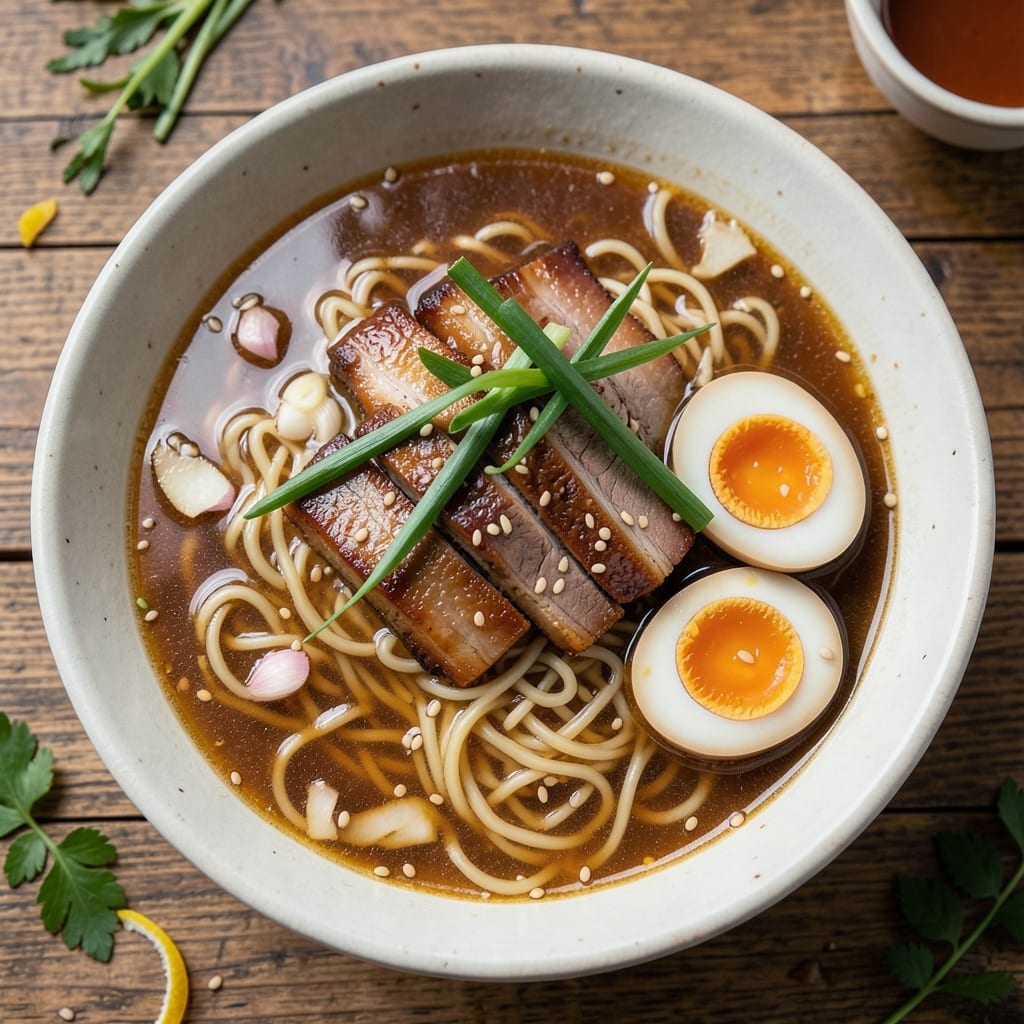
This Asian ramen soup recipe delivers restaurant-quality silky noodles and a rich, umami-packed broth that transforms any weeknight into a flavor adventure. The secret lies in a carefully balanced combination of miso paste, soy sauce, and aromatic spices that create depth without overpowering the delicate ramen strands. I've perfected this recipe over countless batches, ensuring every spoonful delivers that perfect harmony of savory, slightly sweet, and umami-rich flavors.
The foundation of this dish is the broth, simmered for hours to develop complex layers of flavor. We'll use a combination of miso paste, soy sauce, and chicken or vegetable stock as the base, enhanced with garlic, ginger, and sesame oil for aromatic depth. The noodles—whether fresh or dried—cook just until tender, then finish in the hot broth to absorb all those incredible flavors. This method ensures your noodles remain silky and never mushy.
What makes this recipe truly special is the customizable topping bar that lets you personalize each bowl. Think tender chashu pork, soft-boiled eggs, crisp green onions, sweet corn, and delicate nori strips—each element adds texture and flavor that elevate the soup from simple to spectacular. The assembly process is where the magic happens, allowing you to create a bowl that's as unique as your taste preferences.
Perfect for a cozy night in or entertaining friends, this ramen soup serves four and comes together in about an hour of active time (plus simmering). The best part? You can easily adapt it to suit dietary needs—vegan, spicy, or regional twists like Thai-inspired ramen are all within reach. Let's get started on creating your perfect bowl of comfort.
Ingredients for asian ramen soup
Restaurant-quality umami starts with these 15 essential ingredients—each playing its part in silky noodles and rich broth.
| Ingredient | Amount | Notes |
|---|---|---|
| Dried Ramen Noodles 🍜 | 8 oz | High-quality, fresh or dried |
| White Miso Paste 🧈 | ½ cup | Fermented soybean paste for umami |
| Light Soy Sauce 🍶 | ¼ cup | For balance and depth |
| Chicken Stock 🍲 | 6 cups | Homemade or high-quality store-bought |
| Garlic Cloves 🧄 | 6 cloves | Freshly minced for aroma |
| Fresh Ginger 🌿 | 2 tsp | Grated, for zesty kick |
| Sesame Oil 🫒 | 1 tbsp | Toasted, for nutty depth |
| Green Onions 🧅 | 4 whole | Sliced for garnish and crunch |
| Nori Sheets 🍣 | 4 sheets | Dried seaweed for texture |
| Chashu Pork 🐷 | 1 lb | Pre-cooked, thinly sliced |
| Large Eggs 🥚 | 4 whole | Soft-boiled, for richness |
| Sweet Corn Kernels 🌽 | ½ cup | Fresh or frozen, for sweetness |
| White Rice Vinegar 🍶 | 1 tbsp | For subtle tang |
| Salt 🧂 | 1 tsp | Kosher or sea salt |
| Black Pepper 🌶️ | ½ tsp | Freshly ground for heat |
The miso paste is non-negotiable—Miso Master or Honten brands deliver the deepest umami flavor. Grab it from the Asian market or well-stocked grocery stores like Whole Foods or Trader Joe's. For the broth, homemade chicken stock is ideal, but Pacific Foods or Swanson brands work perfectly. The chashu pork? Pre-cooked and sliced thin is a game-changer—look for vacuum-sealed packages at the meat counter, or make your own if you're feeling ambitious. Fresh ginger and garlic should smell vibrant, not musty, and the nori sheets should be crisp, not brittle.
No miso paste? Double the soy sauce and add a splash of fish sauce for umami. Short on chashu pork? Thinly sliced deli ham or tofu works in a pinch. The ramen noodles can be fresh or dried—just cook them al dente. For the eggs, soft-boiled for 6 minutes gives you that perfect runny yolk. The sesame oil is key—toast it in a dry pan for 30 seconds to deepen its flavor. If you can't find nori sheets, dried seaweed flakes are a decent substitute. The white rice vinegar adds brightness, but apple cider vinegar at half the amount works if you're out.
Store the cooked broth in airtight containers for 4-5 days—it tastes even better the next day. The chashu pork keeps 5 days in the fridge, and the nori sheets stay fresh for 2 weeks in a sealed bag. Prep the toppings ahead: slice the green onions, boil the eggs, and slice the pork. The noodles cook in 3 minutes, so keep them separate until serving. This soup is a crowd-pleaser—double the batch if you're feeding more than four.
Why You'll Love This Recipe
- Pantry Magic: I swear by this recipe when my fridge is bare—just ramen, miso, and stock transform into something rich and satisfying. No fancy shopping required.
- Umami Bomb: That white miso paste? It’s the secret weapon—deep, savory, and slightly sweet, with garlic cutting through like a bright knife. The soy sauce ties it all together in one slurp-worthy bowl.
- Lunchbox Hero: Between us, this is my go-to for meal prep. Double the batch, store in jars, and reheat with a splash of water—still tastes fresh hours later. (Yes, even on a Tuesday night.)
- Budget Night Win: Three bucks’ worth of ingredients stretch to feed two or three people, and leftovers reheat like a dream. Honestly, it’s the kind of meal that makes me proud to cook.
Step-by-step instructions for Asian ramen soup
Here's how to craft a rich, umami-packed ramen that balances silky noodles with bold flavors.
Build the Umami-Packed Broth
In a large pot, combine the 6 cups chicken stock, 0.5 cup white miso paste, and 0.25 cup light soy sauce. Bring to a gentle simmer over medium heat until small bubbles form around the edges. You'll notice the miso dissolving completely and the broth developing a deep golden color—this is where all the umami magic happens.
Add the 6 cloves minced garlic and 2 teaspoons grated fresh ginger, stirring constantly for 1 minute until fragrant. The aroma should fill your kitchen—this is your first sensory checkpoint. Reduce heat to low and let the broth simmer uncovered for 15 minutes to allow flavors to meld. Skim off any foam that rises to the surface for a cleaner broth.
Prepare the Soft-Boiled Eggs and Chashu
While the broth simmers, place the 4 whole large eggs in a separate pot of cold water. Bring to a boil, then immediately reduce to a gentle simmer and cook for 6 minutes for jammy yolks. Transfer to an ice bath for 5 minutes to stop cooking, then peel and slice into halves. The yolks should be warm but still slightly runny when cut.
Slice the 1 lb chashu pork into ¼-inch thick pieces. The pre-cooked pork should be tender enough to cut easily with kitchen shears. Set aside—you'll add these later when ready to serve to keep them warm without overcooking.
Cook the Noodles and Assemble
In a separate pot, bring 4 cups fresh water to a rolling boil. Add the 8 oz dried ramen noodles and cook for 2 minutes less than package instructions—you want them al dente so they don't turn mushy in the hot broth. Drain immediately and rinse briefly under cold water to stop cooking. The noodles should be tender but still slightly firm to the bite.
Return the drained noodles to the pot and add 1 tablespoon sesame oil, tossing gently to coat. This step prevents the noodles from sticking together in the broth and adds that nutty aroma we all love in ramen.
Finish with Fresh Ingredients
Carefully ladle 2 cups hot broth into each serving bowl. Add ½ cup sweet corn kernels and 1 sheet nori sheet (cut into strips) to each bowl. The nori should float naturally—don't force it to sink. Place 2 slices chashu pork and 1 soft-boiled egg half in each bowl, arranging them artistically for presentation.
Top each serving with 1 whole green onion, sliced on the bias, and drizzle with 1 teaspoon white rice vinegar. The vinegar adds a bright contrast to the rich broth. Finally, season with ¼ teaspoon salt and ⅛ teaspoon black pepper per serving, adjusting to taste. The final bowl should be vibrant with colors and textures—silky noodles, glossy broth, tender pork, and creamy egg.
Serve Immediately for Maximum Flavor
Stir the noodles in the broth just before serving to distribute all the flavors evenly. The broth should coat the noodles completely, creating that signature ramen mouthfeel. Serve each bowl with chopsticks and a small side of extra nori strips for crunch.
Here's the thing—this ramen tastes best immediately when all the components are at their peak temperature. The noodles will continue to soften slightly in the hot broth, while the egg yolks remain perfectly jammy. Each spoonful delivers that perfect balance of umami from the miso, saltiness from the soy, and freshness from the corn and green onions. Enjoy while it's hot!
Pro Tips For Making Asian Ramen Soup
- Bloom the Garlic First: Toss minced garlic into the hot chicken stock for 30 seconds before adding anything else—just until it fragrant but not browned. I learned this the hard way: burnt garlic turns the whole broth bitter, and no amount of miso or soy can fix it.
- Stir in Miso Last: Wait until the stock is simmering, then whisk in the white miso paste off the heat—it’s sensitive to high heat and will turn bitter if you let it cook too long. Think of it like adding vanilla: too much time in the heat, and it loses its magic.
- Use Two Stock Pots: Simmer half the chicken stock in one pot to reduce it by a third before combining with the rest—this concentrates the flavor without over-salting. (Yes, it’s extra work, but your broth will taste like it came from a ramen shop, not a packet.)
- Toast the Noodles Dry: Spread the dried ramen noodles on a baking sheet and broil for 2-3 minutes before boiling—it removes the cardboard taste and gives them a subtle crunch. I was skeptical until I tried it; now I do it every time, even for quick bowls.
Perfect pairings for these flavors
Broth Boosters
Elevate your ramen broth with a splash of 1 tbsp mirin or 1 tsp fish sauce for extra depth. I love adding ½ cup dashi stock (made from kombu and bonito flakes) for that authentic Japanese umami punch. For a Thai-inspired twist, stir in 1 tsp palm sugar and ½ tsp shrimp paste during the final simmer. 🌟
Topping Bar Essentials
Create a DIY topping bar with crispy fried shallots, pickled ginger, and sesame seeds for texture contrast. I keep thinly sliced mushrooms and bean sprouts on hand for fresh crunch. For protein alternatives, try marinated tofu or grilled shrimp instead of chashu. 🍜
Drink Pairings
Sip on a light Japanese lager like Asahi Super Dry to complement the broth's richness. For something refreshing, try Yuzu soda—its citrusy notes cut through the umami. If you prefer wine, a dry Riesling with its crisp acidity balances the dish beautifully. 🍺
Garnish Game-Changers
Add microgreens or shiso leaves for a pop of color and freshness. I also love sprinkling toasted sesame seeds and crushed red pepper flakes for heat. For a smoky touch, drizzle with 1 tsp chili oil before serving. ✨
Regional Twists
For Thai-style ramen, swap miso for red curry paste and add lemongrass and lime juice. Sichuan ramen gets a kick from doubanjiang (chili bean paste) and Sichuan peppercorns. Korean ramyeon uses gochujang (fermented chili paste) and kimchi as toppings. 🌶️
Dietary Adaptations
Make it vegan by using vegetable stock, mushroom chashu, and tofu eggs (silken tofu mixed with turmeric). For gluten-free, ensure your miso and soy sauce are certified GF. To lighten it up, use low-sodium broth and reduce the salt in the final seasoning. 💚
Nutrition facts
Frequently asked questions
Can I make this ramen with fresh or dried noodles?
Both work beautifully! Fresh noodles cook in just 2 minutes and have a delicate texture, while dried noodles take 3-4 minutes to reach al dente perfection. For dried noodles, reduce cooking time by 1-2 minutes compared to package instructions—they'll finish cooking in the hot broth.
How do I prevent my ramen noodles from turning mushy?
Cook them al dente (just slightly firm) and rinse briefly in cold water after draining. The key is finishing them in the hot broth—this absorbs flavor without overcooking. Also, never overcrowd the pot when boiling. For extra insurance, toss the drained noodles with 1 tablespoon sesame oil before adding to the broth.
What's the best way to store leftover ramen?
Store the broth separately from the noodles in airtight containers. The broth keeps for 4-5 days in the fridge and reheats beautifully. For noodles, rinse them in cold water, drain well, and store separately—they'll last 2 days. When reheating, add noodles to hot broth for 30 seconds to restore texture.
Can I make this recipe vegetarian or vegan?
Swap the chicken stock for vegetable or mushroom stock, use tofu or tempeh instead of chashu, and replace eggs with marinated tofu "eggs" (silken tofu + turmeric). Keep the miso and soy sauce (check for vegetarian miso). For extra umami, add ½ cup dashi made with kombu and shiitake mushrooms.
Why does my broth taste too salty?
Miso and soy sauce are concentrated flavors—start with ¼ cup miso and 2 tablespoons soy sauce for the full recipe, then adjust. Taste as you go! If it's too salty, dilute with ½ cup hot water or reduce the amount of miso in future batches. The key is balancing umami with fresh ingredients like corn and green onions.