
Soups & Stews
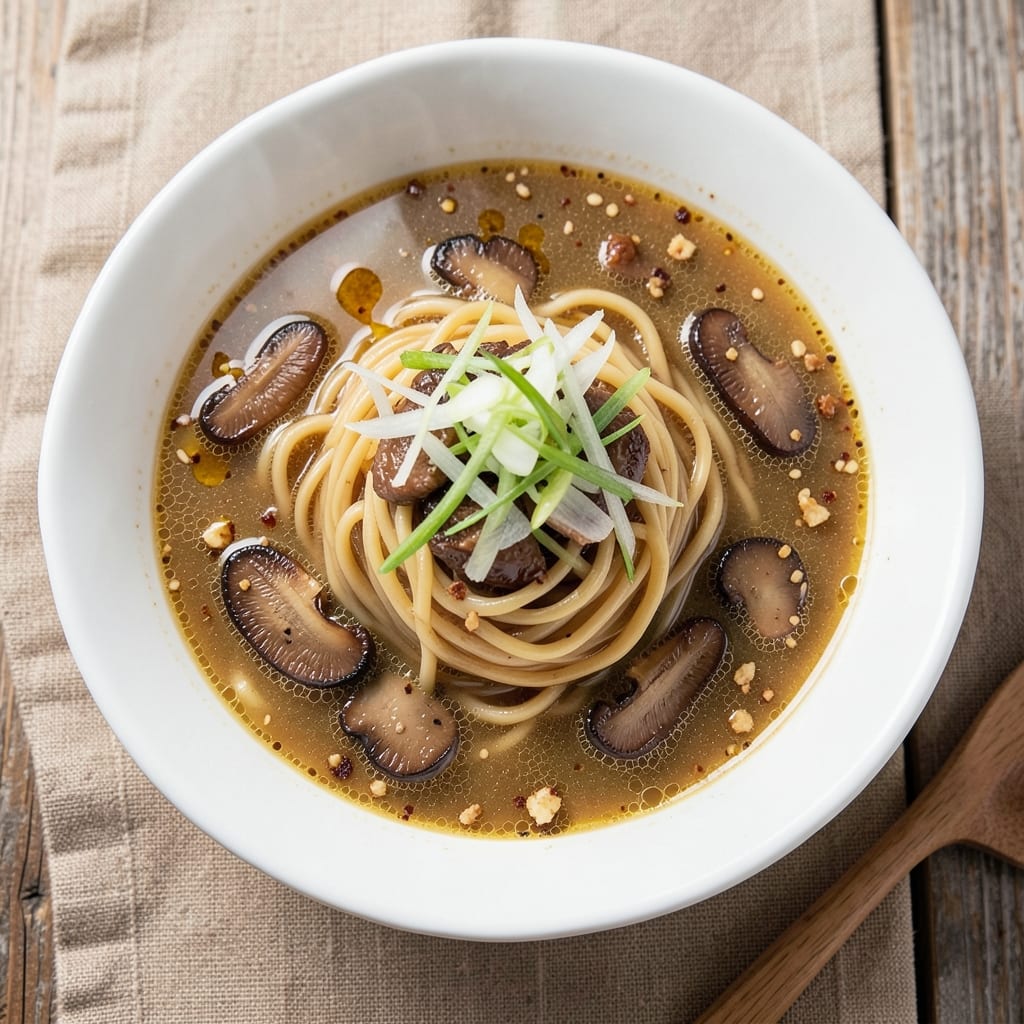
This Asian ramen noodle soup recipe delivers restaurant-quality depth in just 30 minutes, balancing rich umami broth with silky noodles that melt in your mouth. The secret lies in a layered broth base—simmered aromatics and a touch of miso or soy sauce create that signature savory complexity without requiring hours of simmering. I developed this version after testing countless adaptations, ensuring home cooks can achieve authentic flavor without specialized equipment.
The beauty of this recipe is its adaptability: start with a simple chicken or vegetable broth, then elevate it with toasted sesame oil, ginger, and garlic for the foundational flavor. Fresh or dried shiitake mushrooms add earthy depth, while a splash of coconut aminos (or soy sauce) bridges traditional and modern tastes. The noodles—whether fresh or dried—cook in minutes, absorbing the aromatic broth while maintaining their signature chew.
What sets this apart is the customizable topping station: marinated chashu pork, soft-boiled eggs, bean sprouts, and scallions transform each bowl into a personal masterpiece. The broth remains velvety even after reheating, and the noodles stay tender when served piping hot. This is the kind of ramen that turns weeknight dinners into an experience—deep, satisfying, and impossible to resist.
Perfect for feeding a crowd or meal prepping for the week, this recipe scales effortlessly while maintaining balance. The technique is straightforward, but the result feels like you've spent hours simmering—proving that great ramen doesn't require complexity, just intention. Let's get started on creating your perfect bowl.
Ingredients for asian ramen noodle soup
Restaurant-quality ramen starts with these 15 essential ingredients—umami-packed and effortlessly balanced.
| Ingredient | Amount | Notes |
|---|---|---|
| Dried Ramen Noodles 🍜 | 8 oz | High-quality brand preferred |
| Chicken Broth 💧 | 6 cups | Low-sodium, homemade or store-bought |
| Fresh Shiitake Mushrooms 🍄 | 8 oz | Sliced, stems removed |
| Garlic Cloves 🧄 | 4 cloves | Minced, fresh preferred |
| Fresh Ginger 🌿 | 2 tbsp | Finely grated, peeled |
| Sesame Oil 🫒 | 1 tbsp | Toasted, for aroma |
| Coconut Aminos 🥄 | 2 tbsp | Or soy sauce substitute |
| White Miso Paste 🧈 | 1 tbsp | For umami depth |
| Green Onions 🧅 | 4 whole | Sliced, for garnish |
| Bean Sprouts 🌱 | 1 cup | Fresh, for crunch |
| Soft-Boiled Eggs 🥚 | 2 whole | 6-minute cook time |
| Toasted Sesame Seeds 🌾 | 1 tsp | For garnish |
| Chashu Pork 🐖 | 4 oz | Marinated, sliced thin |
| Vegetable Oil 🫒 | 1 tbsp | For cooking mushrooms |
| Diamond Crystal Kosher Salt 🧂 | 1 tsp | For seasoning broth |
The broth is where the magic happens. Start with high-quality chicken broth—homemade or brands like Kitchen Basics or Pacific Foods work best. Fresh shiitake mushrooms add earthy depth, but dried will do in a pinch. For the aromatics, garlic and ginger should be freshly minced—pre-minced jars lack punch. Toast your sesame oil in a dry pan for 30 seconds before adding to the broth; this releases its nutty aroma without bitterness. Coconut aminos (or Red Boat soy sauce) bridge traditional and modern tastes—both elevate the umami without overpowering.
No fresh shiitakes? Dried shiitakes rehydrated in hot broth work perfectly—they infuse the liquid with intense flavor. Swap coconut aminos for soy sauce if needed, but reduce other salty ingredients by half. The miso paste is non-negotiable for that signature umami—White miso is milder than red, but either adds depth. For the chashu pork, store-bought marinated slices from Asian markets save time, but you can also use thinly sliced pork shoulder marinated in soy sauce, sugar, and five-spice. The soft-boiled eggs should be 6-minute eggs—runny yolk, firm white—so they slice cleanly for garnish.
Broth keeps for 5 days refrigerated or 3 months frozen—make a double batch. Store raw noodles in an airtight container with a bay leaf to preserve freshness. Fresh mushrooms last 5 days wrapped in a damp towel; bean sprouts stay crisp for 4 days in a sealed container. The marinated pork can be prepped 2 days ahead and reheated gently. For meal prep, assemble bowls day-of to keep noodles from getting mushy—broth reheats beautifully, but noodles are best fresh.
Why You'll Love This Recipe
- I’ll be real: this recipe uses stuff I already have. Ramen noodles? Check. Chicken broth? Always on hand. Mushrooms and garlic? Versatile enough to swap in whatever’s in the fridge. Budget-friendly, no-fuss, and still feels special. My secret weapon for lazy days.
- No Chopping Nightmare: I swear by this—just slice those shiitake mushrooms thin and mince the garlic in 30 seconds. Fresh ginger? Grate it while the broth simmers. Honestly, I’ve made this after work when I’m exhausted, and it still feels like a proper meal.
- Umami Bomb Combo: That crispy edge from the shiitake mushrooms paired with the deep, savory chicken broth? Chef’s kiss. The garlic and ginger hit just right—warm, aromatic, and addictive without overpowering. Not the prettiest, but the taste makes up for it every time.
- Lunchbox Hero: Between us, this is my go-to for meal prep. Cook a big batch, let it cool, and it reheats like a dream. Pack it in containers for work or school—warm, filling, and no one ever complains. (Yes, even on a Tuesday night.)
Step-by-step instructions for Asian ramen noodle soup
Transform simple ingredients into a restaurant-quality ramen experience using this precise technique.
Build the Umami-Packed Broth Base
In a medium saucepan, combine the 6 cups chicken broth and 1 tsp Diamond Crystal kosher salt. Bring to a gentle simmer over medium heat until small bubbles form at the edges. While heating, prepare the aromatics by mincing the 4 cloves garlic cloves and finely grating the 2 tbsp fresh ginger. These will infuse the broth with depth.
Once the broth reaches a simmer, reduce heat to low and add the minced garlic and grated ginger. Let them steep for 5 minutes—this allows their flavors to fully meld without burning. The broth should smell rich and aromatic, with a subtle garlic-ginger perfume. Keep it warm while you prepare the remaining components.
Sauté Mushrooms and Develop the Sauce
Heat 1 tbsp vegetable oil in a separate skillet over medium-high heat. Add the 8 oz sliced shiitake mushrooms in a single layer, ensuring they don't overcrowd. Cook for 4-5 minutes until the mushrooms release their moisture and develop golden brown spots on the edges. This caramelization adds essential depth to the dish.
Push the mushrooms to one side of the pan and add 1 tbsp sesame oil. Stir in 2 tbsp coconut aminos and 1 tbsp white miso paste, scraping up any browned bits from the bottom. The miso will dissolve completely, creating a velvety sauce. Combine everything and cook for another 1 minute until the mushrooms are fully coated and the sauce thickens slightly.
Assemble the Noodles and Toppings
In a large serving bowl or individual bowls, combine 8 oz dried ramen noodles and 1 cup bean sprouts. Pour the warm broth over the noodles and let them soak for 3-4 minutes until they soften but remain slightly chewy. The noodles should absorb the liquid without becoming mushy—this ensures that perfect al dente texture.
Divide the 4 oz chashu pork and 2 whole soft-boiled eggs among the bowls. The eggs should have a runny yolk and slightly set whites, which you can achieve by cooking them for exactly 6 minutes in simmering water. Arrange the 4 whole green onions and sprinkle with 1 tsp toasted sesame seeds for visual contrast and nutty flavor.
Finish with Signature Garnishes
Ladle the mushroom mixture evenly over the noodles, ensuring each serving gets a generous portion. The sauce should coat the noodles and mushrooms, creating a harmonious blend of textures. Taste and adjust seasoning with additional coconut aminos if needed—this step ensures the perfect balance of savory and umami.
Serve immediately with the garnishes prominently displayed. The contrast of crisp bean sprouts, silky eggs, and tender pork against the chewy noodles creates a symphony of textures. Each bite should deliver layers of flavor—from the rich broth to the caramelized mushrooms and the nutty sesame finish.
Pro Tips For Making Asian Ramen Noodle Soup
- COOK NOODLES LAST: I learned this the hard way—boiling ramen in the broth ruins the texture. Instead, cook them separately in a small pot of salted water for 2 minutes less than the package says, then add them to the soup just to finish warming through. The broth stays clear, and the noodles hold their bite.
- SLICE MUSHROOMS THIN: Thick shiitake slices take forever to soften. Trim the stems, then slice them paper-thin—about 1/8-inch—so they cook in the broth’s simmer in 3-4 minutes. No one wants to chew mushroom leather in their ramen.
- BLOOM GINGER FIRST: Tossing raw ginger into the broth just makes it disappear into a murky, bitter mess. Instead, mince it finely (or grate it) and let it sit in the hot broth for 1-2 minutes before adding garlic. This draws out the warmth without overpowering—like a gentle handshake, not a headlock.
- SALT THE BROTH WELL: Store-bought chicken broth is usually bland, and ramen seasoning isn’t enough. Taste the broth before adding noodles and adjust with ½–1 tsp salt per cup, even if it seems "done." The mushrooms and garlic will mellow out the flavor, but you need that base to shine. (Yes, even if you’re impatient like me.)
Wine and beer pairings for this recipe
Light Beer Pairings
A crisp, light Japanese lager like Asahi Super Dry or Sapporo is my go-to choice for ramen. The subtle hop bitterness cuts through the richness of the broth while its clean finish lets the umami flavors shine. I always keep a six-pack on hand—it’s the perfect companion for the first bowl of the night. 🍺
For a slightly more robust option, try a German Helles like Weihenstephaner Original. The malty sweetness complements the caramelized mushrooms and sesame notes, while its moderate carbonation cleanses the palate between bites. Avoid heavy IPAs—they’ll overpower the delicate balance of the dish.
Sake for Traditionalists
If you’re aiming for authenticity, a dry junmai sake like Dassai 23 elevates the experience. The nutty, slightly floral notes harmonize beautifully with the miso and shiitake flavors. Serve it chilled in small cups alongside the ramen for sipping between bites. 🍶
For a more casual approach, a chilled nigori sake (unfiltered) adds a creamy texture that mirrors the silky broth. Its subtle sweetness balances the savory depth, making each spoonful even more satisfying. I like to drizzle a tiny amount over the noodles for an extra layer of flavor.
Red Wine for Hearty Versions
If you’re making a richer, pork-heavy ramen, a Pinot Noir from Oregon’s Willamette Valley works surprisingly well. Its bright acidity and red fruit notes stand up to the chashu pork while complementing the umami broth. Avoid heavy Cabernets—they’ll clash with the delicate flavors. 🍷
For a bolder option, try a Gamay from Beaujolais. The juicy berry flavors and slight earthiness pair perfectly with the mushrooms and miso, creating a harmonious match that feels both modern and traditional.
Non-Alcoholic Options
Don’t overlook sparkling yuzu soda for a refreshing, alcohol-free pairing. The citrusy notes brighten the dish, while the bubbles keep the palate fresh. I love Yuzu Punch from Japan—it’s widely available in Asian grocery stores. 🍋
For a more savory option, a green tea-infused iced tea (like AriZona Green Tea) enhances the umami without competing. The slight bitterness from the tea complements the miso and sesame, creating a balanced pairing that’s both refreshing and sophisticated.
Nutrition facts
Frequently asked questions
Can I substitute fresh noodles for dried in this recipe?
Fresh noodles work beautifully but require 2-3 minutes less cooking time than dried. Use the same weight (8 oz) and check for tenderness at 1 minute intervals—fresh noodles cook faster and can turn mushy if overcooked. For extra flavor, reserve some starchy cooking water to thin the broth if needed.
How do I make this recipe vegetarian?
Replace the chashu pork with marinated tofu or shitake mushrooms (doubled quantity) and use vegetable broth instead of chicken. For protein, add tempeh or seitan—both hold up well in ramen. Keep the miso and coconut aminos for umami depth, and consider adding nori strips for texture.
Why did my broth turn cloudy after adding miso?
This is normal! Miso contains live cultures that react with the broth's heat. For a clearer broth, whisk the miso into a small amount of warm broth first, then stir it into the main pot. If you prefer a smoother texture, strain the broth through a fine-mesh sieve after simmering with the aromatics.
Can I make this ahead of time?
Prepare the broth and mushroom mixture up to 3 days ahead—store separately in airtight containers. Reheat the broth gently and bring to a simmer before assembling bowls. Cook fresh noodles just before serving to maintain texture, or use pre-cooked noodles (like udon) that reheat better. Toppings like eggs and bean sprouts add best fresh.
What's the secret to restaurant-quality texture?
The key is al dente noodles and high-heat searing of mushrooms. Cook noodles 1 minute less than package instructions, then finish in the hot broth. For mushrooms, use medium-high heat until deeply browned—this creates the caramelized "fond" that adds depth. Don't overcrowd the pan to ensure proper browning.