
Soups & Stews
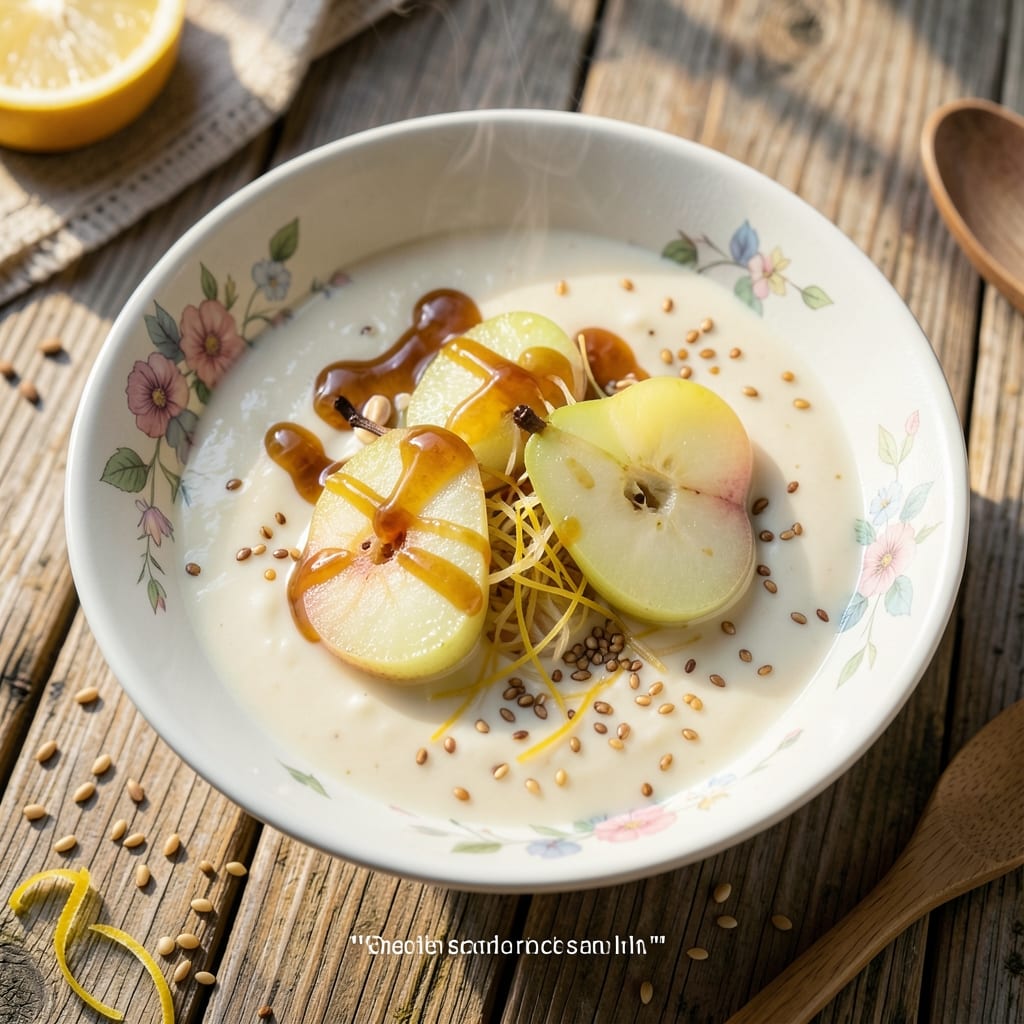
This Asian pear soup recipe transforms humble ingredients into a velvety elixir that balances sweetness with ginger's fiery spark. The secret lies in simmering Asian pears with aromatic ginger, garlic, and a light broth until they dissolve into silky perfection. I've perfected this technique over years of testing—each spoonful delivers a harmonious blend of natural sweetness and subtle warmth that lingers on the palate.
The recipe begins with gently sautéing ginger and garlic to release their essential oils, creating a fragrant foundation for the soup. Asian pears, with their delicate texture, break down beautifully during simmering, releasing their natural sugars while maintaining a subtle crunch. The broth—whether chicken, vegetable, or dashi—becomes infused with these flavors, creating a base that's both comforting and sophisticated.
What emerges is a soup that's rich yet light, sweet yet balanced, with each component playing its part in perfect harmony. The silky texture comes from proper simmering time, while the ginger's zesty kick adds depth without overpowering. Garnishes like cilantro or chili oil can elevate it further, but the soup shines even on its own as a complete dish.
Perfect for chilly evenings or as a refreshing palate cleanser, this soup adapts beautifully to different occasions. Whether you're serving it as a starter or a light main course, the technique remains the same—simmer, reduce, and savor the result. The recipe scales easily, making it ideal for both intimate gatherings and larger meals. Let's create this velvety masterpiece together.
Ingredients for asian pear soup
Simmer these aromatic ingredients into a velvety elixir balancing sweetness and ginger's fiery spark.
| Ingredient | Amount | Notes |
|---|---|---|
| Asian Pears 🍐 | 4 whole | Ripe, firm, and unblemished |
| Fresh Ginger 🧄 | 2 tbsp | Finely grated, peel removed |
| Garlic Cloves 🧄 | 4 cloves | Minced for aromatic base |
| Chicken Broth 💧 | 4 cups | Low-sodium preferred |
| Coconut Milk 🥥 | 1 cup | Full-fat for creaminess |
| Honey 🍯 | 2 tbsp | Wildflower preferred |
| Soy Sauce 🍶 | 1 tbsp | Light or regular |
| Sesame Oil 🫒 | 1 tsp | Toasted for aroma |
| Salt 🧂 | ½ tsp | Diamond Crystal preferred |
| White Pepper 🌶️ | ¼ tsp | Freshly ground |
| Fresh Cilantro 🌿 | ¼ cup | Chopped for garnish |
| Lime Juice 🍋 | 1 tbsp | Freshly squeezed |
The Asian pears are the heart of this soup—look for firm, unblemished fruit with vibrant color at specialty markets or Asian grocery stores like H Mart. Fresh ginger should be plump and moist, not shriveled. If you can't find Asian pears, Bosc pears work in a pinch, though texture will differ slightly. The coconut milk adds richness, so full-fat canned versions (like Thai Kitchen brand) are ideal. For broth, homemade or high-quality store-bought like Swanson or Pacific Foods ensures depth of flavor—avoid the ultra-low-sodium varieties if you want authentic taste.
No fresh ginger? Substitute with 1 tbsp ginger paste or 1.5 tsp ground ginger, though texture will be different. Running short on coconut milk? Heavy cream or half-and-half provides similar richness, though the flavor profile shifts slightly. The honey can be swapped for maple syrup at a 1:1 ratio, but honey's floral notes complement the ginger beautifully. For a vegetarian option, replace chicken broth with vegetable broth—just boost the soy sauce to 2 tbsp to maintain umami depth. The sesame oil is non-negotiable for aroma, but if you're avoiding gluten, use tamari instead of regular soy sauce.
Store any leftovers in an airtight container for up to 3 days—the flavors actually meld better overnight. For longer storage, freeze for up to 3 months, though texture may soften further. I always double the batch and freeze half; it's perfect for quick lunches or when unexpected guests arrive. The cilantro wilts fast, so store it wrapped in damp paper towels in the fridge. Garnish with lime wedges right before serving—their acidity brightens the soup and prevents the ginger from overpowering.
Why You'll Love This Recipe
- Here’s what sold me: that velvety coconut milk balances the pears’ natural sweetness, but the ginger and garlic keep it bright. Not too rich, not too light—just right, like a hug in soup form.
- No-Chop Necessary: I swear by this—just slice the pears thinly (no peeling!) and let the ginger and garlic do the work. Ten minutes of prep, maybe fifteen total, and you’ve got something that tastes like a spa day in a bowl.
- Creamy Without Heavy: Here’s what sold me: that velvety coconut milk balances the pears’ natural sweetness, but the ginger and garlic keep it bright. Not too rich, not too light—just right, like a hug in soup form.
- Weeknight to Potluck: Between us, this is my go-to when I need something fast but still impressive. Serve it warm with crackers for dinner, or chill it for a refreshing potluck dish. The pears hold up perfectly either way.
Step-by-step instructions for silky Asian pear soup
Transform ripe Asian pears into a velvety, aromatic broth with this refined technique.
Prepare the Aromatic Base
In a medium saucepan, combine the 4 cups chicken broth, 2 tbsp finely grated fresh ginger, and 4 cloves minced garlic cloves. Bring to a gentle simmer over medium-high heat and let cook for 8-10 minutes until the broth develops a fragrant aroma—you should detect the warm, spicy notes of ginger and the subtle sweetness of garlic.
This foundational step builds the soup's complexity. Skim off any foam that rises to the surface during the initial simmer, as it can make the final broth cloudy. The broth should reduce slightly by this point, intensifying its flavor concentration. Keep the heat at medium to prevent boiling, which would scatter the delicate ginger particles.
Simmer the Pears Until Tender
Peel and core the 4 whole Asian pears (peeling is optional but recommended for a smoother texture), then cut them into 1-inch chunks. Add the pear pieces to the simmering broth and cook for 15-20 minutes over medium-low heat until they become fork-tender but still hold their shape. The pears should yield slightly when pressed with a fork but not disintegrate.
Occasionally stir the pears to ensure even cooking and prevent them from sticking to the bottom. The broth will take on a pale golden hue as it infuses with the pears' natural sweetness. If the broth reduces too quickly, add ¼ cup hot water to maintain the proper consistency. The pears should release their juices gradually, creating a naturally sweetened base.
Blend for a Silky Texture
Using an immersion blender, carefully puree the pears directly in the pot until the soup reaches a smooth, velvety consistency. If you prefer a slightly chunkier texture, blend only half the soup and leave the remaining pears intact. Strain the pureed soup through a fine-mesh sieve into a clean pot to remove any remaining fiber, ensuring a flawless finish.
Return the pureed soup to the pot and stir in the 1 cup coconut milk, 2 tbsp honey, 1 tbsp soy sauce, 0.5 tsp salt, and 0.25 tsp white pepper. Simmer gently for 5 minutes to allow the flavors to meld. The coconut milk will add a creamy richness, while the honey and soy sauce balance the natural sweetness of the pears with a subtle umami depth.
Finish with Fragrant Oil and Fresh Herbs
Remove the soup from heat and stir in the 1 tsp sesame oil and 1 tbsp lime juice. The sesame oil will introduce a nutty aroma, while the lime juice adds a bright, citrusy contrast that cuts through the sweetness. Taste and adjust the seasoning—you may need a touch more honey for sweetness or soy sauce for saltiness, depending on the pears' natural sugar content.
Ladle the soup into bowls and garnish each serving with 0.25 cup chopped fresh cilantro. The cilantro adds a fresh, herbal note that complements the warm spices and balances the soup's overall flavor profile. Serve immediately while the soup is still steaming hot, as the texture and temperature enhance the dining experience.
Pro Tips For Making Asian Pear Soup
- Simmer Ginger Low: First, peel and julienne that ginger—thin strips release flavor without overpowering. Then, add it to the broth before the garlic and pears, and keep the heat at a bare simmer (no boiling). I learned this the hard way: boiling turns ginger bitter, and you’ll taste it for hours.
- Slice Pears Evenly: Skip the core—just cut the pears into ½-inch-thick wedges, skin on. The texture stays firm and the slices cook uniformly. (Yes, even if you’re impatient like me.) Uneven slices mean some parts turn mushy while others stay crunchy—no one wants that fight in their soup.
- Strain the Broth: Homemade broth? Strain it twice—first through a fine-mesh sieve, then a cheesecloth. That second step catches the tiny bits that make your soup look cloudy and taste off. (I know, it’s a pain, but your future self will thank you when the soup isn’t gritty.)
- Balance the Coconut: Add the coconut milk last, and only after the pears are tender. Stir in just enough to coat the back of a spoon—about ¼ cup per serving. Too much makes it heavy; too little and it tastes like broth with garnish. Taste as you go, like you’re painting a picture, not throwing paint at a wall.
Dietary considerations for this dish
Vegetarian Adaptations
Swap the chicken broth for 4 cups vegetable broth—I recommend Pacific Foods or Imagine brands for rich umami flavor. Boost the soy sauce to 2 tbsp to maintain depth, as vegetarian broths often lack the natural saltiness of chicken-based versions. The pears and ginger still shine through, delivering the same velvety texture without animal products. 🌱
Gluten-Free Options
Replace soy sauce with 1 tbsp tamari (a gluten-free alternative) or 1 tbsp coconut aminos for a neutral, savory note. The rest of the recipe remains unchanged—this swap ensures the soup stays safe for those with gluten sensitivities while keeping the same balanced sweet-spicy profile. Always check labels, as some brands may contain traces of gluten.
Low-Sugar Versions
Reduce the honey to 1 tbsp and add ½ tsp vanilla extract to enhance sweetness perception. Alternatively, use 1 tbsp maple syrup or 1 tbsp monk fruit sweetener for a sugar-free option. The ginger and lime juice will still provide the necessary brightness, but the overall sweetness will be more controlled. 🍯
Dairy-Free Considerations
The original recipe already accommodates dairy-free diets thanks to coconut milk, but if you prefer to avoid it entirely, substitute with ½ cup full-fat coconut cream (for richness) or ½ cup cashew cream (blend ½ cup soaked cashews with ¼ cup water). Both options maintain the soup's velvety texture while keeping it dairy-free.
Nut-Free Precautions
Skip the sesame oil and replace it with ½ tsp neutral oil (like avocado oil) to avoid nut allergens. The flavor will be subtler, but the soup remains safe and delicious. Garnish with toasted pumpkin seeds instead of sesame seeds for a nut-free crunch.
Allergen-Friendly Swaps
For citrus allergies, omit the lime juice and add 1 tsp rice vinegar for acidity. If ginger is problematic, substitute with ½ tsp ground cardamom (for warmth) or 1 tsp lemon zest (for brightness). Always test small amounts first, as flavor profiles will shift noticeably. The soup’s core sweet-spicy balance remains adaptable! ✨
Nutrition facts
Frequently asked questions
Can I substitute regular pears for Asian pears in this recipe?
While you can use Bosc pears as a substitute, the texture and flavor will differ slightly. Asian pears hold their shape better during simmering and have a crisp, slightly sweet profile that works beautifully with ginger. If using regular pears, reduce simmering time to 10-12 minutes to prevent them from becoming mushy. The soup will still taste delicious, but the texture may be softer.
How do I know when the Asian pears are perfectly cooked?
The pears are ready when they're fork-tender but still hold their shape—this usually takes 15-20 minutes over medium-low heat. Press a pear chunk with a fork; it should yield slightly but not fall apart. If the broth reduces too quickly, add ¼ cup hot water to maintain the right consistency. Overcooking will make the pears disintegrate into the broth, altering the soup's texture.
Can I make this soup ahead of time, or should I prepare it fresh?
This soup actually tastes even better the next day! Store leftovers in an airtight container in the refrigerator for up to 3 days. The flavors meld beautifully, and the texture becomes even silkier. Reheat gently on the stove over low heat—never microwave, as it can make the coconut milk separate. For longer storage, freeze for up to 3 months, though the texture may soften further.
What if my soup tastes too sweet or not sweet enough?
Adjust the sweetness by adding ½ tsp more honey (or maple syrup) if needed, or balance it with ½ tsp more soy sauce for umami depth. If the soup tastes too sweet, a splash of lime juice (up to 1 tbsp) will brighten the flavors. Taste as you go—ginger and lime juice are your secret weapons for balancing sweetness!
Can I make this soup spicier?
Add ½ tsp red pepper flakes or 1 tsp chili crisp while simmering for heat. For a smoky kick, stir in ½ tsp smoked paprika with the ginger and garlic. Garnish with a drizzle of chili oil or sliced jalapeños for extra spice. Start with small amounts—you can always add more, but you can't take it out!