
Soups & Stews
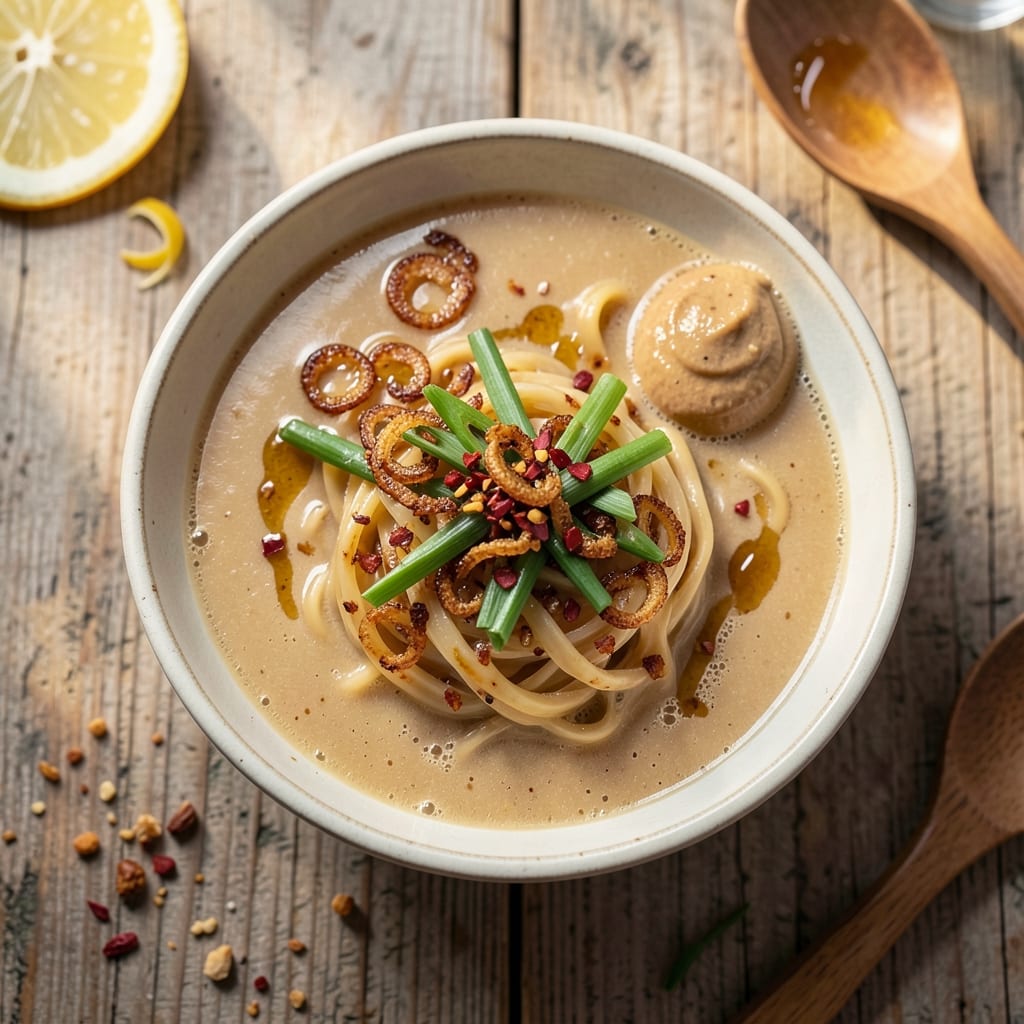
This Asian peanut soup recipe delivers a velvety, nutty broth packed with bold flavors and a crispy fried topping that takes it to the next level. The secret lies in balancing rich peanut sauce with aromatic spices and fresh herbs, creating a harmony that's both comforting and exciting. I've perfected this version through years of testing, ensuring every spoonful delivers that perfect combination of creaminess and crunch.
The magic begins with a fragrant ginger-garlic base that infuses the broth, followed by a smooth peanut sauce that gives the soup its signature depth. What sets this apart is the crispy fried shallot and peanut topping—lightly fried until golden and sprinkled on top for that essential textural contrast. It's the kind of dish that feels indulgent yet remains balanced, with protein options that make it a complete meal.
By the time you're done, you'll have a steaming bowl of soup where the nutty, slightly sweet peanut broth meets tender vegetables and protein, all crowned with that addictive crispy topping. The aroma alone will have everyone gathering around the table, and the first bite delivers on all the promises—creamy, flavorful, and just the right amount of crunch.
This recipe works beautifully as a cozy weeknight dinner or an impressive dish for guests, with variations that let you customize it to your taste. The instructions are designed to be straightforward while delivering restaurant-quality results at home. Let's get started on creating this Asian peanut soup masterpiece.
Ingredients for asian peanut soup
Rich peanut butter meets fragrant broth and crispy toppings—just eight key ingredients for this soul-warming soup.
| Ingredient | Amount | Notes |
|---|---|---|
| Peanut Butter 🥜 | ½ cup | Natural, unsweetened preferred |
| Coconut Milk 🥥 | 13 ½ oz | Full-fat can for creaminess |
| Vegetable Broth 💧 | 4 cups | Low-sodium preferred |
| Shallots 🧅 | 3 whole | Thinly sliced for topping |
| Garlic Cloves 🧄 | 4 cloves | Minced for base flavor |
| Fresh Ginger 🌿 | 2 tbsp | Grated, fresh preferred |
| Soy Sauce 🍶 | 2 tbsp | Light or dark variety |
| Peanut Oil 🫒 | 2 tbsp | For frying topping |
| White Rice Vinegar 🍶 | 1 tbsp | Balances peanut sweetness |
| Honey 🍯 | 1 tbsp | Adjust to taste |
| Sesame Oil 🫒 | 1 tsp | Toasted for aroma |
| Red Bell Pepper 🌶️ | 1 whole | Diced for soup base |
| Carrots 🥕 | 2 whole | Julienned for texture |
| Protein Option 🍗 | 8 oz | Chicken, tofu or shrimp |
| Fresh Cilantro 🌿 | ¼ cup | Chopped for garnish |
| Salt 🧂 | 1 tsp | Kosher or sea salt |
| Black Pepper 🌶️ | ½ tsp | Freshly ground preferred |
The peanut butter is your flavor anchor—natural, unsweetened gives the best balance, but skip the sweetened kind. Trader Joe's or Whole Foods carry great options, or grab the store brand if you're in a pinch. For the coconut milk, full-fat is non-negotiable—it's what gives that signature velvety texture. The canned broth should be low-sodium (I use Pacific Foods or homemade), and the ginger? Fresh only—jarred just doesn't cut it here. Shallots add that delicate sweetness that makes the crispy topping sing.
No peanut oil? Vegetable or canola oil works in a bind, though peanut oil gives that authentic nutty aroma. Short on sesame oil? Toast sesame seeds in a dry pan and grind them—it's the same flavor, just more work. The protein? Chicken thighs stay juicy while baking, tofu gets crispy, and shrimp cooks in minutes. Swap the red bell pepper for green if that's what's on hand—color doesn't matter, just that fresh crunch. For the crispy topping, pat the sliced shallots completely dry before frying, or they'll steam instead of crisp.
This soup tastes even better the next day—reheats beautifully with just a splash of water. Store the broth base for 5 days in the fridge, and the crispy topping stays fresh for 3 days** if kept in an airtight container. I like to make a double batch of the topping and freeze half—just reheat in a dry pan for 2 minutes. The cilantro wilts fast, so add it last, and the sesame oil? Keep it in the fridge after opening—it goes rancid fast.
Why You'll Love This Recipe
- One-Pot Magic: I swear by this recipe when I’m too tired to clean a million dishes. Just sauté shallots and garlic, toss in broth and peanut butter, then simmer with coconut milk—no straining, no fuss. The pot’s done the work while I sip my coffee.
- Creamy Crunch Balance: That first spoonful? Chef’s kiss. The peanut butter gives it a rich, nutty depth, but the coconut milk keeps it light and velvety. Honestly, I’ll take this over any takeout noodle soup—it’s got that same addictive pull but way better texture.
- Lunchbox Hero: Between us, this soup is my secret weapon for meal prep. It reheats like a dream (no weird peanut butter separation if you whisk it right), and I pack it in jars for work all week. My coworkers think I’m a saint for bringing something this flavorful.
- Budget-Friendly Powerhouse: Peanut butter and coconut milk stretch this recipe into a full meal for pennies. I make it for two, eat it for four—leftovers taste just as good cold over rice or reheated with a fried egg on top. No waste, all satisfaction.
Step-by-step instructions for Asian peanut soup with crispy topping
Here's how to build rich peanut creaminess with that addictive crispy topping everyone loves.
Sauté the Aromatic Base
Heat the 2 tablespoons peanut oil in a large pot over medium heat. Add the 4 cloves minced garlic cloves and 2 tablespoons grated fresh ginger, cooking for 1-2 minutes until fragrant but not browned. This is your flavor foundation—don't skip letting the aromatics bloom.
Next, add the 1 whole diced red bell pepper and 2 whole julienned carrots. Cook for 3-4 minutes until the vegetables begin to soften slightly. You want them to retain some texture for the final dish, so avoid overcooking. Stir occasionally to ensure even browning on all sides.
Build the Peanut Cream Base
Pour in the 4 cups vegetable broth and bring to a gentle simmer. Add the 8 ounces protein option (chicken, tofu, or shrimp) and cook for 5-7 minutes until the protein is nearly cooked through. For chicken, this means it should be just about done at the center.
In a separate bowl, whisk together the 0.5 cup peanut butter, 13.5 ounces coconut milk, 2 tablespoons soy sauce, 1 tablespoon white rice vinegar, 1 tablespoon honey, and 1 teaspoon sesame oil. Slowly pour this mixture into the simmering pot while stirring continuously. The peanut butter will thicken the soup beautifully, creating that signature creamy texture.
Cook the Protein and Season
Return the soup to a gentle simmer and cook for an additional 5 minutes to let all the flavors meld together. Taste and adjust seasoning with the 1 teaspoon salt and 0.5 teaspoon black pepper. The peanut butter and coconut milk should create a rich, velvety base, but you might need to add a splash of broth if it becomes too thick.
Remove from heat and stir in the 0.25 cup chopped fresh cilantro. The cilantro adds a bright, fresh contrast to the rich peanut flavors. Let the soup sit for 5 minutes to allow the flavors to fully develop before serving—this resting period makes a noticeable difference in taste.
Prepare the Crispy Topping
While the soup simmers, heat the 2 tablespoons peanut oil in a small skillet over medium-high heat. Add the 3 whole thinly sliced shallots and cook for 2-3 minutes until they begin to crisp at the edges. Watch carefully—they'll go from translucent to golden brown quickly.
Transfer the crispy shallots to a paper towel-lined plate to drain excess oil. They should be golden and slightly crispy—this is what adds that irresistible crunch to every spoonful. Keep them warm until ready to serve.
Pro Tips For Making Asian Peanut Soup
- STIR CONSTANTLY WHEN MELTING PEANUT BUTTER: Peanut butter seizes up like glue if you don’t keep it moving—low heat, yes, but a wooden spoon in circles until it’s fully dissolved. I learned this the hard way when my first batch looked like a peanut butter landslide instead of a smooth sauce.
- USE TOASTED SHALLOTS AND GARLIC: Sauté shallots and garlic until they’re golden, not just fragrant—this adds depth the raw version can’t match. Skip this, and your soup tastes like it’s missing something, even if you follow the rest perfectly.
- WHISK IN COCONUT MILK GRADUALLY: Pouring cold coconut milk into a hot broth can curdle it like a science experiment gone wrong. Start with a splash, stir, then add the rest slowly while keeping heat low. Your future self will thank you when the soup stays creamy.
- SALT THE BROTH BEFORE ADDING PEANUT BUTTER: Peanut butter is salty enough that adding it last means you’ll either under-season or overdo it. Taste and adjust the broth first—this way, the peanut flavor shines without hiding behind salt. Trust me, your taste buds will notice.
Make-ahead tips for asian peanut soup
Broth Base Prep
Make the broth base one day ahead—it develops deeper flavor when refrigerated overnight. Simmer the garlic, ginger, bell pepper, and carrots in broth for 15 minutes, then cool completely before storing in an airtight container. This step saves 10 minutes of prep day-of and intensifies the aromatic foundation. 🌿
Protein Pre-Cook
Pre-cook your protein (chicken, tofu, or shrimp) separately and store it in the fridge. For chicken, bake at 375°F for 12 minutes, then slice. For tofu, press and pan-fry until golden. This ensures your soup stays hot longer and prevents overcooking when reheating. I like to keep it in a separate container until ready to add back. 🍗
Peanut Sauce Mix
Whisk the peanut sauce ingredients (peanut butter, coconut milk, soy sauce, etc.) in a bowl and store it in the fridge for up to 3 days. When reheating, warm it gently on the stove with 1 tablespoon water to restore creaminess. This pre-mixed sauce cuts 5 minutes off your cooking time and keeps flavors consistent. 🥜
Topping Prep
Slice the shallots and store them in a paper towel-lined airtight container in the fridge for up to 2 days. Fry them fresh before serving—this keeps them crispy. For extra efficiency, preheat your skillet while the soup reheats. The key is high heat (medium-high) and quick cooking (2-3 minutes). 🧅
Reheating Like a Pro
Reheat the soup on the stove over medium-low heat with ¼ cup water to prevent scorching. Stir frequently and add more water if needed. The crispy topping should be fried fresh—just 2 minutes in hot oil revives its crunch. Serve immediately with extra cilantro and sesame oil for brightness. ✨
Freezer-Friendly
Freeze the broth base (without toppings) for up to 3 months. Thaw overnight in the fridge, then reheat with 1 extra tablespoon of coconut milk to restore creaminess. The crispy topping doesn’t freeze well, so make it fresh each time. This makes it perfect for meal prep Sundays! ❄️
Nutrition facts
Frequently asked questions
Can I make this Asian peanut soup without coconut milk?
Yes, but the texture will be thinner and less creamy. For a substitute, blend ½ cup cashew butter with ½ cup water to mimic the richness, or use ½ cup Greek yogurt or sour cream (reduce broth by ½ cup). The peanut flavor will still shine, but the velvety mouthfeel will change.
How do I adjust the spice level if I prefer milder flavors?
Skip the red bell pepper or use green bell pepper instead for a milder taste. For extra smoothness, blend the cooked soup (without toppings) for 30 seconds before serving. If you want subtle heat, add ½ teaspoon chili flakes or a dash of sriracha at the end.
Can I use powdered peanut butter instead of regular?
Powdered peanut butter works perfectly—just add 2 tablespoons water per ¼ cup powdered to restore thickness. The flavor stays rich, but the texture will be slightly lighter. This is a great option for meal prep since it dissolves easily into the broth.
What's the best protein choice for a vegetarian version?
Extra-firm tofu or chickpeas work beautifully. Press and pan-fry 1 block (14 oz) tofu in peanut oil until golden before adding to the soup. For chickpeas, use 1 can (15 oz), drained and lightly sautéed for 3 minutes to enhance texture. Both add satisfying substance without overpowering the peanut flavor.
Why did my crispy topping turn soggy?
This usually happens from excess moisture or low heat. Always pat shallots completely dry before frying, and use medium-high heat for 2-3 minutes—they should sizzle vigorously. For extra crispiness, fry in batches and keep them warm in a 200°F oven** while finishing the soup.