
Soups & Stews
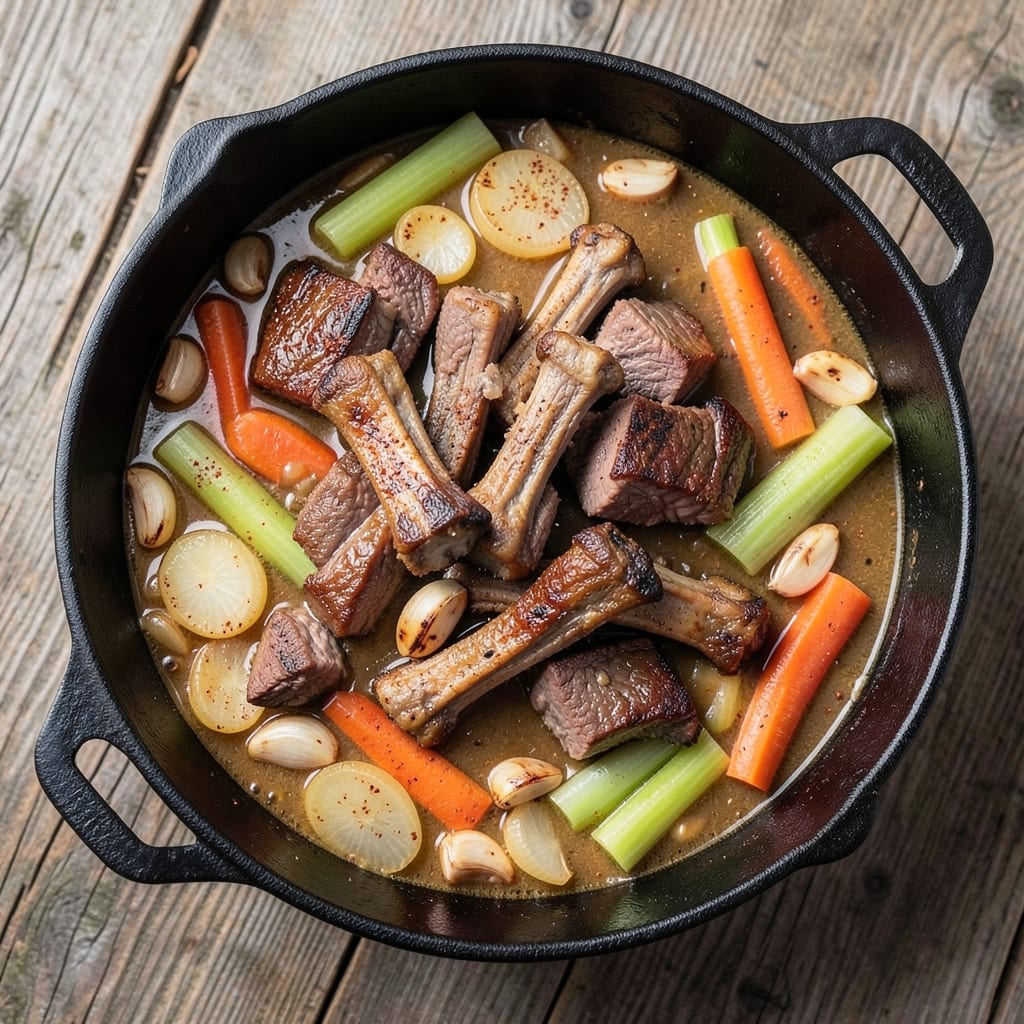
This army stew soup base recipe delivers the rich, smoky foundation that makes traditional army stew unforgettable—where every spoonful carries layers of slow-simmered flavor. The secret lies in building a deep, aromatic broth from beef bones, herbs, and spices that infuse over hours, creating a base so flavorful it transforms simple ingredients into something extraordinary. What sets this apart is the balance of earthy vegetables, tender meat, and that signature smoky depth that defines classic army stew.
The recipe begins with a proper bone broth foundation, where beef bones and aromatic vegetables simmer for hours to extract maximum flavor. This isn't just a soup—it's a labor of love that rewards patience with a broth so rich it coats every ingredient. The addition of smoked paprika and black pepper adds that signature army stew smokiness, while potatoes, carrots, and onions create a hearty vegetable medley that soaks up the flavor like a sponge.
By the time it's done, you'll have a steaming pot of army stew soup with tender chunks of beef, perfectly softened vegetables, and a broth so flavorful it stands alone. The texture is what makes it special—creamy yet substantial, with each bite offering a perfect harmony of smoky, savory, and slightly sweet notes. This is the kind of stew that warms you from the inside out, perfect for cold evenings or family gatherings.
Whether you're using a traditional pot on the stove, a slow cooker for hands-off preparation, or an Instant Pot for speed, this recipe adapts to your schedule while delivering the same restaurant-quality results. The beauty of army stew is its versatility—serve it as a complete meal with crusty bread or transform it into a base for other hearty dishes. Let's get started on creating this timeless classic.
Ingredients for army stew soup base
Rich beef bones and aromatic vegetables build the smoky foundation for unforgettable army stew.
| Ingredient | Amount | Notes |
|---|---|---|
| Beef Bones 🦴 | 3 lb | Knee and knuckle for rich broth |
| Yellow Onions 🧅 | 2 whole | Chopped, medium size preferred |
| Carrots 🥕 | 4 whole | Medium, peeled and chopped |
| Celery Stalks 🌿 | 4 whole | Chopped, includes leaves |
| Garlic Cloves 🧄 | 6 cloves | Peeled, lightly crushed |
| Smoked Paprika 🌶️ | 2 tbsp | For signature army stew smokiness |
| Ground Black Peppercorns 🌶️ | 1 tbsp | Freshly cracked for depth |
| Bay Leaves 🌿 | 2 whole | Fresh preferred, dried works |
| Thyme Sprigs 🌿 | 4 whole | Fresh, stems removed |
| Potatoes 🥔 | 2 lb | Russet, peeled and cubed |
| Beef Chuck Roast 🥩 | 2 lb | Cut into 1-inch cubes |
| Tomato Paste 🍅 | ½ cup | High-quality, no sugar added |
| Water 💧 | 8 cups | Filtered preferred for clarity |
| Salt 🧂 | 1 ½ tsp | Kosher or sea salt |
The beef bones are non-negotiable—knee and knuckle cuts deliver the deepest flavor. Local butchers or Costco often have them pre-packaged, but if not, ask for 'broth bones' at the meat counter. Fresh thyme and bay leaves should smell vibrant; if they're wilted or dusty, skip them. The smoked paprika is what gives army stew its signature depth—Penzeys or Goya brands have the best quality. For the potatoes, Russets
No smoked paprika? Liquid smoke at half the amount works in a pinch, but the flavor won't be identical. Swap beef chuck for pork shoulder or lamb shanks if you're avoiding beef. The tomato paste can be omitted entirely if you dislike its tang, but it adds a subtle sweetness that balances the smokiness. For a vegetarian version, use mushrooms and extra veggies instead of meat. The celery leaves add subtle bitterness—don't toss them! And if you're using dried herbs, reduce to one-third the amount of fresh. This broth develops flavor over time—4-6 hours minimum for stove-top, 8 hours on low for slow cooker. Store in airtight containers for 5 days refrigerated or 3 months frozen. I always make a double batch—freeze half for future soups or stews. The bones can be strained out after simmering, but save them for stock cubes or future broths. For extra richness, skim fat from the surface before storing, or freeze it in ice cube trays to use later for cooking.
Why You'll Love This Recipe
- No-Chop Nightmare: The beef bones and onion base do most of the work—just rough-chop the carrots and celery (or buy pre-cut) and toss them in. Honestly, the hardest part is waiting for the garlic to caramelize, and that’s worth it.
- Deep Umami Magic: That beef bone broth? Rich, salty, savory—it’s the kind of flavor that makes you pause mid-ladle. The onions and garlic turn sweet and sticky, while the carrots add just enough natural sweetness to balance everything.
- Base for Everything: Turn it into a hearty stew, stretch it into a potluck dish, or freeze half for later. I’ve used this to make dumplings, over rice, even as a pasta sauce. It’s my secret weapon for lazy nights and busy weeks.
- Budget-Friendly Powerhouse: Beef bones are cheap, and this recipe makes enough to feed four—or save for three meals. Between us, I’ve made this for $5 a serving, and it still tastes like I spent hours simmering. (I haven’t, but it fools everyone.)
Step-by-step instructions for army stew soup base
Build a rich, smoky foundation that transforms simple ingredients into hearty army stew.
Prepare and Sear the Beef Bones and Chuck Roast
Preheat your oven to 425°F. In a large Dutch oven, arrange the 3 lb beef bones and 2 lb beef chuck roast in a single layer. Roast for 30 minutes until they develop a deep golden brown crust. This step caramelizes the proteins and releases rich flavors into the broth.
While roasting, prepare the vegetables: Peel and chop the 2 whole yellow onions, 4 whole carrots, and 4 whole celery stalks into 1-inch chunks. Peel and lightly crush the 6 cloves garlic. Remove the bones and chuck from the oven and set aside.
Sauté Vegetables and Add Aromatics
In the same Dutch oven, add 2 tablespoons smoked paprika and 1 tablespoon ground black peppercorns to the browned bits. Stir to combine, then add the chopped onions, carrots, and celery. Cook over medium heat for 8-10 minutes until the vegetables soften and release their juices. This step builds flavor through the Maillard reaction.
Add the crushed garlic, 2 whole bay leaves, and 4 whole thyme sprigs. Stir for 30 seconds until fragrant. The garlic should just begin to turn golden—don't let it burn. This step ensures your broth has layers of aromatic depth.
Simmer the Broth with Potatoes
Return the roasted bones and chuck to the Dutch oven. Add 8 cups water, 0.5 cup tomato paste, and 1.5 teaspoons salt. Stir to combine, then bring to a boil over high heat. Once boiling, reduce heat to low and cover partially. Simmer for 2 hours, skimming any foam that rises to the surface.
After 2 hours, add the peeled and cubed 2 lb potatoes. Return to a simmer and cook uncovered for another 30-40 minutes until the potatoes are fork-tender. The broth should now have a rich, smoky aroma with deep layers of flavor.
Strain and Finish the Broth
Carefully strain the broth through a fine-mesh sieve into a clean pot, pressing gently on the solids to extract maximum flavor. Discard the solids or save for other uses. The broth should yield about 6-8 cups of rich, golden liquid with a deep smoky aroma.
Taste and adjust seasoning with additional salt if needed. This broth forms the foundation for your army stew—its depth of flavor comes from the slow simmering of bones, meat, and vegetables. Store in the refrigerator for up to 5 days or freeze for longer storage.
Pro Tips For Making Army Stew Soup Base
- CHAR THE BONES FIRST: Don’t just toss raw beef bones into the pot—give them a 20-minute head start on high heat until they turn deep brown. I learned this the hard way: skipping this step means your broth will taste bland, no matter how long you simmer. The Maillard reaction on those bones is what builds real depth.
- CHOP ONIONS COARSELY: Tiny onion pieces disappear and turn your broth mushy. Cut yellow onions into ½-inch chunks—they’ll soften beautifully but still hold shape, adding sweetness without turning to paste. (Yes, even if you’re impatient like me, resist the urge to dice them fine.)
- STRAIN THE GELATIN: After simmering, let the broth cool slightly, then strain through a fine-mesh sieve lined with cheesecloth. The gelatin from the bones gives army stew its signature thickness, but if you skip this, you’ll end up with a gritty mouthful. (Your future self will notice the difference.)
- SAUTE VEGETABLES IN BATCHES: Don’t crowd the pan when sweating onions, carrots, and celery—do it in two rounds if needed. Overcrowding steams them instead of caramelizing, which kills flavor. A hot pan and a little oil make all the difference for that rich, savory base. (Does it look weird? Yes. Does it work? Every single time.)
Wine and beer pairings for these flavors
Red Wine Pairings
A bold Cabernet Sauvignon from Napa Valley is my go-to choice for army stew—its rich, dark fruit flavors and firm tannins stand up to the smoky depth of the broth. Look for a 2018 or newer vintage with at least 14% alcohol to cut through the heartiness. The wine's blackcurrant and vanilla notes complement the stew's caramelized beef and smoky spices beautifully. 🍷
For a more affordable option, try a Zinfandel from California, particularly one labeled "old vine." The jammy raspberry flavors and peppery finish mirror the stew's smokiness without overpowering it. I've found that a 13-14% ABV Zinfandel from Lodi offers excellent value and perfect balance.
Beer Pairings
A robust amber ale with malty sweetness works wonders with army stew. I recommend Samuel Smith's Nut Brown Ale—its caramel and toasted malt notes enhance the stew's savory depth while providing a smooth finish. The beer's moderate hop bitterness (around 25 IBUs) prevents it from clashing with the smoky paprika.
For beer lovers who prefer something stronger, a Belgian-style dark ale like Rodenbach (a classic Flanders red) adds a tangy contrast that cleanses the palate between bites. The sour cherry notes in the beer complement the stew's tomato paste sweetness, creating a delightful flavor interplay. 🍺
Cider Complements
Don't overlook dry hard cider as a surprising but excellent pairing. A French cider like Domaine Dupont with its crisp acidity and subtle apple flavors provides a refreshing contrast to the stew's richness. The cider's slight effervescence helps cut through the stew's hearty texture, making each bite feel lighter.
For a more approachable option, try a dry English cider like Thatchers 100% English. The cider's honeyed apple notes and balanced acidity enhance the stew's caramelized flavors without competing. I've found that serving the cider slightly chilled (around 50°F) brings out its best qualities when paired with warm stew.
Non-Alcoholic Options
For a non-alcoholic pairing, a smoky ginger beer like Fever-Tree adds a refreshing kick that complements the stew's depth. The ginger's spicy warmth echoes the smoked paprika in the stew, while the citrus notes brighten the overall experience. Serve it ice-cold for the best contrast.
Another excellent choice is sparkling apple cider with a touch of cinnamon. The effervescence and subtle sweetness enhance the stew's savory flavors, making each bite feel more balanced. I like to add a cinnamon stick to the glass for an extra aromatic touch that ties back to the stew's warming spices. 💫
Nutrition facts
Frequently asked questions about army stew soup base
Can I make this army stew base vegetarian?
Yes! Replace the beef bones and chuck with mushrooms (portobello or cremini) and lentils or chickpeas for protein. Use vegetable broth instead of water and add extra smoked paprika for that signature smoky flavor. The texture will be heartier, but the rich broth foundation remains the same.
How long can I store the finished broth?
The broth stays fresh for 5 days refrigerated in an airtight container. For longer storage, freeze it in ice cube trays or containers for up to 3 months. Thaw overnight in the fridge before using—never at room temperature. The flavor actually improves over time as the spices meld!
What's the secret to making the broth extra smoky?
Beyond the smoked paprika, toast 1 tablespoon of whole coriander seeds in a dry pan until fragrant, then grind them before adding to the broth. Also, char a few green onions over an open flame and add them to the simmering liquid for a deeper, almost campfire-like smokiness.
Can I use this broth for other dishes besides stew?
Use it as a base for risotto, mashed potatoes, or even gravy. The rich umami flavor works perfectly in soup dumplings, braised meats, or even as a marinade. Just reduce it slightly to concentrate the flavors before using. The possibilities are endless—think of it as your new pantry superstar!
Why does my broth look cloudy?
Cloudiness usually means the broth hasn't simmered long enough to clarify. For a clearer broth, strain it through a cheesecloth-lined sieve after simmering, then skim off any remaining fat. If you prefer the rustic look, leave it as-is—the cloudiness actually adds body and richness to your stew.