
Soups & Stews
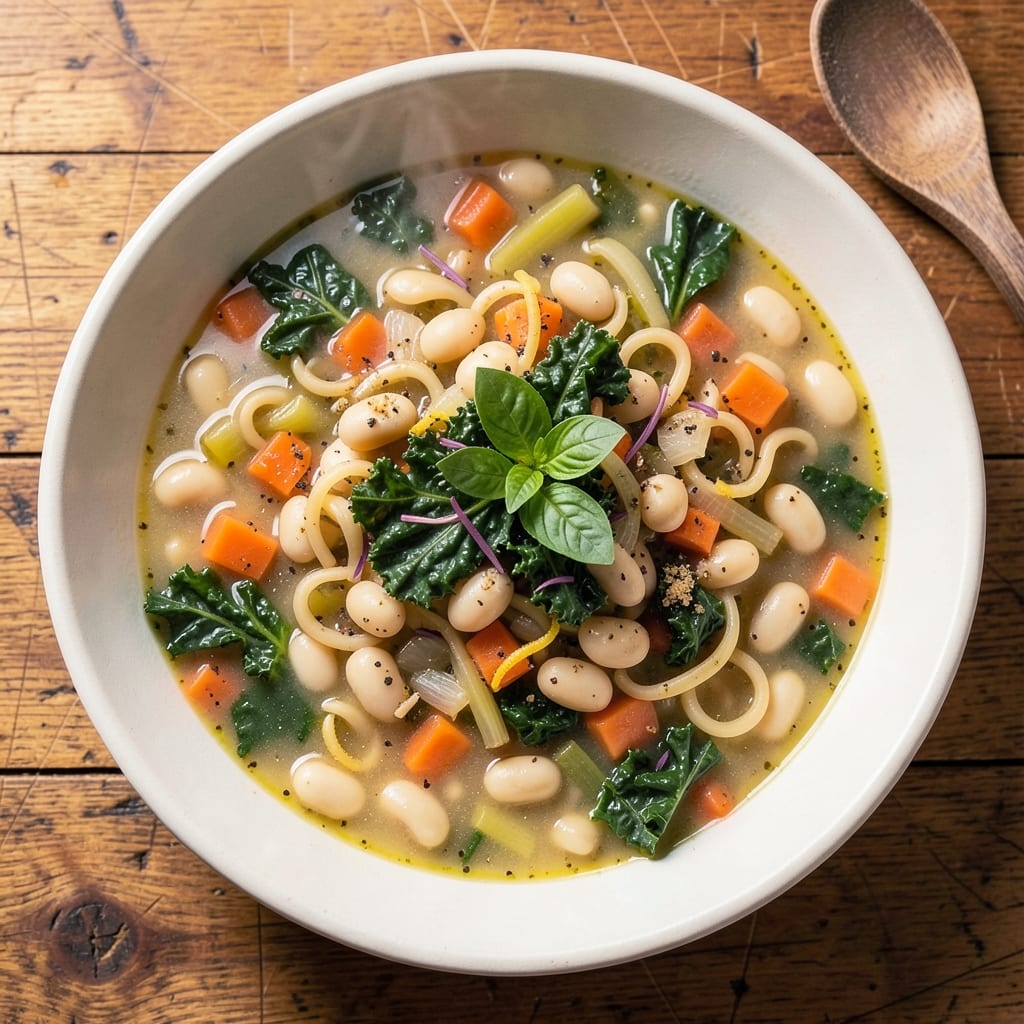
Amy's minestrone soup recipe delivers the ultimate one-pot comfort—packed with hearty beans, seasonal vegetables, and al dente pasta, all simmered into a flavorful, vegetable-rich broth. This isn’t just soup; it’s a vegetarian powerhouse that transforms simple ingredients into a restaurant-worthy meal with minimal effort. The beauty lies in its flexibility—adjust based on what’s fresh at your market while keeping that classic Italian soul intact.
What sets this minestrone apart is the layered cooking technique: beans and vegetables simmer first to build deep flavor, while pasta cooks directly in the broth for maximum absorption. No need for fancy equipment—just a large pot, 45 minutes of hands-off time, and a handful of pantry staples. The result? A bold, satisfying bowl where every spoonful delivers crisp-tender vegetables, creamy beans, and perfectly al dente pasta in a savory broth.
Perfect for chilly evenings, meal prep, or potlucks, this soup scales effortlessly—double the batch for leftovers that taste even better the next day. The optional garnishes (fresh parsley, grated parmesan, or a drizzle of olive oil) let you customize to your taste, but the base recipe stands strong on its own. Whether you’re feeding a family or just craving a nourishing bowl, this is the minestrone that delivers.
For those watching their dietary intake, this version is naturally vegetarian-friendly and easily adaptable to vegan preferences—simply swap the broth and cheese. The recipe’s structure ensures balanced nutrition without sacrificing flavor, making it a go-to for both health-conscious cooks and comfort-food lovers alike.
Ingredients for amy's minestrone soup
Six cups of flavorful broth kickstarts this vegetarian powerhouse, blending hearty beans and seasonal vegetables into a restaurant-worthy one-pot symphony.
| Ingredient | Amount | Notes |
|---|---|---|
| Vegetable Broth 💧 | 6 cups | Low-sodium preferred, homemade or quality store-bought |
| Cannellini Beans 🌾 | 2 cups | Dried or canned, drained and rinsed |
| Ditalini Pasta 🍝 | 1 ½ cups | Uncooked, al dente preferred |
| Carrots 🥕 | 2 medium | Peeled and sliced into thin rounds |
| Yellow Onion 🧅 | 1 medium | Diced into fine pieces |
| Celery Stalks 🧄 | 3 whole | Diced into small cubes |
| Garlic Cloves 🧄 | 4 cloves | Minced for aromatic base |
| Canned Diced Tomatoes 🍅 | 2 cups | San Marzano preferred, no salt added |
| Tomato Paste 🍅 | 2 tbsp | Smooth texture for depth |
| Kale Leaves 🌿 | 2 cups | Chopped, tough stems removed |
| Fresh Parsley 🌿 | ¼ cup | Chopped for garnish and freshness |
| Extra-Virgin Olive Oil 🫒 | 2 tbsp | For sautéing vegetables |
| Dried Oregano 🌿 | 1 tsp | Italian preferred for authentic flavor |
| Bay Leaves 🌿 | 2 whole | For subtle herbal depth |
| Salt 🧂 | 1 ½ tsp | Diamond Crystal kosher salt |
| Black Pepper 🌶️ | ½ tsp | Freshly ground for best flavor |
| Parmesan Cheese 🧀 | ½ cup | Freshly grated for garnish |
The vegetable broth forms the soul of this minestrone. Homemade broth delivers the deepest flavor, but quality store-bought options like Pacific Foods or Imagine work beautifully. For a richer base, consider a mushroom and carrot blend—it adds natural sweetness that complements the beans perfectly. The cannellini beans are non-negotiable; their creamy texture and mild flavor anchor the soup. If using dried, soak overnight for optimal tenderness. For canned, opt for no-salt-added varieties to control seasoning. The ditalini pasta should be al dente when cooked—test a piece early to avoid mushy results.
Vegetable prep matters here. Carrots and celery should be cut uniformly for even cooking; the onion needs to be finely diced to dissolve into the broth. San Marzano tomatoes are worth seeking out—their sweetness elevates the dish, though regular canned tomatoes work in a pinch. Kale adds a vibrant touch, but spinach or Swiss chard can substitute if preferred. For the tomato paste, Bertolli or Rao's brands are reliable choices. The fresh parsley isn't just for garnish—it brightens the final bowl. If you're short on time, dried parsley works at half the amount, though fresh is ideal. The extra-virgin olive oil should have a peppery finish—avoid overly mild varieties that won't carry through the cooking process.
This soup tastes even better the next day as flavors meld. Store in an airtight container in the refrigerator for up to 5 days, or freeze portions for 3 months. For meal prep, cook the beans and vegetables first, then reheat with fresh pasta to maintain texture. The Parmesan cheese should be grated fresh before serving—pre-grated versions lose their sharpness. To reheat, add a splash of water or broth to prevent drying. For a vegan adaptation, use nutritional yeast instead of Parmesan and a vegetable-based broth. The recipe scales effortlessly—double the ingredients for a crowd, adjusting cooking time as needed.
Why You'll Love This Recipe
- No-Chop Needed: I swear by this—just dice those carrots once, then forget about them. The onions soften into sweetness while the broth does all the work, leaving me with 10 minutes of actual effort. (Yes, even on a Tuesday night.)
- Creamy-Bean Magic: That first spoonful of cannellini beans—warm, tender, but still holding their shape—is where this soup becomes ridiculously good. The ditalini soaks up the broth like a sponge, and suddenly, simple vegetable broth tastes like a hug.
- Lunchbox Hero: Between us, this is my secret weapon for meal prep. Toss it into jars with a sprinkle of Parmesan, and it’s lunch for three days. Kids? They’ll eat the pasta first. Adults? We’re all sneaking extra spoonfuls.
- Pantry Staple Power: Honestly, I make this when I’m broke or lazy—both work. A bag of beans, a box of pasta, and whatever veggies are lingering in the crisper? Boom. Budget-friendly, no-waste, and still tastes like I slaved over it. (Not the prettiest, but the taste makes up for it.)
Step-by-step instructions for amy's minestrone soup
Here's the method to create a rich, layered minestrone with perfect texture and depth.
Sauté the Vegetable Base
Heat the 2 tablespoons extra-virgin olive oil in a large Dutch oven over medium heat. Add the 1 medium yellow onion, 2 medium carrots, and 3 whole celery stalks, all diced into even pieces. Cook for 8-10 minutes, stirring occasionally, until the vegetables soften and the onion becomes translucent.
Here's the thing—you want the vegetables to release their moisture and develop a slight caramelization. If the pan starts to dry out, add a splash of vegetable broth to prevent burning. Once the vegetables are tender but not mushy, add the 4 cloves minced garlic and cook for 30 seconds until fragrant. This aromatic base forms the flavor foundation of your soup.
Build the Tomato and Bean Foundation
Stir in the 2 tablespoons tomato paste and cook for 1 minute to deepen its flavor. Add the 2 cups canned diced tomatoes and 2 cups vegetable broth, scraping up any browned bits from the bottom of the pot. Bring the mixture to a gentle simmer, then add the 2 cups cannellini beans, 1 teaspoon dried oregano, 2 whole bay leaves, 1.5 teaspoons salt, and 0.5 teaspoon black pepper. Simmer for 15 minutes to allow the flavors to meld.
This is where the magic happens—the tomatoes and beans begin to break down slightly, creating a thick, velvety base. I like to taste the soup at this stage to check the seasoning. If it needs more salt, add it now before adding the remaining ingredients. The beans should be tender but still hold their shape.
Incorporate Pasta and Greens
Add the 1.5 cups ditalini pasta and 2 cups chopped kale leaves to the simmering soup. Stir gently to distribute the pasta evenly. The pasta will cook in the broth, absorbing the rich flavors. Simmer for 12-15 minutes, stirring occasionally, until the pasta is al dente—just slightly firm to the bite. You want it to finish cooking when served, not turn mushy.
Real talk: the kale will wilt and soften as it cooks. If the soup starts to look too thick, add ½ cup vegetable broth to loosen it. The pasta should be tender but still have a slight bite—this ensures it holds up when served. Remove and discard the bay leaves before proceeding.
Finish and Serve
Once the pasta is cooked to perfection, remove the pot from heat. Let the soup rest for 5 minutes to allow the flavors to settle. Taste and adjust the seasoning if needed—sometimes the pasta absorbs a bit of the broth, concentrating the flavors. Ladle the soup into bowls and garnish each serving with 0.25 cup freshly grated Parmesan cheese and a sprinkle of 0.25 cup chopped fresh parsley.
The Parmesan adds a salty, umami richness that balances the earthy flavors of the vegetables and beans. The parsley not only adds freshness but also brightens the dish visually. Serve immediately while the pasta is hot and the broth is steaming—this minestrone is best enjoyed fresh from the pot.
Pro Tips For Making Amy'S Minestrone Soup
- SOFTEN BEANS FIRST: I learned this the hard way—skipping the overnight soak for cannellini beans makes them turn to mush in minestrone. If you’re using dried, start them in water 8+ hours ahead (or at least 2 hours in boiling water). Canned beans? Drain and rinse thoroughly—that starchy water hides in the soup and thickens it into glue.
- SWIM THE PASTA: Ditalini’s tiny but stubborn—if you dump it in at the end, you’ll end up with a mushy pile. Add it 8-10 minutes before serving, but stir it into the broth first so every noodle gets moving. No more digging for hidden bites (yes, even if you’re impatient like me).
- CARROT CUT MATTERS: Julienne those carrots evenly—thin slices dissolve into nothing, while thick chunks turn to mush. Aim for ¼-inch sticks, and if you’re short on time, microwave them for 2 minutes before adding to the pot. They’ll soften faster and hold their shape.
- SALT THE BROTH HARD: Vegetable broth is usually bland, and minestrone needs bold flavor. Taste the broth before adding beans or pasta—add 1½ tsp salt per quart (or more if it’s store-bought). The beans and pasta will soak up the seasoning, so don’t hold back. (Your future self will thank you.)
Perfect pairings for these flavors
Bread Pairings
Serve this hearty minestrone with crusty Italian bread to soak up every last drop of flavor. I love using a ciabatta loaf from Trader Joe’s—its open crumb structure holds up perfectly to the thick, vegetable-rich broth. For a lighter option, toasted baguette slices work beautifully, especially when rubbed with a garlic clove and sprinkled with flaky sea salt. 🥖
Cheese Board Accompaniments
Turn your minestrone into a full Italian-inspired meal by pairing it with a simple cheese board. Include Pecorino Romano for its sharp, tangy bite that complements the soup’s earthy flavors, Mozzarella di Bufala for creamy richness, and Provolone for a milder option. Add cured meats like soppressata if you’re not keeping it strictly vegetarian, along with roasted red peppers and olives for extra depth. 🧀
Wine Pairings
For a classic Italian match, reach for a Chianti Classico—its bright acidity and cherry notes cut through the soup’s heartiness. If you prefer white wine, a Vermentino from Sardinia offers crisp citrus notes that refresh the palate. For a budget-friendly option, Pinot Grigio works beautifully, especially if you add a squeeze of lemon to your bowl. 🍷
Crunchy Toppings
Add texture and freshness with toasted pine nuts or walnuts—just sprinkle 1 tablespoon per bowl before serving. For a smoky twist, top with crumbled pancetta (omit for vegan versions) or smoked paprika. A drizzle of high-quality extra-virgin olive oil (like Colavita) adds a luxurious finish. 🌰
Dessert Complements
Balance the meal’s richness with a light, citrusy dessert. A lemon sorbet or panna cotta with berry compote cleanses the palate beautifully. For something simpler, serve affogato—vanilla gelato drowned in a shot of espresso—while you sip your wine. The contrast between the warm soup and cool dessert is pure comfort. 🍋
Seasonal Additions
In summer, add grilled zucchini or eggplant to the soup as a side. For fall, roast butternut squash cubes and serve alongside for extra warmth. Winter calls for sautéed mushrooms or caramelized onions—both add depth and heartiness to the meal. 🍂
Nutrition facts
Frequently asked questions
Can I make this minestrone soup vegan?
Swap the vegetable broth for a vegan-friendly version (like mushroom or lentil-based) and omit the Parmesan cheese. Use nutritional yeast for a cheesy flavor instead. The rest of the recipe stays the same—just ensure all ingredients are plant-based.
How do I prevent the pasta from getting mushy?
Cook the pasta directly in the broth for 12-15 minutes (not the full package time) and stir occasionally. Remove it 1-2 minutes early—it’ll finish cooking while resting. Also, avoid overcrowding the pot; use a large Dutch oven to give the pasta room to move.
Can I use dried beans instead of canned?
Yes, but soak them overnight first! Use 1 cup dried cannellini beans (which equals ~2 cups cooked). Drain and rinse well before adding to the pot. Simmer them for 45-60 minutes until tender, then proceed with the recipe. For faster prep, use the quick-soak method: boil for 2 minutes, then let sit for 1 hour before cooking.
What if I don’t have ditalini pasta?
Use any small, sturdy pasta like orzo, small shells, or acini di pepe. Avoid large shapes (like penne) that won’t cook evenly in the broth. For a gluten-free option, try chickpea or lentil pasta—just check the cooking time on the package.
Why does my minestrone taste bland?
Check your seasoning! Taste the broth before adding pasta—it should be savory, not salty. Boost flavor by adding 1 extra bay leaf, ½ teaspoon red pepper flakes, or a splash of balsamic vinegar at the end. Fresh herbs (like basil) also brighten the dish.