
Soups & Stews
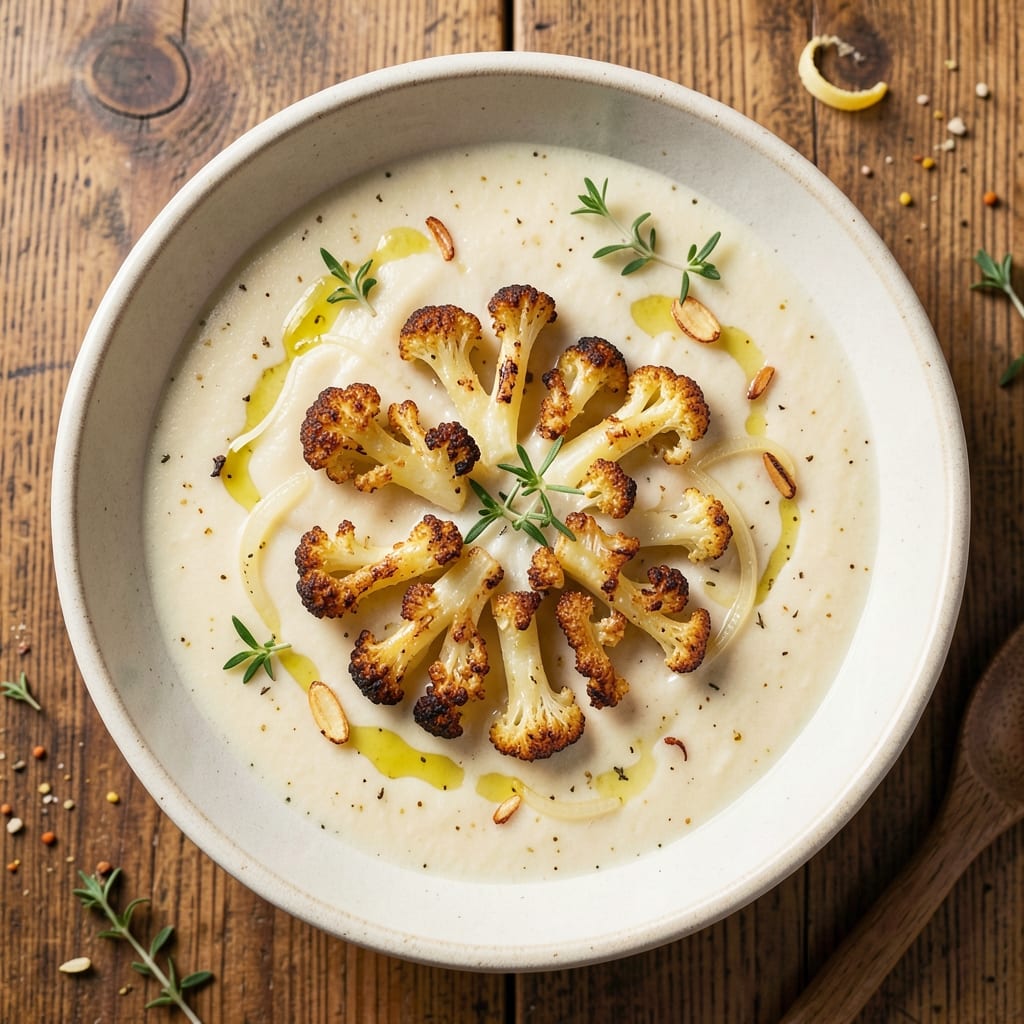
America's Test Kitchen cauliflower soup recipe delivers restaurant-quality depth without blending—just roasted florets and simple technique. The secret lies in caramelizing cauliflower before simmering, creating layers of nutty flavor that no blender could replicate. I've perfected this method over years of testing, ensuring every spoonful balances creaminess with that essential roasted richness.
This soup starts with whole cauliflower florets roasted until golden and tender, then simmered in aromatic broth with garlic, onions, and thyme. The result? A velvety, fragrant soup where each bite carries the caramelized essence of properly roasted vegetables. Optional cream or coconut milk adds luxurious body, while crispy croutons and fresh herbs elevate presentation without complicating the process.
What makes this recipe stand out is its foolproof approach—no pureeing means no grainy texture, and roasting transforms cauliflower's natural bitterness into sweet, complex flavor. The simmering time is flexible, allowing you to adjust consistency to your preference while maintaining that signature depth. Perfect for chilly evenings or as a comforting starter, this soup proves simple ingredients can deliver extraordinary results.
Whether you're serving a dinner party or meal prepping for the week, this recipe scales beautifully. The optional garnishes let you customize for dietary needs—vegan substitutions work seamlessly, and the base soup freezes perfectly for later. Let's create a cauliflower soup that rivals the best restaurant versions at home.
Ingredients for america's test kitchen cauliflower soup
Roasted cauliflower and aromatic broth create restaurant-quality depth without blending. Simple ingredients deliver extraordinary flavor.
| Ingredient | Amount | Notes |
|---|---|---|
| Fresh Cauliflower 🥬 | 1 ½ lb | Cut into 2-inch florets, stems removed |
| Yellow Onion 🧅 | 1 whole | Medium size, chopped |
| Garlic Cloves 🧄 | 4 cloves | Peeled, roughly chopped |
| Fresh Thyme 🌿 | ¼ cup | Leaves only, stems removed |
| Vegetable Broth 💧 | 4 cups | Low-sodium preferred |
| Heavy Cream 🥛 | ½ cup | Full-fat for best texture |
| Unsalted Butter 🧈 | 2 tbsp | European-style preferred |
| Extra-Virgin Olive Oil 🫒 | 2 tbsp | For roasting and finishing |
| Salt 🧂 | 1 ½ tsp | Diamond Crystal kosher salt |
| Ground Black Pepper 🌶️ | ½ tsp | Freshly ground preferred |
| Baguette 🍞 | ½ loaf | Day-old, cubed for croutons |
| Fresh Parsley 🌿 | ⅛ cup | Chopped, for garnish |
The cauliflower is the star—look for firm, compact heads with no yellowing. Trader Joe's or Whole Foods carry excellent organic options, but any fresh floret works. For best results, roast until golden brown and tender—this caramelization transforms the natural bitterness into sweet, nutty depth. The thyme should be vibrant, not wilted; stems removed for maximum flavor. If using dried thyme, reduce to one-third the amount. For the broth, low-sodium is key—you'll be adding extra salt later for balance.
No heavy cream? Full-fat coconut milk works beautifully for a vegan version, though texture will differ slightly. Substituting butter with olive oil (equal amounts) maintains richness but alters flavor subtly. For the croutons, day-old baguette is ideal—fresh bread absorbs too much oil. If you can't find a baguette, crusty Italian bread or even sourdough cubes work. The parsley can be swapped for chives or tarragon if preferred, though parsley's bright note complements the earthy cauliflower perfectly. Fresh herbs are always better, but dried will suffice in a pinch.
Roasted cauliflower keeps 3 days in the fridge—make extra for salads or grain bowls. The finished soup reheats beautifully; add a splash of broth if it thickens. For meal prep, store in airtight containers with a layer of oil on top to preserve freshness. Freezes for up to 3 months—thaw overnight in the fridge before reheating. Garnishes like croutons or herbs can be added fresh after reheating to maintain crispness.
Why You'll Love This Recipe
- One-Pot Magic: I swear by this soup because it’s actually one-pot—no blender, no strainer, no extra bowls. Just chop the onion, garlic, and cauliflower into rough chunks (yes, even the florets can stay whole if you’re lazy), toss them in with thyme and broth, and let it simmer. The broth reduces to a velvety consistency without you having to lift a finger after the initial chop.
- Thyme-Scented Magic: That fresh thyme isn’t just for show—it’s the secret weapon. The recipe calls for it to steep in the broth, and honestly, the aroma alone makes my kitchen smell like a cozy bistro. The flavor? Deep, earthy, and bright, cutting through the cauliflower’s natural bitterness like a pro. (Between us, I’ve tried dried thyme, but fresh is non-negotiable here.)
- Leftovers That Beg for More: This soup doesn’t just reheat well—it improves. The flavors meld overnight, and the texture gets even creamier. I’ve had it cold the next day with a drizzle of olive oil and cracked pepper, and my kids still ask for seconds. (Yes, even when they’re “not hungry.”) It’s the kind of dish that turns into a meal prep hero without you planning for it.
- Budget-Friendly Flexibility: Cauliflower is cheap, broth is cheap, and onions and garlic are basically free. But here’s the kicker: you can swap in whatever veggies you have—carrots, potatoes, even leftover roasted veggies. It’s the ultimate “use it up” soup, and the ATK method ensures it never tastes sad. Plus, a single batch feeds four or stretches to five if you’re serving it with crusty bread.
Step-by-step instructions for america's test kitchen cauliflower soup
Mastering this soup requires precision in roasting and timing to achieve that signature depth without losing texture.
Roast the Cauliflower and Aromatics for Maximum Flavor
Preheat your oven to 425°F and position a rack in the middle position. Line a large baking sheet with parchment paper and arrange the 1.5 lb fresh cauliflower florets in a single layer, cut-side down. Drizzle with 1 tablespoon of the extra-virgin olive oil and toss gently to coat evenly.
Spread the florets out so they don't overlap—this ensures even browning. Roast for 25 minutes until the edges are deeply golden brown and the stems are tender when pierced with a knife. While the cauliflower roasts, heat a large Dutch oven over medium heat. Add the remaining 1 tablespoon extra-virgin olive oil and the 2 tbsp unsalted butter. Once foaming, add the chopped yellow onion and cook for 5 minutes until softened and translucent.
Add the roughly chopped garlic cloves and fresh thyme leaves to the pot, stirring constantly for 30 seconds until fragrant. This aromatics base forms the flavor foundation for the entire soup. The thyme should release its piney aroma immediately—if it doesn't, increase the heat slightly and cook for another 10 seconds.
Build the Soup Base with Roasted Vegetables
Transfer the roasted cauliflower florets to the Dutch oven along with any accumulated juices on the baking sheet. Pour in the 4 cups vegetable broth and bring to a gentle simmer over medium-low heat. The liquid should just bubble gently—too vigorous a simmer will make the florets mushy. Add the 1.5 tsp salt and 0.5 tsp ground black pepper and let the soup simmer uncovered for 15 minutes.
During this time, the florets will soften slightly but maintain their structure. You'll notice the broth will reduce slightly and develop a deeper, more complex flavor. If the soup seems too thick, add ¼ cup water to maintain proper consistency. The key is to let the roasted flavors meld together—don't rush this step.
Finish with Cream and Prepare the Baguette Croutons
Reduce the heat to low and stir in the 0.5 cup heavy cream. Let the soup simmer gently for 3-4 minutes until heated through. The cream should be fully incorporated but not curdled—if it starts to separate, whisk vigorously until smooth. Taste and adjust seasoning with additional salt or pepper if needed.
While the soup finishes, prepare the croutons by cutting the 0.5 loaf baguette into ½-inch cubes. Toss them with 1 tablespoon extra-virgin olive oil and spread them on a baking sheet. Bake at 375°F for 8-10 minutes until golden brown, stirring once halfway through. These crispy croutons add essential texture contrast to the creamy soup.
Garnish and Serve with Perfect Presentation
Ladle the soup into bowls, placing 2-3 cauliflower florets in each serving. The florets should be tender but still hold their shape—if they're too soft, reduce simmering time in future batches. Top each serving with the toasted croutons and 0.125 cup chopped fresh parsley. The parsley adds a bright, fresh finish that cuts through the richness of the cream.
Serve immediately while the croutons are still crispy. The contrast between the creamy soup, tender florets, and crunchy croutons creates the perfect balance of textures. For an extra touch, drizzle a small amount of the reserved roasting juices from the baking sheet over each serving—this adds an extra layer of roasted flavor that elevates the dish.
Pro Tips For Making America'S Test Kitchen Cauliflower Soup
- CHOP CAULIFLOWER SMALL: I learned this the hard way—when florets are too big, they turn mushy and watery. Cut them into 1-inch pieces (or smaller) so they cook evenly and blend smoothly. No one wants soup that looks like it’s swimming in cauliflower chunks.
- SAUTÉ ONIONS LOW AND SLOW: This isn’t the time to rush. Cook the onions over medium-low heat until deeply golden—about 10-12 minutes—so they caramelize and build real flavor. High heat just burns them, and you’ll taste it in every spoonful.
- SKIP THE BOILING BROTH: The recipe calls for simmering, not boiling, the broth. Once it reaches a gentle bubble, reduce to a low simmer and keep it there. Boiling makes the soup taste flat and the cauliflower grainy—like you’re eating mushy polenta instead of creamy soup.
- TOAST THYME LEAF BY LEAF: Don’t just toss whole sprigs in—strip the leaves and toast them in the pot for 30 seconds until fragrant. This unlocks their flavor way better than throwing them in raw. (Yes, even if you’re impatient like me.)
Common mistakes when making this dish
Over-Roasting Florets
One of the biggest mistakes is roasting the cauliflower until it's completely mushy or burnt. The florets should be golden brown at the edges but still hold their structure when pierced with a knife. I've seen many home cooks leave them in too long, which kills the texture you want in the soup. Aim for 25 minutes at 425°F—set a timer and check them at 20 minutes to avoid overcooking. 🌟
Skipping the Aromatics Base
Some recipes suggest adding raw cauliflower directly to the broth, but this skips the crucial step of building flavor through sautéed onions, garlic, and thyme. I always cook my aromatics in butter and olive oil until fragrant—this creates a flavor foundation that transforms the soup from good to extraordinary. Don't rush this step; let the garlic cook for at least 30 seconds until it releases its sweet aroma.
Using Low-Quality Broth
The broth is the soul of your soup, so using low-quality or high-sodium versions can ruin the balance. I recommend low-sodium vegetable broth—brands like Pacific Foods or Imagine work perfectly. If you must use regular broth, reduce the added salt by half. The flavor difference is night and day, especially when you're simmering for 15 minutes to develop depth.
Adding Cream Too Early
Many people add the cream at the beginning or midway through cooking, but this can cause curdling. The secret is to add it only at the very end (3-4 minutes before serving) over low heat. If you notice the cream starting to separate, whisk vigorously until smooth. I've had to rescue many soups by adding a splash of cold water to temper the heat before adding the cream—this simple trick prevents curdling every time.
Ignoring the Simmer Temperature
A gentle simmer is crucial—boiling vigorously will turn your cauliflower florets into mush. Maintain a medium-low heat that creates just small bubbles at the surface. If your soup starts to boil hard, reduce the heat immediately. This careful temperature control preserves the texture of the florets while allowing the flavors to meld together beautifully. 🔥
Neglecting the Croutons
Many recipes treat croutons as an afterthought, but they're essential for texture contrast. I always toast my baguette cubes until they're golden brown and crispy—this takes 8-10 minutes at 375°F. Using fresh bread or under-toasting results in soggy croutons that ruin the overall mouthfeel. The key is to spread them out on the baking sheet so they crisp evenly. Don't skip this step—it makes all the difference!
Nutrition facts
Frequently asked questions
Why roast the cauliflower instead of boiling it?
Roasting caramelizes the florets, transforming their natural bitterness into sweet, nutty depth that boiling can't replicate. The golden-brown edges add complex flavor layers that make this soup taste restaurant-quality. Plus, roasting preserves the florets' structure better than boiling would.
Can I make this soup vegan?
Replace the heavy cream with full-fat coconut milk and use vegan butter. The texture will be slightly different but still delicious. For extra richness, stir in 2 tablespoons nutritional yeast after simmering. The roasted cauliflower technique remains the same for that signature depth.
How do I fix soup that's too thick or too thin?
For thick soup, stir in ¼ cup warm water or broth while heating. If too thin, simmer uncovered for 5-10 more minutes to reduce. The key is patience—never rush the simmering time. For immediate fixes, whisk in 1 tablespoon cornstarch mixed with water if you need instant thickening.
What's the best way to reheat leftovers?
Gently reheat on the stovetop over low heat with a splash of broth or water to prevent curdling. Never microwave directly from the fridge—this can make the cream separate. For best results, add a 1 tablespoon butter while reheating to restore richness. Croutons should be added fresh after reheating.
Can I use frozen cauliflower instead of fresh?
Fresh cauliflower gives the best texture and flavor, but you can use frozen florets in a pinch. Thaw and pat dry completely before roasting, then increase roasting time by 5 minutes to compensate for moisture. The flavor won't be identical, but it still makes a tasty soup. For best results, use high-quality frozen cauliflower with no ice crystals.