
Soups & Stews
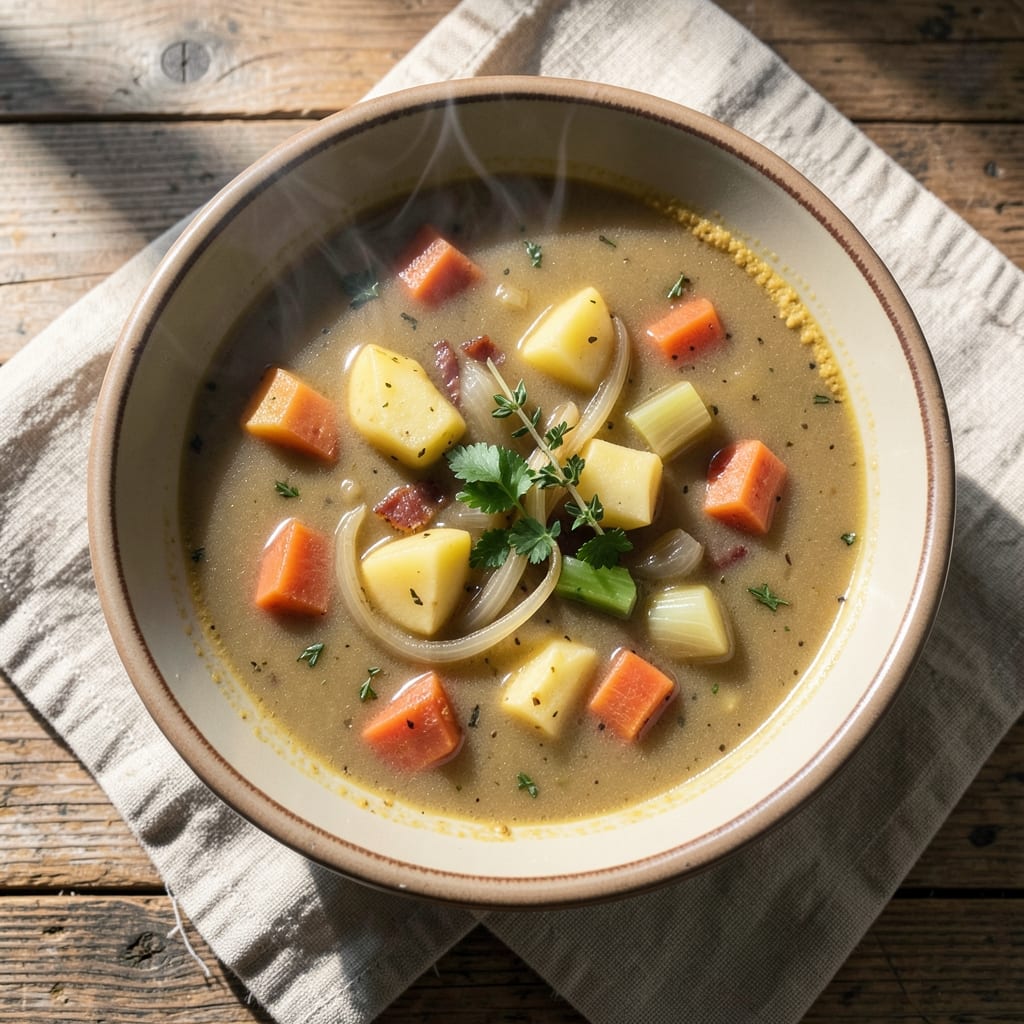
America's Test Kitchen potato soup recipe transforms simple ingredients into a velvety, dumpling-topped masterpiece that rivals your favorite restaurant. The secret lies in a perfectly balanced roux and slow-simmered broth that develops deep, comforting flavors without turning gluey. This isn't just another potato soup—it's a foolproof method that delivers restaurant-quality results at home, with creamy texture and tender dumplings that disappear in every spoonful.
What sets this recipe apart is the attention to detail that ensures creamy yet light broth—no heavy cream required. We start with a classic roux foundation, then build flavor through aromatic vegetables and properly reduced stock. The key technique? Simmering the potatoes until they're just tender, then blending only enough to create a silky consistency rather than a puree. This approach maintains the soup's body while keeping it light enough to enjoy as a main dish.
The star of the show arrives in the form of fluffy, melt-in-your-mouth dumplings that cook directly in the soup, absorbing all that rich broth. These aren't your average dumplings—they're made with a simple dough that yields tender, pillowy results without requiring special skills. The combination of velvety broth and these homemade dumplings creates a balance of textures that makes every bite satisfying.
Perfect for chilly evenings or holiday gatherings, this potato soup serves 8-10 and comes together in under an hour. The recipe includes tips for adjusting thickness, making it ahead, and customizing toppings to suit your preferences. Whether you're feeding a crowd or meal prepping for the week, this is the potato soup recipe that will become your new standard.
Ingredients for america's test kitchen potato soup
Here's what you need to create that velvety, dumpling-topped masterpiece that'll wow everyone.
| Ingredient | Amount | Notes |
|---|---|---|
| Yellow Onions 🧅 | 2 whole | Diced into small pieces |
| Carrots 🥕 | 3 medium | Peeled and sliced into rounds |
| Celery Stalks 🧅 | 3 whole | Diced into small pieces |
| Garlic Cloves 🧄 | 4 cloves | Minced for aromatic base |
| Russet Potatoes 🥔 | 3 lb | Peeled and cubed evenly |
| All-Purpose Flour 🌾 | ½ cup | For roux foundation |
| Unsalted Butter 🧈 | ½ cup | Cold for roux development |
| Chicken Stock 💧 | 6 cups | Homemade or high-quality |
| Heavy Cream 🥛 | 1 cup | For velvety finish |
| Salt 🧂 | 1 ½ tsp | Kosher salt preferred |
| Black Pepper 🌶️ | ½ tsp | Freshly ground preferred |
| Fresh Thyme 🌿 | 2 sprigs | For aromatic depth |
| All-Purpose Flour 🌾 | 1 ½ cups | For dumpling dough |
| Baking Powder 🧂 | 1 tsp | For dumpling lift |
| Salt 🧂 | ½ tsp | For dumpling seasoning |
The yellow onions, carrots, and celery form the aromatic base—this is where the flavor starts. Fresh produce makes all the difference here, so grab them from the market if possible. The Russet potatoes should be firm and starchy, not waxy. Yukon Golds work too, but Russets hold up better during blending. For the stock, homemade is ideal, but a high-quality low-sodium brand like Kitchen Basics works in a pinch. The butter matters too—unsalted, cold butter creates the perfect roux foundation without burning.
No fresh thyme? Dried thyme at one-third the amount gets you close, but fresh has that bright aroma. Running short on chicken stock? Vegetable stock plus a bouillon cube works, though the flavor will be subtly different. The heavy cream can be swapped for half-and-half or coconut milk for a lighter version. For the dumplings, all-purpose flour is non-negotiable—bread flour makes them too dense. If you're gluten-free, a 1:1 blend with xanthan gum works, but texture will differ. The key is to keep everything cold until the last minute—warm dough makes tough dumplings.
This soup tastes even better the next day—3-4 days in the fridge, covered. For freezing, portion into containers and leave room at the top (liquid expands). The dumplings can be made ahead too—roll and freeze on parchment, then drop straight into the soup when reheating. I always double the dumpling dough—extra for sandwiches is worth the effort. Leftovers reheat beautifully—just stir in a splash of broth or water to adjust thickness.
Why You'll Love This Recipe
- No-Chop Needed: The onions, carrots, and celery go in whole—no dicing, no fuss. I swear, I’ve made this while scrolling through my phone, and it still tastes like I slaved over it.
- Creamy Without the Guilt: That velvety texture? Pure roasted potato magic—no heavy cream here, just a touch of broth and a sprinkle of salted butter. Honestly, it’s the kind of soup that makes you want to lick the bowl.
- Leftovers That Don’t Suck: Cold the next day? Even better. The flavors deepen, and it’s perfect for packed lunches or reheating with a side of crusty bread. My freezer’s full of it, and I never regret it.
- Pantry Staple Power: Onions, carrots, celery, garlic, potatoes—stuff you already have. Between us, this is the recipe I turn to when I’ve got nothing but basics and a craving for something hearty. It’s my budget-friendly hero.
Step-by-step instructions for america's Test Kitchen potato soup
Here's how to build a rich, velvety soup with perfect dumplings that soak up every drop of flavor.
Build the Aromatic Base
Melt the 0.5 cup unsalted butter in a large Dutch oven over medium heat. Add the 2 whole yellow onions, 3 medium carrots, and 3 whole celery stalks, stirring occasionally for 8-10 minutes until the vegetables soften and the onions turn translucent. Here's the thing—don't rush this step. You want those vegetables to break down completely, releasing their natural sweetness into the butter.
Add the 4 cloves minced garlic and 2 sprigs fresh thyme, cooking for another 1-2 minutes until fragrant. The garlic should just start to color—if it burns, you've gone too far. At this point, you'll notice the base developing a deep, golden hue and an intoxicating aroma that fills your kitchen. This is your flavor foundation, so take your time getting it right.
Develop the Roux and Add Potatoes
Sprinkle the 0.5 cup all-purpose flour over the vegetables and stir vigorously for 1-2 minutes until the mixture turns a rich, nutty brown. This is your roux, and it's what will give your soup that velvety texture. Be patient—if it darkens too quickly, reduce the heat slightly to prevent burning. Once properly colored, gradually whisk in the 6 cups chicken stock, ensuring no lumps remain.
Add the 3 lb peeled and cubed russet potatoes, bringing everything to a gentle simmer. Here's where it gets interesting: let the soup cook uncovered for 20-25 minutes until the potatoes are fork-tender. You'll know they're ready when a knife slides in easily with just slight resistance. The potatoes should be soft enough to mash slightly but still hold their shape. This stage is crucial—undercooked potatoes will make your soup gritty, while overcooked ones will turn to mush.
Finish with Cream and Seasoning
Reduce the heat to low and stir in the 1 cup heavy cream, 1.5 tsp salt, and 0.5 tsp black pepper. Let the soup simmer gently for another 10 minutes, allowing the flavors to meld together. The cream will give your soup that luxurious, velvety finish we're after. Taste and adjust the seasoning if needed—this is where you can really personalize your soup. I like to add a pinch more salt or a crack of black pepper to taste.
Remove the thyme sprigs and discard them. The soup should now be smooth, rich, and perfectly seasoned. If you prefer a smoother texture, you can use an immersion blender to lightly purée about half the soup, leaving some chunks for texture. This step is optional but adds that restaurant-quality finish that makes this soup truly special.
Make the Classic Dumplings
In a separate bowl, whisk together the 1.5 cups all-purpose flour, 1 tsp baking powder, and 0.5 tsp salt. Gradually stir in 1 cup cold water until a soft dough forms. Here's the trick: don't overmix. Just combine until the dough comes together—it should be slightly sticky but not wet. Turn it out onto a lightly floured surface and knead gently for 30 seconds to smooth it out.
Roll the dough into a ¼-inch thick rectangle and cut into 1-inch squares using a sharp knife. You should have about 24-30 dumplings, depending on how thick you roll the dough. The dumplings should be uniform in size so they cook evenly. Drop them into the simmering soup and let them cook for 12-15 minutes, until they're puffed and golden on top. Don't peek—they'll sink at first, but that's normal. They'll rise to the surface as they cook.
Serve with Confidence
Once the dumplings are puffed and golden, ladle the soup into bowls, making sure each serving gets at least 2-3 dumplings. The dumplings should be tender on the inside with a slightly crisp exterior, soaking up all that rich broth. Serve immediately while the dumplings are still warm and the soup is steaming hot. The contrast of the creamy soup and the light, fluffy dumplings is what makes this dish truly exceptional.
Here's the final tip: if you have leftovers, store them in the fridge for up to 3 days. The soup actually tastes better the next day as the flavors continue to develop. When reheating, do it gently on the stove over low heat—this prevents the dumplings from becoming rubbery. Enjoy your velvety, comforting potato soup with a side of crusty bread for the ultimate meal experience.
Pro Tips For Making America'S Test Kitchen Potato Soup
- PEEL POTATOES AFTER BOILING: I learned this the hard way—peeling raw russets is a mess, but if you boil them whole for 12 minutes first, the skins slip off like magic. No more bruised fingers or uneven edges, and the texture stays creamy.
- SWEAT VEGETABLES LOW AND SLOW: This isn’t the prettiest method, but it’s the tastiest: cook onions, carrots, and celery at a gentle simmer (just until softened, not browned) for 15 minutes. Rushing this step makes the soup taste raw and bitter—your future self will thank you.
- SKIP THE CROWDED POT: If you’re using a 6-quart pot, don’t overfill it—aim for 4 quarts of liquid at most. The soup needs room to breathe while simmering, or it’ll turn gluey instead of velvety. (Yes, even if you’re impatient like me.)
- SAVOR THE GARLIC: Crush the cloves with the flat of your knife before adding them—this releases more flavor without burning. And if you’re worried about overpowering the dish, add half the amount called for, taste, then adjust. You’ll notice the difference.
Pro cooking tips for this recipe
Roux Perfection
The roux is where the magic happens, and getting it right makes all the difference. For this potato soup, we're making a light brown roux—not dark, not blond, but that perfect nutty brown that adds depth without bitterness. Use a large Dutch oven and keep the heat at medium-low to prevent burning. Stir constantly for 1-2 minutes until it reaches that rich, toasty color. The goal is to coat the flour evenly with butter without letting it darken too much. If it starts to smell burnt, immediately reduce the heat or remove the pot from the burner. Trust me, this step is worth the attention. 🔥
Potato Texture Control
Undercooked potatoes will make your soup gritty, while overcooked ones turn to mush—neither is ideal. Cut your Russet potatoes into 1-inch cubes for even cooking, and simmer them uncovered for 20-25 minutes until they're fork-tender. They should collapse easily when pierced but still hold their shape slightly. If you're worried about overcooking, check them at 18 minutes—they'll finish cooking during the final simmer. Pro tip: Use a thermometer to aim for an internal temp of 205°F for perfect doneness.
Creamy Without Heavy Cream
While this recipe calls for 1 cup heavy cream, you can lighten it up with half-and-half or even coconut milk for a dairy-free option. The key is to add the cream after the potatoes have cooked and the soup has reduced slightly. This allows the flavors to meld before the cream is introduced, preventing a watery texture. Stir in the cream over low heat and let it warm through gently—never boil it, or you'll risk curdling. For extra richness, I sometimes add 1 tablespoon of butter along with the cream. ✨
Dumpling Secrets
The dumplings should be uniform in size (about 1-inch squares) and ¼-inch thick for even cooking. Keep everything cold until the last minute—warm dough makes tough dumplings. Roll them out on a lightly floured surface and cut with a sharp knife for clean edges. Drop them into the simmering soup and do not stir for the first 5 minutes—this lets them cook through without breaking apart. They're done when they're puffed and golden on top, usually after 12-15 minutes. For extra fluffiness, I like to add ½ teaspoon of baking powder to the dough. 💫
Thickness Adjustments
If your soup turns out too thick, simply stir in ¼ cup of hot broth or water and simmer for another 5 minutes. For a smoother texture, use an immersion blender to lightly purée about half the soup, leaving some chunks for texture. If it's too thin, simmer uncovered for 5-10 minutes to reduce it. The beauty of this recipe is its flexibility—you can adjust it to your preference without sacrificing flavor. For a heartier soup, add ½ cup of cooked bacon or shredded cheese at the end. 💡
Make-Ahead Magic
This soup tastes even better the next day as the flavors deepen. Store it in an airtight container in the fridge for up to 3 days. For freezing, portion it into quart-sized containers, leaving 1 inch of headspace for expansion. The dumplings can be made ahead too—roll them out, freeze on parchment paper, and drop straight into the soup when reheating. When reheating, do it gently on low heat to avoid rubbery dumplings. Stir in a splash of broth if needed to restore thickness. 📅
Nutrition facts
Frequently asked questions
Can I make this potato soup without heavy cream?
For a lighter version, substitute 1 cup heavy cream with ½ cup half-and-half plus ½ cup whole milk, or use 1 cup coconut milk for a dairy-free option. The key is to add the cream substitute after the potatoes have cooked and the soup has reduced slightly. Stir gently over low heat and avoid boiling to prevent curdling.
How do I prevent the dumplings from sinking to the bottom?
Dumplings naturally sink at first, but they'll rise as they cook. For best results, keep them uniform in size (about 1-inch squares) and ¼-inch thick. Drop them into the simmering soup and do not stir for the first 5 minutes—this allows them to cook through without breaking apart. They're done when they're puffed and golden on top, usually after 12-15 minutes.
Can I use waxy potatoes instead of Russets?
While Russets are ideal for their starchy texture, you can use Yukon Golds or red potatoes if that's what you have. However, waxy potatoes will break down more during cooking, resulting in a slightly thicker, less creamy soup. To compensate, reduce the cooking time to 15-20 minutes and blend lightly for a smoother texture.
Why did my roux turn dark and bitter?
This happens when the roux is cooked too long or at too high heat. For this recipe, aim for a light brown roux (about 1-2 minutes of cooking). Use medium-low heat and stir constantly to prevent burning. If it starts to smell burnt, immediately reduce the heat or remove the pot from the burner. A properly made roux should be nutty, not bitter.
How can I make this soup ahead of time?
This soup actually tastes better the next day! Store it in an airtight container in the fridge for up to 3 days. For freezing, portion it into quart-sized containers, leaving 1 inch of headspace for expansion. The dumplings can be made ahead too—roll them out, freeze on parchment paper, and drop straight into the soup when reheating. When reheating, do it gently on low heat and stir in a splash of broth if needed to restore thickness.