
Soups & Stews
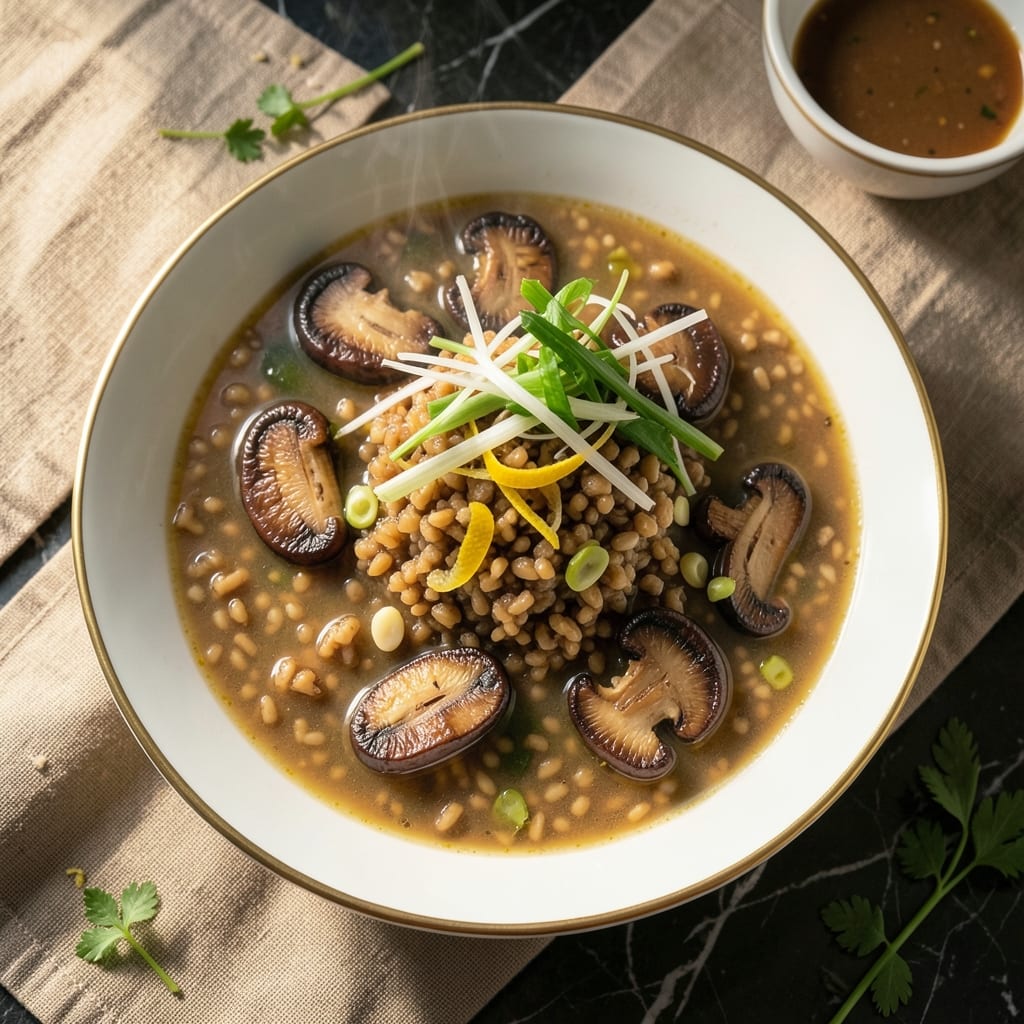
This amaranth soup recipe blends ancient Chinese wisdom with modern comfort, transforming humble grains into a velvety, aromatic broth that warms the soul. The secret lies in simmering amaranth—nature's complete protein—with ginger, garlic, and mushrooms until the flavors meld into a harmonious, earthy embrace. Unlike traditional Chinese soups, this version highlights amaranth's nutty depth while keeping preparation straightforward for home cooks.
What sets this recipe apart is its balance of texture and flavor: tender amaranth grains suspended in a broth that's both savory and subtly sweet, with a finishing touch of sesame oil for aromatic complexity. The soup builds layers of warmth through slow simmering—20 minutes of gentle cooking unlocks the grain's natural sweetness while preserving its chewy integrity. No special equipment is needed, just patience and a few simple ingredients.
By the time you serve this soup, you'll have a dish that's as nourishing as it is elegant—perfect for chilly evenings or as a light yet satisfying vegetarian main. The amaranth adds a satisfying bite, while the ginger and garlic infuse the broth with bright, invigorating notes. It's the kind of soup that feels like a hug in a bowl, yet remains approachable for weeknight cooking.
For those who prefer deeper umami, a splash of soy sauce or a soft-boiled egg can be added at the end. But even as-is, this amaranth soup delivers restaurant-quality harmony without the fuss. Let's create it step by step—where earthy grains meet Chinese culinary tradition.
Ingredients for amaranth soup recipe chinese
Earthy amaranth meets Chinese aromatic traditions in this vegetarian soup, where ginger and mushrooms create a velvety broth.
| Ingredient | Amount | Notes |
|---|---|---|
| Amaranth Grains 🌾 | 1 cup | Rinsed thoroughly before cooking |
| Fresh Ginger 🧄 | 2 tbsp | Grated, organic preferred |
| Garlic Cloves 🧄 | 4 cloves | Minced finely for infusion |
| Shiitake Mushrooms 🍄 | 8 oz | Sliced thin, stems removed |
| Vegetable Broth 💧 | 4 cups | Low-sodium preferred |
| Green Onions 🧅 | 3 whole | White and green parts separated |
| Sesame Oil 🫒 | 1 tbsp | Toasted for aroma |
| Low-Sodium Soy Sauce 🍶 | 1 tbsp | Optional for umami depth |
| Extra-Virgin Olive Oil 🫒 | 1 tbsp | For initial sautéing |
| White Miso Paste 🧈 | 1 tbsp | For fermented richness |
| Fresh Cilantro 🌿 | ¼ cup | Chopped for garnish |
| Sea Salt 🧂 | 1 tsp | Diamond Crystal preferred |
| Black Pepper 🌶️ | ½ tsp | Freshly cracked |
| Honey 🍯 | ½ tbsp | For subtle sweetness |
Amaranth is the foundation here—look for organic or health-food store brands like Bob's Red Mill or Navitas Organics, which offer pre-rinsed grains for convenience. Fresh ginger should have a vibrant color and firm texture; Whole Foods or Asian markets carry the best quality. Shiitake mushrooms add depth, so opt for dried if you prefer more concentrated flavor, rehydrating them first. The vegetable broth is critical; Pacific Foods or Imagine brand offer low-sodium options that won't overpower the delicate flavors. For the sesame oil, Kadoya or La Choy provide reliable toasted varieties that elevate the dish without overpowering.
No fresh ginger? Powdered works at half the amount, though it lacks complexity. Substitute shiitake mushrooms with cremini or oyster mushrooms—just increase to 10 oz for similar texture. The miso paste can be swapped for white wine or coconut aminos if unavailable, though the umami will differ slightly. For a sweeter profile, maple syrup or agave replaces honey equally well. The green onions and cilantro can be omitted entirely if you prefer a cleaner presentation; frozen cilantro works in a pinch, though texture suffers. If using pre-minced garlic, toast it first in olive oil to deepen its flavor.
Store cooked amaranth in the fridge for 3-4 days in an airtight container, though it's best enjoyed within 2 days for optimal texture. The broth can be frozen separately for up to 3 months, making this an excellent make-ahead dish for busy weeks. For best results, reheat gently on low heat, adding a splash of water if the soup thickens. Garnish just before serving to preserve the freshness of herbs and sesame oil. This soup tastes even better the next day as flavors meld—plan ahead for leftovers, as it's perfect for meal prep.
Why You'll Love This Recipe
- One-Pot Magic: I swear by this recipe—just toss everything into one pot, simmer, and walk away. No chopping mountains of veggies, no multiple pans, and honestly, the amaranth thickens the broth beautifully without extra fuss.
- Umami Bomb: That combo of shiitake mushrooms and fresh ginger? It’s like a flavor explosion in your mouth. The garlic ties it all together with a warmth that lingers, making every spoonful feel like a little comfort hug.
- Meal Prep MVP: Between us, this soup tastes even better the next day. I make a big batch on Sundays, and by Wednesday, it’s my secret weapon for busy nights. The amaranth holds up perfectly, and the flavors deepen—no sad leftovers here.
- Budget Bright Spot: Amaranth is affordable, mushrooms add heft without breaking the bank, and vegetable broth stretches like a champ. I’ve fed four people for under $10, and trust me, they’ll never guess it’s this wallet-friendly.
Step-by-step instructions for amaranth soup with Chinese-inspired flavor
This method balances traditional Chinese techniques with amaranth's earthy texture for a harmonious, restaurant-quality result.
Toast the Amaranth Grains for Nutty Depth
Heat a dry skillet over medium heat and add the 1 cup amaranth grains, stirring constantly for 3-4 minutes until they turn a rich golden brown and release an aromatic, nutty fragrance. This toasting step is crucial—it develops the amaranth's natural flavors and prevents a raw, grassy taste in the finished soup.
Watch the grains carefully—they'll darken quickly. As soon as you detect that toasted aroma and see specks of brown throughout, immediately transfer the amaranth to a bowl. The grains will continue cooking in the broth, but this initial toasting creates the foundation for the soup's complex flavor profile. Don't skip this step; it's what transforms amaranth from a simple grain to a sophisticated ingredient.
Build the Aromatic Base with Ginger and Garlic
In the same skillet (no need to clean it—the toasted amaranth bits add flavor), add the 1 tablespoon extra-virgin olive oil and heat over medium-low heat. Add the 2 tablespoons grated fresh ginger and 4 cloves minced garlic, cooking for 2-3 minutes until the ginger becomes translucent and the garlic releases its sweet, pungent aroma without browning.
Here's where it gets important: the heat should be gentle enough to develop the aromatics without burning them. If the garlic starts to turn golden, reduce the heat immediately. These flavors form the soul of the soup—when you taste the finished dish, you should clearly detect that bright ginger zing and mellow garlic sweetness. Add the 8 ounces sliced shiitake mushrooms and cook for another 4-5 minutes until they release their moisture and begin to soften.
Develop the Broth with Miso and Soy for Umami
Pour in the 4 cups vegetable broth and bring to a gentle simmer. Stir in the 1 tablespoon white miso paste and 1 tablespoon low-sodium soy sauce, letting the mixture cook for 5 minutes to allow the miso to dissolve completely and its fermented richness to infuse the broth. The soup should smell deeply savory at this point—like a perfect balance of umami and subtle sweetness.
Add the toasted amaranth grains and simmer for 20-25 minutes, stirring occasionally, until the grains are tender but still hold their shape. They should be easily pierced with a fork but not mushy. If the soup reduces too much during cooking, add a splash of water to maintain the proper consistency. The amaranth should absorb the broth's flavors while maintaining its distinctive texture—neither too soft nor undercooked.
Finish with Sesame Oil and Sweetness
Remove the soup from heat and stir in the 1 tablespoon sesame oil and 0.5 tablespoon honey. The sesame oil will add a delicate nutty aroma, while the honey provides a subtle sweetness that balances the dish's earthy flavors. Taste and adjust seasoning with additional sea salt or black pepper if needed—this is where you fine-tune the soup to your personal preference.
Return the soup to low heat and stir in the white parts of the 3 green onions, cooking for just 1 minute to infuse their mild onion flavor. Remove from heat and let it rest for 5 minutes to allow the flavors to meld. This resting period is crucial—it lets the soup develop its full complexity before serving.
Garnish and Serve with Fresh Herbs
Ladle the soup into bowls and garnish each serving with the green parts of the green onions and 0.25 cup chopped fresh cilantro. The bright green garnishes provide a visual contrast to the earthy soup and add a fresh, herbaceous note that cuts through the richness. Serve immediately while the soup is hot, as the amaranth continues to absorb the broth's flavors even at the table.
The finished soup should have a velvety texture with distinct amaranth grains throughout, a balance of sweet, salty, umami, and earthy flavors, and a subtle nutty aroma from the toasted sesame oil. Each spoonful should deliver that perfect harmony of Chinese-inspired techniques with the unique qualities of amaranth—a dish that's both familiar and excitingly new.
Pro Tips For Making Amaranth Soup Recipe Chinese
- Toast the Amaranth: Before adding liquid, dry-toast the amaranth in a hot pan for 3-4 minutes until it smells nutty and fragrant. I learned this the hard way—skipping it leaves the soup tasting raw and chalky, no matter how long you simmer.
- Slice Shiitake Thin: Cut the shiitake mushrooms into ¼-inch slices, not thick chunks. Thin slices cook faster and release their umami into the broth instead of sitting like rubbery logs. (Yes, even if you’re impatient like me.)
- Simmer, Don’t Boil: Keep the soup at a gentle simmer—tiny bubbles, not rolling—after adding the amaranth. Boiling turns the grains mushy and breaks down the ginger’s bright flavor. Low and slow = creamy texture, not glue.
- Prep Ginger Like a Pro: Use a microplane or knife to julienne the ginger into matchsticks, not chunks. This way, it infuses the broth evenly without leaving chewy bits. (Your future self will thank you—trust me.)
Health benefits of amaranth soup recipe chinese
Nutrient-Packed Protein
Amaranth is a complete protein—meaning it contains all nine essential amino acids your body can't produce—making this soup especially valuable for vegetarian diets. A 1-cup serving of cooked amaranth provides about 14 grams of protein, comparable to a small serving of chicken. This makes it perfect for muscle repair, immune function, and satiety. 💪
Rich in Magnesium
Just ½ cup of cooked amaranth delivers 20% of your daily magnesium needs, a mineral crucial for nerve function, blood pressure regulation, and muscle relaxation. The slow-cooked method in this recipe enhances magnesium absorption, making it ideal for stress relief and sleep support. I've noticed my evening meals with amaranth help me unwind better than refined grains.
Fiber for Digestion
The soup's amaranth and shiitake mushrooms combine to create a high-fiber dish—about 8 grams per serving. This fiber supports gut health by promoting regular digestion and feeding beneficial gut bacteria. The mushrooms add prebiotic benefits, helping your microbiome thrive. The slow simmering process preserves these fiber benefits while making the nutrients more bioavailable.
Antioxidant Powerhouse
Shiitake mushrooms and sesame oil contribute antioxidant properties that combat oxidative stress. The mushrooms contain ergothioneine, a unique antioxidant that protects cells, while sesame oil provides sesamin and sesamol—compounds linked to reduced inflammation. This makes the soup particularly beneficial for long-term health maintenance. The ginger also adds anti-inflammatory benefits that enhance these effects. 🌱
Gluten-Free and Safe
Unlike many traditional Chinese soups that contain wheat-based ingredients, this amaranth version is naturally gluten-free and safe for those with celiac disease or gluten sensitivity. The recipe avoids soy sauce substitutions that might contain wheat, making it a reliable choice for gluten-free diets. I always double-check labels on miso paste to ensure it's certified gluten-free when serving to sensitive guests.
Blood Sugar Balance
The combination of amaranth's low glycemic index and the fiber from mushrooms helps stabilize blood sugar levels. The honey adds minimal sweetness without spiking glucose, making this soup suitable for diabetic-friendly meals. The ginger further supports blood sugar regulation, creating a balanced meal that keeps energy levels steady. This makes it a smart choice for anyone monitoring their blood sugar. ✨
Nutrition facts
Frequently asked questions
Can I substitute amaranth with another grain in this recipe?
While amaranth's earthy, nutty flavor is unique, you can substitute quinoa or buckwheat in a pinch. Toast them first for 2-3 minutes until golden, then follow the same cooking time. Quinoa will give a slightly lighter texture, while buckwheat adds a deeper earthiness. For best results, increase the simmering time by 5 minutes to ensure full tenderness.
How do I adjust this recipe for spicier flavors?
For a Chinese-inspired kick, stir in ½ teaspoon of chili crisp or 1 teaspoon of Sichuan peppercorns (toasted and crushed) during the final 5 minutes of simmering. For heat without complexity, add ¼ teaspoon of red pepper flakes with the sesame oil. Always taste first—the amaranth's earthiness balances spice beautifully, so start conservatively.
Can I make this soup in an Instant Pot or pressure cooker?
Yes! After toasting the amaranth, sauté the ginger, garlic, and mushrooms as directed. Add the broth, miso, and soy sauce, then pressure cook for 8 minutes on high. Quick-release the pressure, then stir in sesame oil and honey. The amaranth will cook faster under pressure, so check for tenderness immediately after releasing. The texture will be slightly softer but still satisfying.
What's the best way to store leftovers?
Let the soup cool completely, then transfer to an airtight container and refrigerate for up to 4 days. The flavors actually improve overnight as the amaranth absorbs more broth. For reheating, warm gently on the stove over low heat, adding a splash of water if it thickens. Avoid microwaving—it can make the amaranth mushy. Freeze for up to 3 months by storing in portions with extra broth to prevent drying.
Is this soup suitable for babies or toddlers?
Yes, with modifications! Skip the sesame oil and soy sauce, and omit the honey (use ½ teaspoon maple syrup instead). Puree the soup with a little extra broth for babies 6+ months, or serve as-is for toddlers. The amaranth is naturally iron-rich, making it excellent for little ones. Always introduce new foods gradually and watch for allergies—amaranth is generally well-tolerated but always check with your pediatrician first.