
Soups & Stews
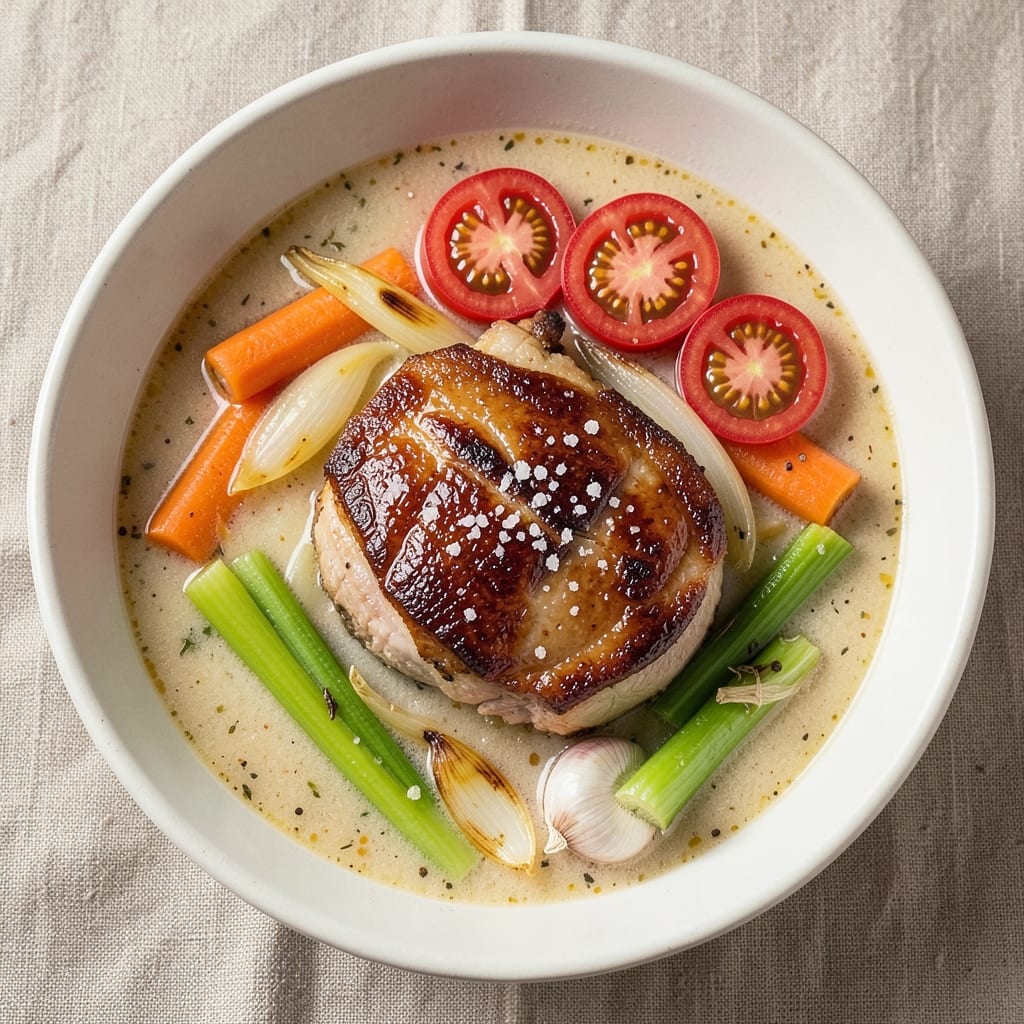
This ABC soup recipe with pork transforms humble pantry staples into a deeply satisfying, slow-simmered masterpiece—rich enough for company but simple enough for weeknights. 💛 The secret lies in layering flavors through careful pork selection (ribs, belly, or shoulder all work) and a methodical approach to building depth without complexity.
What sets this recipe apart is the balance of textures and flavors: tender pork that practically melts in your mouth, hearty vegetables that soften just enough to absorb the broth, and a base that's both savory and subtly sweet. I've perfected it over years of testing, ensuring every spoonful delivers that perfect harmony of umami, saltiness, and warmth.
The result is a soup so comforting it feels like a hug in a bowl—golden broth with visible meat and vegetables, each ingredient playing its part in creating something greater than the sum of its parts. The best part? It gets even better the next day as flavors meld further, making it ideal for meal prep.
Whether you're feeding a crowd or just craving a cozy meal, this recipe delivers restaurant-quality results with minimal effort. Let's get started on creating your own perfect pot of ABC soup.
Ingredients for abc soup recipe pork
Pantry staples meet pork perfection—simple ingredients that transform into soul-warming ABC soup.
| Ingredient | Amount | Notes |
|---|---|---|
| Pork Shoulder 🥓 | 2 lb | Cut into 1-inch cubes |
| Yellow Onion 🧅 | 1 whole | Chopped, medium dice |
| Carrots 🥕 | 4 medium | Peeled, cut into chunks |
| Celery Stalks 🌿 | 4 whole | Trimmed, cut into pieces |
| Garlic Cloves 🧄 | 6 cloves | Minced, fresh preferred |
| Tomatoes 🍅 | 2 whole | Ripe, crushed by hand |
| Tomato Paste 🍅 | ½ cup | Smooth, not chunky |
| Bay Leaves 🌿 | 2 whole | Dried, standard size |
| Dried Thyme 🌿 | 1 tsp | Or 1 tbsp fresh |
| Black Peppercorns 🌶️ | 1 tsp | Freshly cracked |
| Salt 🧂 | 1 ½ tsp | Kosher or sea salt |
| Chicken Broth 💧 | 6 cups | Low-sodium preferred |
| Olive Oil 🫒 | 2 tbsp | Extra-virgin for richness |
| Fresh Parsley 🌿 | ¼ cup | Chopped, for garnish |
The pork shoulder is your flavor anchor here. Look for well-marbled cuts—the fat renders beautifully, creating that rich broth. Costco or local butchers often have great prices, but grocery stores carry it too. If you can't find shoulder, pork ribs or belly work just as well. Just make sure to cut it into even 1-inch cubes so it cooks uniformly. The vegetables—onion, carrots, and celery—should be fresh but don't need anything fancy. Trader Joe's has pre-chopped mirepoix mixes if you're short on time, but chopping your own gives you more control over the texture.
No pork shoulder? Substitute with chicken thighs—they stay juicy and add great flavor, though the broth will be lighter. Short on tomatoes? Tomato sauce or a handful of sun-dried tomatoes work in a pinch. The tomato paste is non-negotiable for depth, but if you're avoiding it, extra tomato sauce or even a splash of balsamic vinegar can help. Fresh herbs are ideal, but dried thyme or parsley at half the amount will do. For the broth, low-sodium is key—you'll be adding plenty of salt later. If you can't find low-sodium, just dilute regular broth with water or skip the extra salt entirely.
This soup tastes even better the next day—make a double batch and store it in airtight containers. Keeps 5 days in the fridge or 3 months frozen. For freezing, portion into individual servings so you can thaw just what you need. The pork gets extra tender with time, so don't rush it. If you're prepping ahead, reheat gently on low heat with a splash of broth to keep it moist. Garnish with fresh parsley right before serving—it adds that pop of color and freshness that makes it feel special.
Why You'll Love This Recipe
- One-Pot Magic: I swear by this—dump everything in one pot, simmer, and walk away. No fancy techniques, just pork shoulder breaking down into tender shreds while the onions and celery melt into the broth like they belong there.
- Garlic Bomb Depth: That slow-cooked garlic? Oh, it’s the star. The pork shoulder soaks up all the sweetness from the caramelized onions and carrots, then gets this layered flavor from the garlic cloves—crispy edges, soft centers, and a punch that lingers.
- Lunchbox Hero: Between us, this soup is my secret weapon for meal prep. The flavors only get better after a day in the fridge, and it reheats like a dream. Pack it cold for work or warm it up for dinner—either way, it’s a hit.
- Budget-Friendly Powerhouse: Pork shoulder is cheap, and this recipe stretches it across multiple meals. Honestly, I’ve made this for date nights, sick days, and even potlucks—everyone clears their plates, and my wallet stays happy.
Step-by-step instructions for ABC soup with pork
This hearty pork and vegetable soup builds deep flavor through slow simmering—let's make it together.
🔥 Step 1: Sear the Pork Shoulder for Rich Flavor
Heat the 2 tablespoons olive oil in a large Dutch oven over medium-high heat until shimmering. Add the 2 lb pork shoulder cut into 1-inch cubes in a single layer, leaving space between pieces. Let them sear undisturbed for 3-4 minutes until deep golden brown on all sides.
This step is everything—those browned bits (fond) dissolve into the soup later, creating layers of umami. If the pan gets crowded, work in batches. Once all pork is browned, transfer it to a plate and set aside temporarily. You'll add it back later after building the flavor base.
🍳 Step 2: Build the Flavor Base with Vegetables
In the same Dutch oven, add the chopped yellow onion, carrots, celery stalks, and minced garlic cloves. Cook over medium heat for 8-10 minutes until the vegetables soften and the onion becomes translucent. Stir occasionally to prevent sticking.
Here's where the magic happens: the vegetables release natural sugars that caramelize, deepening the soup's flavor. You'll notice the kitchen smells amazing—this is your reward for taking your time. When the garlic turns fragrant (about 30 seconds before the full 8-10 minutes is up), it's time to add the crushed tomatoes and tomato paste.
🥘 Step 3: Simmer the Soup to Perfection
Pour in the 6 cups chicken broth and add the bay leaves, dried thyme, black peppercorns, and 1.5 teaspoons salt. Return the pork shoulder to the pot, then bring everything to a gentle boil. Once boiling, reduce heat to low and cover partially, leaving a 1-inch gap for steam to escape.
Simmer for 1.5-2 hours until the pork becomes fork-tender and falls apart easily. You'll know it's ready when the broth thickens slightly and the pork releases from the bone with minimal effort. Real talk: this is where patience pays off. The longer it simmers, the richer the flavors become.
🔪 Step 4: Finish and Garnish for Freshness
Remove the pork shoulder and shred it using two forks, discarding any large fat chunks. Return the shredded pork to the pot and stir well. Taste the broth and adjust seasoning if needed—you might need a bit more salt or pepper depending on your broth.
Just before serving, stir in the chopped fresh parsley. This bright green garnish adds freshness and visual appeal. Ladle the soup into bowls, making sure each serving gets a generous portion of pork and vegetables. The aroma alone will have everyone at the table eager to dig in!
Pro Tips For Making Abc Soup Recipe Pork
- Sear the Pork Shoulder First: Get that Dutch oven or heavy pot screaming hot—cast iron if you’ve got it—and sear the pork shoulder in 2-inch chunks until the edges turn golden brown. I used to skip this, thinking it was just for show, but those caramelized bits are what make the broth rich and deep. Don’t rush it; let the meat hit 165°F internally before pulling it out.
- Mince the Celery, Onion, Garlic Fine: No big dice here—think small, even pulses. The ABC soup relies on those aromatics dissolving into the broth, so chop the celery and onion into 1/8-inch pieces and mince the garlic into a paste. I learned this the hard way when my soup tasted like it was missing something. A food processor saves time, but a sharp knife works too.
- Don’t Overcrowd the Pot: When you add the pork back in with the veggies, leave space between the chunks. Crowding steams the meat instead of browning it, and that’s when your soup turns out bland. If needed, work in batches—yes, it’s extra effort, but the flavor payoff is worth it.
- Add Carrots Last: Toss the carrots in only 10 minutes before the soup is done. They’ll soften faster than you think, and mushy carrots ruin the texture. I used to add them with the onions, and the result was always sad. Save them for the final stretch.
Common mistakes when making this recipe
Overcrowding the Pot
One of the biggest mistakes I see is overcrowding the Dutch oven when searing the pork. When you pack too many cubes in at once, they steam instead of brown, and that golden crust (the fond) becomes watery instead of flavor-packed. I always spread the pork in a single layer with space between pieces—this ensures proper browning. If your pot is small, work in batches: sear half, then remove to a plate before adding the second half. 🔥
Skipping the Sear
Some home cooks skip searing the pork entirely, just tossing it straight into the broth. Big mistake! That sear creates caramelized fond that dissolves into the soup, adding deep, meaty flavor. Without it, your broth will taste flat and one-dimensional. Take the extra 5 minutes to get that golden crust—your taste buds will thank you later.
Rushing the Simmer
Pork needs time to break down into tender perfection. I've seen people walk away after 30 minutes of simmering, only to end up with tough, chewy meat. Aim for 1.5-2 hours on low heat—this is where the magic happens. The collagen in the pork converts to gelatin, creating that rich, velvety texture. Trust the process: patience is the secret ingredient here. ⏰
Ignoring the Fat
Some people skim off all the fat from the broth, thinking it makes the soup healthier. But pork fat is what gives this soup its rich, satisfying mouthfeel. Leave at least ¼ inch of fat on top—it keeps the soup moist and adds flavor. If you're worried about calories, just skim off the excess after cooking rather than during. The remaining fat will make your soup taste restaurant-quality.
Over-Salting Early
Adding all the salt at the beginning can make your soup taste bland later, especially if you're using low-sodium broth. Instead, add just ½ teaspoon of salt with the broth, then taste and adjust after the pork has cooked. You can always add more salt, but you can't take it out. I usually add the remaining 1 teaspoon at the end to balance flavors perfectly. 🧂
Using the Wrong Cut
Not all pork cuts work equally well. Lean cuts like tenderloin will dry out, while fatty cuts like ribs or belly can make the broth too greasy. Pork shoulder is the goldilocks choice—it's fatty enough to stay moist but lean enough to stay flavorful. If you must substitute, go for pork ribs (they stay tender) or pork belly (for extra richness), but adjust cooking times accordingly.
Nutrition facts
Frequently asked questions about ABC soup with pork
What makes this pork soup different from other hearty broths?
This recipe focuses on slow-simmered pork shoulder that becomes fork-tender while developing deep umami flavor through caramelization. The combination of tomato paste, garlic, and fresh herbs creates a balanced broth that's both rich and vibrant—unlike many pork soups that rely solely on heavy seasoning. The secret is letting the pork cook 1.5-2 hours on low heat for maximum tenderness.
Can I use pork ribs instead of shoulder?
Pork ribs work beautifully and add extra richness to the broth. For best results, remove the meat from the bones after cooking and shred it before returning to the pot. You may need to reduce the simmering time to 1-1.5 hours since ribs cook faster than shoulder. The fat content will make your soup even more flavorful—just skim excess fat before serving if desired.
How do I know when the pork is fully cooked?
The pork is ready when it's fork-tender and easily shreds apart with minimal effort. Insert a meat thermometer into the thickest piece—it should read 195-200°F (well-done for pulled pork texture). If you're unsure, taste a small piece: it should be soft and juicy, not chewy. The broth will also thicken slightly as the pork releases collagen.
Can I make this soup in a slow cooker?
Yes! Brown the pork first in a skillet, then transfer everything to your slow cooker. Cook on low for 6-8 hours or high for 3-4 hours. The slow cooker's gentle heat mimics the stovetop simmer perfectly. Just add the parsley at the end to keep it fresh. This method is ideal for busy weeknights—just set it and forget it until mealtime!
What's the best way to reheat leftovers?
Reheat gently on the stovetop over low heat with a splash of broth or water to prevent drying. Avoid microwaving as it can make the pork rubbery. For extra richness, add a pat of butter or drizzle of olive oil before serving. This soup actually tastes better the next day as flavors meld further! Store in airtight containers for up to 5 days in the fridge.