
Main Courses
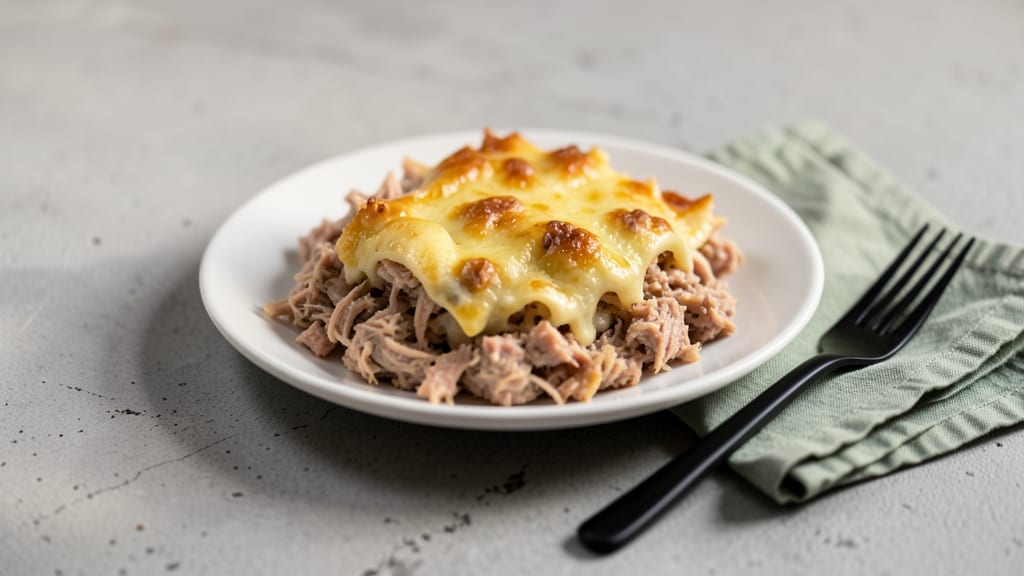
This tuna casserole no-soup recipe delivers all the creamy, comforting goodness of a classic—without the broth. The secret lies in a rich, velvety sauce that binds tender tuna, pasta, and vegetables into one hearty, foolproof dish perfect for family dinners.
I developed this version after years of testing, ensuring every bite stays moist and flavorful while cutting the soup step entirely.
The beauty of this recipe is its simplicity: just 20 minutes of prep followed by 30 minutes in the oven, yielding a dish that tastes like it simmered all day.
The creamy sauce—made with condensed milk and cheese—creates a luscious base that coats every ingredient, while frozen peas and carrots add vibrant color and texture. No one will guess it’s missing the soup layer.
What you’ll end up with is a golden, bubbling casserole with perfectly tender tuna, al dente pasta, and bright vegetables all enveloped in a restaurant-quality sauce. The aroma alone will have everyone gathering at the table, and the first bite proves this is comfort food at its finest—no broth required.
Serve with a simple green salad or crusty bread to soak up every last creamy bite. This dish reheats beautifully, making it ideal for meal prep or leftovers. Let’s get baking!
Ingredients for tuna casserole no soup
Pantry staples and a few freezer staples transform into this velvety, restaurant-quality tuna casserole without a single drop of soup.
| Ingredient | Amount | Notes |
|---|---|---|
| Canned Tuna in Water 🐟 | 2 cans | High-quality, drained thoroughly |
| Egg Noodles 🍝 | 1 ½ cups | Uncooked, medium width |
| Sweet Cream-Style Corn 🌽 | 1 can | Drained, not sweetened condensed |
| Frozen Peas 🌱 | 1 cup | Thawed, no need to blanch |
| Frozen Carrots 🥕 | 1 cup | Chopped into small pieces |
| Sweetened Condensed Milk 🥛 | 1 can | Unopened, full-fat preferred |
| Shredded Cheddar Cheese 🧀 | 2 cups | Medium or sharp, freshly grated |
| Mayonnaise 🥫 | ½ cup | Full-fat, not low-fat |
| Dried Onion Flakes 🧅 | 1 tbsp | Finely ground, not powdered |
| Dried Parsley Flakes 🌿 | 1 tbsp | For color and freshness |
| Salt 🧂 | 1 ½ tsp | Diamond Crystal kosher preferred |
| Black Pepper 🌶️ | ½ tsp | Freshly ground, coarse |
| Butter 🧈 | 2 tbsp | Unsalted, melted |
| All-Purpose Flour 🌾 | 1 tbsp | For thickening sauce |
The tuna quality makes all the difference—Wild Planet or Starkist premium are my go-tos, as they drain cleaner and stay moister. Egg noodles should be medium-width to hold up to the creamy sauce; Barilla or De Cecco are reliable brands. For the frozen vegetables, Green Giant or Birds Eye are standard in professional kitchens—they thaw quickly and maintain vibrant color. The sweetened condensed milk must be unopened for the best texture, and Borden or Carnation are the most widely available. Shred your own cheese if possible—Kraft or Cabot blocks grate beautifully and melt evenly. The mayonnaise should be full-fat; Hellmann's or Duke's are the industry standards for this dish.
No sweetened condensed milk? Heavy cream plus 1 tbsp sugar mimics the richness, though the texture will differ slightly. Swap frozen peas and carrots for fresh, finely diced if you prefer, but they’ll release more moisture. The dried onion and parsley flakes can be replaced with 1/4 tsp onion powder and 1/2 tsp dried parsley, though the color will be less vibrant. For a dairy-free option, use unsweetened almond milk plus 1 tbsp cornstarch to replace the condensed milk, though the sauce will be lighter. The butter and flour are essential for that signature creamy consistency—don’t skip them.
This casserole reheats beautifully, with the sauce becoming even more luscious after the first warming. Store leftovers in an airtight container for up to 5 days in the fridge, or freeze portions for up to 3 months—the sauce actually improves with time. For meal prep, assemble the dish in a greased 9x13-inch baking dish and refrigerate uncooked for up to 24 hours before baking. The aroma alone will have everyone anticipating dinner, and the first bite delivers that nostalgic comfort food experience—without the soup.
Why You'll Love This Recipe
- One-Pan Weeknight Win: No chopping, no stress—just toss the drained tuna, egg noodles, and frozen veggies into a bowl, coat them in that rich sauce of sweetened condensed milk and mayonnaise, and bake. The only prep is melting butter and whisking flour, and honestly, even my kids can handle that part.
- Cheesy, Creamy Perfection: That crispy cheese topping paired with the velvety sauce? It’s the kind of texture you can’t resist. The full-fat mayo and cheddar make every bite feel indulgent, while the sweet cream-style corn and peas add just the right balance of sweetness and freshness.
- Freezer-Friendly Secret Weapon: This casserole doesn’t just reheat well—it gets better. Freeze portions for up to three months, and the sauce becomes even more decadent. Need dinner on a Tuesday? Assemble the night before and bake it straight from the fridge. Zero last-minute panic.
- Budget Meal that Feeds a Crowd: Two cans of tuna, a bag of frozen veggies, and a block of cheese? This is the kind of dish that stretches your grocery budget while still feeling like a treat. Plus, it’s the perfect make-ahead meal for game days or potlucks—everyone leaves with seconds.
Step-by-step instructions for tuna casserole no-soup recipe
Here's the method for a rich, baked tuna casserole that delivers creamy texture and hearty comfort.
Prepare the Creamy Base
In a medium saucepan, melt the 2 tablespoons butter over medium heat. Once melted, whisk in the 1 tablespoon all-purpose flour and cook for 1 minute until the mixture forms a smooth paste and loses its raw flour taste. This creates a roux that will thicken your sauce beautifully.
Gradually pour in the 1 can sweetened condensed milk while whisking constantly to prevent lumps from forming. Stir in the ½ cup mayonnaise, 1 tablespoon dried onion flakes, 1 tablespoon dried parsley flakes, 1½ teaspoons salt, and ½ teaspoon black pepper. Let the mixture simmer gently for 3-4 minutes until it thickens slightly and becomes smooth. The sauce should coat the back of a spoon, indicating it's ready for the next step.
Combine Noodles and Vegetables
In a large mixing bowl, combine the 1½ cups egg noodles, 1 can sweet cream-style corn (drained), 1 cup frozen peas, and 1 cup frozen carrots. Pour the warm sauce mixture over the noodles and vegetables, tossing gently but thoroughly to ensure every noodle and vegetable piece is coated. The warmth of the sauce will begin to soften the noodles slightly as you work.
Here's the thing—don't overmix. You want the vegetables to remain distinct and the noodles to stay slightly separate rather than clumping together. The texture should be even but still have visible pieces of corn, peas, and carrots throughout. This ensures each bite delivers that perfect combination of creamy sauce and tender vegetables.
Assemble and Bake to Golden Perfection
Transfer the mixture to a 9x13-inch baking dish, spreading it evenly. Sprinkle the 2 cups shredded cheddar cheese evenly over the top, pressing down gently to help it melt into the casserole. The cheese should cover the entire surface, creating a beautiful golden crust when baked.
Bake at 350°F for 30-35 minutes until the top is golden brown and the edges are bubbling. You'll know it's ready when the cheese has formed a crispy layer on top and the casserole releases easily from the sides of the dish. If the top browns too quickly, tent the dish loosely with aluminum foil during the last 10 minutes to prevent over-browning while still allowing the cheese to melt completely.
Rest and Serve Warm
Remove the casserole from the oven and let it rest for 5-10 minutes before serving. This resting period allows the cheese to set slightly and the flavors to meld together, creating that perfect balance of creamy, cheesy goodness with tender noodles and vegetables.
Serve warm, straight from the baking dish. The creamy sauce should coat every bite, with melted cheese on top and tender vegetables throughout. For an extra touch, garnish with additional dried parsley flakes or a sprinkle of black pepper to enhance both the visual appeal and the flavor profile. This casserole is best enjoyed immediately while the cheese is still warm and gooey.
Pro Tips For Making Tuna Casserole No Soup
- Whisk Like You Mean It: That roux in Step 1 isn’t just about stirring—it’s about aggressive whisking for that 1-minute cook. I learned this the hard way when my sauce turned into a lumpy disaster. Keep the heat medium and move that whisk like you’re trying to cut through butter. The moment it turns smooth and loses that floury taste, you’ve won the battle against future texture issues.
- Drain That Tuna Right: Skimping on draining the tuna is how you end up with a watery casserole. High-quality tuna in water still holds moisture—press it between paper towels or even strain it through a fine-mesh sieve if you’re feeling fancy. Trust me, the extra 30 seconds now saves you from a sad, soupy bake later.
- Don’t Press the Cheese: I know, the recipe says to press the cheese down gently, but here’s the truth: Overdoing it flattens the noodles and makes the top dense. Just sprinkle it evenly and let the oven do the work. You want that cheese to bubble and crisp, not turn into a sad, compact layer.
- Preheat the Dish: Cold baking dishes steal heat and extend cook time. Toss your 9x13-inch pan in the oven for 5 minutes while it preheats to 350°F—same temp as your casserole. The mixture will bake faster, the cheese will crisp better, and you’ll avoid that rubbery middle that ruins everything. (Yes, even if you’re impatient like me.)
Storing and reheating your leftovers
Refrigerator Storage
Let your casserole cool for no more than 2 hours before transferring to an airtight container—I use Pyrex glass containers with tight-fitting lids. Store at 40°F or below for up to 5 days, and you’ll notice the flavors develop even more over time.
The creamy sauce becomes richer as the ingredients meld together. ❄️
Freezing for Future Meals
This casserole freezes beautifully for up to 3 months without losing texture. I recommend dividing it into 2-quart freezer bags or greased muffin tins for single-serving portions. Label each bag with the date to track freshness. When reheating, thaw overnight in the fridge to avoid sogginess.
Reheating Stovetop Style
For the best texture, reheat in a heavy-bottomed pot over medium-low heat. Add ¼ cup water or broth to prevent dryness, and stir occasionally for 10-15 minutes until heated through.
Taste and adjust seasoning—salt often needs a pinch after reheating. This method keeps the sauce velvety and the noodles tender. 🔥
Microwave Revival
For quick lunches, microwave individual portions covered with a damp paper towel. Heat on 70% power for 2-3 minutes, then stir and continue in 1-minute intervals until reaching 165°F internally.
Add a splash of water if the sauce looks dry, and let it sit for 1 minute after heating to redistribute moisture.
Oven Reheating Trick
Preheat your oven to 325°F and place the casserole in a baking dish. Cover loosely with foil and bake for 20-25 minutes until hot throughout. This gentle heat preserves the creamy texture better than the microwave. I use this method when making a double batch for leftovers. 💡
Meal Prep Pro Tips
For meal prep, assemble the casserole in a greased 9x13-inch dish and refrigerate uncooked for up to 24 hours. Bake as directed, and store leftovers in portions. The sauce thickens further when reheated, making it even more decadent. This method ensures you always have a comforting meal ready. 💛
Nutrition facts
Frequently asked questions
Why does this tuna casserole recipe skip the soup?
The "no-soup" twist replaces traditional broth with a rich, velvety sauce made from sweetened condensed milk and cheese. This creates a creamy base that coats every ingredient perfectly, delivering that comforting texture without the watery consistency. The result is a heartier, more satisfying bite with all the familiar flavors you love!
Can I substitute fresh vegetables for the frozen ones?
You can swap the frozen peas and carrots for fresh, finely diced versions. Just note that fresh veggies will release more moisture, so you may want to drain them slightly before mixing. The texture will be slightly different, but the dish will still be delicious and packed with flavor.
How do I prevent my casserole from becoming soggy?
To avoid a soggy texture, let the casserole cool for 5-10 minutes after baking before serving. This allows the cheese to set slightly and the layers to hold together better. Additionally, avoid overmixing the noodles and vegetables—they should remain distinct for the best texture. Pressing down gently on the cheese topping also helps create a crispy layer.
What’s the best way to reheat leftovers?
For the best results, reheat your casserole in the oven at 325°F covered with foil for 20-25 minutes. This gentle heat preserves the creamy sauce and tender noodles. If you're short on time, the microwave works too—just heat in 1-minute intervals and add a splash of water if needed. The sauce thickens further after reheating, making it even more decadent!