
Main Courses
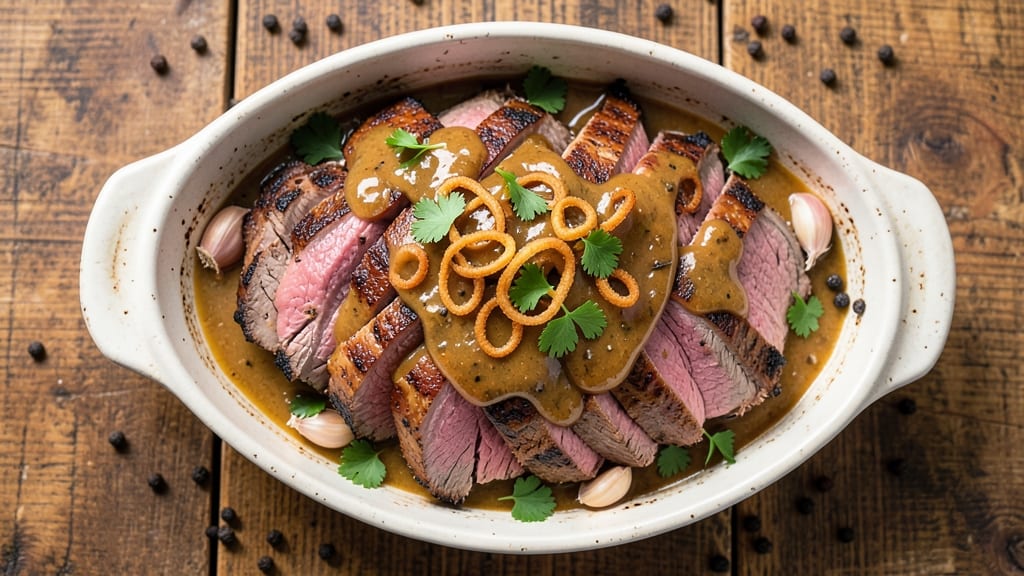
Transforming a simple roast beef into a deep-savored centerpiece starts with Lipton Onion Soup—its concentrated umami flavor elevates every bite. This recipe combines a dry rub with the iconic soup to create a tender, caramelized crust that locks in moisture while delivering rich, oniony depth.
The secret lies in balancing the beef’s natural richness with the soup’s bold, savory notes without overpowering the meat.
What makes this method foolproof is the two-step seasoning process: first, a dry rub of garlic, pepper, and herbs creates texture, while the Lipton Onion Soup—whether powdered or liquid—infuses the beef during roasting.
The result is a juicy, melt-in-your-mouth roast with a crust so flavorful it’ll have your guests asking for the recipe. No fancy techniques required, just precise timing and patience.
The beauty of this approach is its versatility—use the Lipton Onion Soup as a pan sauce base or brush it on the beef during the last 30 minutes of roasting for extra depth.
Pair it with classic sides like roasted potatoes or glazed carrots, and you’ve got a restaurant-quality meal that’s surprisingly simple to execute. The key is letting the beef rest, ensuring every slice stays tender and irresistibly savory.
Perfect for holiday dinners or Sunday suppers, this roast beef delivers bold flavor and effortless elegance. The Lipton Onion Soup isn’t just an ingredient—it’s the secret weapon that transforms a basic roast into a showstopper. Let’s get cooking!
Ingredients for roast beef made with lipton onion soup
A bold umami foundation meets classic beef roasting techniques for restaurant-quality results.
| Ingredient | Amount | Notes |
|---|---|---|
| Top Round Beef Roast 🥩 | 4 lb | Center-cut, trimmed of excess fat |
| Lipton Onion Soup Powder 🧂 | 3 tbsp | Concentrated umami flavor base |
| Lipton Onion Soup Mix (Liquid) 🧂 | ½ cup | For liquid infusion during roasting |
| Garlic Powder 🧄 | 2 tbsp | For dry rub foundation |
| Coarse Black Pepper 🌶️ | 2 tbsp | Freshly ground preferred |
| Dried Thyme 🌿 | 1 tbsp | For aromatic depth |
| Dried Rosemary 🌿 | 1 tbsp | Earthy herbal complexity |
| Diamond Crystal Kosher Salt 🧂 | 1 ½ tbsp | For precise seasoning balance |
| Extra-Virgin Olive Oil 🫒 | ¼ cup | For basting and crust development |
| Unsalted Butter 🧈 | 4 tbsp | For final basting and glaze |
| Fresh Beef Broth 🥘 | 1 cup | For pan sauce reduction |
| Butterfly Pepper 🌶️ | 1 tsp | For subtle heat variation |
| Fresh Parsley 🌿 | ¼ cup | Chopped for garnish |
The top round roast is your canvas—look for center-cut, well-marbled beef from butchers like Whole Foods or Costco for optimal tenderness. The Lipton Onion Soup Powder is non-negotiable; its concentrated flavor profile creates that signature depth. For the liquid version, use Lipton's original mix—the powdered form works best for dry rubs, while the liquid enhances moisture retention during roasting. Professional kitchens often pre-mix these for consistency, but the two-step process here ensures maximum flavor penetration.
No Lipton Onion Soup? Granulated onion powder at half the amount gets you close, though the umami depth won't match. Fresh thyme and rosemary can be substituted for dried at one-third the quantity, but the dried versions are more reliable for even distribution. The beef broth for the pan sauce should be low-sodium—Better Than Bouillon works perfectly. For the butter, unsalted is essential—you're controlling the salt balance with the kosher salt in the rub. The butterfly pepper adds a subtle kick without overpowering the onion soup's richness.
This roast benefits from overnight refrigeration before cooking to ensure even seasoning penetration. The crust develops best when roasted at 425°F for 20 minutes before reducing to 325°F. For storage, wrap tightly in foil with the pan juices and refrigerate for up to 4 days. For freezing, portion into meal-sized containers—thaw in the fridge for 24 hours before reheating gently in a low oven. The pan sauce can be reduced to a glaze and stored separately for up to 1 week in the refrigerator, adding a final touch when serving.
Why You'll Love This Recipe
- No Chop, No Stress: I’ll admit it—I used to dread prepping roast beef because of the chopping. But this recipe? Just pat that beef dry, slather on that dry rub of Lipton Onion Soup Powder and garlic powder, and boom. No onions to peel, no herbs to mince. The magic happens in the oven while you do whatever else needs doing.
- Umami Bomb: That Lipton Onion Soup Mix (Liquid) poured over the roast during the last hour? Game-changer. It caramelizes into this deep, savory crust that’s not just flavor—it’s addictive. Pair it with the butter baste at the end, and you’ve got that perfect balance of crispy edge and juicy center. Trust me, your taste buds will thank you.
- Leftovers That Last: Four days in the fridge, no questions asked. I’ll slice up the roast, wrap it with the pan juices, and toss it in the fridge for busy nights. Reheat it gently in the oven, and it’s still ridiculously good—whether it’s in a sandwich, a grain bowl, or just on its own with some crusty bread. Zero waste, zero guilt.
- Budget Beef Win: A 4-pound Top Round Beef Roast is one of the most affordable cuts, and with the Lipton Onion Soup ingredients already in your pantry, this isn’t a splurge. You’re getting restaurant-quality flavor without the restaurant price. Plus, feeding a crowd? This roast stretches far enough to keep everyone full—and happy.
Step-by-step instructions for roast beef with umami crust
Master this method for perfectly tender roast beef with a deep onion-infused crust every time.
Prepare the Dry Rub and Season the Roast
In a small bowl, combine the 3 tbsp Lipton Onion Soup Powder, 2 tbsp Garlic Powder, 2 tbsp Coarse Black Pepper, 1 tbsp Dried Thyme, 1 tbsp Dried Rosemary, and 1½ tbsp Diamond Crystal Kosher Salt. Mix thoroughly to create an even, aromatic blend.
Pat the 4 lb Top Round Beef Roast dry with paper towels, removing any remaining moisture. This step is critical—wet surfaces prevent proper crust formation. Generously coat the entire surface of the roast with the dry rub mixture, pressing it into the meat to ensure full adhesion. Let the seasoned roast sit at room temperature for 30 minutes before roasting, which allows the seasonings to penetrate and the meat to cook more evenly.
Sear and Baste for Crust Development
Preheat your oven to 325°F. Place the seasoned roast in a roasting pan and position it fat-side up to promote even cooking. Heat the ¼ cup Extra-Virgin Olive Oil in a small saucepan until shimmering, then carefully baste the roast with the hot oil using a pastry brush. This creates an initial crust and locks in moisture.
Transfer the roast to the preheated oven and roast for 1 hour. After 45 minutes, remove the roast and baste again with the remaining ¼ cup Extra-Virgin Olive Oil, this time focusing on the top and sides. Return to the oven and continue roasting for another 30 minutes. This basting technique ensures a rich, flavorful crust while maintaining tenderness.
Infuse with Liquid Onion Soup Mix
Remove the roast from the oven and carefully pour the ½ cup Lipton Onion Soup Mix (Liquid) into the roasting pan, distributing it evenly around the roast. This liquid infusion is what creates the signature deep-savored crust. Return the roast to the oven and continue cooking for 1 hour 30 minutes, basting with the liquid every 30 minutes to ensure even distribution and maximum flavor penetration.
During the final 30 minutes of cooking, add the 4 tbsp Unsalted Butter to the roasting pan. This step elevates the crust to a glossy, golden finish. The butter should melt and baste the roast naturally, creating a rich, flavorful glaze. Use an instant-read thermometer to check doneness—remove the roast when the internal temperature reaches 135°F for medium-rare or 145°F for medium.
Rest and Prepare the Pan Sauce
Transfer the roast to a cutting board and tent loosely with aluminum foil. Let it rest for 20 minutes before slicing. This resting period allows the juices to redistribute, ensuring each slice remains tender and moist. While the roast rests, place the roasting pan over medium heat and add the 1 cup Fresh Beef Broth and 1 tsp Butterfly Pepper. Scrape up any browned bits from the bottom of the pan using a wooden spoon, then simmer for 5 minutes to reduce the sauce slightly.
Strain the sauce through a fine-mesh sieve to remove any impurities, then return it to the pan. Keep it warm until ready to serve. The ¼ cup Fresh Parsley, chopped finely, can be sprinkled over each serving for a touch of freshness and vibrant color.
Pro Tips For Making Roast Beef Made With Lipton Onion Soup
- Season Meat First: Pat the top round dry with paper towels, then rub it with garlic powder and black pepper before adding the onion soup mix. I learned this the hard way—skipping this step means the spices just sit on top instead of sticking to the meat, and your roast ends up tasting like it’s missing something.
- Use Liquid Mix for Gravy: Save the leftover liquid onion soup mix from the pan—it’s the base for a richer gravy. Just deglaze with beef broth after removing the roast, and you’ll have a silky sauce instead of dry, clumpy powder. (Yes, even if you’re impatient like me.)
- Start High, End Low: Sear the roast on high heat for 3-4 minutes per side to lock in juices, then drop the oven to 325°F (165°C) to finish cooking. I used to roast it at a steady temp, and the crust always turned out sad—this two-step method gives you a crispy exterior without drying out the inside.
- Don’t Overcrowd the Pan: If you’re browning the roast in a skillet, resist the urge to add onions or garlic until later—they’ll just steam instead of caramelize. Sear the meat first, then push it to one side and cook the aromatics separately. (Your future self will thank you.)
Flavor customization for this dish
Sweet & Smoky Fusion
Add a sweet-savory twist by mixing 1 tbsp brown sugar into the ¼ cup Extra-Virgin Olive Oil used for basting. This creates a caramelized crust that pairs beautifully with the Lipton Onion Soup Powder's umami depth.
I brush the roast with this sweetened oil during the final 30 minutes of cooking—it develops a glossy, slightly sticky finish that guests will love. 🔥
Spicy Heat Variation
For those who enjoy a kick, add 1 tsp cayenne pepper to the ½ cup Lipton Onion Soup Mix (Liquid) during the infusion step. This amplifies the heat while keeping the dish balanced.
I recommend starting with ½ tsp and adjusting to taste, as the butterfly pepper in the pan sauce already adds subtle spice.
Herbal Depth Boost
Swap out ½ tbsp of the dried rosemary in the dry rub for 1 tbsp fresh rosemary—its vibrant, citrusy notes complement the onion soup’s richness. Chop the fresh rosemary finely and mix it into the dry rub just before applying it to the roast.
This step elevates the aroma without overpowering the savory base. ✨
Cheesy Umami Twist
After slicing the roast, sprinkle each serving with 2 tbsp grated Parmesan cheese mixed into the pan sauce. The cheese adds a salty, tangy contrast that enhances the onion soup’s depth.
I also top it with a drizzle of truffle oil for an extra touch of luxury. This variation is perfect for those who love bold, layered flavors.
Liquid-Only Infusion
If you prefer a simpler approach, skip the dry rub entirely and use only the ½ cup Lipton Onion Soup Mix (Liquid) to baste the roast throughout cooking. Brush it on every 20 minutes starting from the 1-hour mark.
This method ensures the flavor penetrates deeply into the meat, creating a uniformly savory crust with minimal effort.
Nutrition facts
Frequently asked questions
Why does the recipe use both Lipton Onion Soup Powder and Liquid?
The powder creates an aromatic dry rub for crust development, while the liquid infusion during roasting adds deep umami flavor throughout the meat. This two-step method ensures both texture and rich taste in every bite.
Can I skip the resting period before slicing?
Absolutely not! Skipping the 20-minute rest causes juices to escape, leaving dry slices. The roast needs this time to redistribute moisture for perfect tenderness. Tent it loosely with foil while resting.
What if my roast isn't reaching the target temperature?
Check your oven calibration with an appliance thermometer—ovens often run hot or cold. For 135°F (medium-rare), cover loosely with foil and reduce heat by 25°F if needed. A meat thermometer is essential for accuracy.
Can I use this method with other cuts of beef?
Top round works best for this recipe, but try it with eye of round or bottom round for similar results. Larger cuts like ribeye may need longer cooking times. Adjust seasoning slightly for leaner cuts.