
Soups & Stews
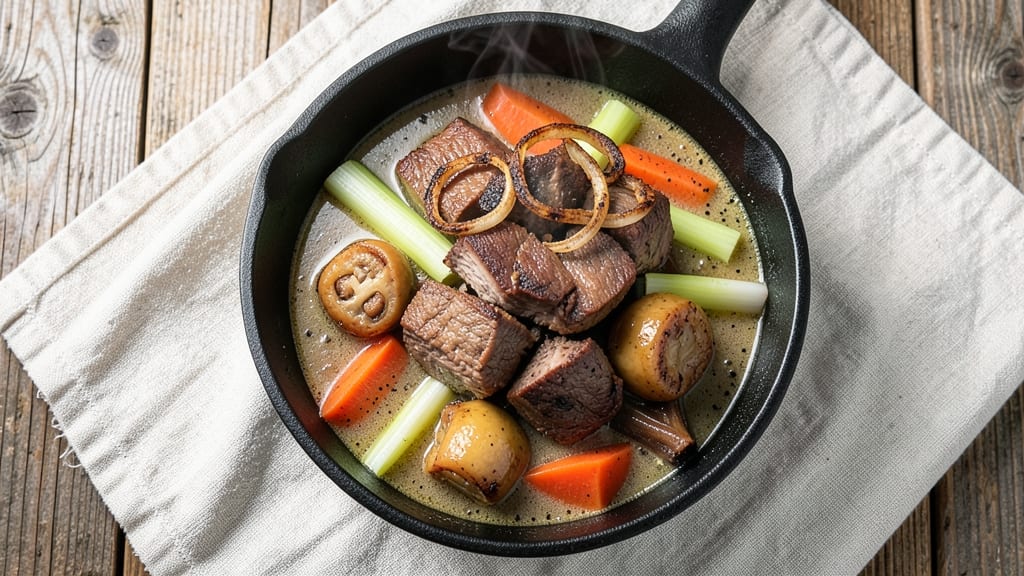
This paya soup recipe delivers the soul-warming comfort of a slow-simmered pig trough, where tender meat and aromatic herbs create a deeply satisfying broth. The key lies in hours of gentle simmering, transforming tough cuts into melt-in-your-mouth perfection while building layers of herbal depth.
I first encountered this dish in a rural kitchen where every spoonful carried generations of tradition—now I’ve refined it for home cooks seeking restaurant-quality results without the fuss.
The foundation begins with a rich, flavorful broth made from pork bones and aromatic vegetables, simmered until the collagen dissolves into velvety richness.
Lean cuts of pork shoulder or trotter add hearty substance, while leafy greens like spinach or kale wilt into the broth just before serving, ensuring vibrant color and texture. This isn’t just soup—it’s a foolproof method to turn simple ingredients into a meal that feels like coming home.
By the time you’re ladling steaming bowls into waiting hands, you’ll taste the harmony of savory meat, earthy herbs, and tender vegetables all suspended in that golden broth.
The aroma alone will have everyone gathering around the table, and the first bite delivers the comfort of a dish made with intention. Whether you’re feeding a family or treating yourself, this recipe promises warmth in every spoonful.
Perfect for chilly evenings or as a centerpiece for gatherings, paya soup scales beautifully and reheats even better the next day. The slow-cooked technique ensures maximum flavor extraction, while the herbal depth comes from a blend of thyme, bay leaves, and a touch of ginger—subtle yet transformative. Let’s get cooking!
Ingredients for paya soup
Pork bones, aromatic herbs, and hours of simmering. That’s all you need for restaurant-quality paya soup.
| Ingredient | Amount | Notes |
|---|---|---|
| Pork Shoulder 🐖 | 3 lb | Bone-in, cut into 2-inch chunks |
| Pork Trotters 🦵 | 1 lb | Cleaned, trimmed of excess fat |
| Pork Bones 🦴 | 2 lb | Knuckle or neck bones preferred |
| Yellow Onion 🧅 | 2 whole | Quartered, skin on for color |
| Carrots 🥕 | 4 whole | Whole, scrubbed, rough chopped |
| Celery Stalks 🥬 | 4 whole | Whole, rough chopped |
| Garlic Cloves 🧄 | 8 cloves | Smashed, skin on for depth |
| Fresh Thyme 🌿 | ¼ cup | Stems removed, loosely packed |
| Bay Leaves 🍃 | 4 whole | Dried or fresh |
| Fresh Ginger 🌿 | 2 tbsp | Finely grated, fresh preferred |
| Salt 🧂 | 2 tbsp | Diamond Crystal kosher salt |
| Black Peppercorns 🌶️ | 1 tbsp | Crushed, freshly ground |
| Spinach 🌱 | 8 oz | Fresh, loosely packed |
| Kale 🌿 | 4 cups | Chopped, stems removed |
| Extra-Virgin Olive Oil 🫒 | ¼ cup | For drizzling on pork |
The pork is the soul of this dish. Bone-in shoulder and trotters add depth—skip the pre-cut packages at the grocery store and ask your butcher for the best cuts. Whole pork bones (knuckle or neck) are non-negotiable for that rich, gelatinous broth. If you can’t find trotters, pork hocks work too. For the best flavor, marinate the pork in olive oil, salt, and pepper overnight—trust me, it’s worth the extra hour. The farmers market often has better cuts than the supermarket, but quality butchers at Whole Foods or Trader Joe’s won’t disappoint either.
No fresh thyme? Dried works at one-third the amount, but it won’t have the same brightness. The ginger can be swapped for 1 tsp ground ginger if you’re in a pinch, though fresh is ideal. For the greens, baby spinach or Swiss chard are great substitutes—just adjust the quantity since they wilt differently. The broth base? If you’re short on time, chicken or vegetable broth (2 cups) can stretch the flavor, but nothing beats the real deal. And if you’re worried about the pork being too fatty, pat the chunks dry before searing—it makes all the difference.
This soup tastes even better the next day—reheat gently on low heat to preserve that velvety texture. Store in the fridge for up to 5 days, or freeze portions for up to 3 months. For a shortcut, prep the broth ahead and freeze it—just thaw and add the greens when ready to serve. The greens should be added just before serving (they’ll wilt fast), so keep them separate until the last minute. Leftovers reheat beautifully, and the broth freezes like a dream for future meals.
Why You'll Love This Recipe
- One-Pot Masterpiece: Honestly, this soup is the kind of recipe where you don’t need a million pans or a fancy setup—just one Dutch oven and a little patience. The pork shoulder, trotters, and bones all go in the same pot, and the magic happens while you’re doing something else. No chopping marathon here; those carrots and celery just get roughly chopped, and the onions stay whole for color. The only real effort? Searing the pork until it’s golden brown—worth every second.
- Collagen Bomb: That’s right, this broth is rich because of the pork bones and trotters. Three hours of slow simmering at 180-190°F turns those bones into a velvety, almost gelatinous base, while the pork shoulder becomes fall-apart tender. Add the smoky depth of garlic, the bright pop of ginger, and the earthy notes of thyme and bay leaves, and you’ve got a flavor profile that’s both bold and balanced. The spinach and kale at the end? Just the fresh contrast you need to make it sing.
- Freezer-Friendly Feast: Between us, this soup is perfect for meal prep. Make a big batch on Sunday, and you’ve got five days of fridge-friendly comfort food—or freeze portions for up to three months. It’s the ultimate budget hack too: those pork bones and trotters are often cheaper than other cuts, and they’re packed with flavor. Plus, leftovers? Even better the second time around. I’ll be real, I’ve had this soup reheated three times in a row, and it never gets old.
- Comfort in Every Bowl: This isn’t just a weeknight dinner—it’s the kind of soup that feels like a hug. The tender pork, the silky broth, and the bright greens make it hearty enough for a chilly evening but light enough to serve at a casual gathering. My daughter insists on picking out the trotters first (yes, even on a Tuesday night), and honestly, who can blame her? It’s the kind of dish that makes everyone at the table slow down, savor, and ask for seconds.
Step-by-step instructions for slow-simmered paya soup
This rich, herbal-infused broth delivers deep comfort with every spoonful—just follow the process.
Sear the Pork for Maximum Flavor
Heat a large Dutch oven over medium-high heat. Add the 3 lb pork shoulder cut into 2-inch chunks and the 1 lb pork trotters, searing them in batches until deeply browned on all sides. This step builds the foundation of your soup's depth—don't rush it. The pork should develop a rich crust that releases easily from the pan.
Once browned, remove the pork and set aside. Add the 2 lb pork bones to the same pot and sear them lightly for 2-3 minutes per side until they develop color. This caramelization unlocks their natural collagen, which will later melt into velvety broth. The bones will become the structural backbone of your soup's texture.
Build the Herbal Base
In the same Dutch oven, add ¼ cup extra-virgin olive oil and swirl to coat the browned bits. Add the 2 quartered yellow onions (skin on for color), 4 carrots, 4 celery stalks, and 8 smashed garlic cloves. Cook for 5 minutes until the vegetables begin to soften and release their aromatics.
Stir in the ¼ cup fresh thyme, 4 bay leaves, 2 tbsp finely grated fresh ginger, 2 tbsp salt, and 1 tbsp crushed black peppercorns. Pour in 8 cups water (enough to nearly cover the ingredients) and bring to a rolling boil. Once boiling, reduce heat to low and add the reserved pork back to the pot.
Slow-Simmer for Tender Perfection
Cover the pot and let the soup simmer gently for 3 hours at 180-190°F. This low-and-slow approach is critical—it allows the collagen in the bones and connective tissue in the pork to break down completely, transforming into a luxurious, gelatinous broth. Check the water level periodically and add hot water as needed to keep the ingredients submerged.
After 3 hours, remove the pork shoulder and trotters from the broth. Strain the broth through a fine-mesh sieve into a clean pot, pressing gently on the solids to extract maximum flavor. Discard the solids. Return the broth to the pot and add the pork back in to finish warming through.
Finish with Greens for Vibrant Color
While the broth reheats, prepare the greens. In a separate pot, blanch the 8 oz spinach and 4 cups chopped kale in boiling water for 1 minute, then drain and plunge into ice water to stop cooking. This preserves their vibrant color and crisp texture—essential for balancing the rich broth.
Ladle the hot broth over the blanched greens and let them wilt for 2-3 minutes in the pot. Adjust seasoning with additional salt if needed, then serve the soup steaming hot with the pork shoulder and trotters presented prominently in each bowl. The contrast of tender meat, velvety broth, and bright greens creates a truly comforting experience.
Pro Tips For Making Paya Soup
- Don’t Skimp on Searing: I learned this the hard way—rushing the sear on the pork shoulder and trotters means flavor gets left behind. Get those cuts deep golden brown in batches; crowded pans steam instead of sear, and you’ll end up with bland broth. A Dutch oven’s heavy base helps, but patience here makes all the difference.
- Skin-On Onions Matter: Leaving the skin on those quartered yellow onions isn’t just for looks—it traps color and sweetness in the broth. Peel them after simmering if you hate the texture, but trust me, the golden broth will taste richer. (Yes, even if you’re impatient like me.)
- Strain Like Your Broth’s Life Depends on It: After 3 hours, pressing the strained solids with the back of a spoon feels tedious, but it’s the thing that matters most. That extra gelatin and rendered fat turn a good broth into a velvety masterpiece. Skip this, and your soup will taste watery—no matter how long you simmer.
- Blanch Greens Fast: Sounds weird, but it works: plunging the spinach and kale into ice water after just 1 minute keeps them bright and crisp. Overcook them, and they turn to mush—ruining the contrast with the rich broth. Do this while the soup reheats, and you’ll save time and effort.
Creative variations of this recipe
Filipino-Inspired Spicy Paya
For a fiery twist, add 2 tbsp Penzeys Chili Crystals directly to the broth during the simmering phase. This Filipino-inspired variation brings bold heat that pairs perfectly with the pork's richness.
I also include 1 tbsp fish sauce (like Red Boat) for umami depth—just add it after the 2-hour mark. Garnish with thinly sliced scallions and a drizzle of chili oil for extra zing. The balance of spice and savory creates an addictive flavor profile. 🌶️
Vegetarian White Mushroom Paya
Swap pork entirely for a hearty vegetarian version using 2 lb cremini mushrooms (sliced) and 1 lb shiitake mushrooms (stems removed). Sear the mushrooms in batches until golden, then proceed with the original vegetable base. Add 1 cup coconut milk during the simmering phase for creaminess.
The umami from the mushrooms mimics pork's depth while keeping the dish rich and satisfying. I love using organic mushrooms from Whole Foods for best results.
Thai-Inspired Lemongrass Paya
Infuse the broth with 3 stalks lemongrass (bruised and tied together) and 1 tbsp Thai red curry paste during the simmering phase. These add citrusy brightness and aromatic complexity. I also add 1 tbsp palm sugar to balance the heat.
Serve with crushed peanuts and fresh cilantro for texture contrast. This Thai-inspired variation keeps the soul of paya while adding tropical flair. 💛
Slow-Cooker Convenience Version
Transfer all ingredients to a 6-quart slow cooker after searing the pork and vegetables. Cook on low for 8-10 hours or high for 5-6 hours, then strain and finish with greens.
This method requires minimal attention—just add water as needed. I use my Crock-Pot model for even heat distribution. The result is equally rich but with less hands-on effort.
Seafood Paya with Clams
Replace pork entirely with 3 lb mixed clams and mussels, cleaned and deveined. Sear them briefly in batches before adding to the broth with the vegetables. Add 1 tbsp Old Bay seasoning for coastal flavor.
The clams and mussels cook quickly in the simmering broth, creating a briny, ocean-inspired twist. Serve with crusty bread to soak up the briny goodness.
Nutrition facts
Frequently asked questions
Why does this paya soup need such a long simmer time?
The 3-hour simmer at 180-190°F is key for turning tough pork bones and connective tissue into velvety broth. This slow breakdown releases collagen, creating that luxurious, gelatinous texture that makes the soup so rich and satisfying. Skipping this step leaves the broth thin and flavorless!
Can I use dried herbs instead of fresh thyme and ginger?
Yes! Use one-third the amount of dried thyme and substitute 1 teaspoon ground ginger for the 2 tablespoons fresh. While fresh adds brighter flavor, dried works well—just adjust to taste. The broth will still be aromatic and delicious.
What’s the best way to reheat leftovers without drying out the broth?
Gently warm on low heat in a pot, stirring occasionally to prevent sticking. Avoid high heat—it can separate the broth. For extra richness, add a splash of water or broth to restore moisture. The soup actually tastes better the next day!
Why add greens only at the end?
Blanching spinach and kale separately preserves their vibrant color and crisp texture—adding them late prevents the broth from turning murky. The greens wilt beautifully in the hot broth just before serving, balancing the richness with freshness. It’s a classic technique for brightening soups!