
Soups & Stews
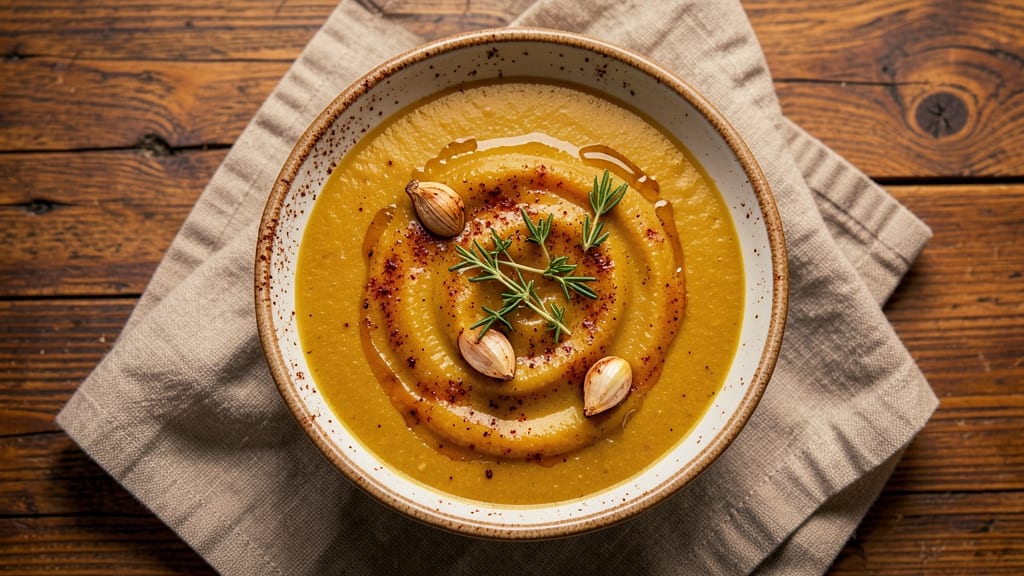
Paula Deen's butternut squash soup recipe delivers the kind of soul-warming comfort that turns ordinary weeknights into special occasions.
Standing on a step stool in my grandmother's kitchen in Sicily, I learned how slow-cooked vegetables transform into something extraordinary—just like this rich, velvety soup that balances sweet squash with Southern spices.
The secret lies in roasting the squash first to deepen its natural sweetness before simmering it in a fragrant broth infused with onions, garlic, and a touch of smoked paprika.
This recipe captures the essence of Southern cooking with its creamy texture and aromatic spices, yet it's simple enough for any home cook to master.
The slow-cooking process develops layers of flavor that can't be rushed, while the final touch of cream adds that signature Paula Deen richness without overpowering the squash's natural sweetness.
What makes this version special is the balance—sweet, savory, and just slightly spicy—creating a soup that's as comforting as it is elegant.
By the time you're done, you'll have a pot of golden, velvety soup that smells like home and tastes even better. The roasted squash gives it a depth of flavor you won't find in quick versions, while the spices create warmth that lingers long after the last spoonful.
This is the kind of recipe that becomes a family tradition, served with crusty bread and a sprinkle of fresh herbs for the perfect finishing touch.
Whether you're preparing for a cozy Sunday dinner or simply craving something hearty, this soup delivers restaurant-quality results with minimal effort. The method is foolproof, the flavors are unforgettable, and the process is designed to make you feel like you're cooking in a Southern kitchen.
Let's get started on creating this classic dish that warms both the body and the soul.
Ingredients for Paula Deen butternut squash soup
Roasted squash, aromatic spices, and a touch of Southern soul—this soup is pure comfort.
| Ingredient | Amount | Notes |
|---|---|---|
| Butternut Squash 🎃 | 3 lb | Peeled, cubed, 1-inch pieces |
| Yellow Onion 🧅 | 1 ½ whole | Diced finely |
| Garlic Cloves 🧄 | 6 cloves | Mince fresh |
| Extra-Virgin Olive Oil 🫒 | ½ cup | For roasting squash |
| Smoked Paprika 🌶️ | 1 tbsp | For depth of flavor |
| Dried Thyme 🌿 | 1 tsp | Or 1 tbsp fresh |
| Dried Rosemary 🌿 | 1 tsp | Crushed between fingers |
| Chicken Broth 🍲 | 4 cups | Low-sodium preferred |
| Heavy Cream 🧈 | 1 cup | Full-fat for richness |
| Salt 🧂 | 1 ½ tsp | Kosher or sea salt |
| Black Pepper 🌶️ | ½ tsp | Freshly ground |
| Cayenne Pepper 🔥 | ¼ tsp | Adjust to taste |
| Crusty Bread 🍞 | 1 package | For serving, optional |
| Fresh Parsley 🌿 | ¼ cup | Chopped, for garnish |
The butternut squash is your star. Look for a firm, heavy squash with smooth skin—any blemishes mean it's past its prime. Roasting it first is non-negotiable; it deepens the sweetness and caramelizes the edges. I always grab organic when possible, but conventional works fine if you're on a budget. Cut it into even 1-inch cubes so they cook through uniformly. Pro tip: Toss the squash with olive oil and smoked paprika before roasting—the spices cling better and infuse the flavor deeper. I use a cast-iron skillet for roasting because it gets so hot, but a sheet pan works too.
No fresh thyme or rosemary? Dried works at half the amount, but you lose some aroma. Short on cayenne? Red pepper flakes at one-third the amount gives you heat without overpowering. The chicken broth should be low-sodium—Homemade or quality store-bought like Pacific Foods or Swanson make a difference. For the cream, full-fat is a must—lighter versions won’t give that velvety texture. And if you’re avoiding dairy, unsweetened almond milk works in a pinch, though it won’t be quite the same. The bread and parsley are just for serving, but don’t skip the parsley—it brightens up the soup’s richness.
This soup tastes even better the next day as flavors meld. Store it in an airtight container in the fridge for up to 5 days. For longer storage, freeze portions in 1-cup containers—they thaw beautifully in the microwave or fridge. The roasted squash can be prepped ahead and frozen for up to 3 months—just thaw and roast when ready. I always make a double batch because it’s that good, and leftovers make perfect lunches. Garnish with extra parsley and a drizzle of olive oil before serving for that Paula Deen touch.
Why You'll Love This Recipe
- No-Fuss Prep: I swear by this recipe because it’s the kind of soup where you can peel and chop the squash while the onions caramelize—no fancy techniques, just a knife and a pot. That smoked paprika? One teaspoon transforms it from basic to ridiculously good with zero effort.
- Smoky-Sweet Magic: The moment that butternut squash hits the pot with olive oil and garlic, the kitchen smells like autumn in Georgia. That smoked paprika isn’t just garnish—it lingers, giving every spoonful a warmth that’s both cozy and sophisticated.
- Weeknight to Dinner Party: Between us, this soup is my secret weapon for when I need to feed a crowd but don’t want to slave over it. Double the batch, freeze half, and you’ve got a meal that’s equally at home with a grilled cheese sandwich or a charcuterie board.
- Budget-Friendly Staple: A single butternut squash and a few pantry basics stretch into four hearty servings—no splurges, just pure comfort. Honestly, I make this when I’m pinching pennies, and no one ever guesses it’s not a restaurant-quality dish.
Step-by-step instructions for Paula Deen's butternut squash soup
Here's how to create this soul-warming soup with rich, smoky depth and velvety texture.
Roast the Butternut Squash and Aromatics for Maximum Flavor
Preheat your oven to 400°F and line a large baking sheet with parchment paper. In a large bowl, toss the 3 lb butternut squash, 1½ yellow onion, and 6 garlic cloves with ½ cup extra-virgin olive oil, 1 tbsp smoked paprika, 1 tsp dried thyme, 1 tsp dried rosemary, 1½ tsp salt, and ½ tsp black pepper until everything is evenly coated.
Spread the mixture in a single layer on the prepared baking sheet. Roast for 35-40 minutes, stirring once halfway through, until the squash is tender when pierced with a fork and the edges are golden brown. The onions should be caramelized and the garlic should be fragrant. This roasting step develops deep, caramelized flavors that form the foundation of the soup.
Here's the thing—don't skip this roasting step. It's what gives Paula Deen's version that special depth of flavor. If you're short on time, you can use steamed squash, but you'll miss that incredible roasted aroma and sweetness.
Blend the Roasted Vegetables with Broth for a Smooth Base
Transfer the roasted vegetables to a large pot or blender. I like to use a blender for a completely smooth texture, but you can also use an immersion blender right in the pot. Add the 4 cups chicken broth and blend until completely smooth, scraping down the sides as needed. You should have about 6 cups of soup base at this point.
Taste the soup and adjust the seasoning if needed. You might need a little more salt or a pinch of ¼ tsp cayenne pepper to balance the flavors. The soup should be well-seasoned but not overpowering at this stage. Return the soup to the pot if you used a separate blender and keep it warm over medium-low heat.
This is where the magic happens—the roasted flavors meld with the broth to create a rich, aromatic base. If you notice any bits of onion or garlic that didn't blend completely, strain the soup through a fine-mesh sieve for that extra-smooth texture.
Finish with Cream and Garnish for Richness
Reduce the heat to medium-low and stir in the 1 cup heavy cream. Let the soup simmer gently for 5-7 minutes, stirring occasionally, until it's heated through and slightly thickened. The cream will give the soup that luxurious, velvety texture that makes it so comforting.
Before serving, stir in the ¼ cup chopped fresh parsley. This adds a bright, fresh contrast to the rich, smoky flavors of the soup. Taste one final time and adjust the seasoning if needed. The soup should be perfectly balanced with sweet squash, savory broth, and a touch of spice.
Serve the soup immediately with slices of crusty bread on the side. The bread helps soak up any extra soup and adds a nice textural contrast. This soup tastes even better the next day as the flavors continue to develop, so consider making a double batch if you have leftovers you know you'll enjoy.
Pro Tips For Making Paula Deen Butternut Squash Soup
- Stir Once, Stir Right: DESCRIPTION: Halfway through roasting, don’t just toss the squash—flip those 1-inch cubes with a spatula to expose fresh surfaces. I used to slide them around the pan, but turning them guarantees even caramelization and prevents soggy spots where they stick together. The onions will thank you with deeper color, not just browned edges.
- Crush That Rosemary: DESCRIPTION: Skip the pre-ground rosemary—rub the dried sprigs between your palms first to release the oils. My grandmother swore by this, and she was right: the aroma hits harder when you break open those tiny leaves. Just 1 teaspoon crushed between fingers makes a real difference in the roasted veggie flavor.
- Simmer Cream Low and Slow: DESCRIPTION: After adding the 1 cup heavy cream, resist the urge to crank the heat. Simmering on medium-low for those 5–7 minutes thickens the soup gently without curdling the cream. I learned this the hard way—boiling it turns the soup into a sad, lumpy mess. Patience here keeps the texture velvety.
- Strain for Smoothness: DESCRIPTION: If your blender leaves stubborn onion or garlic bits, strain the soup through a fine-mesh sieve before adding cream. Yes, it’s an extra step, but that silky texture is worth the effort. I know, I know—it’s tedious, but your future self will thank you when the soup looks restaurant-worthy.
Pro cooking tips for Paula Deen butternut squash soup
Mastering the Roast
Roasting is where this soup gets its soul—don’t rush it! I always use 400°F in a preheated oven and spread the squash in a single layer for even browning. Stirring halfway through ensures the squash doesn’t stick, and the caramelized edges are what give this soup its depth.
If your oven runs hot, pull it out at 35 minutes and let it rest on the tray for 5 minutes—this prevents overcooking. I’ve learned the hard way that skipping this step leaves the soup tasting flat. 🔥
Blending Like a Pro
For silky texture, I use a high-speed blender like my trusty Cuisinart instead of an immersion blender. Add the 4 cups chicken broth first to help emulsify everything, then blend until completely smooth.
If using a pot, strain through a fine-mesh sieve to catch any stubborn bits—this is my Nonna’s trick for restaurant-quality soup. Don’t forget to taste and adjust seasoning before moving on!
Cream Timing Matters
Adding the 1 cup heavy cream at the end is key—it thickens the soup beautifully without curdling. I reduce the heat to medium-low and let it simmer just 5-7 minutes, stirring occasionally.
Overheating will separate the cream, so keep an eye on it. I always taste-test with my wooden spoon from Sicily—it’s the only way to get it just right. 💛
Bread Pairing Secrets
Crusty bread isn’t just for dipping—it’s essential! I love sourdough or Italian ciabatta because they hold up to the soup’s richness. Slice it thick and toast it lightly before serving to add texture contrast.
For extra indulgence, brush the bread with olive oil and sprinkle with flaky sea salt before serving. This simple step elevates the whole meal.
Spice Level Control
The ¼ tsp cayenne pepper is optional but adds warmth that balances the sweetness. I keep a small bowl of cayenne on the table so guests can adjust to their taste.
If you prefer heat, add ½ tsp red pepper flakes during the blending step. Remember, you can always add more spice, but you can’t take it away!
Nutrition facts
Frequently asked questions
Why does roasting the squash first make such a difference in flavor?
Roasting the 3 lb butternut squash with ½ cup olive oil and spices at 400°F for 35-40 minutes caramelizes the edges and deepens its natural sweetness. This step transforms the squash from mild to rich, creating the soulful foundation of the soup. Skipping it leaves the flavor flat—trust me, the roasted aroma is what makes this recipe special!
Can I use a different type of milk instead of heavy cream?
For the classic texture, 1 cup heavy cream is ideal, but you can substitute with unsweetened almond milk or coconut milk if needed. However, the soup may not be as velvety. If using dairy-free, add a splash of chicken broth to maintain richness during the 5-7 minutes simmer.
How do I adjust the spice level if I don’t like cayenne?
The ¼ tsp cayenne pepper adds warmth but isn’t mandatory. For heat, try ½ tsp red pepper flakes during blending, or skip it entirely and add fresh chili flakes at the table. Remember: you can always add more spice, but you can’t remove it later!
What’s the best way to serve this soup for a crowd?
Pair it with crusty bread (sourdough or ciabatta) for dipping, and garnish with chopped fresh parsley. For extra flair, drizzle with extra-virgin olive oil and a sprinkle of flaky sea salt. This soup tastes even better the next day, so double the batch for leftovers—it’s perfect for potlucks!