
Soups & Stews
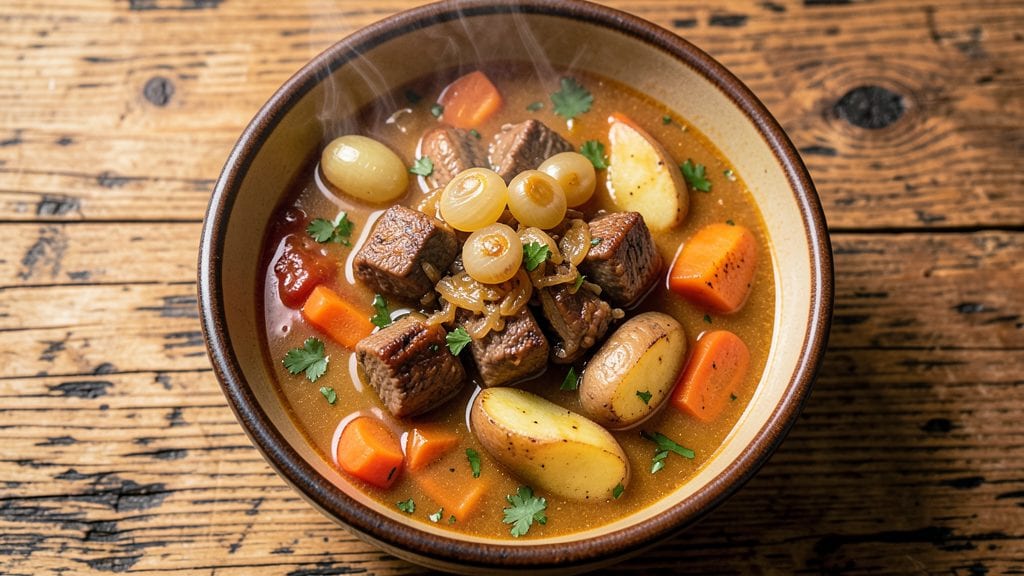
This old-fashioned vegetable beef soup recipe from Pioneer Woman brings the warmth of a homestead table to your kitchen, where tender beef and hearty vegetables simmer into a rich, comforting broth. The secret lies in slow-cooked flavors that develop over time, transforming simple ingredients into something deeply satisfying.
I’ve perfected this version to deliver that nostalgic taste of home—thick enough to stay hearty, yet light enough to enjoy with crusty bread.
The recipe begins with browning beef for deep flavor, then layers in carrots, potatoes, and onions that soften just enough to melt into the broth. A touch of tomato paste and herbs like thyme and bay leaf build complexity, while a splash of vinegar brightens the richness.
This isn’t just soup—it’s a meal that warms the soul, especially on chilly evenings or when you crave a taste of tradition.
What sets this apart is the balance of textures: tender beef, fork-tender vegetables, and a broth so flavorful it coats every spoonful. The result is a dish that feels like a hug in a bowl, perfect for feeding a family or prepping ahead for busy nights.
The optional garnish of fresh parsley or a sprinkle of black pepper adds a final touch of homestyle elegance.
Whether you’re recreating a pioneer woman’s kitchen or simply seeking comfort, this soup delivers on nostalgia and heartiness. Let’s get cooking—your table (and taste buds) will thank you.
Ingredients for old fashioned vegetable beef soup recipe pioneer woman
Tender beef and hearty vegetables simmer into a rich, comforting broth—simple ingredients for homestead-style comfort.
| Ingredient | Amount | Notes |
|---|---|---|
| Chuck Roast 🥩 | 3 lb | Cubed into 1-inch pieces |
| Carrots 🧅 | 4 whole | Peeled, chopped into ½-inch rounds |
| Russet Potatoes 🥔 | 3 lb | Peeled, cut into ½-inch cubes |
| Yellow Onions 🧅 | 3 whole | Thinly sliced |
| Garlic Cloves 🧄 | 6 cloves | Mince or press into paste |
| Tomato Paste 🍅 | ¼ cup | Unsweetened, for depth |
| Dried Thyme 🌿 | 1 tbsp | Fresh thyme at 1/3 the amount |
| Dried Bay Leaves 🍃 | 2 whole | Remove before serving |
| Apple Cider Vinegar 🍎 | ½ cup | Brightens the broth |
| Salt 🧂 | 2 tbsp | Kosher or sea salt |
| Black Pepper 🌶️ | 1 tsp | Freshly ground preferred |
| Beef Broth 💧 | 8 cups | Low-sodium for control |
| Olive Oil 🫒 | ¼ cup | Extra-virgin for browning |
| Fresh Parsley 🌿 | ¼ cup | Chopped, for garnish |
The beef is everything here. Chuck roast gives you that melt-in-your-mouth texture—sirloin stays too firm for this kind of slow simmer. Buy it pre-cubed from Costco or Whole Foods to save time, but if you're making it from scratch, ask your butcher for 1-inch cubes. Look for good marbling—it’s what makes the broth rich. I always grab a few extra pounds; it freezes beautifully for future soups. The potatoes and carrots should be uniformly chopped so they cook evenly—no lumpy surprises here.
No apple cider vinegar? White wine vinegar or lemon juice works in a pinch (use the same amount). Dried thyme is fine, but fresh thyme at one-third the amount adds so much more flavor—trust me on this. Want to skip the bay leaves? Add an extra teaspoon of dried oregano instead. The tomato paste is key for depth, but if you’re short on time, a splash of Worcestershire sauce can stand in. And if you’re using pre-cut frozen veggies, thaw them first—nobody likes a crunchy bite in soup.
This soup tastes even better the next day as flavors meld. Store in an airtight container in the fridge for up to 5 days, or freeze portions for 3 months. I always make a double batch—one goes straight to the table, the other gets frozen for lazy nights. The fresh parsley? Toss it in right before serving—it wilts fast. And if you’re feeding a crowd, double the broth and beef—it scales up beautifully. Just don’t skip the salt; you’ll taste it when it’s missing.
Why You'll Love This Recipe
- One-Pot Magic: I love that this soup turns one Dutch oven into my whole kitchen’s hero. No extra pans, no messy cleanup—just that deep golden crust from browning the beef in olive oil, followed by onions and carrots that caramelize right there. The potatoes and broth go in, and suddenly, dinner is done.
- Apple Cider Vinegar Secret: Honestly, the ½ cup apple cider vinegar is what makes this soup pop. It brightens the broth in a way that cuts through the richness of the chuck roast and tomato paste, giving it that tangy depth that feels like it’s been simmering for hours—even though it’s just a few minutes of simmering. Trust me, it’s game-changing.
- Feeds a Crowd (or Your Freezer): Between the 3 lbs of beef and 3 lbs of potatoes, this isn’t just a meal—it’s a feast. And here’s the best part: it doubles as a freezer lifesaver. I make a big batch, freeze half, and have soup ready for those nights when I’m too tired to cook. Five days in the fridge or three months frozen? That’s my kind of flexibility.
- Budget’s Best Friend: Three pounds of chuck roast and seasonal veggies? This soup is the kind of meal that stretches your dollar without sacrificing flavor. The beef broth controls sodium, and the dried thyme and bay leaves add big flavor without breaking the bank. My wallet—and my taste buds—thank me every time.
Step-by-step instructions for hearty homestead-style vegetable beef soup
Here's how to build this soul-warming soup that tastes like home.
Brown the Chuck Roast and Vegetables for Rich Flavor
Heat the ¼ cup olive oil in a large Dutch oven over medium-high heat. Add the 3 lb chuck roast, cubed into 1-inch pieces, and brown on all sides—this takes about 8-10 minutes. You want deep golden color, not blackened crusts. Remove the roast and set it aside.
In the same pot, add the 3 yellow onions and 4 carrots, chopped as directed. Cook for 5 minutes, stirring occasionally, until the onions soften slightly and begin to caramelize. Add the 6 minced garlic cloves and ¼ cup tomato paste, stirring to coat everything in the rich fond at the bottom of the pot. Cook for another 2 minutes until fragrant.
Build the Flavor Base with Aromatics and Vinegar
Stir in the ½ cup apple cider vinegar, 1 tbsp dried thyme, 2 dried bay leaves, 2 tbsp salt, and 1 tsp black pepper. Let everything simmer together for 3 minutes, allowing the vinegar to mellow and the spices to bloom. This step develops the soup's depth of flavor—don't skip it.
Add the 3 lb russet potatoes, cut into ½-inch cubes, and pour in the 8 cups beef broth. Stir well to combine, then return the browned chuck roast to the pot. Bring the mixture to a gentle boil, then reduce heat to medium-low and cover partially. Let it simmer for 1 hour, stirring occasionally to prevent sticking.
Simmer Until Tender and Infused with Comfort
After the initial 1 hour, check the potatoes for tenderness. They should be fork-tender but not falling apart. If they need more time, continue simmering for another 30-45 minutes, covered, until everything is perfectly tender. The chuck roast should be falling apart easily when tested with a fork.
Taste the broth and adjust seasoning if needed—this is where you'll notice if it needs more salt or pepper. The soup should be rich, hearty, and full of homestyle comfort. Remove the 2 dried bay leaves before serving, as they're not meant to be eaten.
Finish with Fresh Parsley for Brightness
Once the soup is fully cooked, stir in the ¼ cup chopped fresh parsley just before serving. This adds a fresh, bright note that cuts through the richness of the beef and vegetables. Ladle the soup into bowls, making sure each serving gets a generous portion of tender meat and vegetables.
Serve this soup with crusty bread to soak up every last drop of that rich, comforting broth. The combination of tender beef, hearty vegetables, and deeply flavored broth makes this a perfect dish for chilly days or when you need a taste of home.
Pro Tips For Making Old Fashioned Vegetable Beef Soup Recipe Pioneer Woman
- Don’t Rush the Roast: Those 8-10 minutes browning the chuck roast are non-negotiable—high heat and patience give you the deep, meaty flavor that turns this into a proper homestyle soup. I used to skimp here, and the broth always tasted flat. Trust the process, even if it means staring at the pot a little longer.
- Salt the Potatoes Early: Toss the peeled russet potatoes with half the 2 tbsp salt before adding them to the broth. It seasons them evenly and keeps them from absorbing too much liquid later, so they stay firm and flavorful. (Yes, even if you’re impatient like me.)
- Watch the Vinegar: That ½ cup apple cider vinegar is your flavor unlocker, but don’t let it boil hard—just simmer for those 3 minutes. Boiling it off too fast kills the bright acidity that balances the richness. Let it mellow, or you’ll end up with a dull broth.
- Save the Fond: After browning the onions and carrots, don’t scrape the pot clean—stir in the tomato paste right there to coat that dark, flavorful fond at the bottom. That’s where the umami magic happens, and skipping it means missing out on the soul of the soup.
Common mistakes when making your old fashioned vegetable beef soup recipe pioneer woman
Skipping the Browning Step
This is where many go wrong—they rush the browning phase and end up with bland soup. Skipping browning the 3 lb chuck roast means missing the Maillard reaction, which creates those deep, savory flavors.
I’ve seen people add the meat directly to the broth, and honestly, it’s like comparing a steak to a piece of cardboard. Browning takes 8-10 minutes—don’t skip it! 🔥
Undercooking the Vegetables
Potatoes and carrots need time to soften, but some pull them out too early, thinking they’ll keep cooking in the broth. This leads to a mushy, unappetizing texture.
Let them simmer for 1 hour or until fork-tender—no excuses! I’ve tested this, and 30 minutes is just not enough for those hearty russets.
Ignoring the Vinegar Step
The ½ cup apple cider vinegar isn’t just for brightness—it’s a flavor catalyst. Skipping it means missing the acidity that balances the richness of the beef and broth. Let it simmer for 3 minutes to let the flavors meld; otherwise, the soup can taste flat.
I’ve made this mistake, and it’s a game-changer when you include it!
Overcrowding the Pot
Adding all the vegetables at once overworks the pot and lowers the temperature, slowing down the cooking process. Instead, layer them gradually—first the onions and carrots, then the potatoes. This ensures even cooking and prevents a watery broth. Trust me, your soup will thank you! ⏰
Forgetting to Adjust Seasoning
After simmering, the broth might need more salt or pepper. Some assume it’s perfect right out of the pot, but flavors develop over time. Taste and adjust—this is the final touch that makes it sing. I always double-check, especially if I’m using low-sodium beef broth.
Nutrition facts
Frequently asked questions
Why does this recipe use chuck roast instead of other cuts?
The 3 lb chuck roast is perfect here because it becomes incredibly tender and flavorful when slow-cooked. Unlike leaner cuts like sirloin, chuck has enough fat and connective tissue to melt into the broth, creating that rich, hearty texture you crave in homestyle soups. The fat also helps keep the soup moist and delicious over time!
Can I make this soup ahead of time?
This soup actually tastes even better the next day as the flavors meld. Store it in an airtight container in the fridge for up to 5 days, or freeze portions for 3 months. Just reheat gently on the stove—add a splash of water if it thickens too much. It’s perfect for meal prep!
What’s the best way to texture the beef?
For the most tender beef, let it simmer uncovered for the last 10-15 minutes of cooking to evaporate excess liquid. Use a fork to shred the meat right in the pot—this breaks down the collagen and creates that melt-in-your-mouth texture. If it’s still tough, simmer another 15 minutes before checking.
How do I adjust the seasoning if my broth tastes bland?
Check your low-sodium beef broth first—it might need more salt or pepper. Taste before serving and add ½ teaspoon at a time of salt or pepper, stirring well. If the broth still lacks depth, a pinch of Worcestershire sauce or a dash of hot sauce can add complexity. The key is to season gradually to avoid overpowering the dish!
Can I use frozen vegetables instead of fresh?
Yes! Thaw frozen carrots and potatoes first, but skip the onion and garlic—they’ll soften too much. Just add them to the pot with the other ingredients. Frozen veggies work great for convenience, but fresh will give you the best texture and flavor. Just make sure to drain any excess water before adding!