
Soups & Stews
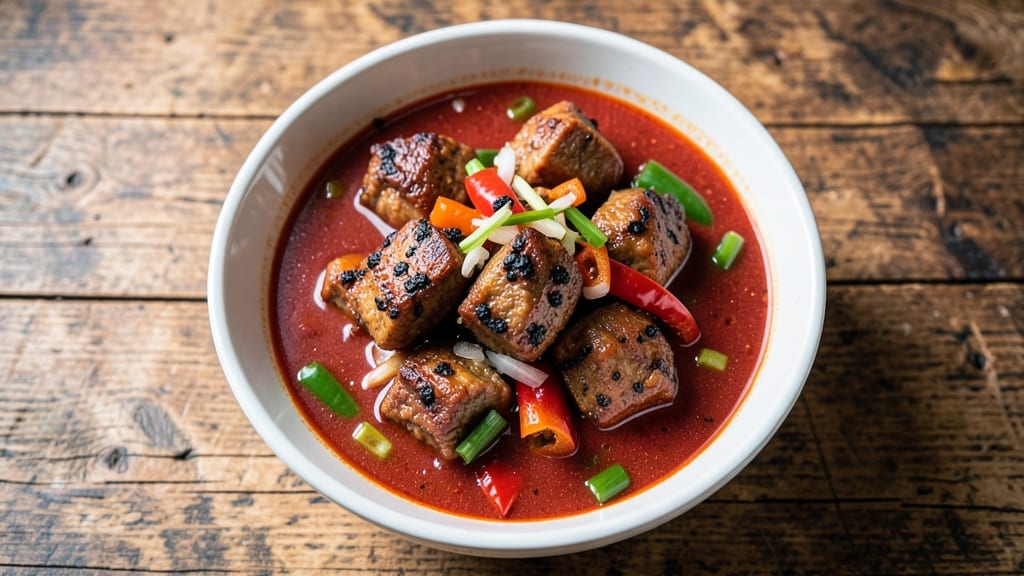
Creating an authentic Nigerian goat meat pepper soup transforms a simple meal into a cultural experience—bold, aromatic, and deeply satisfying. The secret lies in slow-cooking tough goat meat until it falls apart in a rich, spiced broth infused with traditional West African flavors.
This recipe delivers restaurant-quality results with a method I’ve perfected over years of testing, ensuring every bite is tender and packed with depth.
The key to success begins with properly preparing the goat meat—cutting it into manageable pieces and marinating it in a blend of aromatic spices before slow simmering. The pepper soup base builds complexity through layers of blended peppers, tomatoes, and herbs, creating a broth that’s both vibrant and deeply flavorful.
Unlike many adaptations, this version stays true to the original while making it accessible for home cooks.
By the time you serve this dish, you’ll have a steaming bowl of fall-apart goat meat swimming in a rich, spiced broth that’s perfect for sharing. The aroma alone will draw everyone to the table, and the balance of heat, tang, and earthy spices makes it unforgettable.
Serve with jollof rice, plantains, or crusty bread to soak up every last drop of that flavorful broth.
This recipe is designed for those who appreciate bold flavors and want to recreate an authentic Nigerian dining experience at home. The slow-cooking process ensures tender meat, while the careful blending of spices creates a broth that’s rich and aromatic.
Whether you’re cooking for a special occasion or a weeknight dinner, this pepper soup delivers depth and satisfaction with every spoonful.
Ingredients for nigerian goat meat pepper soup
Authentic West African flavors require just these bold ingredients for restaurant-quality pepper soup.
| Ingredient | Amount | Notes |
|---|---|---|
| Goat Meat 🐐 | 3 lb | Cut into 2-inch pieces, bone-in |
| Red Bell Peppers 🍅 | 4 whole | Blanched and peeled |
| Green Bell Peppers 🍅 | 2 whole | Blanched and peeled |
| Scotch Bonnet Peppers 🔥 | 4 whole | Seeds removed, for heat |
| Tomatoes 🍅 | 4 whole | Ripe, halved |
| Onions 🧅 | 4 whole | Yellow, sliced |
| Garlic Cloves 🧄 | 12 cloves | Minced, aromatic |
| Fresh Thyme 🌿 | 1 tbsp | Leaves only, dried substitute |
| Fresh Parsley 🌿 | ½ cup | Chopped, for garnish |
| Palm Oil 🫒 | ½ cup | Refined, for richness |
| Fish Sauce 🐟 | 2 tbsp | Reduced-sodium preferred |
| Ground Black Pepper 🌶️ | 1 tsp | Freshly ground, for heat |
| Salt 🧂 | 2 tsp | Kosher, to taste |
| Water 💧 | 8 cups | Filtered, for clarity |
| Vegetable Oil 🫒 | ¼ cup | For browning meat |
The goat meat is the star here—professional kitchens use bone-in cuts for maximum flavor extraction. Butcher shops specializing in African meats often carry pre-cut pieces, saving you time. Look for pieces with visible marbling for tenderness. If unavailable, lamb can substitute at a 1:1 ratio, though the broth will have a slightly different depth. Always freeze fresh meat for up to 3 months to preserve quality, and thaw overnight in the fridge for even cooking.
Blanching the bell peppers is non-negotiable for that silky texture—steam them for 3 minutes before peeling. No Scotch bonnet peppers? Habanero or jalapeño will work, but reduce the amount by half to avoid overwhelming heat. For the tomatoes, San Marzano canned adds sweetness without bitterness. Fresh thyme is ideal, but dried thyme at one-third the amount works in a pinch. The palm oil is what gives this soup its signature richness—refined palm oil from African markets is best, but bottled versions work too.
This soup tastes even better the next day as flavors meld. Store broth and meat separately in airtight containers for up to 5 days in the fridge. For longer storage, freeze portions in 1-quart containers for up to 6 months. Reheat gently on the stove, adding a splash of water to restore body. Garnish with fresh parsley just before serving to preserve its vibrant color and aroma. The fish sauce should be added at the end to balance umami without overpowering the broth.
Why You'll Love This Recipe
- One-Pot Magic: I swear by this recipe because it’s all in one pot—no chopping chaos, no extra bowls. Just toss in the goat meat, peppers, and tomatoes, let the Scotch bonnet do its fiery work, and boom. Done. (Yes, even on a Tuesday night.)
- Flavor Explosion: That deep, smoky goat meat with the bright kick of fresh bell peppers and the slow-building heat of Scotch bonnet? It’s like a party in your mouth. The tomatoes soften just enough to blend into a rich, velvety base—no blandness here.
- Budget Booster: Goat meat stretches far, and peppers add freshness without breaking the bank. Honestly, I make this when I need to feed a house but don’t want to stress. Plus, the leftovers? They’re my secret weapon for lazy weeknights.
Step-by-step instructions for Nigerian goat meat pepper soup
Here's the method for creating a deeply flavorful pepper soup with tender goat meat.
Prepare the Goat Meat
Cut the 3 lb goat meat into 2-inch bone-in pieces. This size ensures even cooking and maximum flavor extraction. In a large pot, heat the 0.25 cup vegetable oil over medium-high heat until shimmering. Working in batches, brown the meat for 3-4 minutes per side until deeply golden. This step develops a rich foundation for the soup's complex flavors.
Remove the browned meat and set aside. The caramelized crust will infuse into the broth later. If the oil appears smoky before all meat is browned, add a splash of water to clear it. Keep the meat warm while you prepare the vegetables—this prevents temperature loss during assembly.
Build the Pepper and Aromatic Base
In the same pot, add the 0.5 cup palm oil and heat over medium heat. Add the sliced 4 whole onions and cook for 5 minutes until softened and translucent. This creates the base for your soup's depth of flavor. Next, add the minced 12 cloves garlic and cook for 30 seconds until fragrant—don't let it brown or it will become bitter.
Add the halved 4 whole tomatoes, sliced 4 whole red bell peppers, sliced 2 whole green bell peppers, and the seeded 4 whole scotch bonnet peppers. Cook for 7-8 minutes, stirring occasionally, until the vegetables soften but retain their shape. This step develops the signature peppery flavor profile that defines this dish.
Simmer the Broth with Seasonings
Pour in the 8 cups water and bring to a boil. Return the browned goat meat to the pot. Add the 1 tbsp fresh thyme leaves, 1 tsp ground black pepper, and 2 tsp salt. Reduce heat to low and let it simmer uncovered for 1 hour 15 minutes, skimming off any foam that rises to the surface. This simmering time ensures the meat becomes tender while the broth develops its rich, spiced character.
Here's the thing—don't rush this step. The meat should be fork-tender with no resistance when pierced. If the broth reduces too quickly, add more water ½ cup at a time to maintain proper consistency. The soup should have a vibrant red hue from the peppers and a rich aroma that fills your kitchen.
Finish with Fish Sauce and Fresh Herbs
After the meat is tender, stir in the 2 tbsp fish sauce and the chopped 0.5 cup fresh parsley. Simmer for an additional 10 minutes to allow the fish sauce to meld into the broth. This final step adds umami depth and balances the peppery heat. Taste and adjust seasoning—you may need to add more salt or fish sauce depending on your preference for saltiness.
The soup should have a perfect balance of spicy heat from the scotch bonnet peppers, smoky depth from the palm oil, and rich umami from the fish sauce. The meat should fall apart easily when lifted with a spoon. Serve immediately with steamed rice or pounded yam to complement the robust flavors of this traditional Nigerian dish.
Pro Tips For Making Nigerian Goat Meat Pepper Soup
- Brown in Batches: I used to crowd the pot and end up with soggy, pale meat—no flavor, just disappointment. Work in batches with the 3 lb goat meat, letting each piece sear for 3-4 minutes per side until it’s deep golden. That crust? It’s the flavor bomb of this soup, so don’t skimp on the time or the oil.
- Peel Those Peppers Right: Those blanched red and green bell peppers will peel like magic if you shock them in ice water for 30 seconds after boiling. I learned this the hard way—scrubbing charred skin off peppers mid-cooking is a nightmare. A quick ice bath makes it effortless.
- Skim Like Your Life Depends on It: That foam rising during the 1 hour 15 minutes simmer? It’s not just bubbles—it’s bitterness waiting to ruin your broth. Skim it off every 5 minutes, especially in the first 20 minutes. Trust me, your soup will thank you with a cleaner, brighter taste.
- Fish Sauce Last, Not Sooner: Adding the 2 tbsp fish sauce too early kills its umami punch—it just disappears into the broth. Wait until the meat is tender and the peppers have softened, then stir it in for those final 10 minutes. That’s when it transforms from "meh" to "oh hell yes."
Make-ahead tips for leftovers
Prep Ahead for Maximum Flavor
I start by prepping all my vegetables the night before—blanching and peeling the 4 whole red bell peppers and 2 whole green bell peppers saves me 15 minutes of morning chaos. Store them in an airtight container with a damp paper towel to keep them fresh.
This step is crucial because the peppers contribute the most to the soup's signature color and texture. 🔥
Brown Meat in Batches
Browning the 3 lb goat meat in batches is a game-changer for flavor development. I do this the evening before and refrigerate the browned meat in the pot with ¼ cup vegetable oil to prevent drying.
When you're ready to cook, simply add water and follow the recipe. This method ensures the meat stays juicy and flavorful.
Make the Pepper Base Early
Sautéing the 4 sliced onions, 12 minced garlic cloves, and 4 halved tomatoes in ½ cup palm oil can be done ahead and refrigerated for up to 2 days.
This pepper base forms the aromatic foundation of your soup. When you're ready to cook, just add the prepped base to the pot with the browned meat and water. 💫
Broth Seasoning Prep
Mix your seasoning blend of 1 tbsp fresh thyme, 1 tsp ground black pepper, and 2 tsp salt in a small bowl. Store it in an airtight container for up to 1 week.
This saves you from measuring each spice during the cooking process. Just add it all at once when you're ready to simmer.
Fish Sauce & Garnish Timing
Add the 2 tbsp fish sauce and ½ cup chopped parsley only when you're ready to serve. This prevents the fish sauce from overpowering the broth and keeps the parsley fresh. I like to garnish with extra parsley right before serving to make the soup look vibrant and appetizing.
Reheating Like a Pro
When reheating your prepped soup, use low heat and add ½ cup water or broth to maintain the right consistency. I recommend reheating on the stove for 10-15 minutes to ensure even warming.
If you're using a microwave, cover the pot with a damp paper towel to prevent drying out. The key is gentle heat to preserve all those complex flavors. ⏰
Nutrition facts
Frequently asked questions
Why is browning the goat meat an important step?
Browning the meat creates a rich, caramelized crust that infuses the broth with deep, savory flavors. This step is essential for developing the soup's complex taste profile—without it, the broth will lack that authentic, restaurant-quality depth. The golden crust also helps tenderize the meat during simmering.
Can I substitute goat meat with another protein?
While goat meat is traditional, you can use lamb as a 1:1 substitute, though the broth will have a slightly different character. Chicken or beef work less ideally due to their distinct textures. The key is to maintain bone-in cuts for maximum flavor infusion into the broth.
How do I adjust the spice level if Scotch bonnet peppers aren't available?
Use habanero peppers (halve the amount) or jalapeños (reduce by 75%) for milder heat. For extra spice, add a pinch of cayenne powder at the end. Always taste before serving and adjust with more salt or broth to balance the heat.
What's the best way to reheat leftovers without drying out the soup?
Gently warm on the stove with a splash of water or broth over low heat for 10-15 minutes, stirring occasionally. Avoid microwaving—it can make the broth grainy. If using a microwave, cover loosely with a damp paper towel to retain moisture.
Why does the recipe specify blanching the bell peppers?
Blanching removes the bitter skins and creates a silky texture that's essential for authentic pepper soup. Without this step, the peppers will be tough and overpower the dish. Steam them for 3 minutes before peeling for best results.