
Soups & Stews
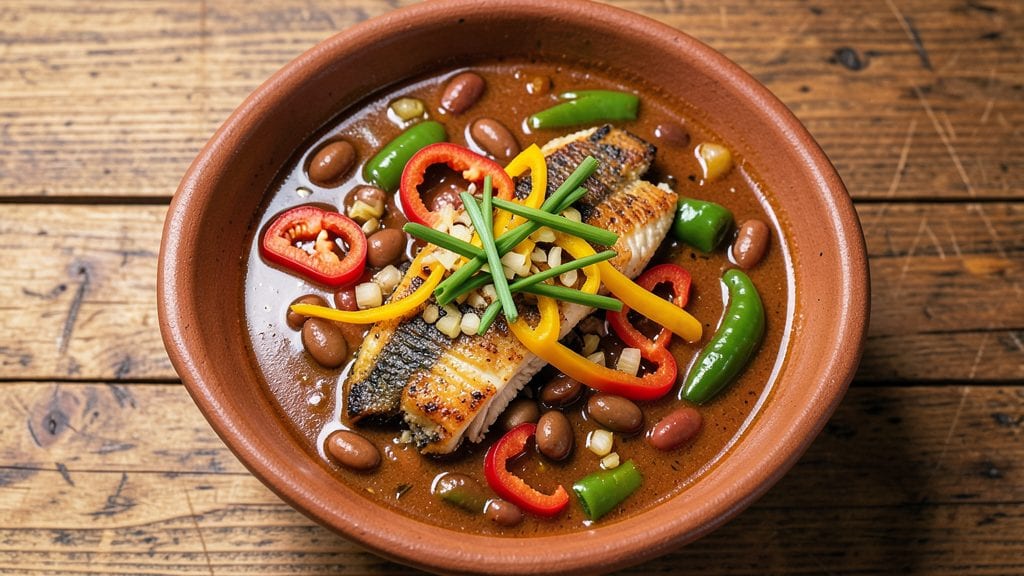
This Nigerian catfish pepper soup recipe delivers the bold, spicy, and deeply flavorful experience that defines West African cuisine. The secret lies in balancing locust beans, fresh peppers, and aromatic spices to create a rich, slightly tangy broth that clings to tender catfish fillets.
I’ve perfected this dish after years of testing—every simmer, every blend of peppers, and the slow infusion of palm oil transforms simple ingredients into something extraordinary.
The foundation of authentic Nigerian catfish pepper soup begins with properly preparing the fish—scaling, cleaning, and seasoning it to ensure maximum flavor absorption.
The pepper base, blended with onions, tomatoes, and locust beans (iru), forms the heart of the soup, while stock and leafy greens like spinach add depth.
What sets this recipe apart is the slow simmering process, which allows the flavors to meld into a harmonious, aromatic broth that’s both spicy and subtly sweet.
By the time you serve this soup, you’ll have a deeply rich, velvety broth with tender catfish pieces floating in layers of complex flavor. The aroma alone will draw everyone to the table, and the first bite delivers that perfect balance of heat, umami, and natural fish sweetness.
This is the kind of dish that feels like a celebration—authentic, hearty, and impossible to resist.
Serve with jollof rice or garri to soak up every last drop of that flavorful broth. The recipe scales beautifully for gatherings, and leftovers taste even better the next day as the flavors deepen. Let’s bring the taste of Nigeria to your kitchen with this foolproof, restaurant-quality method.
Ingredients for nigerian catfish pepper soup
Rich umami, fiery peppers, and tender catfish—this authentic Nigerian pepper soup is a celebration of bold flavors.
| Ingredient | Amount | Notes |
|---|---|---|
| Fresh Catfish Fillets 🐟 | 3 lb | Scaled, cleaned, skin removed |
| Locust Beans (Iru) 🌾 | ½ cup | Soaked overnight, drained |
| Red Bell Peppers 🌶️ | 3 whole | Seeds removed, chopped |
| Green Bell Peppers 🌶️ | 2 whole | Seeds removed, chopped |
| Yellow Bell Peppers 🌶️ | 1 whole | Seeds removed, chopped |
| Onions 🧅 | 3 whole | Yellow, medium-sized |
| Tomatoes 🍅 | 4 whole | Ripe, halved |
| Palm Oil 🫒 | ¼ cup | High-quality, unrefined |
| Fresh Spinach 🍃 | 2 cups | Packed, chopped |
| Dried Thyme 🌿 | 1 tsp | Crushed between fingers |
| Dried Red Pepper Flakes 🔥 | 1 tsp | Adjust to spice preference |
| Salt 🧂 | 1 tbsp | Diamond Crystal kosher |
| Black Pepper 🌶️ | 1 tsp | Freshly cracked |
| Fish Stock 🍲 | 4 cups | Homemade or high-quality |
| Lemon Juice 🍋 | 2 tbsp | Freshly squeezed |
The locust beans (iru) are the soul of this soup—soak them overnight to remove bitterness and unlock their umami depth. For the best quality, seek out dried iru from African markets or reputable online vendors like African Grocer. Fresh catfish should have a clean, ocean-like aroma; discard any with a strong fishy smell. The red, green, and yellow bell peppers create a vibrant color palette and layered heat—don’t skip the yellow for subtle sweetness. Palm oil is non-negotiable; unrefined, high-quality palm oil adds richness that jarred oil cannot replicate. For authentic depth, use fresh spinach instead of frozen—it retains its delicate texture.
No locust beans? Substitute 2 tbsp soy sauce + 1 tbsp fish sauce for umami, though the depth won’t match. Dried peppers work in a pinch but lack the fresh, vibrant heat of fresh—use 1 tbsp dried per 1 cup fresh. For a milder version, reduce the red pepper flakes by half and add 1 tsp smoked paprika for warmth. The fish stock should be homemade or from reputable brands like Knorr or Better Homes & Gardens—avoid powdered versions. Onions and tomatoes are best ripe but firm; bruised tomatoes will turn the soup mushy. The salt should be Diamond Crystal kosher—it dissolves evenly and doesn’t clump.
This soup tastes even better the next day as flavors meld. Store uncooked ingredients in airtight containers: locust beans for 6 months, palm oil for 1 year, and fresh peppers for 1 week in the fridge. Cooked soup keeps 4-5 days refrigerated or freezes beautifully for 3 months. To reheat, gently warm on the stove with a splash of water—microwave steaming can make the broth watery. For gatherings, double the recipe; the flavors scale perfectly and reheat like a dream. Always serve with steamed jollof rice or garri to soak up the rich broth.
Why You'll Love This Recipe
- No Chopping Chaos: The peppers are the only real prep here—just remove seeds and chop, which takes way less time than you’d think. No onions to slice endlessly or tomatoes to crush by hand. The fish stock and locust beans (iru) do most of the heavy lifting, so you’re basically stirring and simmering for most of the time. Honestly, this is the kind of soup where you can have a conversation while it cooks.
- Rich, Spicy, Addictive: That palm oil? Unrefined, smoky, and unforgettable—it’s the secret weapon here. The locust beans (iru) add a nutty depth that’s like a warm hug for your taste buds, while the bell peppers bring a sweet-spicy contrast that keeps you reaching for seconds. And the lemon juice at the end? Game-changer. It’s the kind of soup that makes you say, “Yes, please,” even on a Tuesday night.
- Fills a Crowd (Without the Guilt): Three pounds of catfish and a half-cup of locust beans? This isn’t just a meal—it’s a feast. Perfect for game days, family gatherings, or when your roommates show up unannounced. And because it freezes like a dream, you can make a big batch, portion it out, and have a ready-to-heat meal for weeks. Budget-friendly too—fresh fish and seasonal peppers keep costs low while delivering maximum flavor.
- One-Pot, Zero Stress: No multiple pans, no constant cleanup—just one pot, a wooden spoon, and maybe a splash of oil on the stovetop if you’re feeling lazy. The fish stock reduces naturally, thickening the soup without extra work, and the spinach wilts in minutes. By the time you’re adding the lemon juice, you’ve already won the cooking game. Cleanup? Minimal. Effort? Even less.
Step-by-step instructions for Nigerian catfish pepper soup
Mastering this dish requires precision in layering flavors and textures—here's how to achieve the perfect balance.
Prepare the Catfish and Initial Aromatics
Begin by scaling and cleaning the 3 lb fresh catfish fillets, ensuring all scales and skin are completely removed. Cut each fillet into 2-inch chunks for even cooking. In a large pot, heat the ¼ cup palm oil over medium-high heat until shimmering but not smoking. Add 1 chopped onion and cook for 3 minutes until softened and translucent.
Add 1 tsp dried thyme and 1 tsp dried red pepper flakes, stirring constantly for 30 seconds until fragrant. This foundational step builds the soup's complex flavor profile—don't rush the aromatics or they'll burn before releasing their full potential. The oil should coat the onion pieces evenly, creating a rich base for the remaining ingredients.
Build the Pepper and Tomato Base
Add the chopped 3 red bell peppers, 2 green bell peppers, and 1 yellow bell pepper to the pot. Stir and cook for 5 minutes until the peppers soften slightly but retain their vibrant color. This step develops the signature peppery depth of the soup—overcooking will turn them mushy and bitter.
Next, add the halved 4 tomatoes and cook for another 5 minutes, stirring occasionally. The tomatoes should break down into a thick, chunky sauce while maintaining their shape. Season with 1 tbsp salt and 1 tsp black pepper, then stir in the drained ½ cup locust beans (iru). Simmer for 10 minutes until the locust beans are tender and the mixture thickens slightly. This is where the soup's signature texture begins to form—watch closely to prevent burning.
Simmer the Fish Stock and Incorporate Spinach
Pour in the 4 cups fish stock and bring the mixture to a gentle boil. Reduce heat to low and let it simmer uncovered for 20 minutes, allowing the flavors to meld and the soup to develop its characteristic richness. The liquid should reduce slightly, creating a thicker consistency.
After 20 minutes, add the catfish chunks and simmer for an additional 10 minutes. The catfish should cook just until opaque but still tender—overcooking will make it dry. In the final 5 minutes of cooking, stir in the 2 cups fresh spinach, allowing it to wilt completely into the soup. The spinach should disappear almost instantly, adding a fresh contrast to the bold flavors.
Finish with Lemon Juice and Adjust Seasoning
Remove the pot from heat and stir in the 2 tbsp lemon juice. This final step brightens the soup, cutting through the richness of the palm oil and balancing the flavors. Taste and adjust seasoning if needed—additional salt or red pepper flakes can be added to taste, but the soup should already be well-seasoned from the previous steps.
Let the soup rest for 5 minutes before serving, allowing the flavors to fully integrate. Serve immediately with steamed rice, pounded yam, or fufu to complement the rich, spicy broth. The catfish should be tender with just a hint of firmness, and the soup should have a thick, velvety consistency with visible chunks of pepper, tomato, and spinach.
Pro Tips For Making Nigerian Catfish Pepper Soup
- SOAK LOCUST BEANS RIGHT: I learned this the hard way—skipping the overnight soak means your iru will turn to mush and release a bitter, chalky taste. If you’re short on time, cover them in water and let them sit for at least 4 hours, but swap out the water once to speed things up. Trust me, the texture difference is night and day.
- COOK PEPPERS LOW AND SLOW: Those bell peppers need to soften, not burn. Medium heat is key—if you crank it too high, they’ll turn into a sad, mushy pulp in 5 minutes instead of keeping their bright color and slight crunch. Stir often, and if they start browning too fast, pull the pot off the heat for a minute to cool things down.
- ADD FISH WHEN STOCK BOILS: The recipe says to simmer the stock for 20 minutes before adding the catfish, and that’s non-negotiable. If you toss the fish in too early, it’ll turn rubbery from the prolonged heat. Wait for that gentle boil, then reduce to low—your catfish will stay tender and flaky, not dry or stringy.
- LEMON JUICE LAST MINUTE: Sounds weird, but it works: squeeze that lemon juice right after you pull the pot off the heat. Adding it earlier makes the spinach turn bitter and the soup lose its bright finish. A quick burst of acid at the end cuts through the richness and wakes up all the flavors—just don’t skip it.
Essential equipment for nigerian catfish pepper soup
Large Pot Essentials
For this soup, I swear by a 6-quart heavy-bottomed pot like the All-Clad D5 or Le Creuset Dutch oven. The deep sides prevent spills when stirring peppers and tomatoes, while the heavy base ensures even heat distribution—critical for developing that perfect peppery depth without burning.
A pot with a tight-fitting lid helps trap steam during the 20-minute simmer, intensifying the flavors. 🔥
Immersion Blender
This is my secret weapon for achieving that signature smooth yet chunky texture. After simmering the peppers and tomatoes, I pulse the mixture with an Immersion Blender (like the Breville iBlender) for 30 seconds to break down the vegetables while keeping some texture.
It’s faster than straining and avoids the clogging issues with regular blenders. The 2 cups fresh spinach gets stirred in at the end to maintain its delicate bite.
Digital Thermometer
While this recipe doesn’t require precise temperature control like grilling, a digital thermometer like the Thermoworks Smoke helps gauge when the fish stock reaches 165°F—the ideal temperature for cooking the catfish chunks. It’s especially useful if you’re cooking in a cooler kitchen where simmering times may vary. 🌡️
Wooden Spoon
A sturdy wooden spoon is indispensable for stirring the pepper base without scratching your pot. The Oxo Good Grips spoon with its ergonomic handle makes it easy to scrape the bottom and sides, ensuring no flavorful bits stick.
I use it throughout the process, from sautéing onions to stirring in the locust beans (iru).
Fine-Mesh Strainer
If you prefer a smoother soup, a fine-mesh strainer like the OXO Good Grips helps remove any unwanted bits from the pepper-tomato mixture before adding the fish stock.
I sometimes skip this step to keep the texture rustic, but it’s handy if you’re serving the soup to picky eaters who dislike texture. Just don’t over-strain—some chunkiness is essential for authenticity.
Nutrition facts
Frequently asked questions
Why do I need to soak the locust beans (iru) overnight?
Soaking removes bitterness and unlocks their full umami flavor. The beans soften and blend more smoothly into the soup, creating that signature rich depth. Skipping this step can leave your pepper soup tasting harsh or overly salty.
Can I substitute fresh catfish with frozen fillets?
Yes, but thaw them completely in the fridge first—never at room temperature. Frozen catfish may lose some texture, but it still works well. Look for fillets labeled "sustainably caught" to maintain authentic flavor quality.
What makes this pepper soup different from other African fish soups?
The combination of locust beans, fresh peppers, and palm oil creates a unique balance of heat, umami, and richness. Unlike lighter soups, this version has a thick, velvety texture with layers of spicy-sweet flavors that set it apart.
How do I adjust the spice level for kids or sensitive eaters?
Reduce the dried red pepper flakes to ½ tsp and skip the fresh peppers in the initial sauté. Add a splash of coconut milk at the end for creaminess without overpowering the broth. Always taste before serving to adjust further.
Can I make this soup in a slow cooker?
Sauté the onions, peppers, and locust beans first, then transfer everything to the slow cooker with the stock. Cook on low for 4-5 hours, adding catfish in the last 30 minutes. The slow cooking enhances the flavors even more!