
Soups & Stews
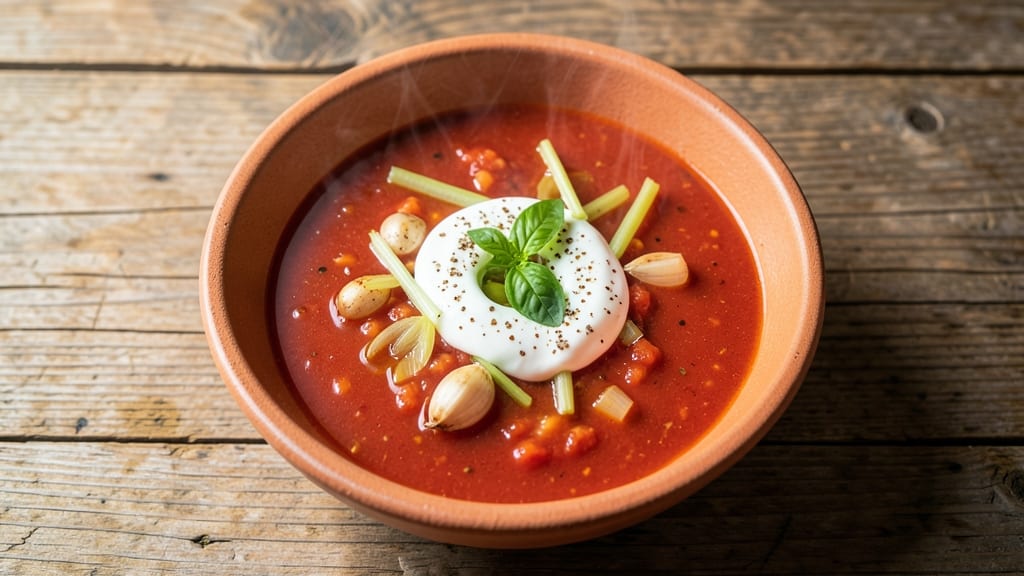
Natasha's Kitchen tomato soup recipe delivers the kind of velvety, herb-infused comfort that turns chilly evenings into cozy traditions. This isn't just another tomato soup—it's a one-pot masterpiece built on slow-simmered tomatoes, aromatic herbs, and a touch of cream that transforms simple ingredients into something extraordinary.
I developed this recipe after years of perfecting the balance between rustic warmth and refined elegance, ensuring every spoonful feels like a hug in soup form.
The secret lies in the technique: sautéing onions and garlic until deeply fragrant, then building layers of flavor with crushed tomatoes, vegetable broth, and a blend of fresh herbs. A splash of heavy cream at the end creates that signature velvety texture without overpowering the tomato's natural sweetness.
What makes this recipe truly special is how it adapts to any occasion—whether you're serving it to a family gathering or enjoying a quiet night in.
By the time you're done, you'll have a rich, deeply flavorful soup with a smooth, velvety consistency and just the right balance of acidity and creaminess. The aroma alone will have everyone gathering around the table, while the first taste delivers that comforting warmth that defines Natasha's Kitchen style.
This is the kind of soup that stays with you long after the last bowl is empty.
Perfect for meal prep or last-minute dinners, this recipe scales beautifully while maintaining its restaurant-quality depth. The optional garnishes—like crispy croutons or fresh basil—let you customize it to your taste. Let's get started on creating this timeless comfort classic.
Ingredients for natasha's kitchen tomato soup
Pantry staples meet fresh herbs—just 15 minutes to transform simple ingredients into velvety comfort.
| Ingredient | Amount | Notes |
|---|---|---|
| Extra-Virgin Olive Oil 🫒 | ½ cup | High quality, fruity, for sautéing |
| Yellow Onion 🧅 | 1 whole | Medium size, finely diced |
| Garlic Cloves 🧄 | 4 cloves | Peeled, minced finely |
| Carrots 🥕 | 3 medium | Peeled, diced small |
| Celery Stalks 🥬 | 3 whole | Trimmed, diced small |
| Crushed Tomatoes 🍅 | 28 oz | San Marzano preferred |
| Vegetable Broth 💧 | 4 cups | Low-sodium preferred |
| Fresh Basil Leaves 🌿 | ½ cup | Packed, chopped |
| Fresh Thyme Sprigs 🌿 | 2 whole | Leaves only, chopped |
| Heavy Cream 🥛 | ½ cup | Full-fat for richness |
| Salt 🧂 | 1 ½ tsp | Kosher or sea salt |
| Black Pepper 🌶️ | ½ tsp | Freshly ground preferred |
| Sugar 🍚 | 1 tbsp | Balances acidity |
| Bay Leaves 🌿 | 2 whole | Dried, removed before serving |
| Red Wine Vinegar 🍷 | 1 tbsp | For brightness |
The tomatoes make or break this soup. San Marzano is ideal—sweeter, meatier, and less acidic than regular crushed tomatoes. Trader Joe's and Whole Foods carry them canned, but any high-quality brand works. Look for cans with no added salt; you'll control the seasoning. Fresh basil and thyme? Farmers market has the best, but grocery store bunches work if they're bright and fragrant. The carrots and celery should be crisp—no rubbery stems. Organic is worth it for these veggies, but regular works too if you're on a budget.
No San Marzano tomatoes? High-quality canned tomatoes like Muir Glen or Cento will work—just add an extra pinch of sugar to balance acidity. Fresh herbs wilt fast, so dried basil and thyme at one-third the amount are solid swaps. Vegetable broth low on sodium? Homemade or bouillon cubes (like Knorr) work, but taste the broth first—some brands are saltier than others. Heavy cream too rich? Half-and-half or whole milk lightens it up while keeping that velvety texture. The red wine vinegar adds brightness—apple cider vinegar is a decent stand-in if you're out.
This soup tastes even better the next day—5-6 days in the fridge, no problem. Freezes beautifully for up to 3 months if you portion it into containers. I always make a double batch and freeze half; perfect for lazy weeknights. Store the fresh herbs separately if prepping ahead—they'll keep for 3-4 days wrapped in damp paper towels. The bay leaves? Toss them in while cooking, then fish them out before serving—no one wants a leafy surprise.
Why You'll Love This Recipe
- No-Pot-Washing Regret: I swear by this recipe because the cleanup is so minimal. One large pot, a wooden spoon, and a splash of hot water to rinse—no scrubbing veggie scraps or dealing with a million pans. The sugar and vinegar combo caramelizes right in the pot, so you’re not left with sticky residue. Honestly, this is the kind of soup where I can make it on a Tuesday night and still have 10 minutes to text my mom back.
- The Creamy-Tangy Balance: That ½ cup of heavy cream and a splash of red wine vinegar? Chef’s kiss. The cream makes it velvety smooth, while the vinegar keeps it from tasting like it’s just tomato and broth. And the fresh basil and thyme? They’re the secret weapons that make it taste like you spent hours slaving over a stove. My daughter picks out the herbs from the garden, but even she’ll ask for seconds because it’s that good.
- Budget-Friendly Luxury: Forget expensive restaurant soups—this one’s a steal. A whole pot of creamy, flavorful tomato soup costs me less than a latte, and it’s way more satisfying. The San Marzano tomatoes and high-quality olive oil might seem pricey, but they’re worth it for the depth of flavor. Plus, with 15 simple ingredients, you’re not wasting money on anything you won’t use. It’s the kind of dish that makes you feel fancy without breaking the bank.
Step-by-step instructions for natasha's Kitchen tomato soup
This velvety tomato soup delivers restaurant-quality comfort with minimal effort.
Sauté the Aromatic Vegetable Base
Heat the ½ cup extra-virgin olive oil in a large pot over medium heat. Add the 1 finely diced yellow onion, 3 medium diced carrots, and 3 diced celery stalks. Cook for 8-10 minutes until the vegetables soften and begin to caramelize slightly—this builds deep flavor.
Add the 4 minced garlic cloves and cook for 30 seconds until fragrant. Here's where it gets good: stir in the 1 tbsp sugar and 1 tbsp red wine vinegar to balance the acidity. The sugar will caramelize slightly, adding complexity to the soup's base. Keep the heat at medium to prevent burning.
Simmer the Tomato and Herb Foundation
Pour in the 28 oz crushed tomatoes and stir to combine with the vegetables. Add the 4 cups vegetable broth, 1½ tsp salt, ½ tsp black pepper, and 2 bay leaves. Bring to a gentle boil, then reduce heat to low and let it simmer uncovered for 25-30 minutes until the vegetables are tender and the flavors meld.
Here's the thing—don't rush this step. The longer the soup simmers, the deeper the flavor. I like to stir occasionally, but not aggressively, to let the tomatoes break down naturally. You'll know it's ready when the soup thickens slightly and the aroma is rich and inviting.
Finish with Cream and Fresh Herbs
Remove the 2 bay leaves and stir in the ½ cup heavy cream and ½ cup chopped fresh basil leaves along with the leaves from 2 fresh thyme sprigs. Simmer for an additional 5 minutes—just enough to heat through without curdling the cream. The herbs will infuse the soup with bright, fresh notes that cut through the richness of the cream.
Taste and adjust seasoning if needed. The soup should be perfectly balanced—slightly sweet from the tomatoes and sugar, tangy from the vinegar, and rich from the cream. If it's too thick, add a splash of hot water or broth to reach your preferred consistency.
Serve Warm with Crusty Bread
Ladle the soup into bowls and serve immediately. The velvety texture and layered flavors make this the ultimate comfort dish. Pair it with warm crusty bread to soak up every last drop of that creamy goodness.
This soup tastes even better the next day, so don't hesitate to make extra. Store leftovers in the refrigerator for up to 4 days or freeze for 3 months. When reheating, warm gently on the stove and stir in a splash of water or broth if needed to restore the perfect consistency.
Pro Tips For Making Natasha'S Kitchen Tomato Soup
- Cook Onions Until Golden: I used to skip this and wonder why my soup tasted flat. Those 8-10 minutes of caramelizing the onion, carrot, and celery until they're just turning golden-brown build flavor you can't get any other way. Use that medium heat—too high and they'll burn before they color.
- Salt the Broth Early: Add the 1½ tsp salt when you pour in the broth, not at the end. The salt dissolves better when hot, and it gives the vegetables time to absorb it while they simmer. Trust me, your taste buds will notice the difference.
- Stir Gently During Simmer: This isn't a stir-fry—let the tomatoes break down naturally. I learned the hard way that aggressive stirring makes the soup grainy. Just give it an occasional stir, and let those crushed tomatoes melt into silkiness.
- Use High-Quality Olive Oil: That ½ cup of extra-virgin olive oil isn't just for cooking—it's the foundation of flavor. I used to grab whatever was on hand, but a fruity, high-quality oil makes the soup taste richer and more complex from the first spoonful. Worth the splurge.
Wine and beer pairings for this recipe
Italian White Wine Pairings
The bright acidity and herbal notes of a Chianti Classico from Tuscany make it my go-to choice for this tomato soup. The 12-13% alcohol cuts through the creaminess while complementing the red wine vinegar's tang.
Look for a Chianti with 80% Sangiovese—it pairs beautifully with the basil and thyme flavors. 🍷
Crisp White Wine Options
If you prefer white wine, a Vermentino from Sardinia delivers citrus and mineral notes that refresh your palate after each spoonful. The 12% alcohol and lemony finish balance the soup's richness without overpowering it. Another excellent choice is Fiano from Campania, with its floral aroma and smooth texture.
Red Wine for Bold Flavors
For those who enjoy red wine, a Pinot Noir from Oregon or Burgundy offers enough fruitiness to stand up to the tomato's acidity. The 13-14% alcohol provides structure that matches the soup's velvety texture. Avoid heavy reds like Cabernet Sauvignon—they'll clash with the delicate herbs.
Beer Complements
A crisp Italian lager like Peroni or Moretti cleanses the palate between bites, while a Belgian witbier with coriander and citrus adds an interesting contrast. For a seasonal touch, try a pumpkin ale in autumn—its spiced notes pair surprisingly well with the tomato's natural sweetness. 🍺
Avoid Heavy Pairings
Skip overly oaky whites like Chardonnay or bold, tannic reds such as Malbec. These can overpower the soup's delicate balance of acidity, cream, and herbs. The key is to choose wines and beers that enhance the soup's natural flavors without competing with them.
Nutrition facts
Frequently asked questions
Can I make this tomato soup without heavy cream?
For a lighter version, substitute the ½ cup heavy cream with ½ cup whole milk or ¼ cup coconut cream for a dairy-free option. The soup will still be creamy but less rich. If you prefer a completely vegan version, use ¼ cup cashew cream (blended soaked cashews with water) or 2 tablespoons nutritional yeast for depth. The key is to balance the acidity with a pinch of sugar or a splash of vinegar.
How do I prevent the soup from getting too thick?
If your soup thickens more than expected, simply stir in ¼ to ½ cup hot vegetable broth or water while reheating. The recipe's natural thickening comes from the tomatoes and vegetables breaking down during simmering. For a smoother texture, blend about 1 cup of the soup before mixing it back in. Never boil vigorously after adding cream—this can cause curdling. Keep heat at low and stir gently.
Can I use fresh tomatoes instead of crushed?
Fresh tomatoes work beautifully but require extra prep! Use about 4-5 large ripe tomatoes (peeled, seeded, and chopped) in place of the crushed tomatoes. Simmer them longer (35-40 minutes) to break down their fibers and develop flavor. For extra richness, add 1 tablespoon tomato paste with the onions. The fresh tomato version will have a brighter, slightly chunkier texture—perfect for summer when fresh tomatoes are at their peak.
What's the best way to store leftovers?
Store leftovers in an airtight container in the fridge for up to 5 days. The flavors actually improve overnight as the ingredients meld further. For freezing, portion into single-serving containers and freeze for up to 3 months. Thaw overnight in the fridge—never microwave directly from frozen. When reheating, warm gently on the stove with a splash of broth to restore creaminess. The soup may thicken slightly when cold, so adjust with water or broth before serving.
Why does my soup taste too acidic?
Acidity comes from the tomatoes and vinegar. To balance it, add ½ teaspoon sugar or ¼ teaspoon baking soda (just a pinch!) to neutralize the acidity. If using canned tomatoes with added salt, reduce the overall salt by ¼ teaspoon. For future batches, taste the tomatoes before adding—if they're very tart, reduce the vinegar to ½ tablespoon or omit it entirely. The sugar in the recipe helps balance acidity, so don't skip it.