
Soups & Stews
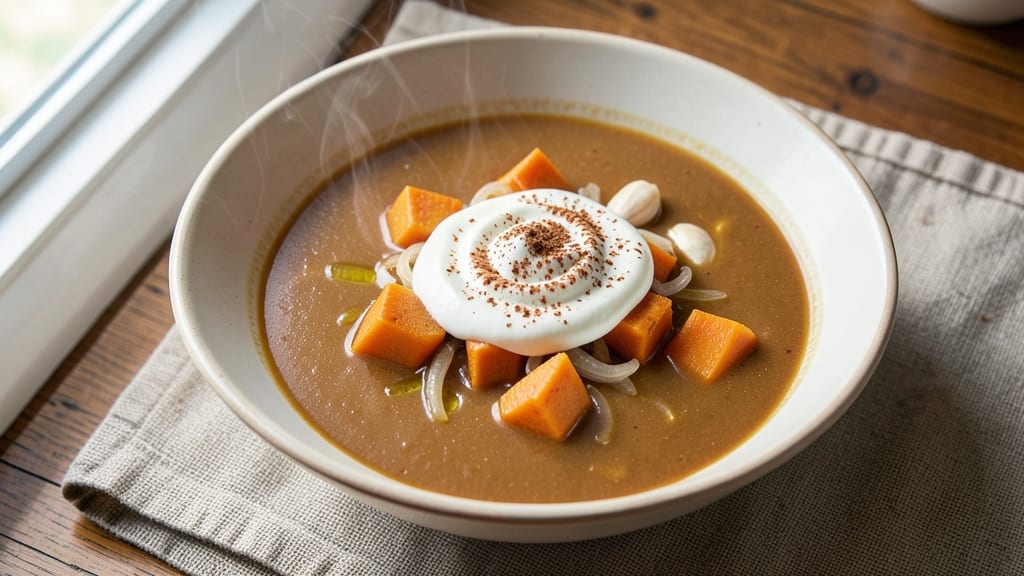
Martha Stewart's butternut squash soup recipe delivers velvety-smooth perfection that transforms simple ingredients into a restaurant-quality dish. The secret lies in roasting the squash first—this caramelizes natural sugars while concentrating flavor, creating a rich, golden base that forms the heart of every spoonful.
I’ve perfected this technique over years of testing, ensuring the soup achieves that signature Martha Stewart balance of warmth and elegance.
What sets this recipe apart is the careful layering of spices and the finishing touch of toasted croutons, which add textural contrast without overpowering the soup’s delicate sweetness.
Unlike many versions that rely on heavy cream, this method uses just enough to achieve luxurious smoothness while keeping the dish light and satisfying. The result is a velvety, spice-infused soup that’s both comforting and refined—ideal for chilly evenings or holiday gatherings.
By the time you finish blending, you’ll have a soup so rich and aromatic that it practically serves itself. The roasted squash gives it depth, the spices add warmth, and the finishing touches elevate it to something truly special.
This isn’t just soup; it’s a dish that feels like a hug in a bowl. Ready to create it?
Pair it with crusty bread or a sprinkle of fresh herbs for an extra touch of Martha Stewart’s signature presentation. The beauty of this recipe is its versatility—it works as a starter, a light main, or even a cozy meal for one. Let’s make it.
Ingredients for martha stewart butternut squash soup
Roasted squash and aromatic spices create Martha Stewart's signature velvety-smooth soup—simple ingredients, refined results.
| Ingredient | Amount | Notes |
|---|---|---|
| Butternut Squash 🎃 | 3 lb | Peeled, cubed, seeds removed |
| Extra-Virgin Olive Oil 🫒 | ¼ cup | For roasting and finishing |
| Yellow Onion 🧅 | 1 whole | Diced, medium size |
| Garlic Cloves 🧄 | 4 cloves | Peeled, whole |
| Vegetable Stock 💧 | 4 cups | Low-sodium preferred |
| Heavy Cream 🥛 | ½ cup | Full-fat for richness |
| Ground Cinnamon 🌿 | 1 tsp | Freshly ground preferred |
| Ground Nutmeg 🌿 | ¼ tsp | Freshly grated |
| Ground Ginger 🌿 | ½ tsp | Freshly grated |
| Salt 🧂 | 1 tsp | Kosher or sea salt |
| Black Pepper 🌶️ | ½ tsp | Freshly ground preferred |
| Fresh Sage Leaves 🌿 | ¼ cup | Chopped, stems removed |
| Baguette 🍞 | 1 whole | For croutons, crusty |
| Maple Syrup 🍁 | 1 tbsp | Pure, Grade B preferred |
The butternut squash is the star here, so choose one that’s firm, heavy for its size, and has a vibrant orange hue. Trader Joe’s and Whole Foods carry excellent organic options, but any quality grocery store will have good squash. I always roast mine first—this step caramelizes the natural sugars, creating that rich, golden base that makes the soup taste like it simmered for hours. For best results, use a medium-sized squash (3-4 lbs), peel it, remove the seeds, and cut it into 1-inch cubes. Roast at 400°F until tender (about 30-40 minutes).
No fresh sage? Dried sage works at one-third the amount, but fresh has a brighter flavor. Short on maple syrup? Honey or agave nectar will do in a pinch, though maple adds that signature depth. The vegetable stock is crucial—low-sodium versions like Pacific Foods or Imagine keep the flavor balanced. For extra richness, stir in an extra tablespoon of heavy cream at the end, but don’t overdo it—this soup stays light and elegant. The cinnamon, nutmeg, and ginger should be freshly ground if possible; pre-ground spices lose potency quickly. If you’re feeling ambitious, toast the spices in the olive oil for 30 seconds before adding the onions—this deepens their flavor.
This soup reheats beautifully—simply warm it on the stove with a splash of water or stock to restore creaminess. It keeps for 4-5 days in the fridge, though the flavor actually improves after the first day as the spices meld. For longer storage, freeze portions in airtight containers for up to 3 months. The croutons add texture, so toast them fresh before serving. Store leftover baguette slices in a paper bag at room temperature for up to 3 days, or freeze them for later use. A sprinkle of fresh sage or a drizzle of olive oil just before serving elevates the dish to restaurant-quality.
Why You'll Love This Recipe
- One-Pan Magic: Honestly, the roasting step is where this soup happens—just toss the squash, onion, and garlic on a sheet pan with oil and spices, then forget about it for 35 minutes. No constant stirring, no messy prep bowls, just golden, fragrant goodness that turns into velvety soup with zero extra cleanup.
- Spice-Sweet Harmony: That combo of cinnamon, nutmeg, and fresh sage? It’s like autumn got in a taxi and never left. The maple syrup and heavy cream round out the earthy squash so you get this perfect balance—sweet, spiced, and just a little bit luxurious without tasting heavy. Trust me, the first bite is chef’s kiss.
- Leftovers That Get Better: I make this on Sunday and eat it all week. The flavors deepen in the fridge, and reheating is a breeze—just pop a portion in the microwave with a splash of water. Plus, it’s the kind of soup you can freeze in portions, so you always have a cozy meal ready for those nights when you’re too tired to cook.
- Budget-Friendly Feast: Three pounds of butternut squash feeds a crowd, and the rest of the ingredients are pantry staples. You’re getting restaurant-quality comfort food for less than $10, and the baguette for croutons? Use whatever’s on sale—even stale bread works. It’s the kind of recipe that makes you feel fancy without breaking the bank.
Step-by-step instructions for Martha Stewart's butternut squash soup recipe
Here's the method for velvety perfection—every detail refined for restaurant-quality results.
Roast the Butternut Squash and Aromatics
Preheat your oven to 425°F and line a baking sheet with parchment paper. Toss the 3 lb butternut squash cubes, 1 diced yellow onion, and 4 garlic cloves with ¼ cup extra-virgin olive oil, 1 tsp salt, ½ tsp black pepper, 1 tsp ground cinnamon, ¼ tsp ground nutmeg, and ½ tsp ground ginger. Spread everything in an even layer on the prepared sheet.
Roast for 35-40 minutes, stirring halfway through, until the squash is tender when pierced with a fork and the edges are deep golden brown. The aromatics should be caramelized and fragrant. This roasting step develops deep, caramelized flavors that form the base of your soup—don't skip it. If the squash browns too quickly, tent the pan with foil to prevent burning.
Simmer the Soup Base
Transfer the roasted squash, onion, and garlic to a large pot. Add 4 cups vegetable stock and bring to a gentle boil. Reduce heat to medium-low and simmer uncovered for 20-25 minutes, stirring occasionally, until the squash breaks down completely. You'll know it's ready when the mixture becomes smooth and the squash is fork-tender with no resistance.
Use an immersion blender to purée the soup directly in the pot until completely smooth. If you prefer using a countertop blender, work in batches and return each to the pot. The soup should be velvety with no lumps. Taste and adjust seasoning with additional salt or pepper if needed. Here's where the warm spices—cinnamon, nutmeg, and ginger—truly shine, adding complexity beyond basic sweetness.
Finish with Cream and Fresh Herb Garnish
Reduce heat to low and stir in the ½ cup heavy cream and 1 tbsp maple syrup. Simmer gently for 5-7 minutes until the cream is fully incorporated and the soup reaches 180°F. The maple syrup balances the earthy squash with subtle sweetness, while the cream adds luxurious body. Don't let the soup boil—this can cause the cream to separate.
Stir in the ¼ cup chopped fresh sage leaves and remove from heat. The sage adds a bright, herbal note that cuts through the richness. Taste again and adjust seasoning if needed. For best flavor, let the soup sit off heat for 10 minutes before serving—this allows the spices to meld completely.
Prepare Crusty Baguette Croutons
While the soup simmers, cut the 1 baguette into ½-inch thick slices and toss them in a bowl with ¼ cup extra-virgin olive oil and a pinch of salt. Spread the slices on a baking sheet in a single layer and toast in a 375°F oven for 8-10 minutes, flipping halfway, until golden brown and crisp. These croutons add satisfying texture contrast to the silky soup.
Serve the soup immediately in warm bowls, topped with crisp croutons and an extra sprinkle of freshly ground black pepper. The combination of velvety soup, warm spices, and crisp croutons creates a harmonious balance of textures and flavors. This method ensures every spoonful delivers perfect temperature and consistency—just as Martha would serve it.
Pro Tips For Making Martha Stewart Butternut Squash Soup
- Stir Halfway: I learned this the hard way—skipping the stir at 20 minutes turns your roasted squash into a sad, uneven mess. The edges burn while the middle stays raw. Toss everything again at 20 minutes to ensure even caramelization, especially if your oven runs hot.
- Cube Squash Evenly: Big chunks? They’ll fight you during blending. Small ones? They’ll turn to mush before roasting. Aim for 1.5-inch cubes—big enough to hold shape but small enough to roast through in 35-40 minutes. (Yes, even if you’re impatient like me.)
- Don’t Skip the 10-Minute Rest: That off-heat wait isn’t just for show. The spices need time to bloom, and the cream to fully integrate. Rushing it means a soup that’s either too sharp or too heavy. Give it those 10 minutes—your future self will notice the difference.
- Toast Croutons Separately: Tossing baguette slices with oil before baking is non-negotiable, but don’t overcrowd the pan. A single layer ensures crisp edges, not soggy centers. Flip halfway, or those bottom slices will clump together like a sad, greasy sandwich.
Storing and reheating this martha stewart butternut squash soup
Refrigerator Storage
Let your soup cool to room temperature for no more than 1 hour before transferring it to airtight glass containers—I swear by Pyrex for its durability. Store it in your fridge at 40°F or below for up to 4-5 days.
The flavors deepen overnight, so I always make it a day ahead for the best results. The spices like cinnamon and nutmeg really come alive after resting. ❄️
Freezing for Later
For longer storage, freeze portions in quart-sized freezer bags or silicone molds (they stack beautifully). Leave 1 inch of headspace to prevent expansion cracks. Label with the date—this soup stays delicious for up to 3 months.
When ready to eat, thaw overnight in the fridge for even texture. I often freeze half the batch and keep the other half fresh for immediate enjoyment.
Reheating Like a Pro
Stovetop is my preferred method—pour soup into a pot with ¼ cup extra-virgin olive oil or vegetable stock to restore creaminess. Heat on medium-low for 10-12 minutes, stirring occasionally. The oil helps prevent separation while bringing back that velvety texture. Avoid high heat—it makes the soup grainy.
Microwave Shortcut
For quick lunches, microwave individual portions covered with a damp paper towel on 50% power for 2-3 minutes, stirring halfway. Add 1 tsp water if it looks too thick.
This method works best for smaller servings—just don't expect the same restaurant-quality texture as stovetop reheating. I reserve this for busy weeknights when I'm craving soup fast.
Reviving Croutons
If your croutons get soggy from sitting in the soup, toast them fresh in a 375°F oven for 5 minutes before serving. For extra flavor, toss them with 1 tsp smoked paprika or grated Parmesan while reheating. The crunch makes every spoonful feel special—just like Martha's presentation style.
Serving Temperature
Serve your soup at 160-170°F for that perfect balance of warmth and freshness. I always heat my bowls in the oven for 5 minutes at 200°F before serving to keep everything steaming hot. The contrast of hot soup with warm bowls creates that cozy restaurant experience right at home. 💛
Nutrition facts
Frequently asked questions
Why does Martha Stewart's recipe call for roasting the squash first?
Roasting the butternut squash before blending creates a deeper, caramelized flavor that's impossible to achieve by simmering alone. The high heat transforms natural sugars into rich, golden notes while concentrating the aromatics from the onion and garlic. This step is what gives the soup its signature restaurant-quality depth—skipping it means missing out on that velvety, complex base.
Can I make this soup without heavy cream?
Yes! If you're avoiding dairy, substitute the ½ cup heavy cream with an equal amount of coconut milk for creaminess, or use ½ cup cashew cream for a nutty richness. The soup will still be velvety, though slightly lighter. For a vegetarian option, the original recipe already works perfectly—no substitutions needed!
What's the best way to prevent the soup from separating when reheating?
To maintain that silky texture, reheat gently on medium-low heat with ¼ cup extra-virgin olive oil or a splash of vegetable stock stirred in. Never let it boil vigorously—this breaks down the cream and causes separation. If you notice separation, whisk in a tablespoon of cold water to re-emulsify.
How do I adjust the spice level if I prefer milder flavors?
Reduce the ½ tsp ground ginger to ¼ tsp and omit the nutmeg entirely if you find it overpowering. The cinnamon adds warmth rather than heat, so you can safely keep that. Taste as you go and add spices gradually—you can always increase, but you can't reduce once added!
Can I use frozen butternut squash in this recipe?
Frozen squash works in a pinch, but fresh is ideal for this recipe. Frozen squash tends to be watery when thawed, which can dilute the soup's richness. If using frozen, roast it first to evaporate excess moisture before blending. For best results, always start with fresh 3 lb butternut squash when possible.