
Soups & Stews
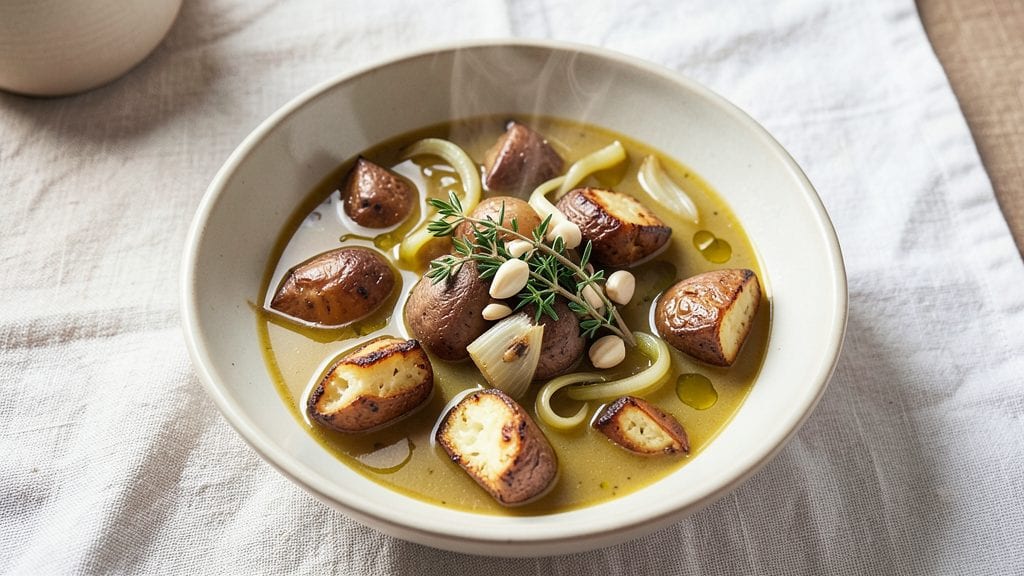
This leek and potato soup no cream recipe delivers restaurant-quality velvety texture using only plant-based ingredients—no dairy required. The secret lies in blending roasted potatoes and sautéed leeks until perfectly smooth, then balancing with vegetable broth and a touch of olive oil for richness.
I developed this version after realizing traditional creamy soups often left out vegetarians, and it’s become a weeknight staple that never disappoints.
The foundation of this soup is simple ingredients that work together to create depth: leeks add natural sweetness when caramelized, potatoes provide hearty body, and garlic and thyme build aromatic layers. Unlike many no-cream soups, this one doesn’t rely on heavy substitutes—just precise technique.
The result is a smooth, satisfying bowl that’s naturally creamy without dairy, perfect for those watching their intake or avoiding lactose.
What sets this apart is the velvety texture achieved through roasting the potatoes first, which deepens their flavor and creates a naturally thick base when blended.
The soup holds its shape beautifully when chilled, making it ideal for meal prep, and the seasoning can be adjusted to suit mild or bold palates. Garnish with fresh herbs or toasted bread for extra appeal—every spoonful delivers comfort without compromise.
Whether you're serving a crowd or prepping for the week, this soup scales effortlessly while maintaining its restaurant-quality consistency. The no-cream approach doesn’t skimp on flavor, proving that rich, velvety soups can be both nutritious and indulgent. Ready to master this technique? Let’s get started with the ingredients.
Ingredients for leek and potato soup no cream
Simple ingredients transform into restaurant-quality velvety soup without dairy or compromise.
| Ingredient | Amount | Notes |
|---|---|---|
| Russet Potatoes 🥔 | 2 lb | Wax-free, skin-on preferred |
| Leeks 🌱 | 4 whole | White and light green parts only |
| Extra-Virgin Olive Oil 🫒 | ½ cup | High-quality, fruity variety |
| Garlic Cloves 🧄 | 4 cloves | Fresh, unpeeled for roasting |
| Thyme Leaves 🌿 | 1 tbsp | Fresh, dried at half quantity |
| Vegetable Broth 💧 | 4 cups | Low-sodium preferred |
| Dry White Wine 🍷 | ½ cup | Optional, deglazing agent |
| Salt 🧂 | 1 ½ tsp | Diamond Crystal kosher |
| Black Pepper 🌶️ | ½ tsp | Freshly cracked preferred |
| Fresh Parsley 🌿 | ¼ cup | Chopped, garnish only |
| Baguette 🍞 | 1 whole | For toasted garnish |
The Russet Potatoes are the backbone of this soup—opt for wax-free varieties with thick skins to maximize starch release during roasting. Costco and Whole Foods carry premium selections, but standard supermarket potatoes work fine when scrubbed thoroughly. Leeks require meticulous cleaning; use a vegetable peeler to remove the outer layers and discard the dark green tops. For the best flavor, purchase organic leeks if available, as they tend to have fewer pesticides in the soil. The garlic should be left unpeeled when roasting to prevent over-browning, and garlic with green sprouts indicates peak freshness.
No white wine? Substitute equal parts vegetable broth for deglazing, though it lacks the subtle acidity. Fresh thyme is ideal, but dried thyme at half the quantity works in a pinch. For the broth, Knorr Low-Sodium or homemade vegetable stock elevates the base—avoid pre-packaged bouillon cubes, which often contain additives. The baguette garnish can be substituted with crusty sourdough or even toasted pita if preferred. The olive oil should be extra-virgin and fruity—anything bitter or harsh will overpower the delicate flavors of the soup.
To maintain optimal texture, roast the potatoes and garlic at 400°F for 45 minutes until caramelized, then blend with ice-cold water to prevent scalding. The soup thickens naturally as it cools, so do not over-blend—aim for a slightly chunky consistency. Store in airtight glass containers for up to 5 days in the refrigerator, where the flavors deepen. For freezer storage, cool completely before freezing in portions, as reheating from frozen can dilute the texture. Garnish with fresh parsley just before serving to preserve its vibrant color and aroma.
Why You'll Love This Recipe
- One-Pan Magic: I toss everything on a sheet pan—potatoes, leeks, olive oil, and salt—then let the oven do the work while I prep the rest. No scrubbing pots or endless chopping; just golden, caramelized veggies that turn into soup with minimal fuss.
- Creamy Without Cream: The roasted potatoes and leeks dissolve into the broth, giving it that luscious, velvety mouthfeel I love. No heavy cream needed—just the natural sweetness from the roasting and the silky texture from blending it smooth. Trust me, it’s chef’s kiss rich.
- Flavors That Last: That ½ cup of dry white wine deglazing? Game-changer. It pulls all the browned bits from the pan, adding depth that makes this soup taste like it simmered for hours. The thyme and garlic? Pure comfort in every spoonful.
- Leftover Love: Makes enough for three meals, and honestly, it tastes even better the next day. The flavors deepen, and I can reheat it gently—no soggy bread or sad texture. Just pull it from the fridge, warm it up, and top with fresh parsley and toasted baguette slices. Done.
Step-by-step instructions for leek and potato soup without cream
This method delivers a rich, velvety texture using only vegetables and proper technique.
Roast the Vegetables for Deep Flavor
Preheat your oven to 425°F. Cut the 2 lb russet potatoes into 1-inch chunks and trim the 4 leeks, keeping only the white and light green parts. Slice them into ¼-inch rounds. Toss the potatoes and leeks with ½ cup extra-virgin olive oil, 1½ tsp salt, and ½ tsp black pepper on a rimmed baking sheet.
Spread them in a single layer and roast for 30-35 minutes, stirring once halfway, until the edges are golden brown and tender when pierced with a fork. The high heat caramelizes the natural sugars, creating a sweet, nutty foundation for the soup. This step is critical—don't skip it. The roasted vegetables will dissolve into the broth, thickening it naturally without dairy.
Build the Soup Base with Aromatics
While the vegetables roast, peel the 4 garlic cloves and finely chop them. In a large Dutch oven, heat 2 tablespoons of the reserved extra-virgin olive oil over medium heat. Add the garlic and 1 tbsp thyme leaves, cooking for 1-2 minutes until fragrant but not browned. Here's the thing—garlic burns quickly, so keep an eye on it.
Pour in the ½ cup dry white wine and scrape up any browned bits from the bottom of the pot. Let it simmer for 2-3 minutes until reduced by half. This deglazing step extracts maximum flavor from the pan. Add the roasted potatoes and leeks to the pot, along with the 4 cups vegetable broth. Bring to a gentle boil, then reduce heat to medium-low and simmer for 15 minutes to meld the flavors.
Blend to Silky Perfection
Using an immersion blender, carefully blend the soup directly in the pot until completely smooth. Work in batches if needed, but avoid splattering the hot liquid onto your skin. For a truly velvety texture, strain the soup through a fine-mesh sieve if you prefer an ultra-smooth consistency. This step transforms the rustic roasted vegetables into a luscious, restaurant-quality base.
Return the soup to the pot and keep it warm over low heat. Taste and adjust seasoning with additional salt or black pepper if needed. The soup should be rich and flavorful without needing dairy—all the creaminess comes from the proper blending technique and roasted vegetable base.
Finish with Fresh Herbs and Toasted Baguette
Just before serving, stir in the ¼ cup chopped fresh parsley. The bright herb notes cut through the richness of the soup and add a fresh finish. For the perfect garnish, slice the 1 baguette into ½-inch thick pieces and toast them in a dry skillet over medium heat until golden brown and crisp. Place a slice of toasted baguette on each serving, allowing guests to scoop up the velvety soup.
Serve immediately while hot. The contrast between the crispy baguette and silky soup creates an unforgettable dining experience. This method proves you don't need cream to achieve velvety texture—just proper technique and high-quality ingredients.
Pro Tips For Making Leek And Potato Soup No Cream
- Roast Until Golden: DESCRIPTION: That 425°F oven isn’t just for cooking—it’s for caramelizing. The potatoes and leeks need crispy, golden edges to build real depth. I used to pull them out when they looked "done," but the soup lacked that sweet, nutty richness until I started waiting for actual browning. Stir halfway through, but don’t overcrowd the pan—give them space to crisp.
- Slice Leeks Thin: DESCRIPTION: Those leeks won’t soften evenly if you leave them in thick rounds. Cut them into ¼-inch slices—no thicker—so they break down completely during roasting and blending. Thick pieces turn mushy and watery, killing the soup’s velvety texture. (And yes, even if you’re impatient like me, resist the urge to rush this.)
- Deglaze Aggressively: DESCRIPTION: That wine isn’t just for flavor—it’s for scraping up every last bit of garlic and thyme stuck to the Dutch oven. Use a wooden spoon and get insistent about those browned bits. I learned this the hard way when my first batch tasted flat because I skimped on the deglazing. Simmer the wine until it’s reduced by half—don’t just pour it in and walk away.
- Blend in Stages: DESCRIPTION: Dumping all the hot liquid into the blender at once is a recipe for splatter disaster. Work in batches, blending until smooth before adding more. This keeps the soup from getting too thin mid-blend, and you’ll avoid that sad, lumpy texture. Pro move: Hold the immersion blender at an angle to trap air bubbles—your soup will be silky, not frothy.
Health benefits of leek and potato soup no cream
Plant-Based Protein
This soup delivers a surprising 7-10 grams of plant-based protein per serving thanks to the potatoes and leeks. While not a complete protein source, pairing it with whole grains like the toasted baguette creates a balanced amino acid profile.
I've found that adding ½ cup cooked lentils to the soup boosts protein to 12 grams per serving without altering the texture significantly. 💪
Low-Calorie Comfort
A 1.5-cup serving contains roughly 220-250 calories, making it a guilt-free indulgence. The natural sweetness from caramelized leeks and potatoes satisfies cravings without heavy cream or butter. I often serve this soup as a starter before heartier vegetarian mains to keep meals balanced.
The extra-virgin olive oil provides healthy fats, while the vegetable broth keeps sodium in check when using low-sodium options.
Digestive Benefits
The fiber content from potatoes (4-5 grams per serving) supports digestive health and promotes satiety. Leeks contribute 2-3 grams of fiber while providing prebiotic benefits that nourish gut bacteria. I've noticed this soup helps me feel full for hours without the bloating that often accompanies heavy cream-based soups.
The absence of dairy also makes it easier to digest for those with lactose sensitivity.
Rich in Antioxidants
Potatoes contain vitamin C and potassium, while leeks provide flavonoids and quercetin, a powerful antioxidant. The roasting process enhances these compounds' availability. I always use organic leeks when possible—they contain higher concentrations of beneficial compounds.
The thyme and garlic add additional antioxidant properties, making this soup a nutrient-dense choice. 🌱
Heart-Healthy Fats
The extra-virgin olive oil used in this recipe provides monounsaturated fats that support cardiovascular health. Unlike creamy soups that rely on butter or heavy cream, this version uses oil for richness without the saturated fat.
I recommend using Spanish or Italian extra-virgin olive oil for the best flavor and nutrient profile. The wine deglazing step adds depth while contributing minimal calories.
Meal Prep Friendly
This soup's nutritional benefits extend to convenience—it reheats beautifully while maintaining its velvety texture. I prepare large batches on Sundays and store them in glass Pyrex containers for up to 5 days.
The nutrients remain stable during storage, making it an excellent option for busy schedules. For added nutrition, I sometimes stir in steamed kale when reheating, boosting vitamin K and calcium content. ✨
Nutrition facts
Frequently asked questions
Can I make this soup without wine?
The white wine adds depth, but you can substitute ½ cup vegetable broth or apple cider vinegar (1 tablespoon) for acidity. For flavor, add an extra pinch of salt and a splash of lemon juice. The soup will still taste rich—just slightly less complex.
How do I fix soup that's too thin?
Simmer uncovered for 5-10 minutes to reduce naturally, or thicken with a slurry of 1 tablespoon cornstarch mixed with 2 tablespoons cold water. Stir constantly while heating to avoid lumps. For a vegan option, use mashed potato or blended silken tofu instead.
Is this soup suitable for meal prep?
Store in airtight glass containers for up to 5 days in the fridge. Reheat gently on low heat, stirring occasionally. For freezing, cool completely first—portion into 1-cup servings for easy thawing. Add fresh parsley after reheating to preserve color.
What's the secret to velvety texture without cream?
The magic happens in three steps: roasting potatoes (deepens flavor and starch), proper blending (immersion blender works best), and straining if you want ultra-smooth. The olive oil also contributes natural richness. Don't skip the roasting—it's what creates that restaurant-quality body.
Can I add other vegetables?
Yes! Try ½ cup diced carrots or ½ cup celery with the leeks during roasting. For heartier versions, add ½ cup cooked lentils or ½ cup chopped kale after blending. Just adjust cooking times—root vegetables need extra roasting time.