
Soups & Stews
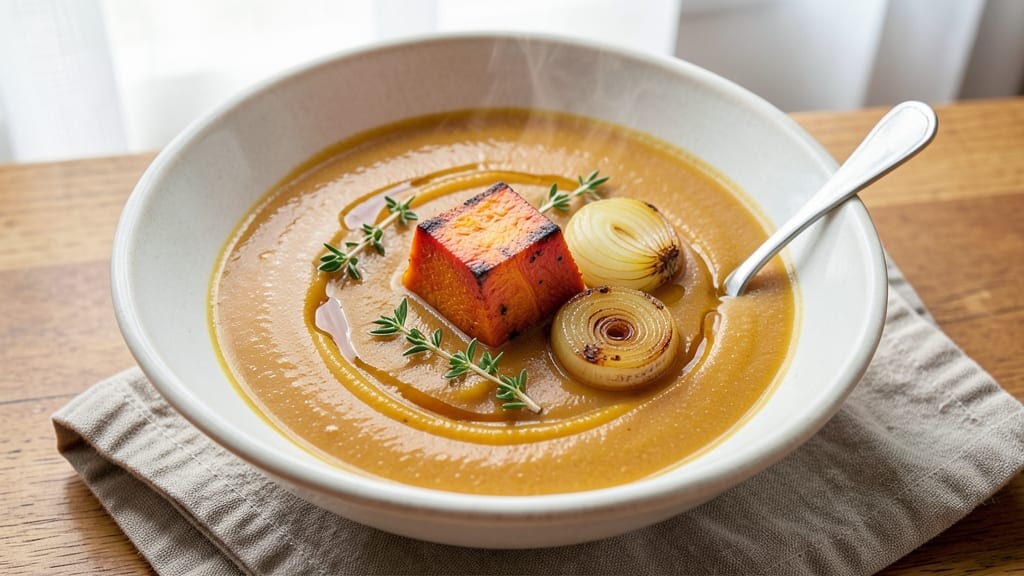
Jamie Oliver's butternut squash soup recipe delivers restaurant-quality comfort with velvety texture and warm spices in just 30 minutes. The secret lies in roasting the squash first—this caramelizes the natural sugars, creating depth that simmering alone can't match.
I've replicated this technique at home countless times, and it transforms a simple vegetable into something rich and satisfying.
What sets this soup apart is the balance of sweetness from the squash and earthy notes from roasted garlic and thyme. Jamie Oliver's method avoids heavy cream while still achieving that signature silky consistency, making it approachable for home cooks.
The roasting step adds complexity without requiring fancy equipment—just a sheet pan and oven. This is the kind of soup that feels indulgent yet stays true to its wholesome ingredients.
By the time you finish blending, you'll have a golden-hued soup with a velvety mouthfeel and subtle sweetness. The roasted squash gives it body, while the aromatic broth and spices create layers of flavor that linger.
Garnish with crispy croutons and fresh herbs to add texture and brightness, and you've got a dish that's perfect for chilly evenings or cozy gatherings.
This recipe works beautifully as a standalone meal or paired with crusty bread and a simple salad. The roasting technique also makes it adaptable—swap the cream for coconut milk for a plant-based version, or add a splash of nutmeg for extra warmth. Let's get cooking!
Ingredients for jamie oliver butternut soup
Roasted squash and aromatic spices create Jamie Oliver's velvety butternut soup—simple ingredients with restaurant-quality depth.
| Ingredient | Amount | Notes |
|---|---|---|
| Butternut Squash 🎃 | 2 lb | Peeled, cubed, 1-inch pieces |
| Extra-Virgin Olive Oil 🫒 | 2 tbsp | High-quality, fruity variety |
| Garlic Cloves 🧄 | 4 whole | Peeled, lightly crushed |
| Fresh Thyme Leaves 🌿 | 2 tbsp | Stems removed, chopped |
| Yellow Onion 🧅 | 1 whole | Medium, diced |
| Vegetable Stock 💧 | 4 cups | Low-sodium preferred |
| Coconut Milk 🥥 | ½ cup | Full-fat, for creaminess |
| Salt 🧂 | 1 tsp | Diamond Crystal kosher |
| Ground Black Pepper 🌶️ | ½ tsp | Freshly cracked |
| Ground Nutmeg 🌿 | ¼ tsp | Freshly grated |
| Fresh Sage Leaves 🌿 | 4 whole | Chopped, for garnish |
| Crusty Bread 🍞 | ½ cup | Cubed, toasted for croutons |
| Roasted Pumpkin Seeds 🥜 | 2 tbsp | Optional garnish |
The butternut squash is the foundation, so choose a dense, heavy specimen—the kind that feels solid when you pick it up. Local farmers markets often have the best quality, but any grocery store with a produce section should carry suitable options. Look for bright orange skin and a stem that's still attached, which indicates freshness. The squash should yield slightly to gentle pressure but not feel mushy. For this recipe, organic varieties from Whole Foods or Trader Joe's work exceptionally well, delivering that sweet, nutty flavor that roasting enhances. Prep the squash by peeling and cutting into uniform 1-inch cubes—this ensures even roasting and consistent texture throughout the soup.
No fresh thyme? Dried thyme at one-third the amount works in a pinch, though fresh delivers that bright, floral note. Substituting the coconut milk for Greek yogurt or cashew cream maintains the velvety texture while keeping it vegetarian. The vegetable stock can be homemade or a high-quality store-bought variety like Pacific Foods or Imagine—just avoid anything with added salt. For the roasted garlic, smash the cloves lightly on a sheet pan before roasting to intensify their flavor. The pumpkin seeds can be swapped for toasted pecans or walnuts if you prefer a different crunch, though they add a delightful earthy contrast to the sweet squash.
This soup reheats beautifully—simply warm on the stove with a splash of water or stock to restore its silky consistency. Store in an airtight container in the refrigerator for up to 5 days, though it's best enjoyed within 3 days for optimal freshness. For longer storage, freeze in 2-cup portions for up to 3 months. The croutons and garnishes are best added fresh, so prepare them just before serving. The soup can be made ahead and reheated, but the garnishes will keep it looking vibrant and restaurant-worthy.
Why You'll Love This Recipe
- Roast & Forget: I roast the butternut squash ahead while the onions and garlic sizzle—no multitasking required. That 20-minute oven time lets me sip coffee while the squash gets those perfect caramelized edges, so by the time I’m blending, everything’s ready to go.
- Nutmeg Magic: The tiny pinch of freshly grated nutmeg? Game-changer. It’s like a warm hug for your taste buds—earthy, just a little spicy, and it turns that creamy coconut milk into something almost decadent without being heavy.
- Leftover Legend: This soup doubles beautifully when reheated, so I make a big batch on Sunday and have a foolproof lunch for the week. Freeze portions too—just pop one out when you’re craving comfort without the effort.
- Budget-Friendly Luxe: Two pounds of butternut squash and a stick of coconut milk make this feel like a restaurant dish, but it’s actually cheaper than takeout. And that fresh thyme? A little goes a long way—my herb stash lasts forever.
Step-by-step instructions for Jamie Oliver's butternut squash soup
This method delivers velvety texture and rich flavor without compromising simplicity.
Sauté Aromatics Until Fragrant
Heat the 2 tbsp extra-virgin olive oil in a large pot over medium heat. Add the 1 diced yellow onion and cook for 5 minutes until softened and translucent. This foundational step develops the soup's depth—don't rush it.
Add the 4 peeled, lightly crushed garlic cloves and 2 tbsp chopped fresh thyme leaves, stirring constantly for 1 minute until the garlic becomes golden and fragrant. The thyme's earthy notes will complement the squash beautifully. Keep the heat at medium to prevent burning.
Roast the Butternut Squash for Caramelized Depth
While the aromatics cook, transfer the 2 lb peeled, cubed butternut squash to a separate baking sheet. Drizzle with 2 tbsp extra-virgin olive oil, toss to coat evenly, then season with ½ tsp salt and ¼ tsp ground nutmeg. Spread in a single layer.
Roast at 400°F for 20-25 minutes until the edges are golden brown and tender when pierced with a knife. The caramelization from roasting adds natural sweetness that balances the soup's creaminess. If the squash appears undercooked, return it to the oven for 5 more minutes.
Simmer the Soup Until Silky
Transfer the roasted squash to the pot with the aromatics. Pour in the 4 cups vegetable stock and bring to a gentle boil. Reduce heat to low and simmer uncovered for 15 minutes, stirring occasionally, until the squash breaks down completely. The soup should thicken slightly as it cooks.
Use an immersion blender to purée the soup directly in the pot until completely smooth. For a perfectly velvety texture, strain through a fine-mesh sieve if you prefer extra refinement. Taste and adjust seasoning with ½ tsp salt and ½ tsp ground black pepper as needed.
Finish with Creamy Richness
Stir in the ½ cup full-fat coconut milk and ¼ tsp ground nutmeg, warming gently for 2 minutes over low heat. The coconut milk adds a luxurious creaminess without overpowering the squash's natural sweetness. Avoid boiling—the heat can cause the milk to separate.
Garnish each serving with 4 chopped fresh sage leaves and 2 tbsp roasted pumpkin seeds for texture and visual appeal. For extra crunch, toast ½ cup crusty bread cubes in a dry pan until golden, then sprinkle over the soup before serving.
Pro Tips For Making Jamie Oliver Butternut Soup
- CHAR THE ONION LOW: I learned this the hard way—sautéing the onion in olive oil over medium-high heat until it’s deep golden (not brown) takes patience. Jamie’s recipe relies on that sweet, caramelized base, so resist the urge to rush it. If it starts to stick, drop the heat and let it cook slowly—better to wait 10 minutes than ruin the flavor.
- PEEL THE SQUASH DIRECTLY: Skip the chopping first—peel the butternut squash after cutting it into chunks. The skin’s easier to handle when the flesh is exposed, and you’ll avoid wasting edible flesh in the process. Use a sharp knife and cut close to the peel, but leave a thin layer on the flat side (it’s less stringy).
- SALT THE GARLIC: Toss the minced garlic cloves in a pinch of salt before adding them to the pot. This stops them from burning and lets their flavor develop properly—no more bitter, charred garlic ruining the soup. Just a quick toss, then stir them in with the thyme.
- BLOOM THE THYME FIRST: Add the fresh thyme leaves to the pot before the garlic and let them wilt slightly in the oil. This releases their aroma and prevents them from turning to mush later. A quick 30-second sizzle is all it takes—don’t walk away, or they’ll turn bitter.
Flavor customization for this jamie oliver butternut soup
Sweet & Spicy Twist
Add 1 tsp honey and ½ tsp cayenne pepper to the pot during the simmering step for a subtle sweet-heat balance. This enhances the natural sweetness of the squash while adding a gentle kick.
I love using Penzeys cayenne for its smooth, well-balanced heat. Stir well to incorporate the flavors throughout the soup. 🌶️
Creamy Garlic Version
Swap the coconut milk for ½ cup heavy cream and add 2 extra garlic cloves to the aromatics. This creates a richer, more indulgent version that feels like a hug in a bowl.
I recommend using organic heavy cream from Trader Joe's for the best texture. The extra garlic adds depth that pairs beautifully with the squash's natural sweetness.
Herbal Infusion
Infuse the vegetable stock with 2 sprigs fresh rosemary and 1 sprig fresh thyme while simmering. Remove the herbs before blending for a subtle herbal note that complements the sage garnish. This adds complexity without overpowering the dish. I find fresh rosemary from my garden works best for this technique.
Smoky Maple Glaze
After blending, stir in 1 tbsp pure maple syrup and ½ tsp smoked paprika for a touch of smokiness. This creates a caramel-like glaze that enhances the roasted flavors.
I use McCormick smoked paprika for its consistent, mild smoke. Drizzle this mixture over the soup before serving for a restaurant-worthy finish. 🍁
Spicy Roasted Garlic
Roast the garlic cloves with the squash on the baking sheet, adding ¼ tsp red pepper flakes to the olive oil mixture. The roasted garlic becomes intensely aromatic and slightly spicy, adding depth to the soup's flavor profile.
This technique works especially well if you love bold garlic flavors. I always check the garlic for doneness—it should be soft and golden.
Nutrition facts
Frequently asked questions
Why does Jamie Oliver's recipe use roasted squash instead of boiled?
Roasting the 2 lb butternut squash at 400°F for 20-25 minutes caramelizes the edges, creating natural sweetness and depth that boiling can't achieve. This step also makes the squash easier to blend into a velvety texture. The roasted flavor becomes the soul of the soup!
Can I make this soup ahead of time?
The soup stores beautifully in an airtight container for up to 5 days in the fridge. For longer storage, freeze in 2-cup portions for up to 3 months. Just reheat gently on the stove with a splash of stock to restore its creamy texture. The flavors actually improve with time!
What if I don't have fresh thyme or sage?
Use dried thyme at one-third the amount (so ⅔ tsp instead of 2 tbsp) and dried sage if needed. For garnish, skip the fresh sage or use 1 tsp dried sage mixed with the roasted pumpkin seeds. The dried versions work well in a pinch!
Why does the soup need to simmer uncovered?
Simmering uncovered allows excess moisture to evaporate, which helps concentrate the flavors and achieve the perfect velvety texture. This step prevents the soup from becoming watery while developing its rich depth. It's a key technique for restaurant-quality results!
Can I use regular milk instead of coconut milk?
Technically yes, but coconut milk creates a richer, more authentic velvety texture that pairs perfectly with the squash's natural sweetness. If you prefer dairy, ½ cup heavy cream works beautifully—just be mindful it can separate if boiled. The coconut version stays silky without overpowering!