
Soups & Stews
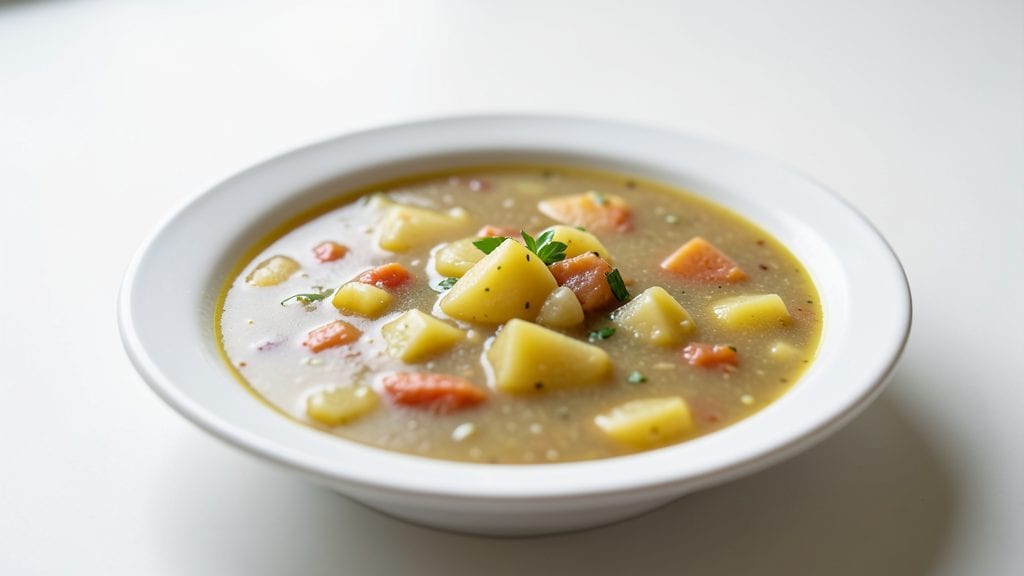
Grandma's potato soup recipe brings back the comforting aroma of slow-simmered vegetables, rich broth, and tender potatoes—just like the version I grew up with. The secret lies in caramelizing onions until they're deep golden, which forms the flavor base for this velvety soup. Every spoonful delivers that nostalgic warmth, perfect for chilly evenings or family gatherings.
This recipe transforms simple ingredients into something extraordinary through patience and technique. We start with a deep, flavorful broth that simmers for hours, extracting maximum taste from the vegetables. The potatoes are cut into even pieces to ensure they cook perfectly—never mushy, never underdone.
A touch of cream at the end elevates the texture to that signature creamy velvety finish everyone loves.
What makes this soup special is how it balances heartiness with comfort—thick enough to coat a spoon but light enough to leave you satisfied. The caramelized onions add a subtle sweetness that rounds out the savory notes, while herbs like thyme or bay leaf infuse depth.
It's the kind of dish that tastes even better the next day, as flavors meld together beautifully.
Whether you're serving it to a crowd or saving leftovers for lunch, this soup delivers consistent, restaurant-quality results every time. The method is straightforward but requires attention to detail—especially the onion caramelization and potato timing.
For those watching their fat intake, we'll include a lighter version using low-fat milk instead of cream without sacrificing flavor.
Ingredients for grandma's potato soup
Pantry staples meet slow-cooked comfort—just the right ingredients for velvety potato soup.
| Ingredient | Amount | Notes |
|---|---|---|
| Yellow Onions 🧅 | 3 whole | Thinly sliced for caramelization |
| Yellow Potatoes 🥔 | 2 lb | Russet or Yukon Gold, peeled |
| Celery Stalks 🧅 | 3 whole | Trimmed, chopped into 1-inch pieces |
| Carrots 🥕 | 3 whole | Medium, peeled and sliced |
| Garlic Cloves 🧄 | 4 cloves | Minced for aromatic depth |
| Fresh Thyme Sprigs 🌿 | 2 whole | Or 1 tsp dried thyme |
| Bay Leaves 🍃 | 2 whole | Dried, removed before serving |
| Chicken Broth 🍲 | 4 cups | Low-sodium, homemade preferred |
| Heavy Cream 🥛 | ½ cup | Full-fat for authentic richness |
| Unsalted Butter 🧈 | 3 tbsp | European-style preferred |
| All-Purpose Flour 🌾 | 1 tbsp | For thickening the broth |
| Salt 🧂 | 1 ½ tsp | Diamond Crystal kosher salt |
| Black Peppercorns 🌶️ | ½ tsp | Freshly cracked for texture |
| Low-Fat Milk 🥛 | ½ cup | For lighter version only |
The onions are the foundation. Sweet yellow onions caramelize best for that deep, mellow sweetness—red onions add color but less flavor. Slice them evenly for consistent cooking. For the broth, homemade chicken stock delivers the richest flavor, but low-sodium store-bought works in a pinch. The potatoes should be uniform in size to ensure even cooking—Yukon Golds hold their shape beautifully while Russets add a creamier texture. Fresh thyme and bay leaves infuse subtle earthy notes that elevate the entire dish.
No fresh thyme? Dried thyme at one-third the amount suffices, though fresh is superior. For a lighter version, substitute half the heavy cream with low-fat milk—the texture remains creamy, just slightly less rich. The butter matters here; European-style has higher fat content for better emulsification. If you're watching calories, reduce the butter to 2 tbsp and compensate with an extra splash of broth. The flour acts as a natural thickener, but if you prefer gluten-free, cornstarch at the same ratio works equally well.
This soup tastes even better the next day as flavors meld. Store in an airtight container in the fridge for up to 5 days, or freeze for 3 months in portion-sized containers. For reheating, warm gently on the stove with a splash of broth or milk to restore creaminess. The caramelized onions can be prepped ahead and refrigerated for 3 days, saving time on busy weeknights. Always taste before serving—adjust salt and pepper to personal preference.
Why You'll Love This Recipe
- Golden Onions, Zero Stress: I can prep the onions the night before and just toss them in the pot the next morning. That 20-minute caramelization? It’s hands-off while I do something else—like watching a bad movie or pretending to organize my spice rack.
- Creamy, Not Clingy: The flour gets whisked in just right, and the heavy cream comes in to save the day—no gluey soup here. That velvety texture? It’s the kind of smooth that makes you lick the spoon, but it’s not overpowering. The garlic and thyme just hint at depth without being overwhelming.
- Weeknight Hero: This soup’s my secret weapon for when I’ve got a full house but no time. It’s the kind of meal that tastes like you slaved over it for hours, even though I actually just chopped some veggies and let them do their thing. Plus, it’s that good, my kids will eat it even when they’re being dramatic about their "picky" phase.
- Budget-Friendly Comfort: Two pounds of potatoes and a few onions? That’s a fraction of the cost of takeout, and it’ll feed a crowd. Plus, the caramelized onions alone make it feel special—like a restaurant dish, but with my own twist. Leftovers? They reheat beautifully, so I can pretend I’m feeding a family of five when it’s just me and my cat.
Step-by-step instructions for Grandma's potato soup
This method delivers velvety texture and deep flavor through precise technique.
Caramelize the Onions and Vegetables
Melt the 3 tablespoons unsalted butter in a large Dutch oven over medium-low heat. Add the 3 thinly sliced yellow onions and cook for 20 minutes, stirring occasionally, until deeply golden brown and sweet. This slow caramelization builds rich flavor that forms the soup's foundation.
Add the 3 chopped celery stalks, 3 sliced carrots, and 4 minced garlic cloves. Cook for 8-10 minutes until the vegetables soften and develop color. The onions should be dark amber with no raw taste remaining. Here's where the magic happens: these caramelized vegetables create the soup's complex flavor base.
Build the Broth and Cook the Potatoes
Add the 2 bay leaves and 2 fresh thyme sprigs to the pot. Pour in the 4 cups chicken broth and bring to a gentle simmer. Add the peeled 2 lb yellow potatoes, cut into 1-inch cubes, and cook for 15-18 minutes until the potatoes are fork-tender and the broth has reduced slightly.
Season with the 1½ teaspoons salt and ½ teaspoon freshly cracked black peppercorns. Taste the broth before proceeding - it should be seasoned but not salty. The potatoes should absorb some of the liquid while maintaining their shape. This step develops the soup's hearty, comforting character.
Thicken and Finish the Soup
Remove the bay leaves and thyme sprigs. Stir in the 1 tablespoon all-purpose flour, whisking vigorously to create a smooth paste. Cook for 2-3 minutes until the flour is fully incorporated and the soup begins to thicken slightly. This creates a velvety texture without making the soup gluey.
Reduce heat to low and stir in the ½ cup heavy cream. For a lighter version, substitute the ½ cup low-fat milk instead. Simmer gently for 5 minutes to allow the flavors to meld. The soup should now have a rich, creamy consistency with no flour taste remaining.
Adjust Consistency and Serve
Taste the soup and adjust seasoning if needed. For a thicker soup, simmer uncovered for 5-10 minutes to reduce. For a thinner soup, whisk in 2-3 tablespoons of hot broth. The final texture should be smooth with just enough body to coat a spoon.
Serve immediately with additional cracked black pepper and fresh thyme if desired. The soup's velvety texture comes from proper potato cooking and careful thickening - never over-stirring after adding cream. This method ensures each bowl delivers Grandma's signature comfort in every spoonful.
Pro Tips For Making Grandma'S Potato Soup
- Cook Onions Slow: Grandma’s soup isn’t about flash—it’s about flavor. Once you dice those onions, let them sweat in the pot for at least 8-10 minutes on medium-low. I used to rush this, and the soup always tasted flat. The longer they soften, the deeper the base for everything else.
- Peel Potatoes After Cooking: Yes, even if it sounds lazy. Toss whole, unpeeled potatoes into the pot with their skins on, then peel them after cooking. The skins stay intact longer, and you avoid the mess of peeling 6-8 potatoes upfront. Just rub them under water with your hands—it’s faster than a peeler.
- Don’t Overcrowd the Pot: I learned this the hard way—packing too many veggies into the pot makes the soup watery and dull. Aim for a 2:1 ratio of liquid to veggies, and if the pot looks crowded, cook in batches. The celery and carrots need room to break down, not steam in their own juices.
- Add Garlic Late: Raw garlic cloves can taste bitter if cooked too long. After the potatoes are tender and the soup’s simmering, crush the garlic into the last 5 minutes of cooking. It’ll mellow out and blend seamlessly—no harsh aftertaste, just rich, warm flavor. (And skip the mincing; crushed is easier and works just as well.)
Perfect pairings for this dish
Bread Pairings
Nothing complements potato soup like a warm, crusty loaf to soak up every last drop of creamy goodness. I reach for sourdough bread with its tangy bite and open crumb structure—it holds up beautifully to the rich soup.
For a more traditional option, rustic French baguettes cut into thick slices work perfectly, especially when toasted in the oven with a sprinkle of flaky sea salt. 🥖
If you prefer something heartier, crusty Italian bread like a ciabatta roll adds a satisfying chew while absorbing the velvety texture. For a lighter touch, try garlic bread made with a brioche bun—the buttery richness pairs wonderfully with the soup's caramelized onions.
Always serve bread warm and on the side so guests can enjoy it throughout the meal.
Cheese and Crackers
Add a sophisticated touch with a cheese board featuring aged cheddar, Gruyère, and Gouda—their sharp, nutty flavors cut through the soup's creaminess. I pair these with water crackers or baguette slices for easy snacking.
For a more indulgent option, brie or camembert melts beautifully with the soup's warmth, creating a delicious contrast. 🧀
If you're serving this as a starter, offer a selection of sharp cheddar cubes, smoked gouda, and herb-infused goat cheese with buttery crackers or toasted baguette strips. The cheese adds a savory depth that complements the soup's comforting flavors, especially when paired with a crisp white wine.
Drink Pairings
A dry Riesling or Chardonnay enhances the soup's creamy texture and caramelized onion notes. I love a Sauvignon Blanc from New Zealand for its bright acidity, which balances the richness.
For beer lovers, a wheat beer like Blue Moon or a light lager like Peroni provides a crisp, refreshing contrast. 🍷
If you prefer something warmer, a spiced chai latte or hot apple cider adds a cozy touch, especially during colder months. For a non-alcoholic option, sparkling water with a squeeze of lemon cleanses the palate between spoonfuls.
The key is to choose drinks with enough acidity or effervescence to cut through the soup's richness.
Topping Ideas
Elevate the soup with a sprinkle of crispy fried onions for texture or crumbled bacon for smokiness. I also love adding a dollop of sour cream or Greek yogurt on top for a tangy contrast. Fresh chives or parsley add a bright, herbaceous note that brightens the dish. 🌿
For a pop of color and crunch, try toasted pumpkin seeds or crushed potato chips—they add an unexpected but delightful texture. A drizzle of hot honey or truffle oil (just a few drops!) adds a gourmet touch that pairs beautifully with the creamy soup.
These toppings let everyone customize their bowl to their taste.
Nutrition facts
Frequently asked questions
Why does this recipe call for caramelizing onions for 20 minutes?
The long caramelization time transforms the onions from sharp to sweet, creating a rich, deep flavor foundation for the soup. This step is what makes Grandma's version so special—those golden onions add complexity that store-bought onion soup mix can't match. The 20 minutes ensures they develop that perfect amber color without burning.
Can I substitute another type of potato?
Stick with Russet or Yukon Gold potatoes for best results—they hold their shape beautifully while becoming tender. Red potatoes might break apart too much, and waxy varieties like new potatoes can turn mushy. If you're in a pinch, Yukon Golds are the closest alternative, though they'll make the soup slightly creamier.
What if my soup is too thick after adding cream?
Simply whisk in 2-3 tablespoons of hot broth to thin it out. The key is to add it slowly while stirring constantly. If you prefer a thicker soup, simmer uncovered for 5-10 minutes to reduce naturally. Never over-stir after adding cream—this creates lumps and ruins the velvety texture.
How do I make this soup ahead of time?
Prep the caramelized onions up to 3 days ahead and store them in the fridge. For the full soup, make it the day before and refrigerate—it actually tastes better the next day! Reheat gently on the stove with a splash of broth or milk to restore creaminess. The flavors meld beautifully over time.
Can I use vegetable broth instead of chicken broth?
Yes, but the flavor will be more neutral. For the best results, use homemade chicken broth—it adds depth and richness. If you must use vegetable broth, add an extra ½ teaspoon of salt and consider adding a splash of soy sauce or Worcestershire sauce for umami. The texture will remain velvety either way.