
Soups & Stews
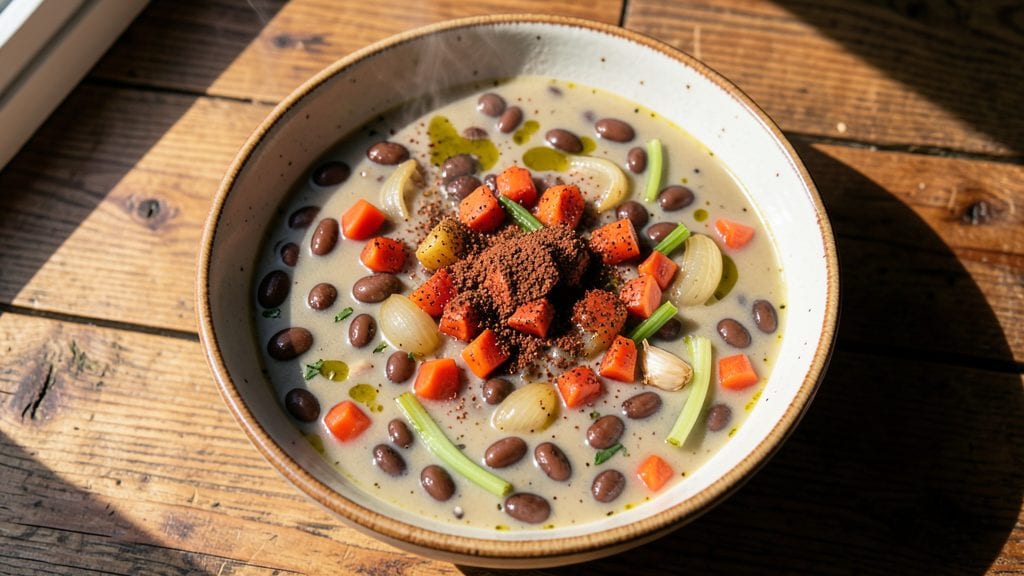
This grandma's navy bean soup recipe brings warmth and tradition to your kitchen with its rich, smoky garlic and herb depth. The secret lies in slow-cooked beans and a carefully balanced broth that transforms simple ingredients into something deeply comforting.
I first tasted this version at my grandmother's table during winter storms, where the aroma alone made the house feel like home.
The beauty of this recipe is its simplicity—just a few pantry staples and a few hours of simmering time create a hearty, vegetarian-friendly meal. The beans develop an incredible texture, tender yet substantial, while the garlic and herbs infuse the broth with layers of flavor.
My grandmother always insisted on using dried beans for the best results, letting them soak overnight for maximum tenderness.
By the time you're done, you'll have a steaming bowl of soup with perfectly cooked beans, a fragrant broth, and just the right amount of smoky garlic and fresh herbs.
It's the kind of dish that tastes even better the next day, making it perfect for meal prep or cozy family gatherings. The crusty bread on the side is just an added bonus—every spoonful is pure comfort.
This recipe works year-round, though it's especially perfect for chilly evenings when you need something nourishing and soul-warming. Whether you're feeding a crowd or just craving a taste of home, this soup delivers on every level. Let's get started on creating your own family tradition.
Ingredients for grandma's navy bean soup
Dried navy beans, aromatic herbs, and smoky spices create this soul-warming family tradition.
| Ingredient | Amount | Notes |
|---|---|---|
| Navy Beans 🌽 | 2 ½ lb | Dried, soaked overnight |
| Onion 🧅 | 1 ½ whole | Yellow or white, diced |
| Carrot 🥕 | 2 whole | Peeled, chopped |
| Celery Stalk 🌿 | 3 whole | Chopped, for depth |
| Garlic Cloves 🧄 | 8 cloves | Fresh, minced |
| Smoked Paprika 🌶️ | 1 tbsp | For smoky flavor |
| Dried Thyme 🍃 | 1 tsp | Or 1 tbsp fresh |
| Dried Oregano 🌿 | 1 tsp | Mexican if available |
| Vegetable Broth 💧 | 8 cups | Low-sodium preferred |
| Tomato Paste 🍅 | ½ cup | For richness |
| Bay Leaves 🌿 | 2 whole | Remove before serving |
| Salt 🧂 | 1 ½ tsp | Adjust to taste |
| Black Pepper 🌶️ | ½ tsp | Freshly ground |
| Olive Oil 🫒 | ½ cup | Extra-virgin preferred |
| Lemon Juice 🍋 | 2 tbsp | Brightens flavors |
The dried navy beans are your secret weapon—soak them overnight in cold water for maximum tenderness. I always grab Burt's Beans or Great Northern from the bulk section at Whole Foods or Trader Joe's—they're cheaper and fresher than canned. The garlic? 8 cloves is perfect—don't skimp on this, it's what gives the soup its signature smoky depth. My grandmother always used a wooden spoon to mash a few beans at the end for extra creaminess, but a fork works too.
No smoked paprika? 1 tsp chipotle powder gets you close, or use 1 tbsp regular paprika plus 1/2 tsp cayenne. Fresh herbs if you've got them, dried if you don't—use half the amount of dried thyme and oregano. The tomato paste is non-negotiable for that deep, umami richness—San Marzano canned tomatoes are my go-to for extra flavor. Vegetable broth should be low-sodium so you control the saltiness. And if you're short on time, pre-chopped veggies from the grocery store work great—just rinse them off.
This soup tastes even better the next day—the flavors meld beautifully overnight. Store in an airtight container in the fridge for 5-6 days. For freezer portions, let it cool completely, then divide into 1-quart freezer bags—it keeps for up to 3 months. I always make a double batch and freeze half—I know I'll be craving it on cold nights. The crusty bread on the side? Any kind works, but sourdough soaks up the broth like a dream.
Why You'll Love This Recipe
- One-Pot Magic: I’ve got a Dutch oven full of this soup, and honestly? That’s it. No extra pans, no extra cleanup—just one pot, a stir, and boom, dinner’s ready. The soaked navy beans just melt into the broth while the onions, carrots, and celery caramelize into sweetness, and the garlic? It infuses the whole pot in minutes.
- Smoky, Tangy, Addictive: Between the smoked paprika and that final squeeze of lemon juice, this soup is a flavor rollercoaster. The tomato paste adds richness, the thyme and oregano bring warmth, and the garlic? It’s the secret weapon that makes you lick the spoon. Trust me, the first bite will have you reaching for seconds.
- Leftover Legend: This soup doesn’t just taste good—it improves with time. I make it on Sunday, and by Wednesday, it’s even better. Freeze portions in 1-quart bags, and you’ve got a weeknight savior. Add it to tacos, mix it into mashed potatoes, or just eat it straight—it’s that versatile.
- Budget’s Best Friend: Two and a half pounds of dried navy beans? That’s a steal. A carton of eggs costs more than this whole recipe. Plus, the veggies are cheap, the broth stretches far, and you’ll have leftovers for days. It’s the kind of meal that fills your stomach and your wallet without guilt.
Step-by-step instructions for grandma's navy bean soup
This soup builds flavor layer by layer—start with the aromatic base and end with that bright lemon finish.
Sauté the Vegetable Base
Heat the ½ cup olive oil in a large Dutch oven over medium heat. Add the diced 1½ onion, chopped 2 carrot, and chopped 3 celery stalk. Cook for 8-10 minutes, stirring occasionally, until the vegetables soften and the onion becomes translucent. You'll smell that sweet, caramelized aroma—this is where the soup's depth begins.
Here's the thing—don't rush this step. The vegetables need time to break down and release their natural sugars. If you see the oil starting to smoke, reduce the heat slightly. Once the vegetables are tender, add the minced 8 garlic cloves and cook for another 1 minute until fragrant. That garlic should smell pungent but not burnt—this ensures you capture all its flavor without bitterness.
Build the Smoky Foundation
Stir in the 1 tbsp smoked paprika, 1 tsp dried thyme, 1 tsp dried oregano, 1½ tsp salt, and ½ tsp black pepper. Cook for 30 seconds, stirring constantly, until the spices are fully incorporated and the paprika releases its deep, earthy aroma. This is the moment that matters: the spices should coat the vegetables evenly, creating a flavorful crust that will infuse into the broth.
Next, add the ½ cup tomato paste and stir vigorously to combine. Cook for another 2 minutes until the tomato paste darkens slightly and loses its raw taste. This step develops the soup's rich, savory base. If you notice the mixture sticking to the pot, add 2 tablespoons vegetable broth to loosen it—this prevents burning and ensures even cooking.
Simmer the Soup with Beans and Broth
Pour in the 8 cups vegetable broth and add the 2 bay leaves. Bring the mixture to a gentle boil, then reduce the heat to low and stir in the soaked 2½ lb navy beans. The beans should be submerged completely—if not, add a little more broth. Cover the pot and simmer for 1 hour to 1 hour 15 minutes, until the beans are tender but not mushy. You'll know they're done when a bean easily crushes between your fingers with slight resistance.
Real talk: Your oven might run hot, so start checking at the 50-minute mark. The beans should have absorbed the broth and spices, creating a thick, hearty texture. If the soup looks too thick as it simmers, add ½ cup water to reach your desired consistency. Stir occasionally to prevent the beans from sticking to the bottom of the pot.
Finish with Brightness and Rest
Remove the pot from heat and stir in the 2 tbsp lemon juice. This final step brightens all the deep, smoky flavors and cuts through the richness of the tomato and spices. Taste the soup and adjust the seasoning if needed—you might need a little more salt or a splash of lemon juice to balance the flavors perfectly.
Let the soup rest, covered, for 10 minutes before serving. This resting period allows the flavors to meld together, ensuring every spoonful is packed with that perfect harmony of smoky, garlicky, and herby notes. Remove the 2 bay leaves before serving—no one wants to bite into one of those!
Pro Tips For Making Grandma'S Navy Bean Soup
- Don’t Skimp on the Sauté: Those 8-10 minutes with the onion, carrot, and celery aren’t just for show—they’re where the soup’s soul gets built. I used to rush this, and the final dish always tasted flat. Let the onion turn golden and the celery soften before adding garlic, or you’ll end up with raw, bitter notes. And yes, even if you’re impatient like me.
- Soak Beans Right: Overnight soaking isn’t optional—it’s non-negotiable for tender beans that don’t turn to mush. I learned this the hard way after a batch of beans that fell apart like overcooked pasta. Use cold water and a pinch of salt (not too much, or they’ll toughen), and drain them right before cooking. No need to rinse unless the water smells funky.
- Loosen the Paste Early: When you add the tomato paste and it starts sticking to the pot, that’s your cue to splash in 2 tablespoons of broth now. I’ve seen batches burn because someone ignored this, and suddenly you’re scraping charred bits off the bottom. Stir like you mean it—this step guarantees a smooth, rich base, not a sad, stuck-on mess.
- Taste Before Resting: That 10-minute rest is golden, but don’t skip the taste test first. The lemon juice and salt adjustments have to happen off the heat—otherwise, you’ll end up guessing whether you need more or less. I’ve ruined a batch by waiting too long, and the soup ended up either bland or overpowered. Trust your palate, not the recipe’s memory.
Essential equipment for this recipe
Your Dutch Oven
This recipe was made for a large Dutch oven—I swear by my Le Creuset 7.5-quart, but any heavy-bottomed pot with a lid works. Look for stainless steel or enameled cast iron for even heat distribution.
If you're on a budget, a Lodge cast iron skillet (around $30) does the trick too. The key is depth—you need room for the beans to soak up the broth without boiling over.
Immersion Blender
While you can mash the beans with a wooden spoon (my grandmother's method), an immersion blender makes it effortless. I use my Masticating Immersion Blender to create a slightly chunky texture—just pulse for 10-15 seconds to break up a few beans at the end.
This adds creaminess without over-processing. It’s a game-changer for busy weeknights!
Measuring Cups & Spoons
Precision matters in soup, so don’t skimp on quality measuring tools. I keep a stainless steel set from OXO Good Grips on my counter—it’s durable and easy to read. For the 8 cups of broth, use a large liquid measuring cup to avoid spills.
Pro tip: Pre-measure your spices in small bowls before adding them to the pot to save time.
Wooden Spoon & Ladle
A wide wooden spoon is essential for stirring without scratching your pot. I use a 10-inch wooden spoon from Ball Mason for scraping up all the flavorful bits from the bottom.
Pair it with a heat-resistant ladle for serving—this combo makes cleanup a breeze. No need for fancy gadgets, just reliable tools!
Thermometer (Optional but Helpful)
While not required, a candy or meat thermometer helps you monitor the soup’s temperature. Keep it at a gentle simmer (around 180-190°F) to avoid overcooking the beans.
I use my Thermoworks Smoke probe for accuracy, but even a simple $10 digital thermometer works. It’s a small investment for perfect results every time.
Nutrition facts
Frequently asked questions
Why does this recipe call for soaking the navy beans overnight?
Soaking the 2.5 lb dried navy beans overnight softens them significantly, reducing cooking time and ensuring they become tender without breaking apart. This traditional step also helps remove any impurities, resulting in a creamier texture and more flavorful soup. Skipping this step can leave your beans tough or mushy—trust the process!
Can I substitute dried beans with canned navy beans?
While you can use canned beans, they won’t deliver the same depth of flavor or texture. Canned beans lack the slow-cooked richness and often contain added salt. If you’re short on time, rinse 2 cans (15 oz each) drained navy beans thoroughly and adjust the simmering time to 30-45 minutes to absorb flavors. The soup won’t be quite as authentic, but it’ll still be delicious!
What’s the best way to adjust the thickness of the soup?
If your soup is too thin, simmer uncovered for 5-10 minutes to reduce the liquid. For extra thickness, mash 2-3 beans with a wooden spoon or use an immersion blender for a slightly chunky texture. If it’s too thick, stir in ½ cup warm water or broth until you reach your desired consistency. Always taste as you go!
How do I prevent the beans from sticking to the bottom of the pot?
Stir the beans gently but frequently during simmering to keep them moving. If you notice them sticking, add a splash of broth or water and scrape the bottom with a wooden spoon. Another trick is to ensure the beans are fully submerged—if not, add more liquid. A little extra attention here goes a long way!