
Soups & Stews
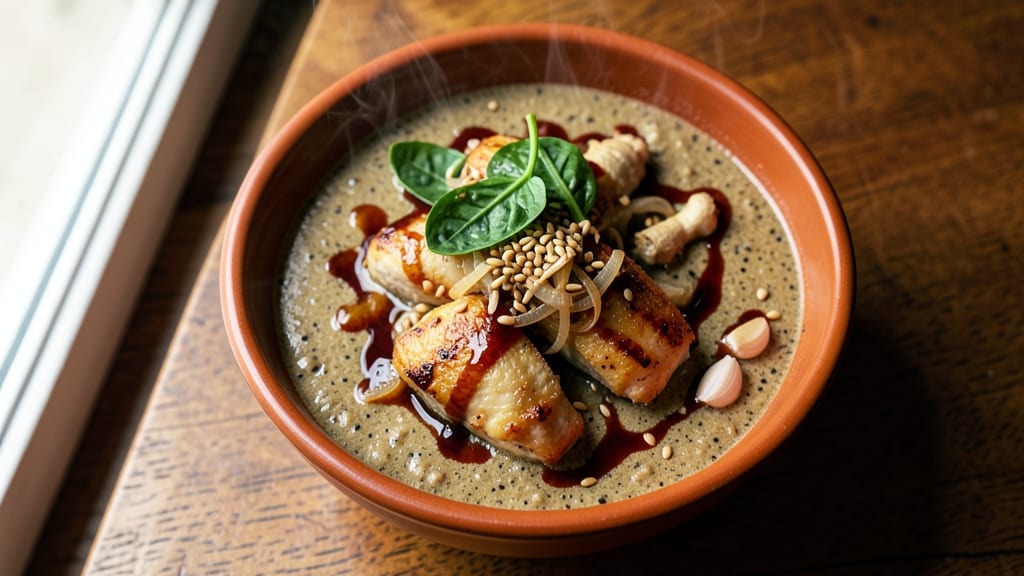
This egusi soup recipe brings the rich, nutty essence of West Africa to your kitchen with a technique perfected through generations. The secret lies in properly blending the melon seeds into a velvety paste that forms the heart of this soul-warming stew.
I first discovered its magic during a trip to Nigeria, where every bite carried the deep flavors of tradition—now I recreate that authenticity in my own kitchen.
The beauty of egusi soup is in its layers: the earthy depth of ground melon seeds, the vibrant greens of leafy vegetables, and the tender protein of choice. This recipe delivers a foolproof method for achieving that signature nutty, melanin-rich broth that pairs perfectly with pounded yam or rice.
The key steps—soaking the seeds, blending them smooth, and slow simmering—ensure every spoonful is rich and satisfying.
What you'll end up with is a deeply flavorful stew where the egusi creates a creamy yet slightly textured base, balanced by the bright acidity of palm oil and the umami of stock.
The aroma alone will transport you to a bustling West African market, while the taste delivers comfort in every bite. This is the kind of dish that turns an ordinary meal into a celebration of culture and tradition.
Whether you're serving it with pounded yam for a traditional experience or rice for a quicker meal, this recipe scales beautifully. Ready to master this West African classic? Let's get started with the ingredients and techniques that bring it to life.
Ingredients for egusi soup
Thirteen ingredients carry the soul of West Africa in this nutty, vibrant stew.
| Ingredient | Amount | Notes |
|---|---|---|
| Egusi Melon Seeds 🌽 | 1 lb | Soaked overnight, peeled |
| Palm Oil 🫒 | 1 cup | Red palm oil preferred |
| Chicken Stock 🍲 | 4 cups | Homemade or quality jarred |
| Onions 🧅 | 2 whole | Yellow or white, diced |
| Garlic Cloves 🧄 | 6 cloves | Fresh, minced finely |
| Fresh Ginger Root 🌿 | 2 tbsp | Grate finely, no skin |
| Scotch Bonnet Peppers 🌶️ | 2 whole | Seeds removed, chopped |
| Leafy Greens 🍃 | 4 cups | Spinach or bitterleaf |
| Fish Stock 🐟 | 1 cup | For umami depth |
| Salt 🧂 | 1 ½ tsp | Fine sea salt preferred |
| Black Pepper 🌶️ | 1 tsp | Freshly ground |
| Chicken Thighs 🍗 | 1 ½ lb | Bone-in, skin-on preferred |
| Locust Beans (Irima) 🌾 | ½ cup | Soaked, optional |
The egusi melon seeds are the heart of this dish—look for vibrant, dry seeds at specialty African markets or online stores like African Grocery. They should be completely dry before soaking to avoid mold. I always buy a pound when I find them, as they keep indefinitely in the pantry. Soaking overnight is non-negotiable for that perfect velvety texture. For palm oil, red palm oil is traditional—it gives the soup its signature rich color and nutty aroma. If you can't find it, coconut oil works in a pinch but lacks the depth.
No palm oil? Olive oil plus a pinch of annatto can mimic the color, though it won’t replicate the full flavor. Fresh ginger is ideal, but dried ginger at half the amount works if you’re short. The scotch bonnet peppers are crucial for heat—Habanero works but is milder. For leafy greens, spinach or bitterleaf are classic choices, but kale or collard greens stretch the recipe when fresh options are limited. The fish stock adds umami—anchovy paste is a budget-friendly substitute if you’re in a rush.
This soup tastes even better the next day as flavors meld. Store in an airtight container in the fridge for 5-6 days. For longer storage, freeze portions in 1-cup containers for up to 3 months. The chicken thighs benefit from freezing—thaw overnight in the fridge to avoid soggy results. Locust beans can be skipped entirely if you’re avoiding legumes, but they add a unique earthy note that pairs beautifully with the egusi. Always taste as you go—adjust salt and pepper to your preference during simmering.
Why You'll Love This Recipe
- No-Fuss Simmer: I swear by this recipe because it’s all about letting the egusi seeds do the work—just toast them lightly, grind, and toss into simmering stock. The onions and garlic caramelize right into the soup while you prep everything else, so you’re not stuck stirring for hours.
- Rich Umami Bomb: That first spoonful of palm oil-infused soup? Chef’s kiss. The nutty depth of the egusi melon seeds pairs perfectly with the smoky garlic, and the chicken stock ties it all together into something that tastes like a hug in a bowl—especially when you add leafy greens or fish at the end.
- Weeknight Workhorse: Between us, this is my go-to for busy nights—it reheats beautifully, stretches across multiple meals, and still tastes fresh the next day. Honestly, I’ve served it for dinner, packed it for lunch, and even brought it to potlucks without a second thought.
- Budget-Friendly Powerhouse: Egusi melon seeds are cheap, palm oil lasts forever, and chicken stock can be made from scraps. I’ll be real: this soup keeps my grocery bill low while feeding my family hearty portions. Plus, the leftovers freeze like a dream, so I’m never stuck scrambling for dinner ideas.
Step-by-step instructions for egusi soup recipe
Here's the method for crafting a rich, nutty egusi soup with perfectly tender chicken and balanced flavors.
Prepare the Chicken and Soak the Egusi
Begin by rinsing the 1½ lb chicken thighs thoroughly and patting them dry with paper towels. Season generously with 1 tsp black pepper and 1½ tsp salt, then set aside. In a separate bowl, soak the 1 lb egusi melon seeds in clean water for 12-24 hours until they soften and expand. This soaking step is critical—it removes bitterness and ensures a smooth, creamy texture in your soup.
After soaking, drain the egusi seeds and peel off any remaining skins. Reserve the soaking liquid, as it contains valuable nutrients that will enhance the soup's depth. The peeled seeds should yield about 1 lb when drained—this is your base for the nutty flavor profile. Keep them covered until ready to blend.
Sauté Aromatics and Brown the Chicken
Heat 1 cup palm oil in a large pot over medium heat. Add the 2 diced onions and cook for 5 minutes until they soften and begin to caramelize. Stir in the 6 minced garlic cloves and 2 tbsp finely grated ginger root, cooking for another 2 minutes until fragrant. This aromatic base forms the flavor foundation of your soup.
Push the onions aside and add the seasoned 1½ lb chicken thighs to the pot. Cook for 8-10 minutes, turning occasionally, until the chicken develops a golden-brown crust on all sides. This browning step creates the Maillard reaction that deepens the flavor. Remove the chicken from the pot and set aside on a plate.
Build the Soup Base with Egusi and Stocks
Return the pot to medium heat and add the drained 1 lb egusi melon seeds. Toast them gently for 2-3 minutes, stirring constantly, until they release their nutty aroma. Immediately add 4 cups chicken stock and 1 cup fish stock, then bring to a gentle simmer. Stir in the ½ cup soaked locust beans (irima), which will add a subtle earthy sweetness to the soup.
Simmer the mixture for 15 minutes, stirring occasionally, until the egusi seeds break down and create a thick, creamy paste. This is where the soup's signature texture develops—don't rush this step. The locust beans should soften but remain slightly firm. If the soup becomes too thick, add ½ cup water to adjust the consistency.
Incorporate Spice and Leafy Greens
Add the 2 chopped scotch bonnet peppers (seeds removed) and the reserved chicken to the pot. Bring the soup back to a gentle simmer and cook for 10 minutes, allowing the chicken to finish cooking and absorb the rich flavors. The scotch bonnet peppers will infuse the soup with a subtle heat that balances the nutty egusi.
Finally, stir in the 4 cups leafy greens (spinach or bitterleaf) and cook for an additional 5 minutes until wilted. The greens should be tender but still vibrant. Taste and adjust the seasoning with additional salt or black pepper if needed. The soup should be rich, nutty, and well-balanced with a harmonious blend of flavors.
Serve with Traditional Accompaniments
Remove the pot from heat and let the soup rest for 5 minutes to allow the flavors to meld. Serve immediately with pounded yam or fufu to create the traditional pairing. The rich, creamy egusi soup complements the starchy accompaniments perfectly, creating a satisfying and nutritious meal.
Each bowl should contain tender chicken, creamy egusi, and vibrant greens in a flavorful broth. The locust beans add a subtle texture contrast, while the scotch bonnet peppers provide a gentle heat that enhances the overall experience. Enjoy this hearty soup as a complete meal with your choice of side dishes.
Pro Tips For Making Egusi Soup
- Toast Your Egusi: Spread the seeds on a dry skillet over medium heat for 3-4 minutes until they smell nutty—not burnt. I learned this the hard way: skipping this step means a bitter, chalky soup. (Yes, even if you’re impatient like me.)
- Render the Oil Slow: Heat palm oil on low until it’s fully melted and the onions are translucent before adding anything else. After burning three batches, I finally figured out: high heat = burnt oil, and that ruins the whole dish.
- Blend Garlic Rough: Pulse garlic cloves in the blender until they’re chunky, not paste. Smooth garlic turns to soap—trust me, you’ll taste it. (Your future self will thank you.)
- Simmer, Don’t Boil: Once the soup thickens, drop the heat to a gentle simmer and let it cook uncovered for 10-15 minutes. Boiling makes egusi soup watery—this is the thing that matters most for that rich, velvety texture.
Troubleshooting your egusi soup
Soggy Chicken Troubles
If your chicken ends up mushy or waterlogged, it’s usually because you didn’t brown it properly before simmering. I’ve seen this happen when cooks rush the 8-10 minutes of browning—stick to that time! The golden crust created during this step is what locks in moisture and adds depth.
If you’re worried about overcooking, use a meat thermometer and pull the chicken at 160°F internal temperature instead of waiting for it to finish cooking in the soup. This keeps it juicy while still allowing flavors to meld later. 🔥
Too Thick or Too Thin?
Thick soup? Add ½ cup water or stock during the simmering phase. Thin soup? Blend a small portion of the egusi seeds with a bit of stock until smooth, then stir it back in.
I once made this mistake and ended up with soup that looked like pudding—now I always keep a splash of liquid on hand. For extra creaminess, blend ½ cup of the cooked soup with the remaining egusi seeds before returning it to the pot.
Bitter Aftertaste?
If your egusi soup tastes bitter, it’s likely because the seeds weren’t soaked long enough or weren’t peeled properly. The 12-24 hour soak is non-negotiable—skip it, and you’ll taste that harsh bitterness. After soaking, rinse the seeds thoroughly and peel any remaining skins.
If you’re still detecting bitterness, add 1 tsp baking soda to the soaking water during the final rinse—it neutralizes acids and mellows the flavor. Taste as you go!
Greens Not Wilted?
Leafy greens that refuse to wilt usually mean the soup isn’t hot enough. Bring it to a gentle simmer (not a rolling boil) and stir the greens in last, letting them cook for 5 minutes undisturbed.
If they’re still tough, add 1 tbsp of the reserved soaking liquid from the egusi seeds—it contains natural enzymes that tenderize the greens. Pro tip: Use fresh bitterleaf if available; it wilts faster than spinach. ✨
Locust Beans Too Chewy?
The locust beans (irima) should soften but retain a slight bite—they’re meant to add texture, not disappear. If they’re still tough after 15 minutes, simmer them for an additional 5 minutes or blend a few into a paste before adding them back.
If you’re avoiding legumes entirely, replace them with ½ cup blended cashews for a similar creamy texture. The flavor won’t be identical, but it keeps the dish cohesive.
Nutrition facts
Frequently asked questions
Why do the egusi seeds need to soak overnight?
The 12-24 hour soak removes bitterness and softens the seeds, creating that signature creamy texture. Skipping this step leaves you with a harsh taste and gritty mouthfeel. The soaking liquid also adds depth—don’t waste it!
Can I use dried egusi seeds instead of fresh?
Yes! Dried seeds work perfectly—they just need the same 12-24 hour soak. Just ensure they’re completely dry before soaking to avoid mold. The texture will be identical once cooked.
What’s the best way to handle the locust beans if they’re too chewy?
Simmer them 5 minutes longer or blend a few into a paste before adding back. For legume-free versions, swap with ½ cup blended cashews—it mimics the creaminess without the bite.
How do I prevent the soup from getting too thick?
Add ½ cup water or stock during simmering. Pro tip: Blend ½ cup cooked soup with remaining egusi seeds before returning for ultra-smooth results.
Can I make this soup vegetarian?
Replace chicken with tofu or mushrooms and use vegetable stock. The egusi and locust beans keep it hearty—just adjust cooking times for tofu.