
Soups & Stews
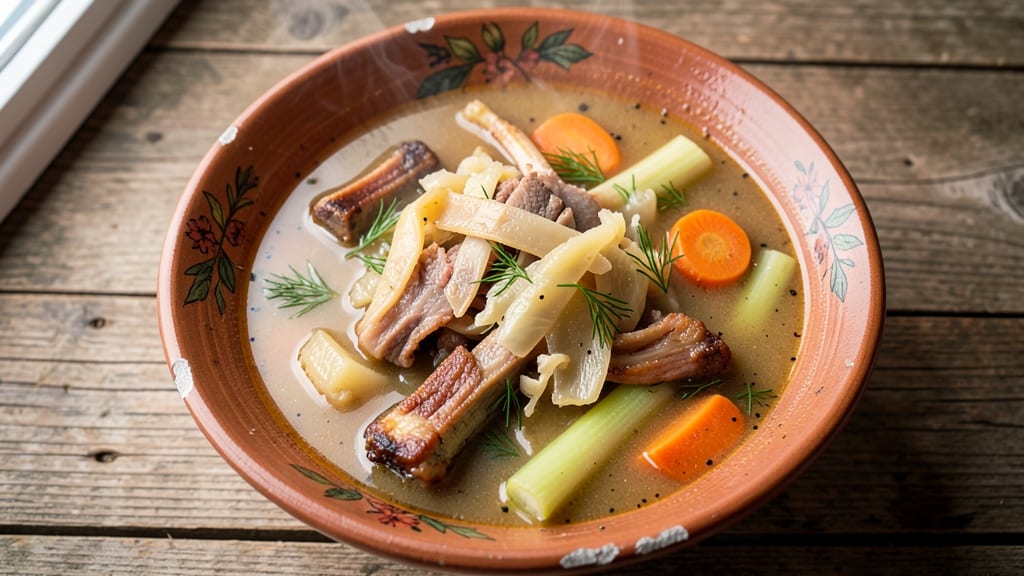
This Czech tripe soup recipe delivers the deep, spiced comfort of Central European tradition in every steaming bowl. The secret lies in slow-cooked tripe and pork, simmered with onions, caraway, and bay leaf until the broth becomes rich and fragrant—exactly what warms you from the inside out.
I first made this during a winter trip to Prague, where it became a staple in local taverns, and now it’s my go-to for hearty, satisfying meals.
The preparation starts with properly cleaning and soaking the tripe—a process that removes impurities and ensures tender texture. Pork bones and vegetables form the flavorful base, while sauerkraut adds tangy depth and fresh herbs brighten the final dish.
This isn’t just soup; it’s a foolproof method for transforming humble ingredients into a restaurant-worthy bowl that feels like home.
By the time you’re done, you’ll have a deeply aromatic soup with tender tripe, savory broth, and a perfect balance of spices. The traditional garnishes—pickles, fresh parsley, and a sprinkle of black pepper—elevate it further, making every spoonful a taste of Czech comfort.
Perfect for cold evenings or when you crave something truly satisfying.
Authentic tripe sourcing is key—look for fresh, high-quality cuts from butcher shops or specialty markets. This recipe serves four to six, with leftovers tasting even better the next day. Let’s get cooking!
Ingredients for czech tripe soup
A rich blend of tripe, pork, and spices creates this hearty Czech comfort bowl.
| Ingredient | Amount | Notes |
|---|---|---|
| Beef Tripe (Cleaned) 🥩 | 2 lb | Fresh, high-quality cuts preferred |
| Pork Rib Bones 🐷 | 1 lb | With meat attached for richness |
| Yellow Onions 🧅 | 3 whole | Thinly sliced for sweetness |
| Sauerkraut 🥬 | 1 ½ cups | Rinsed and drained well |
| Carrots 🥕 | 3 whole | Diced for texture and sweetness |
| Celery Stalks 🌿 | 3 whole | Chopped for depth of flavor |
| Bay Leaves 🍃 | 2 whole | Fresh for aromatic depth |
| Dried Caraway Seeds 🌶️ | 1 tbsp | Toasted for stronger flavor |
| Parsley Leaves 🌿 | ½ cup | Chopped for garnish |
| Dill Pickles 🥒 | 1 cup | Chopped for tangy crunch |
| Salt 🧂 | 1 ½ tsp | Kosher or sea salt |
| Black Peppercorns 🌶️ | 1 tsp | Freshly ground preferred |
| Water 💧 | 12 cups | For simmering broth |
| Apple Cider Vinegar 🍎 | 1 tbsp | For brightness and preservation |
The tripe is the soul of this dish, so sourcing matters. Butcher shops or specialty markets are your best bet for fresh, high-quality cuts—look for cleaned beef tripe with a smooth texture, not slimy or discolored. The pork rib bones should have visible meat attached; Costco or local farmers' markets often carry these. If you can't find cleaned tripe, soak raw tripe in cold water with vinegar for 4-6 hours to remove impurities, then simmer for 2 hours to tenderize. The sauerkraut should be rinsed well to reduce saltiness, but keep some for authentic tang.
Dried caraway seeds are essential—toast them in a dry pan for 30 seconds to wake up their flavor before adding to the broth. No sauerkraut? Fermented cabbage or kimchi works in a pinch, though the flavor will differ slightly. Fresh parsley is ideal, but dried parsley at half the amount gets you close. For the pickles, dill or bread-and-butter varieties add the best crunch. If you're short on time, pre-chopped pickles from the deli section save minutes without sacrificing quality.
This soup tastes even better the next day as flavors meld. Store in an airtight container in the fridge for up to 5 days, or freeze portions for 3 months. The tripe and bones can be prepped ahead—simmer the broth base for 4 hours, then refrigerate until ready to cook the tripe. Garnish with fresh parsley and pickles just before serving to keep them crisp. Serve with crusty bread to soak up the rich broth, and always have a sprinkle of black pepper ready—it’s the perfect finishing touch.
Why You'll Love This Recipe
- Let’s be real: tripe isn’t cheap, but a pound of pork rib bones and a few veggies turn it into something special without breaking the bank. Plus, the broth base can be prepped ahead and frozen, so you’re not starting from scratch every time. It’s the kind of recipe that feels indulgent but won’t drain your wallet—perfect for when you want to treat yourself without the guilt.
- One-Pot Magic: Honestly, this soup is the kind of dish where you throw everything into one pot and forget about it—except for the amazing aroma wafting through your kitchen. The tripe and pork rib bones do all the heavy lifting while you prep the onions, carrots, and celery, so cleanup is basically just rinsing a pot and tossing the bones. That’s right, no scrubbing pans or dealing with a million dishes.
- Tangy Umami Bomb: Between the sauerkraut’s funky fermented kick, the dill pickles’ sharp crunch, and the caraway seeds’ earthy warmth, this soup hits all the right notes—rich, tangy, and just a little bit complex. The apple cider vinegar ties it all together, making every spoonful feel like a little flavor party in your mouth. Trust me, the contrast is chef’s kiss.
- Feeds a Crowd (or Your Cravings): This soup stretches so far—one pot makes enough for a family dinner, leftovers for lunch, or even a cozy night in with takeout friends. And if you’re like me, you’ll want seconds anyway. The tripe gets tender, the broth deepens, and the pickles and parsley keep it from getting too heavy. It’s the kind of dish that disappears fast, so make extra.
Step-by-step instructions for Czech tripe soup
This method delivers a rich, aromatic broth with tender tripe and vibrant vegetables.
Prepare the Tripe and Bones
Rinse the 2 lb beef tripe (cleaned) thoroughly under cold water to remove any remaining impurities. Cut it into 1-inch wide strips using a sharp knife—this size ensures even cooking without toughness. For the 1 lb pork rib bones, remove any excess meat from the bones and set aside for later use.
In a large stockpot, combine the tripe strips and pork rib bones with the 12 cups water. Bring to a boil over high heat, then immediately reduce to a gentle simmer. Skim off any foam that rises to the surface during the first 10 minutes—this ensures a clear, clean broth. The tripe will release impurities initially, so this step is crucial for clarity.
Build the Flavor Base
While the tripe simmers, peel and thinly slice the 3 yellow onions into ¼-inch strips. Dice the 3 carrots and chop the 3 celery stalks into ¼-inch pieces. Add these vegetables to the pot along with the 2 bay leaves and 1 tbsp dried caraway seeds. Stir gently to combine, then add the 1½ tsp salt and 1 tsp black peppercorns. Let the mixture simmer uncovered for 1 hour, maintaining a gentle bubble—this allows the flavors to meld without boiling over.
Here’s the thing—don’t rush this step. The slow simmer breaks down the connective tissue in the tripe and bones, creating a deeply flavorful broth. You’ll notice the liquid darkens slightly as it develops richness. The caraway seeds will release their earthy aroma, and the bay leaves will infuse subtle herbal notes.
Add Sauerkraut and Acid Balance
After 1 hour, drain the 1½ cups sauerkraut, pressing it gently in a colander to remove excess liquid. Rinse briefly under cold water to mellow its sharpness, then add it to the pot. Stir in the 1 tbsp apple cider vinegar—this brightens the broth and balances the deep umami flavors. Simmer uncovered for another 30 minutes to allow the sauerkraut to soften and absorb the broth’s essence.
The vinegar might seem like a small addition, but it’s essential. It cuts through the richness of the tripe and bones, adding a subtle tang that enhances the overall harmony of the soup. The sauerkraut will break down slightly, releasing its fermented flavors into the broth.
Finish with Pickles and Fresh Herbs
Chop the 1 cup dill pickles into ¼-inch chunks and add them to the pot. Simmer for an additional 20 minutes to infuse their tangy crunch into the broth. Remove the pot from heat and discard the pork rib bones and bay leaves. Stir in the ½ cup chopped parsley leaves—this adds a fresh, bright finish that balances the deep flavors.
Taste the broth and adjust seasoning if needed. The soup should be rich but not overly salty, with a balance of tangy, savory, and herbal notes. The pickles add a delightful contrast, making each spoonful vibrant and complex.
Pro Tips For Making Czech Tripe Soup
- Toast Those Caraway Seeds: I used to skip toasting the caraway seeds because it seemed like extra work—until I tasted the difference. Dry-toast them in a small pan for 30 seconds until fragrant before adding to the pot. That extra step unlocks their full nutty depth, making the broth taste like a proper Czech kitchen.
- Rinse Sauerkraut Right: The recipe says to rinse the sauerkraut, but don’t overdo it—just a quick cold-water dip to soften the acid. I once drowned mine, and the soup turned bland. Press it in a colander for 10 seconds, then pat dry. That’s all it takes to keep the tang without washing away the flavor.
- Skim Like Your Life Depends On It: The first 10 minutes of simmering are your only chance to get a clear broth. Use a fine-mesh skimmer and work fast—don’t let the foam sit. I learned this the hard way when my soup ended up cloudy and bitter. A little elbow grease now saves you from regret later.
- Prep the Tripe Strips First: Cut the tripe into 1-inch strips before adding it to the pot—don’t wait until you’re knee-deep in broth. It’s easier to handle cold and clean, and you’ll avoid the messy business of slicing wet tripe mid-cook. Trust me, your knife will thank you.
Creative variations of czech tripe soup
Bohemian-Style Twist
Add 1 tbsp poppy seeds to the broth during the 1-hour simmer with vegetables for a traditional Bohemian touch. The seeds add a nutty depth that pairs beautifully with the caraway and sauerkraut.
I like to toast them lightly in a dry pan first for extra aroma—just 30 seconds over medium heat. This variation is especially popular in rural Czech villages, where poppy seeds were historically used to balance the richness of meats. 🌟
Spicy Morava Variant
For a fiery kick, stir in ½ tsp ground marjoram and ¼ tsp cayenne pepper with the caraway seeds during the initial simmer. The marjoram complements the caraway while the cayenne adds subtle heat that lingers.
I recommend using Penzeys cayenne for consistent spice levels. This Moravia-inspired version became a favorite at local markets where vendors would adjust heat to customer preference. 🌶️
Vegetarian Adaptation
Replace the tripe and pork bones with 2 cups mushrooms (cremini or portobello) and 1 lb smoked tofu cut into cubes. Simmer the mushrooms in the broth for 45 minutes before adding the tofu for the last 20 minutes.
The smoked tofu mimics the pork’s richness while mushrooms absorb the deep flavors. I use House Foods smoked tofu for best results—it’s pre-seasoned with a subtle saltiness that works perfectly. This version keeps all the soulful flavors without meat. 🌱
Winter Root Vegetable Boost
Add 1 large parsnip and 1 small turnip diced alongside the carrots and celery. These winter vegetables add natural sweetness and creaminess to the broth. I like to roast them lightly at 400°F for 15 minutes before adding to the pot for extra depth.
The parsnips soften beautifully during the long simmer, while the turnip provides a slight earthiness that balances the tangy pickles. This seasonal variation feels like a true Czech winter dish. ❄️
Smoked Paprika Infusion
For a smoky dimension, toast 1 tsp smoked paprika in the dry pan with the caraway seeds, then add it to the pot with the vegetables. The smokiness enhances the pork bones' natural richness without overpowering the broth. I recommend Adobo smoked paprika for its balanced sweetness and depth.
This technique became popular in Czech-American communities where smoked flavors were adapted from BBQ traditions. The result is a broth with layers of complexity that make each spoonful feel special. 🔥
Nutrition facts
Frequently asked questions
Why does the recipe call for skimmed sauerkraut?
The sauerkraut needs to be well-drained and rinsed briefly to reduce its saltiness while keeping the fermented tang. This balances the richness of the tripe and pork bones without overpowering the broth. A little excess liquid left in the sauerkraut can make the soup too watery, so pressing it gently in a colander is key.
Can I skip the apple cider vinegar?
While the soup will still taste delicious, the vinegar is essential for balancing the deep umami flavors from the tripe and pork. It adds brightness and helps preserve the dish. If you omit it, the broth might taste overly heavy. Try a splash of lemon juice as a substitute if needed.
How do I know when the tripe is fully cooked?
The tripe is ready when it becomes tender and easily pierces with a fork—about 1.5 to 2 hours of simmering after adding the vegetables. Overcooking can make it mushy, so keep an eye on it during the final 30 minutes. The broth should also have a rich, dark hue with no visible impurities.
What’s the best way to reheat leftovers?
Gently warm the soup on the stove over low heat, stirring occasionally to prevent sticking. Avoid high heat, which can make the tripe tough or the broth split. For extra creaminess, stir in a splash of broth or a pat of butter at the end. Reheated soup tastes even better the next day!
Can I use frozen tripe instead of fresh?
Frozen tripe works but requires extra prep—thaw it overnight in the fridge and rinse thoroughly to remove excess ice crystals. Simmer it for an additional 20 minutes to ensure tenderness. Fresh tripe yields the best texture, but frozen is a practical alternative when fresh isn’t available.