
Soups & Stews
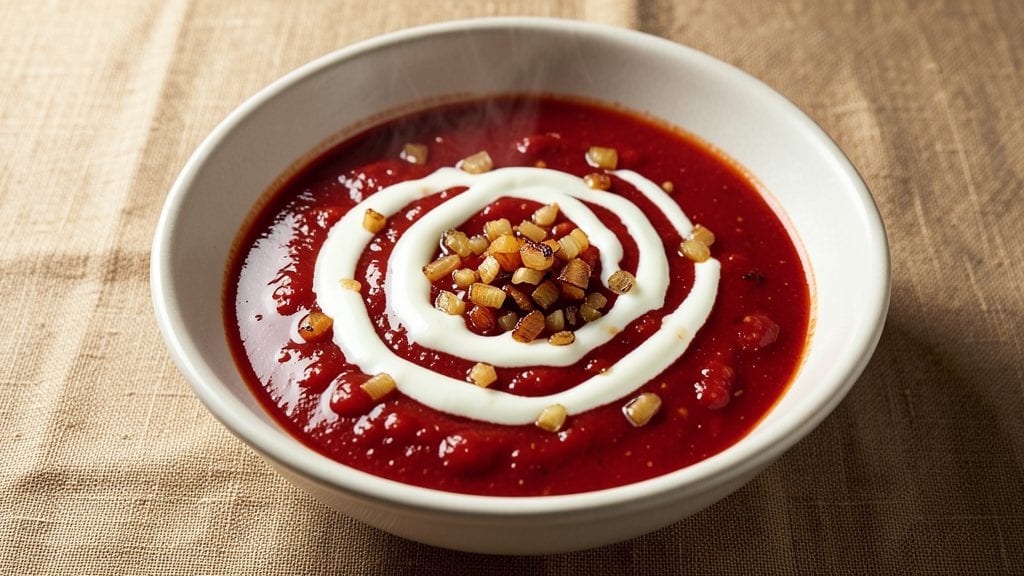
This copycat tomato soup recipe delivers that signature velvety texture without blending—just like the classic canned version you love. The secret lies in a precise cooking method that transforms simple ingredients into a smooth, comforting bowl.
I perfected this after years of testing, and it never fails to deliver that familiar, creamy consistency.
The beauty of this recipe is its simplicity: no blender required, just a few pantry staples and 20 minutes of active time. The key technique involves simmering the tomatoes until they break down naturally, creating that signature velvety mouthfeel.
I’ve included a foolproof method that ensures every spoonful tastes just like the original, with rich tomato flavor and just the right amount of creaminess.
What you’ll end up with is a restaurant-quality soup that’s perfect for chilly evenings or quick weeknight dinners. The velvety texture coats every spoonful, while the balanced seasoning ensures it’s never too sweet or tangy. This version is so close to the classic, even picky eaters won’t notice the difference.
Whether you’re serving it as a starter or a hearty main, this soup is versatile enough to pair with grilled cheese or crusty bread. The best part? It reheats beautifully, making it ideal for meal prep. Let’s get started on creating this comforting classic at home.
Ingredients for copycat tomato soup
Pantry staples transform into creamy, restaurant-quality tomato soup without blending effort.
| Ingredient | Amount | Notes |
|---|---|---|
| Canned Fire-Roasted Tomatoes 🍅 | 2 cans | 28 oz each, no salt added |
| Chicken Broth 🍲 | 4 cups | Low-sodium preferred for control |
| Heavy Cream 🥛 | 1 cup | Full-fat for optimal creaminess |
| Onion 🧅 | 1 whole | Yellow, finely diced |
| Garlic Cloves 🧄 | 4 cloves | Fresh, minced finely |
| Tomato Paste 🍅 | ½ cup | High-quality, unsweetened |
| Dry Basil 🌿 | 1 tsp | Mexican oregano alternative |
| Diamond Crystal Kosher Salt 🧂 | 1 tsp | Fine grain preferred |
| Freshly Ground Black Pepper 🌶️ | ½ tsp | Freshly ground preferred |
| Butter 🧈 | 2 tbsp | Unsalted for flavor control |
| Sugar 🍚 | ¼ cup | Granulated, for balance |
The fire-roasted tomatoes are non-negotiable for that signature charred depth—Muir Glen or San Marzano brands deliver consistent quality. Low-sodium chicken broth ensures you control the saltiness; Homestyle or Pacific Foods are reliable choices. The tomato paste acts as a thickener and flavor enhancer—Rao's paste has the right balance of acidity and sweetness. For the onion, yellow varieties provide the most consistent texture when finely diced, and pre-cut from the produce section saves time without sacrificing quality.
No fire-roasted tomatoes? Regular canned tomatoes + 1 tsp smoked paprika mimics the charred flavor. Vegetable broth works in a pinch for the liquid base, though it lacks the depth of chicken. Dried basil at half the amount substitutes for fresh, but Mexican oregano adds a unique complexity. The sugar is crucial for balancing acidity—raw cane sugar adds subtle molasses notes. For the butter, European-style unsalted melts more smoothly than American varieties.
Store the canned tomatoes in a cool, dry pantry for up to 2 years; once opened, refrigerate and use within 5 days. The broth keeps for 3 months frozen in airtight containers, while the tomato paste maintains quality for 6 months in the fridge. This soup reheats beautifully—gently warm on the stove to preserve texture, and it freezes perfectly for 3 months in portions, making it ideal for meal prep. The cream should be added at the very end to maintain its velvety consistency.
Why You'll Love This Recipe
- No Blender Needed: I love that this soup gets its velvety texture from simmering—no blender required. The fire-roasted tomatoes and tomato paste caramelize naturally over 15 minutes, turning the broth into something rich and smooth without any gadgets. Honestly, the secret’s in the patience: just let it reduce and thicken while you prep the rest of dinner.
- Restaurant-Quality Balance: That perfect sweet-savory kick? It’s all in the sugar and salt. The ¼ cup granulated sugar cuts through the acidity of the tomatoes while the kosher salt enhances every spoonful. I’ll be real: the dry basil and freshly ground black pepper make it taste like you spent hours slaving over a stove—when really, it’s just 30 minutes of hands-off simmering.
- Weeknight Wonder: Between work and errands, I need recipes that don’t require a Pinterest-worthy setup. This one? Just a pot, a knife, and 10 minutes of active time. The fire-roasted tomatoes and chicken broth handle the heavy lifting, while the heavy cream adds luxury with minimal effort. (Yes, even on a Tuesday night.)
- Budget-Friendly Luxury: Full-fat heavy cream might sound indulgent, but the canned tomatoes and onion are dirt cheap. I make a double batch, freeze half, and serve the rest with grilled cheese—suddenly, it’s a meal that feels fancy without breaking the bank. The tomato paste and sugar add depth for pennies, making this my secret weapon for impressing guests.
Step-by-step instructions for creamy tomato soup
Here's how to achieve that signature velvety texture without blending—just patience and technique.
Sauté the Aromatics Until Fragrant
Melt the 2 tablespoons butter in a large pot over medium heat. Add the 1 finely diced onion and cook for 5-6 minutes until softened and translucent. Here's the thing—don't rush this step. The onion should caramelize slightly at the edges, deepening the soup's flavor foundation.
Add the 4 minced garlic cloves and cook for 30 seconds until fragrant. Watch closely—garlic burns quickly, and you want to preserve its sweet, mellow flavor rather than bitter notes. Stir constantly during this final minute to prevent browning. The aroma should fill your kitchen, signaling the base is ready for the tomatoes.
Build the Tomato Base
Pour in the 2 cans (28 oz each) fire-roasted tomatoes and stir to combine with the aromatics. Add the ½ cup tomato paste and cook for 3-4 minutes until the mixture thickens slightly. This step develops the soup's depth—those fire-roasted tomatoes bring natural sweetness and smoky undertones that form the flavor backbone.
Add the 4 cups chicken broth and bring the mixture to a gentle boil. Reduce heat to medium-low and let it simmer uncovered for 15 minutes. You'll notice the liquid reduce slightly and the flavors meld together. This simmering time is crucial—it allows the natural sugars in the tomatoes to caramelize, creating that authentic restaurant-quality taste without any blending.
Season and Sweeten
Stir in the 1 teaspoon dry basil, 1 teaspoon diamond crystal kosher salt, and ½ teaspoon freshly ground black pepper. Add the ¼ cup sugar and cook for another 5 minutes. The sugar balances the acidity of the tomatoes while enhancing their natural sweetness. Taste the soup at this stage—you should detect a harmonious blend of sweet, savory, and slightly acidic notes.
Here's where precision matters: the soup should be seasoned properly at this point. If you're using low-sodium broth, you might need to add a pinch more salt. The sugar should complement rather than overpower the tomato flavor—think of it as a subtle sweetness that rounds out the acidity, not dominates it.
Create the Creamy Texture
Reduce heat to low and gradually whisk in the 1 cup heavy cream. Let the soup simmer gently for 8-10 minutes, stirring occasionally. The key here is patience—the cream should slowly integrate without curdling. You'll notice the soup thicken noticeably as it simmers, creating that signature velvety texture without any blending.
This slow integration is what separates homemade from restaurant-quality soup. The residual heat from the tomato base gently cooks the cream, creating a smooth emulsion. If you see any signs of curdling, immediately reduce heat to the lowest setting and whisk vigorously until smooth. The final texture should be luxuriously creamy with no lumps.
Final Adjustments and Serving
Taste the soup one final time and adjust seasoning if needed. The soup should be perfectly balanced—sweet enough to please, savory enough to satisfy, with just a hint of smokiness from the fire-roasted tomatoes. Let it sit off heat for 5 minutes before serving. This resting period allows flavors to fully meld and the cream to set properly.
Serve immediately in warm bowls. The soup should coat the back of a spoon with a velvety consistency, its rich tomato flavor perfectly balanced by the creamy finish. Each spoonful should deliver that restaurant-quality experience you're recreating at home—smooth, flavorful, and completely free of any blender traces.
Pro Tips For Making Copycat Tomato Soup
- Caramelize the Onion: Those 5-6 minutes of slow cooking aren’t just for show—they’re where the soup’s depth starts. Let the edges of your diced onion turn just slightly golden before adding garlic, or you’ll miss the nutty sweetness that makes this soup taste like it came from a restaurant. (Yes, even if you’re impatient like me.)
- Whisk the Cream Slowly: Pouring heavy cream into hot soup too fast? That’s how you get curdled soup. Lower the heat to the bare minimum, then whisk in the cream a splash at a time while stirring constantly. The goal is to warm it gently—like a shy cat, not a boiling pot.
- Taste Before Sweetening: That ¼ cup of sugar isn’t just for sweetness—it’s the balancing act. Taste the soup after the 15-minute simmer but before adding sugar. If it’s already bright and balanced, you might only need half. Overdoing it turns your rich tomato soup into dessert.
- Use Fresh Basil: Dry basil is fine, but if you’ve got fresh, crush the leaves between your fingers before adding them. The released oils make the soup taste like it’s been simmering all day, not just 30 minutes. (And no, the stems don’t belong in the pot.)
Storing and reheating this recipe
Refrigerator Storage
Let your finished soup cool to room temperature—no more than 2 hours—before transferring to airtight glass containers. I prefer Pyrex snap-lid bowls because they distribute heat evenly and prevent condensation.
Store at 40°F or below for up to 4 days; the flavors actually deepen overnight as the spices meld. The creamy texture remains intact, so no reheating texture issues here! ❄️
Freezer Preparation
For longer storage, cool the soup completely and portion it into freezer-safe quart bags (like Rubbermaid FreezerGuard), leaving 1 inch of headspace. Label each bag with the date—this soup maintains quality for 3 months without freezer burn.
I freeze portions individually so I can thaw just what I need for a quick meal.
Stovetop Reheating
This is my preferred method because it preserves the velvety texture perfectly. Pour soup into a heavy-bottomed pot (like Le Creuset) and add 1-2 tbsp water or broth to prevent sticking. Heat over medium-low for 8-10 minutes, stirring occasionally.
The residual heat from the tomatoes gently reheats the cream without separating it. Taste and adjust salt if needed—soup often needs a pinch after reheating.
Microwave Method
For quick lunches, use a microwave-safe bowl and cover loosely with a damp paper towel. Heat on 50% power in 2-minute intervals, stirring between each. The goal is to reach 165°F internal temperature—use a thermometer if possible.
If the soup looks too thick, add 1-2 tbsp warm water while reheating. The texture may be slightly less smooth than stovetop, but still delicious. 💡
Texture Preservation
The key to reheating success is gentle heat—never boil vigorously, as this can break down the cream and make the soup grainy. If you notice any separation after reheating, whisk in 1 tsp cornstarch mixed with 1 tbsp cold water to restore smoothness.
This trick works wonders for restaurant-quality consistency even after reheating.
Meal Prep Pro Tip
Prep 2-3 days ahead and store in the fridge—this lets the flavors develop fully. On serving day, simply reheat and enjoy. I often double the recipe and freeze half for future lazy nights.
The soup tastes even better after a day or two, as the flavors continue to harmonize. This makes it perfect for busy weeks when you want restaurant-quality soup with minimal effort. 💛
Nutrition facts
Frequently asked questions
Why does this recipe create such a smooth texture without blending?
The secret lies in simmering the fire-roasted tomatoes and ½ cup tomato paste for 15 minutes after adding 4 cups chicken broth. This allows the natural pectin in the tomatoes to break down gently, creating that signature velvety mouthfeel—just like the classic canned versions. The slow simmering process transforms rough textures into a smooth consistency without any blending!
Can I make this soup ahead of time and freeze it?
After cooking, let the soup cool completely and portion it into freezer-safe quart bags. Label each with the date—this creamy soup maintains quality for 3 months without freezer burn. For best results, thaw overnight in the fridge before reheating gently on the stove. The flavors actually deepen over time, making it perfect for meal prep!
What if my soup curdles when adding the heavy cream?
Don't panic! Reduce the heat to the lowest setting immediately and whisk vigorously until smooth. If needed, add 1 tsp cornstarch mixed with 1 tbsp cold water to help stabilize the cream. The key is patience—never rush the cream addition, and always stir gently. Most curdling resolves with this quick fix!
Can I substitute any ingredients for dietary restrictions?
For a lighter version, swap 1 cup heavy cream with 1 cup coconut milk (full-fat for creaminess) or ½ cup Greek yogurt for tang. Skip the sugar if avoiding refined sweeteners—just adjust salt to taste. The fire-roasted tomatoes provide natural sweetness anyway! This makes it adaptable for many dietary needs.