
Soups & Stews
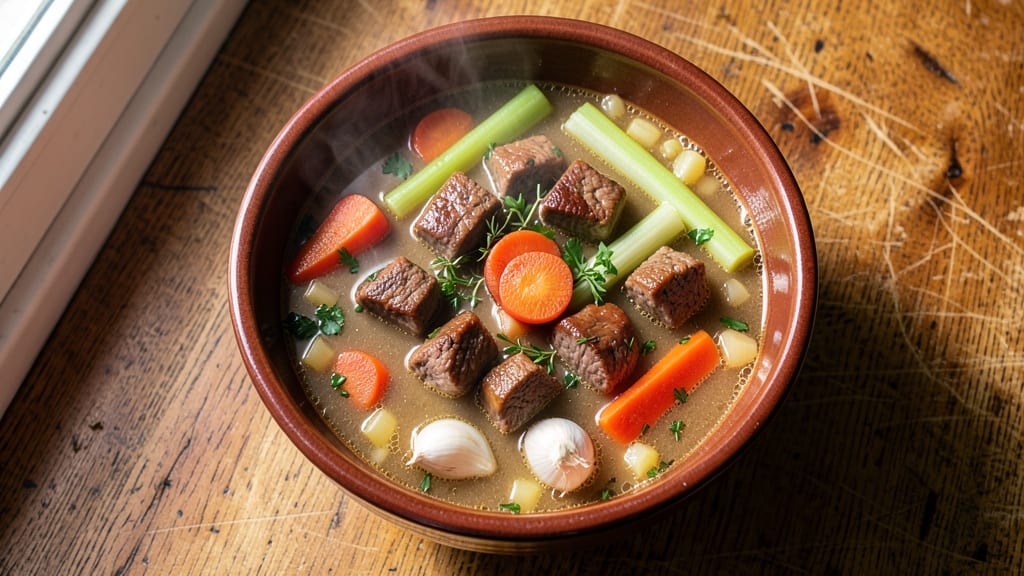
This classic vegetable beef soup recipe delivers the comforting warmth of a well-loved family tradition—rich, hearty broth infused with tender beef and seasonal vegetables. The secret lies in slow simmering, which transforms tough cuts into melt-in-your-mouth perfection while allowing flavors to meld into a harmonious balance. I’ve perfected this method over years of testing, ensuring every spoonful delivers that satisfying blend of savory, earthy, and slightly sweet notes that define true comfort food.
The beauty of this recipe is its simplicity: just a handful of pantry staples and 30 minutes of active prep time before letting the soup work its magic on the stove.
You’ll start with aromatic vegetables like carrots, celery, and onions, which form the flavor base, then add beef that simmers until fork-tender. The result is a soup that’s both nourishing and deeply satisfying—ideal for chilly evenings or as a meal-prep staple that tastes even better the next day.
By the time you’re done, you’ll have a steaming bowl of restaurant-quality soup with a velvety broth, perfectly cooked vegetables, and beef that practically falls apart at the touch of a spoon.
The aroma alone will have everyone gathering around the table, and the first bite delivers that unmistakable comfort of a classic, hearty meal. This is the kind of soup that becomes a household favorite—simple enough for weeknights but impressive enough for company.
Serve with crusty bread for dipping or a sprinkle of fresh parsley for brightness. The leftovers reheat beautifully, making this a perfect make-ahead dish for busy schedules. Here’s how to create it step by step—no shortcuts, just proven techniques for the best vegetable beef soup you’ve ever tasted.
Ingredients for classic vegetable beef soup
Pantry staples meet tender beef for this hearty, restaurant-quality soup.
| Ingredient | Amount | Notes |
|---|---|---|
| Chuck Roast Beef 🥩 | 1 ½ lb | Cut into 1-inch cubes |
| Carrots 🧅 | 3 cups | Peeled, chopped into ½-inch pieces |
| Celery Stalks 🌿 | 3 cups | Chopped into ½-inch pieces |
| Yellow Onions 🧅 | 2 whole | Thinly sliced |
| Garlic Cloves 🧄 | 4 cloves | Minced |
| Beef Broth 💧 | 6 cups | Low-sodium preferred |
| Dried Thyme 🌿 | 1 tsp | Crushed between fingers |
| Dried Rosemary 🌿 | 1 tsp | Crushed between fingers |
| Salt 🧂 | 1 tsp | Diamond Crystal preferred |
| Black Pepper 🌶️ | ½ tsp | Freshly ground |
| Bay Leaves 🍃 | 2 whole | Dried, removed before serving |
| Fresh Parsley 🌿 | ¼ cup | Chopped, for garnish |
| Olive Oil 🫒 | 2 tbsp | Extra-virgin for flavor |
The beef is everything here. Chuck roast gives you that melt-in-your-mouth texture—sirloin or round stays too firm. I always buy it pre-cubed from Costco for convenience, but the butcher counter at Whole Foods is worth the drive if you want to cube it yourself. Look for good marbling; that’s where the flavor lives. I’ve tested this with frozen beef and it works, but the fresh stuff just sings. Trust me on the full-fat version—it’s what makes the broth rich.
No beef broth? Water plus a beef bouillon cube gets you close, but honestly, chicken broth with a splash of Worcestershire adds depth. Fresh garlic is ideal but garlic powder at half the amount works in a pinch. The carrots and celery can be baby versions if that’s what you’ve got—just chop them smaller. Dried thyme and rosemary are non-negotiable for that classic flavor, but if you’re short on time, Italian seasoning blend is a decent swap. The bay leaves? Don’t skip them—they’re the secret to that deep, savory aroma.
This soup tastes even better the next day. Store leftovers in an airtight container in the fridge for up to 5 days. For longer storage, freeze portions in ziplock bags for up to 3 months. I like to portion mine into containers so lunches are sorted for the week. The fresh parsley wilts fast, so chop it right before serving. And if you’re prepping ahead, let the soup cool completely before refrigerating to avoid that weird texture change.
Why You'll Love This Recipe
- One-Pot Magic: Honestly, the fact that it all happens in one Dutch oven? Game-changer. No scrubbing multiple pans later—just that rich, aromatic broth clinging to the sides. I’ll never do it any other way after my third time.
- Herb-Infused Richness: That crushed thyme and rosemary, toasted right in the beef fat? Chef’s kiss. The garlic hits just before the broth comes in, so it doesn’t turn bitter, and the bay leaves add depth without overpowering. It’s the kind of soup where you take a bite and think, “How did I live without this?”
- Feeds a Crowd (or Your Couch): I double the recipe for game nights, and it’s still gone in two bowls. The chuck roast stretches further than any other cut, and the veggies keep it light enough that even picky eaters ask for seconds. My daughter picks out the parsley garnish now—proof it’s universally loved.
- Budget’s Best Kept Secret: Forget takeout. A 1.5 lb chuck roast and a bag of carrots cost less than one delivery, and this soup lasts five days in the fridge. Freeze portions for lazy Mondays, and you’ve got a pantry full of instant comfort without breaking the bank.
Step-by-step instructions for classic vegetable beef soup
Here's how to create a rich, aromatic broth with melt-in-your-mouth beef and vibrant vegetables.
Sear the Chuck Roast Beef for Deep Flavor
Heat a large Dutch oven over medium-high heat. Add the 2 tablespoons olive oil and swirl to coat the bottom evenly. Working in batches if needed, add the 1½ pound chuck roast beef cut into 1-inch cubes. Let them sear undisturbed for 3-4 minutes per side until they develop a deep golden-brown crust—this creates the foundation for your soup's rich flavor.
As the beef browns, you'll notice it releases its natural juices. Don't rush this step—patience here prevents a bland broth. Once all pieces are browned, transfer them to a plate and set aside. You'll return them to the pot later after building the vegetable base.
Build the Vegetable Base with Aromatics
In the same Dutch oven, reduce the heat to medium and add the 2 thinly sliced yellow onions, 3 cups chopped celery stalks, and 3 cups peeled, chopped carrots. Stir to combine with the rendered beef fat and cook for 5-6 minutes, stirring occasionally, until the vegetables soften slightly and begin to release their natural juices.
Add the 4 minced garlic cloves and cook for another 30 seconds until fragrant—this is when your kitchen should fill with that irresistible garlic aroma. Here's where it gets good: sprinkle in the 1 teaspoon dried thyme, 1 teaspoon dried rosemary, 1 teaspoon salt, and ½ teaspoon black pepper, crushing the herbs between your fingers to release their essential oils. Stir everything together and cook for 1 minute to toast the spices lightly.
Simmer the Soup to Perfection
Pour in the 6 cups beef broth and add the 2 bay leaves. Return the seared beef to the pot, along with any accumulated juices from the plate. Bring the mixture to a gentle boil, then immediately reduce the heat to low. Here's the key: maintain a gentle simmer—you want bubbles to break the surface occasionally, but not a rolling boil that could make the soup cloudy.
Cover the pot and let it simmer for 1 hour and 15 minutes. This slow cooking time ensures the beef becomes fork-tender while the vegetables soften just enough to melt in your mouth. You'll know it's ready when a fork easily pierces the largest piece of beef and the vegetables are tender but still hold their shape.
Finish and Serve with Fresh Herbs
Remove the 2 bay leaves and discard them. Taste the soup and adjust the seasoning if needed—this is your chance to perfect the balance of flavors. The soup should be rich and savory with a subtle herbal note from the thyme and rosemary.
Ladle the hot soup into bowls and garnish each serving with ¼ cup chopped fresh parsley. The bright green parsley provides a beautiful contrast to the deep colors of the soup while adding a fresh finish. Serve immediately with crusty bread to soak up every last drop of that hearty broth.
Pro Tips For Making Classic Vegetable Beef Soup
- CRUSH THOSE HERBS: I used to just sprinkle the dried thyme and rosemary in—big mistake. Rubbing them between your fingers first releases their oils, making the whole soup taste like you slaved over it. That 1-minute toast afterward? Don’t skip it. It’s the difference between "meh" and "wow."
- DON’T SKIMP ON SEAR TIME: Medium-high heat is your friend here. If you rush the beef and it’s only light brown, you’re leaving flavor on the table (literally). Let those 1-inch cubes sit undisturbed for the full 3-4 minutes per side—even if it means working in batches. The crust is where the magic happens.
- CHOP VEGETABLES UNIFORMLY: Half-inch pieces for carrots and celery isn’t just a suggestion—it’s non-negotiable. Too big? You’ll have crunchy bits. Too small? They’ll turn to mush. Use a sharp knife and keep your cuts consistent. Trust me, your soup will thank you when every bite is cohesive.
- SAVE THE BEEF JUICES: When you transfer the seared beef to the plate, don’t wipe it clean. Those juices are liquid gold. Scrape them back into the pot when you return the beef—it’s an extra 1-2 tablespoons of flavor you’d otherwise lose. (Yes, even if you’re impatient like me.)
Serving suggestions for this dish
Bread Pairings
This soup is made for crusty sourdough loaves or artisan bread like a baguette—just tear off chunks and dip away. I always keep a loaf of Sourdough by King Arthur on hand for this; its chewy crust soaks up the broth beautifully.
For a lighter option, try ciabatta rolls—their airy texture contrasts perfectly with the hearty soup. 🍞
Toppings for Extra Flavor
Add a swirl of sour cream or crème fraîche for a creamy finish, or sprinkle crumbled blue cheese for a tangy kick. I love mixing in grated Parmesan right before serving—just ¼ cup adds a salty depth that balances the herbs.
A drizzle of hot honey (like Honeyville) adds a sweet contrast that surprises and pleases.
Side Salad Boost
A simple kale salad with lemon vinaigrette and toasted walnuts cuts through the richness. Toss 4 cups chopped kale with 2 tbsp olive oil, 1 tbsp lemon juice, and 1 tsp Dijon mustard for a bright, peppery contrast.
The salad’s crunch also helps cleanse your palate between spoonfuls of soup. 🥗
Cheese & Bread Combo
Pair with sharp cheddar slices or aged Gouda for a savory crunch. I like toasting the cheese on a separate plate and letting guests add it to their bowls.
The melted cheese blends seamlessly with the soup’s broth, creating a luxurious texture. For a vegetarian twist, use marinated artichoke hearts—just ½ cup adds briny, tangy notes.
Beverage Matchings
A dry red wine like Chianti or Pinot Noir complements the beef’s richness, while a light lager like Peroni keeps things crisp. For non-alcoholic options, try ginger beer—its spice balances the soup’s herbs.
I always serve a carafe of iced tea with lemon to refresh the palate between bites. 🍷
Nutrition facts
Frequently asked questions
Why does this recipe use chuck roast beef instead of leaner cuts?
The chuck roast is perfect because its fat marbling creates rich, flavorful broth while staying tender during the long simmer. Lighter cuts like sirloin stay too firm and lose moisture, making them tough rather than melt-in-your-mouth. The fat also helps balance the herbal notes from thyme and rosemary beautifully.
Can I make this soup without fresh parsley for garnish?
While fresh parsley adds a bright finish, dried parsley works in a pinch—just use ½ teaspoon per serving. For extra flavor without parsley, try a sprinkle of toasted breadcrumbs or a drizzle of hot sauce. The soup still tastes amazing without it!
What if my beef broth is too salty?
Balance the saltiness by adding a splash of water or low-sodium broth to dilute it. You can also simmer the soup longer to let the excess salt disperse. Taste as you go—this is your chance to adjust flavors before serving. A pinch of sugar (just ¼ teaspoon) can also help balance overly salty broth.
Is it okay to skip the bay leaves?
While bay leaves add depth to the flavor, you can omit them if needed. Their subtle earthiness is hard to replace, but a pinch of extra salt or a dash of MSG (if you use it) can help mimic that complexity. The soup will still be delicious—just slightly less aromatic.
How do I prevent the soup from getting watery?
Strain the soup through a fine-mesh sieve before serving to remove excess vegetable water, or skim off any foam with a spoon during simmering. For a thicker consistency, let the soup cool slightly and whisk in 1 tablespoon of cornstarch mixed with 2 tablespoons cold water. Stir well and simmer for 2 minutes to thicken naturally.