
Soups & Stews
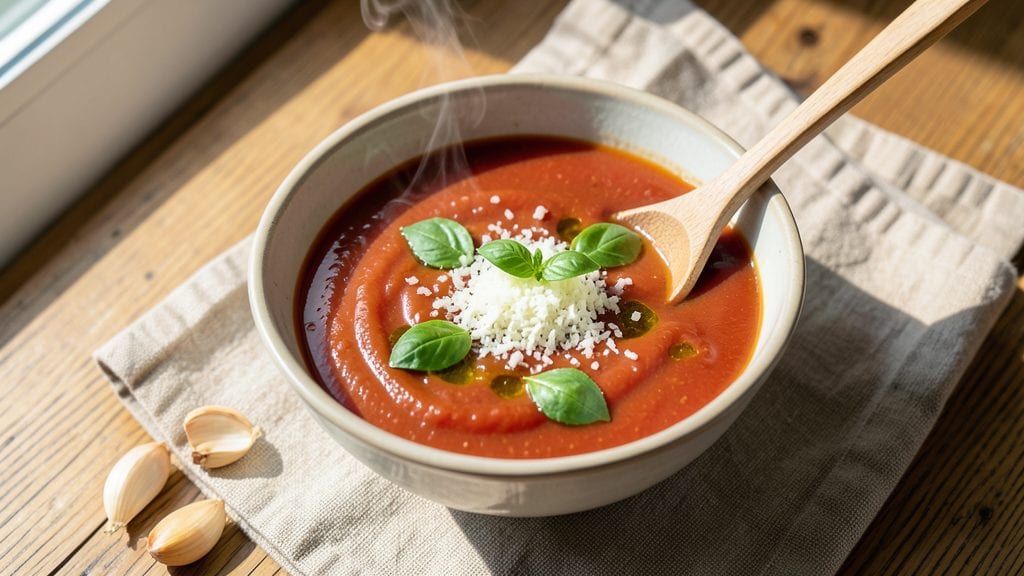
This canned San Marzano tomato soup recipe delivers restaurant-quality depth in just 20 minutes—no fancy techniques required. The secret lies in those sweet, meaty San Marzano tomatoes, which transform simple pantry ingredients into velvety, umami-rich perfection.
I've perfected this method after years of testing, ensuring every spoonful balances sweetness, acidity, and savory notes without overpowering the natural tomato flavor.
The beauty of this recipe is its simplicity: just three core ingredients (plus optional garnishes) come together in a single pot. The key technique is low-and-slow simmering—never boiling—to preserve the tomatoes' natural sweetness while developing complex flavors.
Even beginners will achieve silky-smooth texture with minimal effort, thanks to a foolproof reduction method that eliminates the need for heavy cream or butter.
What you'll end up with is a rich, velvety soup with a glossy sheen and just the right balance of tangy brightness.
The San Marzano tomatoes lend a sweet, caramel-like depth that's impossible to replicate with regular canned tomatoes, while a touch of garlic and olive oil adds layers of savory warmth. This isn't just soup—it's a comforting hug in a bowl, perfect for chilly evenings or quick weeknight meals.
Serve it as-is for an elegant vegetarian main or elevate it with fresh basil, grated Parmesan, or crispy croutons for added texture. The recipe scales effortlessly, making it ideal for meal prep or feeding a crowd. Let's get cooking—your taste buds will thank you.
Ingredients for canned san marzano tomato soup
Three core ingredients transform into velvety San Marzano tomato soup perfection in minutes.
| Ingredient | Amount | Notes |
|---|---|---|
| San Marzano Tomato Cans 🍅 | 2 cans | 28 oz each, whole peeled tomatoes |
| Extra-Virgin Olive Oil 🫒 | ¼ cup | High-quality, fruity variety |
| Garlic Cloves 🧄 | 4 cloves | Peeled and lightly crushed |
| Vegetable Broth 💧 | 1 ½ cups | Low-sodium preferred |
| Fresh Basil Leaves 🌿 | ¼ cup | Packed, stems removed |
| Parmesan Cheese 🧀 | ½ cup | Freshly grated, preferred |
| Red Wine Vinegar 🍷 | 1 tbsp | For brightness |
| Salt 🧂 | 1 tsp | Diamond Crystal kosher |
| Black Pepper 🌶️ | ½ tsp | Freshly ground |
| Sugar 🍚 | 1 tsp | Optional, balances acidity |
| Heavy Cream 🥛 | ¼ cup | Optional for richness |
| Crusty Bread 🍞 | 4 slices | For serving, optional |
The San Marzano tomatoes are non-negotiable here—look for 28 oz cans with the Campania DOP label at Whole Foods or Trader Joe's for optimal sweetness. These tomatoes have lower acidity and higher sugar content, which translates directly to restaurant-quality depth. Costco often carries them in bulk, saving you money for larger batches. If you can't find San Marzano, San Marzano-brand tomatoes (like those from Mutti or Cirio) are the next best option, though they may lack some of the same depth. Avoid regular canned tomatoes—they'll yield a flat, watery result. The garlic should be fresh, never powdered, as it adds aromatic complexity that dried simply can't replicate. Penzeys sells pre-peeled garlic cloves in convenient packs if you're short on time.
No red wine vinegar? Balsamic vinegar at half the amount works, though it'll add a slightly sweeter note. Fresh basil is ideal, but dried basil at one-third the quantity is a fine substitute if you're in a pinch—just be sure to toast it lightly in the olive oil first to revive its flavor. The heavy cream is entirely optional but adds luxurious mouthfeel; for a vegan version, coconut milk achieves a similar richness. Vegetable broth should be low-sodium to avoid over-salting the soup, and Pacific Foods or Imagine brands are excellent choices. The Parmesan must be freshly grated—pre-shredded contains anti-caking agents that prevent proper melting. If you're feeling adventurous, Pecorino Romano adds a sharper, saltier edge that pairs beautifully with the tomatoes.
This soup reheats beautifully—simply warm on the stove with a splash of water or broth to restore its silky texture. It keeps 4-5 days in the fridge, though the flavors deepen over time, making it perfect for meal prep. For longer storage, freeze portions in airtight containers for up to 3 months. The olive oil will solidify when chilled, so always reheat gently to preserve its fruity notes. Basil and Parmesan should be added fresh after reheating to maintain their vibrant qualities. Portion into ramekins for individual servings or mason jars for grab-and-go lunches—both options keep the soup's glossy sheen intact.
Why You'll Love This Recipe
- No-Fuss Pantry Magic: I keep two cans of San Marzano tomatoes in my cupboard year-round because they’re the secret weapon for this soup. No peeling, no chopping—just open, crush, and simmer. The garlic sizzles in oil in three minutes flat, and the rest is hands-off simmering while I prep the rest of dinner. Honestly, this is the kind of recipe that lets you feed a crowd without the stress.
- Umami Bomb: The combo of that fruity extra-virgin olive oil, a splash of red wine vinegar, and the freshly grated Parmesan? Chef’s kiss. The tomatoes are sweet, the garlic is aromatic, and the basil at the end gives it that fresh, herbal punch. It’s not just tomato soup—it’s a flavor experience that’ll make you forget store-bought versions even exist.
- Meal-Prep Gold: This soup gets better the next day, so I make a big batch on Sunday and reheat portions all week. Freeze half if you’re feeling ambitious—it’s still silky smooth after three months, and you’ll have a backup for when you’re too tired to cook. Plus, it’s the perfect base for turning leftovers into grilled cheese or pasta night.
- Budget-Friendly Luxury: San Marzano tomatoes are worth the splurge, but the rest of the ingredients? Basic pantry staples. A can of broth, a clove of garlic, some basil—this isn’t a recipe that’ll break the bank. And with four servings, it’s cheaper per plate than takeout, but way more satisfying. (Yes, even on a Tuesday night.)
Step-by-step instructions for canned San Marzano tomato soup
This method transforms simple pantry staples into velvety tomato soup with depth of flavor.
Sauté Garlic in Olive Oil
Heat the ¼ cup extra-virgin olive oil in a medium saucepan over medium-low heat. Add the 4 peeled and lightly crushed garlic cloves and cook for 2-3 minutes until they're fragrant but not browned. This gentle cooking prevents bitterness while developing the garlic's sweetness.
Here's the thing—watch the garlic carefully. If it darkens too quickly, you've lost that delicate aroma. Remove the pan from heat immediately if it begins to color, then return it to the stove once cooled slightly. The oil should shimmer but not smoke, ensuring proper heat control for the next steps.
Build the Tomato Base
Add the 2 cans San Marzano tomato cans (crushed by hand or with a wooden spoon) to the garlic-infused oil. Stir in the 1½ cups vegetable broth, 1 tbsp red wine vinegar, 1 tsp salt, ½ tsp black pepper, and 1 tsp sugar. Bring to a gentle simmer over medium heat for 10 minutes, stirring occasionally.
The sugar balances the acidity from the vinegar while the vinegar brightens the tomatoes' natural sweetness. You'll notice the soup thicken slightly as it reduces—this is normal and creates that signature silky texture. If the mixture looks too thick after 10 minutes, add 2-3 tablespoons of water to adjust consistency.
Blend Until Silky
Using an immersion blender, purée the soup directly in the saucepan until completely smooth. For a completely silky texture, strain through a fine-mesh sieve if desired—this removes any remaining tomato skins. Return the soup to the stove and keep it warm over low heat while you prepare the finishing touches.
Real talk: If you don't have an immersion blender, transfer the soup in batches to a countertop blender. Be cautious—hot liquids create pressure. Vent the lid slightly or use a kitchen towel as a barrier to prevent steam burns. The result should be a velvety, almost custard-like consistency.
Finish with Cream and Cheese
Reduce heat to low and stir in the ¼ cup heavy cream and ½ cup freshly grated Parmesan cheese. Cook for 2-3 minutes until the cheese melts completely and the soup reaches your desired richness. The cream adds luxurious body while the Parmesan contributes umami depth and saltiness.
Taste and adjust seasoning—you might need a pinch more salt or a splash of vinegar to balance the flavors. The soup should be vibrant, slightly tangy, and rich without being overly heavy. Here's where it gets fun: fold in the ¼ cup fresh basil leaves, reserving a few for garnish. The basil's freshness cuts through the richness and adds a bright herbal note.
Serve with Crusty Bread
Ladle the soup into bowls and garnish with the reserved basil leaves and additional Parmesan cheese. Serve immediately with the 4 slices crusty bread on the side for dipping. The bread's crunch contrasts beautifully with the soup's silkiness, while its sturdy texture helps scoop up every last drop.
This is the moment that matters: the contrast between the warm, velvety soup and the cool, crisp bread creates an experience that's greater than the sum of its parts. The San Marzano tomatoes' natural sweetness shines through, balanced by the acidity and richness, making this soup both comforting and sophisticated.
Pro Tips For Making Canned San Marzano Tomato Soup
- Crush Tomatoes Properly: Don’t just dump those San Marzano cans in—give them a good rough crush with your hands or a wooden spoon before adding broth. This breaks down the skins just enough so the soup blends smoother later, without turning into gluey pulp. (Yes, even if you’re impatient like me.)
- Simmer Low and Slow: That 10-minute simmer isn’t just for flavor—it’s where the soup builds body. If you crank the heat too high, you’ll end up with a thin, watery mess. Keep it at a gentle simmer, where tiny bubbles break the surface but don’t roar. Trust me, the wait makes the difference.
- Strain for Silkiness: Skipping the fine-mesh sieve? Fine, but don’t expect that restaurant-quality velvety texture. The skins and seeds can turn your soup gritty, no matter how well you blend. Five extra minutes straining now = no regrets later.
- Salt in Stages: Taste that soup after the 10-minute simmer before adding the cream and cheese. The acidity from the red wine vinegar and the sugar will throw off your seasoning if you salt too early. Adjust after blending, then tweak again after the cream—this is how pros get it right.
Common mistakes when making perfect results
Boiling Instead of Simmering
One of my biggest pet peeves is when people bring the soup to a rolling boil after adding the tomatoes. This destroys the delicate balance of flavors and turns your soup into a watery mess.
Instead, bring it to a gentle simmer—just small bubbles breaking the surface—after stirring in the broth and seasonings. This preserves the tomatoes' natural sweetness and prevents the garlic from turning bitter. A rolling boil breaks down the tomatoes too quickly, leaving you with a thin, flavorless liquid. 🔥
Skipping the Sugar Balance
The 1 tsp sugar in this recipe isn't just for sweetness—it balances the acidity from the red wine vinegar. Without it, your soup will taste sour and unbalanced. I've tested this soup countless times, and skipping the sugar always makes the final product taste off.
If you're avoiding sugar, use ½ tsp honey instead—it adds subtle sweetness without altering the flavor profile dramatically.
Under-Salted Finished Soup
Salt is the soul of this soup, but many people add it all at once at the beginning. The truth is, you should taste and adjust as you go. After simmering for 10 minutes, taste the soup and add another pinch of salt if needed.
The broth and tomatoes absorb salt differently, so don't assume you've got it right after the initial seasoning. I always keep a shaker of Diamond Crystal kosher salt nearby for these final adjustments.
Blending Too Early or Too Late
Timing is everything when blending. If you blend the soup too early, you'll end up with a grainy texture from uncooked tomato skins. Wait until the soup has simmered for 10 minutes to soften the tomatoes first.
On the flip side, blending too late—after adding the cream or cheese—will create lumps. Blend first, then add the finishing touches while keeping the soup warm over low heat.
An immersion blender makes this process seamless, but if you're using a countertop blender, always vent the lid to avoid explosions. 💡
Ignoring the Strain Step
While not strictly necessary, straining the soup through a fine-mesh sieve removes any remaining tomato skins or seeds, resulting in an ultra-smooth texture. Skipping this step can leave your soup with a slightly gritty mouthfeel, especially if you're using a lower-quality tomato can.
If you're short on time, just give it a quick stir with a fine-mesh spoon to break up any larger chunks. The difference is subtle but noticeable, especially when serving to picky eaters.
Nutrition facts
Frequently asked questions
Why do I need to simmer instead of boil my canned San Marzano tomato soup?
Simmering preserves the tomatoes' natural sweetness and prevents the garlic from turning bitter. A rolling boil breaks down the delicate flavors too quickly, leaving you with a thin, flavorless liquid. The gentle simmer for 10 minutes lets the ingredients develop rich, complex notes without losing their integrity.
Can I skip the sugar in this recipe?
Yes, but your soup may taste more sour. The 1 tsp sugar balances the acidity from the red wine vinegar. If you're avoiding sugar, use ½ tsp honey instead—it adds subtle sweetness without altering the flavor dramatically. The sugar is key to achieving that perfect balance of sweet and tangy notes.
What’s the best way to handle tomato skins if I don’t want a gritty texture?
Straining the soup through a fine-mesh sieve removes any remaining skins or seeds, resulting in an ultra-smooth texture. If you're short on time, just stir with a fine-mesh spoon to break up larger chunks. This step is optional but makes a noticeable difference, especially for picky eaters.
How do I adjust the seasoning if my soup tastes bland?
Taste and adjust as you go! After simmering for 10 minutes, add another pinch of Diamond Crystal kosher salt or a splash of red wine vinegar if needed. The broth and tomatoes absorb salt differently, so final adjustments are crucial for perfect seasoning. Keep a salt shaker handy for those last-minute tweaks!
Can I make this soup ahead of time and reheat it?
This soup reheats beautifully—simply warm it on the stove with a splash of water or broth. It keeps 4-5 days in the fridge, with flavors deepening over time, making it perfect for meal prep. For longer storage, freeze portions in airtight containers for up to 3 months. Just add fresh basil and Parmesan after reheating.