
Soups & Stews
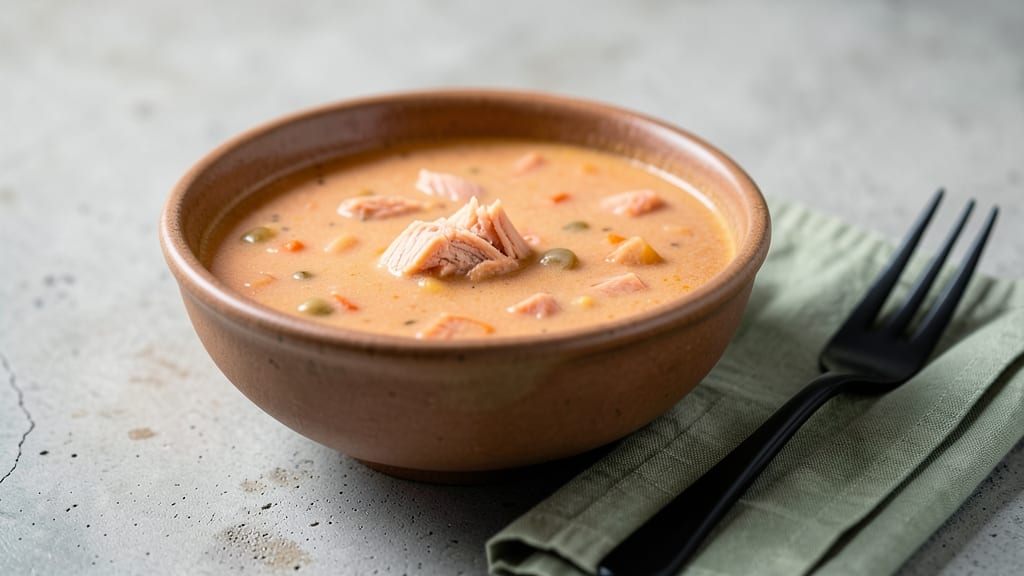
This canned salmon soup recipe transforms pantry staples into a velvety, protein-packed meal that delivers restaurant-quality comfort in just 25 minutes. The secret lies in balancing creamy texture with flaky salmon pieces that melt in your mouth—no fancy techniques required.
I developed this version after realizing how often canned salmon gets overlooked in home cooking, despite being one of the most versatile proteins around.
The foundation starts with a rich, aromatic broth that simmers while you prep the salmon and vegetables. A splash of cream or coconut milk later, and you've got that signature creamy consistency without heavy cream.
What makes this recipe stand out is how it preserves the delicate flakes of salmon while infusing every spoonful with savory depth—perfect for chilly evenings when you crave something hearty yet quick.
By the time you finish stirring in those tender salmon pieces, you'll have a soup that's creamy enough to satisfy but light enough to feel balanced. The flaky fish adds a satisfying texture contrast that elevates it beyond basic canned-salmon dishes.
Garnish with fresh herbs or a squeeze of lemon, and you've got a complete meal that's ready to serve in under half an hour.
This soup works equally well as a standalone lunch or light dinner, and leftovers reheat beautifully. The best part? You can adjust the creaminess to your preference—whether you like it rich and velvety or just lightly thickened. Let's get cooking!
Ingredients for canned salmon soup
Pantry staples meet canned salmon for a velvety, protein-packed bowl in minutes.
| Ingredient | Amount | Notes |
|---|---|---|
| Canned Salmon (in Water or Olive Oil) 🐟 | 2 cans | Drained, flaked gently |
| Chicken Broth 🍲 | 4 cups | Low-sodium preferred |
| Heavy Cream 🧀 | ½ cup | Full-fat for richness |
| Coconut Milk 🥥 | ½ cup | Full-fat for creaminess |
| Carrots 🥕 | 1 lb | Peeled, chopped |
| Celery Stalks 🌿 | 3 whole | Diced, for depth |
| Yellow Onion 🧅 | 1 whole | Finely diced |
| Garlic Cloves 🧄 | 4 cloves | Minced, aromatic |
| Dijon Mustard 🍯 | 1 tbsp | For tangy depth |
| Dried Dill 🌿 | 1 tsp | Or 1 tbsp fresh |
| Salt 🧂 | 1 tsp | Diamond Crystal preferred |
| Black Pepper 🌶️ | ½ tsp | Freshly ground |
| Lemon Zest 🍋 | 1 tbsp | Brightens flavor |
| Fresh Parsley 🌱 | ¼ cup | Chopped, for garnish |
The broth is your foundation—low-sodium chicken broth lets you control the saltiness. I always grab the organic variety from Whole Foods when I can, but even the grocery store Kroger brand works fine. The salmon should be in water or light olive oil—drain it well and flake gently to avoid breaking into tiny pieces. For extra richness, I sometimes swap half the cream for full-fat coconut milk—it adds a subtle sweetness that pairs beautifully with the fish. The carrots and celery should be chopped roughly—no need to be precise, just even-sized for even cooking.
No cream? Coconut milk or evaporated milk works just as well—both add creaminess without the heaviness. Fresh dill is ideal, but dried dill at half the amount gets you close. Short on time? Pre-chopped frozen veggies save 10 minutes of prep. The Dijon mustard is key—it balances the richness and adds a tangy punch. If you don’t have it, regular mustard at double the amount works, though the flavor won’t be as complex. For a lighter soup, reduce the cream to just 0.25 cup and add 1 cup extra broth.
This soup tastes even better the next day as flavors meld. Store in an airtight container for 4-5 days in the fridge, or freeze for up to 3 months. I portion mine into containers so lunches are sorted for the week. The salmon flakes can separate when reheated—just stir gently to recombine. Garnish with extra parsley and a squeeze of lemon juice right before serving to brighten everything up. The cream will separate slightly, but that’s normal—just whisk it back in before eating.
Why You'll Love This Recipe
- Pantry-to-Pot Magic: I swear, this soup comes together with stuff I already have—no last-minute grocery runs. Open a can, dump in broth, stir in the coconut milk and cream, and suddenly you’ve got a meal that tastes like it simmered all day.
- Rich Without the Effort: The heavy cream and coconut milk make it velvety smooth, but here’s the secret: the canned salmon adds this subtle, briny depth that cuts through the richness. It’s like a hug in a bowl—warm, satisfying, and no one would guess it’s this easy.
- Lunchbox or Leftovers: Between us, this soup is my go-to for meal prep. Pack it in a thermos for work, or reheat it for dinner—it’s just as good the second time. Honestly, I’ve even served it cold in summer with a drizzle of cream and cracked pepper. Versatile like that.
- Budget-Friendly Luxury: Canned salmon is a steal compared to fresh, and you’re using it to stretch a creamy, restaurant-worthy soup. I’ll be real: my grocery bill stays sane, but my family thinks we’re eating at a fancy spot. That’s the win.
Step-by-step instructions for creamy canned salmon soup
Here's how to transform simple pantry staples into velvety, flaky-fish comfort.
Sauté the Aromatic Vegetable Base
In a large pot, heat the 1 lb carrots, 3 celery stalks, and 1 yellow onion over medium heat with just the oil from the 2 cans canned salmon (in water or olive oil). Cook for 8-10 minutes until the vegetables soften and release their natural sweetness. I like to stir occasionally so nothing sticks to the bottom.
Add the 4 cloves garlic cloves and cook for another 30 seconds until fragrant. This step builds the flavor foundation - the onions should turn translucent while the carrots develop a slight caramelization. If using salmon in water, add 1 tablespoon of olive oil here to prevent sticking. The vegetables should yield slightly when pressed with a fork at this stage.
Build the Creamy Base with Broth and Dairy
Pour in the 4 cups chicken broth and bring to a gentle simmer. Once bubbling, reduce heat to medium-low and stir in the ½ cup heavy cream and ½ cup coconut milk. The soup should begin to thicken slightly as the dairy emulsifies with the broth.
Add the 1 tablespoon Dijon mustard and 1 teaspoon dried dill, stirring until fully dissolved. Here's where the magic happens - the mustard adds tangy depth while the dill provides that classic salmon soup brightness. Let the mixture simmer gently for 5 minutes to allow the flavors to meld together. You'll notice the soup developing a rich, golden hue as the dairy integrates completely.
Incorporate the Flaky Salmon and Season
Gently fold in the drained, flaked salmon using a wooden spoon. I always use a light touch here to preserve the delicate flakes. Add the 1 teaspoon salt, ½ teaspoon black pepper, and 1 tablespoon lemon zest, stirring just until combined. The lemon zest will brighten the entire dish while the pepper adds subtle heat.
Let the soup simmer for an additional 3-4 minutes to ensure everything is heated through. The salmon should be warm but still maintain its flaky texture. Taste and adjust seasoning if needed - you might want to add a pinch more salt or a squeeze of lemon juice to balance the flavors. The soup should be creamy yet still have some body to it.
Finish with Fresh Herbs and Serve
Remove the pot from heat and stir in the ¼ cup fresh parsley. The parsley adds freshness and visual appeal, cutting through the richness of the cream and coconut milk. Let the soup sit for 2-3 minutes to allow the parsley to infuse its flavor.
Ladle the soup into bowls and serve immediately while it's hot. The contrast of warm soup against cool air makes each spoonful even more comforting. For extra flakiness, you can serve with a sprinkle of additional lemon zest or a dollop of sour cream on top. This soup delivers on all the promises - creamy texture, flaky salmon, and that cozy comfort factor that makes it perfect for chilly days.
Pro Tips For Making Canned Salmon Soup
- Sauté Until Soft, Not Browned: The carrots and celery should yield slightly when pressed—if they’re caramelizing too much, you’re cooking them past their prime. Medium heat is key here; high heat turns them mushy, and low heat leaves them raw-tasting. I learned this the hard way after burning three batches of soup.
- Flake Salmon Like You Mean It: Use a fork, not your hands, to break up the salmon—gently, but with purpose. The goal is flakes, not crumbles. If you’re rough, you’ll end up with a mushy texture, and no one wants that in a creamy soup. Trust me, a wooden spoon is your best friend here.
- Simmer Dairy Low and Slow: The moment you add the heavy cream and coconut milk, drop the heat to medium-low. If you let it bubble, the dairy will seize up and split, leaving you with a curdled mess. Five minutes of gentle simmering is all it needs to meld—no rushing.
- Season in Layers, Not All at Once: Taste the soup before adding the full 1 teaspoon of salt. The broth, mustard, and lemon zest already contribute flavor, so you might only need half. Adding salt all at once risks over-seasoning, and you can’t undo that. Adjust as you go—like a pro.
Perfect pairings for this canned salmon soup
Crispy Bread Pairings
The creamy richness of this soup pairs beautifully with crusty sourdough bread or garlic baguettes—just toast the bread and brush with garlic-infused olive oil before serving. I always keep a loaf of Breadsmith sourdough on hand for this; the tangy bite cuts through the soup's creaminess perfectly.
For a lighter option, whole-grain pita bread works well too, especially if you're serving it as a meal-prep-friendly dish. 🍞
Fresh Salad Contrast
A simple kale and apple salad with lemon vinaigrette adds a refreshing crunch to balance the soup's creaminess. Toss 5 cups chopped kale with 1 diced apple, 2 tbsp olive oil, and 1 tbsp lemon juice.
The sweet-tart flavors create a delightful contrast to the savory soup. I often serve this on the side to make the meal feel more balanced and satisfying. 🥗
Cheese Additions
Top with crumbled feta or goat cheese for a salty, tangy bite that elevates the dish. A sprinkle of ½ cup feta or ¼ cup goat cheese adds a luxurious texture and brightens the soup's creaminess.
For a smoky twist, I sometimes add 2 tbsp smoked paprika to the cheese before sprinkling it on top. This makes the soup feel like a restaurant-quality meal. 🧀
Drink Pairings
A crisp dry white wine like Sauvignon Blanc complements the lemon and dill flavors beautifully. I reach for a Chardonnay with a touch of oak for a richer pairing, or a Pinot Grigio for something lighter and refreshing.
For non-alcoholic options, sparkling water with lemon or iced hibiscus tea keeps the meal light and refreshing. 🍷
Spicy Kick Option
Add ½ tsp chili flakes or a dash of hot sauce to the soup itself or serve it on the side for those who like heat. I love a squeeze of sriracha or a sprinkle of Penzeys chili powder for a subtle kick.
This adds depth and makes the soup feel more dynamic, especially if you're serving it to a group with varied preferences. 🌶️
Nutrition facts
Frequently asked questions
Why does my canned salmon soup taste bland?
Check your seasoning first! The 1 teaspoon salt and ½ teaspoon black pepper are essential, but if you're using low-sodium broth, you might need an extra pinch. The 1 tablespoon lemon zest and 1 tbsp Dijon mustard add bright, tangy depth—don’t skip these! Taste as you go and adjust with a squeeze of fresh lemon juice at the end for extra brightness.
Can I use canned salmon in olive oil instead of water?
Just drain the salmon and use the oil from the can for sautéing your veggies—it adds a subtle richness. If using salmon in olive oil, no need to add extra oil later. The flavor will be even more complex, but the technique stays the same. The ½ cup coconut milk will still create that creamy texture you love.
How do I prevent the cream from separating when reheating?
Gently whisk the soup for 30 seconds after reheating to recombine the cream and broth. If it separates again, stir in 1-2 tablespoons of warm broth to help emulsify it. For extra stability, reduce the cream to ¼ cup next time and add 1 extra cup of broth—this keeps it lighter and less likely to break.
Can I make this soup ahead of time?
Yes! It actually tastes better the next day. Store in an airtight container for 4-5 days in the fridge, or freeze for up to 3 months. When reheating, add a splash of water or broth to restore creaminess if needed. The salmon flakes will separate slightly—just stir gently before serving.
What if I don’t have fresh parsley?
No problem! Swap for ½ tsp dried parsley or skip it entirely—just add a pinch more salt to compensate. For extra brightness, stir in 1 tbsp lemon juice or a sprinkle of chopped chives when serving. The soup will still be delicious without it.