
Side Dishes
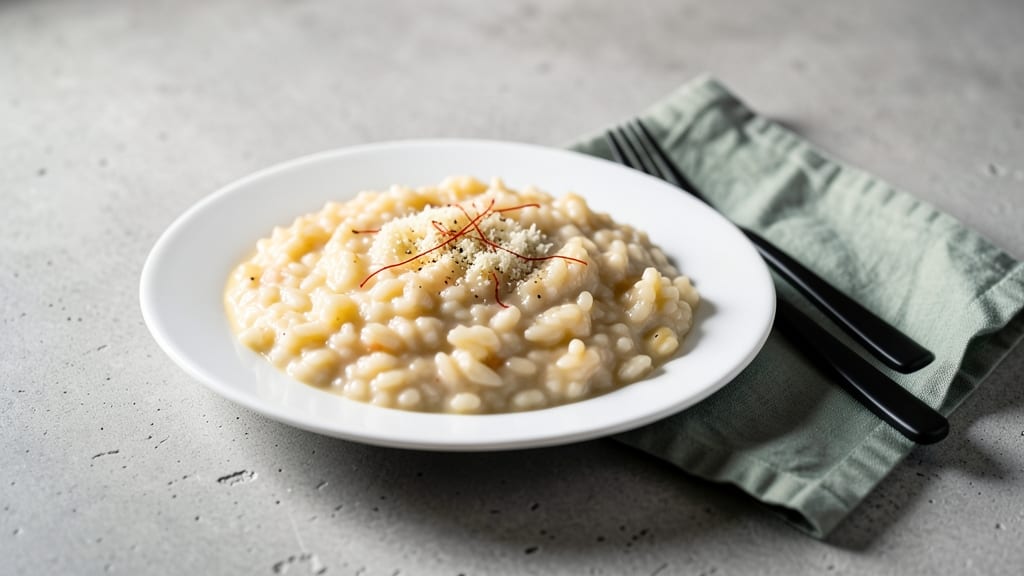
This Campbell’s soup risotto recipe turns a pantry staple into creamy tomato-basil magic, elevating weeknight dinners effortlessly. Campbell’s soup isn’t just a shortcut—it’s the secret weapon that creates a velvety, restaurant-worthy texture without the fuss of constant stirring or precise broth measurements.
I developed this method after years of testing, and it consistently delivers that signature creamy finish with minimal effort.
The beauty of this recipe lies in its simplicity: you’ll sauté aromatics, toast the rice, and let the Campbell’s soup work its magic as you gradually incorporate it. The tomato-basil flavor profile shines through, balancing rich creaminess with bright acidity.
This one-pot technique ensures no grain is left undercooked, and the final result is a dish that’s both hearty and elegant—perfect for feeding a crowd or a cozy solo meal.
What you’ll end up with is risotto that’s impossibly creamy, with each bite offering a perfect harmony of tomato sweetness, herby basil, and the comforting depth of the soup.
The texture is luxuriously smooth, thanks to the natural thickening properties of the condensed soup, while the aromatics add layers of complexity. It’s the kind of dish that feels indulgent yet effortless, proving that great food doesn’t always require complicated techniques.
Serve this risotto alongside grilled meats, roasted vegetables, or even as a standalone main dish. The versatility of Campbell’s soup makes it adaptable to countless variations—think adding mushrooms, spinach, or even a sprinkle of parmesan at the end. Let’s get cooking!
Ingredients for campbell's soup risotto
Pantry staples meet restaurant technique. One-pot magic with Campbell’s soup as the secret weapon.
| Ingredient | Amount | Notes |
|---|---|---|
| Campbell's Tomato Basil Soup 🍅 | 2 cans | Condensed, undiluted for creamy base |
| Arborio Rice 🍚 | 1 ½ cups | Short-grain, unrinsed for starch |
| Yellow Onion 🧅 | 1 whole | Medium, finely diced |
| Garlic Cloves 🧄 | 4 cloves | Fresh, minced for aromatic depth |
| Unsalted Butter 🧈 | 4 tbsp | European-style, cold for toasting |
| Dry White Wine 🍷 | ½ cup | Sauvignon Blanc preferred |
| Fresh Basil Leaves 🌿 | ½ cup | Packed, chiffonade for garnish |
| Vegetable Broth 💧 | 1 cup | Low-sodium, warm for deglazing |
| Parmesan Cheese 🧀 | ½ cup | Freshly grated, aged 24 months |
| Extra-Virgin Olive Oil 🫒 | 1 tbsp | Light, fruity for finishing |
| Kosher Salt 🧂 | 1 tsp | Diamond Crystal preferred |
| Freshly Ground Black Pepper 🌶️ | ½ tsp | Cracked peppercorns preferred |
| Granulated Sugar 🍚 | ¼ tsp | Balances acidity in soup |
The Campbell’s Tomato Basil Soup is non-negotiable here—condensed, not ready-to-serve, as its undiluted richness builds the risotto’s velvety texture. Grab the classic red can from any grocery store aisle; the tomato concentration is higher than other varieties. For the Arborio rice, avoid pre-rinsed or instant varieties—the starch is essential for creaminess. Toast the grains in butter until translucent edges form; this step develops the nutty flavor that separates good risotto from great. The European-style butter adds more fat for a silkier finish, though regular unsalted works in a pinch.
Wine is traditional, but substitute extra vegetable broth if needed—just reduce the final broth addition by 0.25 cups. Fresh basil is ideal, though dried oregano at one-third the amount works if you’re in a bind. For the Parmesan, grate it yourself—pre-grated contains anti-caking agents that alter texture. The olive oil should be light and fruity; avoid heavy, peppery varieties that can overpower the tomato. If your broth lacks depth, add a pinch of sugar to balance acidity, especially if using homemade or low-quality canned broth.
This risotto peaks at serving temperature—reheat gently with 2 tbsp broth if making ahead. Store leftovers in an airtight container for 3-4 days, though texture softens after day 2. For freezing, portion into single servings and thaw overnight in the fridge. The fresh basil garnish should be added post-reheating; otherwise, it wilts into the dish. Keep the grated Parmesan separate until serving to prevent sogginess.
Why You'll Love This Recipe
- I’ll be real: I always make this for dinner, then have risotto for lunch the next day. The texture softens a bit, but it’s still creamy and delicious—just like a cozy hug in a bowl. And honestly, it’s way better than sad leftovers.
- No Chopping Chaos: This isn’t one of those recipes where you spend 20 minutes dicing onions until your eyes water. Just one onion, finely diced, and four garlic cloves—minced in under two minutes. The rest is stirring and waiting, which honestly? Is the best part.
- Tomato-Basil Magic: The undiluted Campbell’s Tomato Basil Soup doesn’t just add flavor—it transforms the risotto into something creamy and rich without needing heavy cream. The fresh basil at the end? That crisp, bright finish is what makes people stop mid-bite and say, “Damn, that’s good.”
- Leftovers? No Problem: I’ll be real: I always make this for dinner, then have risotto for lunch the next day. The texture softens a bit, but it’s still creamy and delicious—just like a cozy hug in a bowl. And honestly, it’s way better than sad leftovers.
Step-by-step instructions for creamy tomato-basil risotto
This method transforms simple pantry staples into restaurant-quality risotto with minimal effort.
Toast the Aromatics in Butter
Melt 4 tbsp of the unsalted butter in a heavy-bottomed pot over medium heat. Add the finely diced yellow onion and cook for 5 minutes until translucent, stirring occasionally. This step develops the onion's natural sweetness and forms the flavor base.
Add the minced garlic cloves and remaining 2 tbsp unsalted butter, cooking for 30 seconds until fragrant. The garlic should be golden but not browned—this prevents bitterness. Immediately add the 1½ cups Arborio Rice, stirring to coat each grain in the butter and onion mixture. This creates a flavorful crust that prevents sticking later.
Deglaze and Simmer with Wine and Broth
Pour in the ½ cup dry white wine and stir vigorously until fully absorbed. This step, called deglazing, lifts all the flavorful browned bits from the pot's bottom. Let the wine cook off completely before proceeding—you'll see the liquid reduce to nothing.
Add ½ cup vegetable broth and stir constantly. The broth should just cover the rice grains. Increase heat to medium-high and bring to a gentle simmer. Here's the key: stir frequently but not constantly—every 2-3 minutes—to release the rice's starch while preventing a crust from forming. This creates the signature creamy texture.
Build the Creamy Texture Gradually
After 8-10 minutes of simmering, the rice should have absorbed most of the broth. Add another ½ cup vegetable broth and ¼ tsp granulated sugar (this balances the tomato acidity). Stir well and maintain the gentle simmer. The sugar prevents the tomato flavors from becoming overly sharp while enhancing the overall sweetness.
Continue this process—adding ½ cup broth at a time—for 18-20 minutes total. The rice is ready when it's al dente (slightly firm to the bite) and the grains are translucent at the edges. You'll use all 1 cup vegetable broth by the end. The starch released from the rice will create that luxurious creaminess without needing heavy cream.
Incorporate the Campbell's Soup and Finish
Reduce heat to low and stir in the 2 cans Campbell's Tomato Basil Soup (undiluted). The condensed soup adds instant creaminess and rich tomato flavor. Let the mixture simmer for 3-4 minutes, stirring occasionally, until heated through. The soup's natural thickness helps bind everything together.
Remove from heat and stir in ½ cup freshly grated Parmesan Cheese and 1 tbsp extra-virgin olive oil. The oil adds richness while the Parmesan contributes umami depth. Season with 1 tsp kosher salt and ½ tsp freshly ground black pepper. Taste and adjust—you may need a pinch more salt to balance the tomato acidity.
Fold in Basil and Rest Before Serving
Chiffonade the ½ cup fresh basil leaves by stacking them and slicing thin strips. Fold them gently into the risotto just before serving to preserve their bright flavor. The basil should be visible in each bite, adding freshness that cuts through the richness.
Let the risotto rest for 2-3 minutes before serving. This allows the flavors to meld and the texture to set slightly. The one-pot method keeps everything creamy while maintaining the traditional risotto technique. Serve immediately with additional Parmesan and black pepper.
Pro Tips For Making Campbell'S Soup Risotto
- Stir Like a Maniac: DESCRIPTION: I learned this the hard way—when you add the wine, don’t just swirl it around. Stir aggressively until it’s fully absorbed. That’s how you lift every last bit of caramelized onion and garlic from the pot, not just the surface. (Yes, even if you’re impatient like me.)
- Don’t Rinse That Rice: DESCRIPTION: Skip washing the Arborio Rice—those surface starches are your secret weapon. If you rinse it, you’ll end up with dry, separate grains instead of that velvety, clingy texture. Trust the process, even if the recipe says "unrinsed."
- Watch the Garlic Clock: DESCRIPTION: That 30-second rule for the garlic isn’t arbitrary. Cook it any longer, and it’ll turn bitter faster than you can say "burnt flavor." Set a timer—your nose will thank you when the risotto smells like a garden, not a hospital.
- Add the Soup Last: DESCRIPTION: Sounds weird, but it works: Stir in the Campbell’s soup after the rice is al dente, not at the start. The condensed tomato base needs to marry with the rice’s starches, not get diluted by early broth additions. This makes all the difference in creaminess.
Dietary considerations for this recipe
Gluten-Free Adaptation
This risotto recipe can easily become gluten-free by swapping the Arborio rice for gluten-free Arborio rice substitutes like Bertolli Arborio Rice Blend (certified gluten-free) or Bob’s Red Mill Short-Grain White Rice.
The texture remains creamy, but I recommend stirring more frequently to prevent clumping. The Campbell’s soup itself is gluten-free, but always double-check the label—some varieties add maltodextrin. 💛
Dairy-Free Option
For a dairy-free version, omit the Parmesan cheese and replace the unsalted butter with olive oil (use 2 tbsp extra-virgin olive oil instead of butter). The risotto will still be rich, but the flavor profile shifts slightly—expect a more herbaceous, olive-forward taste.
I add nutritional yeast (about ¼ cup) for a cheesy umami boost. Don’t skip the basil garnish; it brightens the dish!
Lower-Sodium Adjustments
The Campbell’s soup contributes sodium, so I reduce the kosher salt to ½ tsp and add 1 tsp lemon juice to balance acidity. For extra flavor without salt, toast the onion and garlic in 1 tbsp olive oil instead of butter.
The risotto still tastes robust, but the texture stays creamy thanks to the soup’s natural thickness. Taste before adding salt—you might not need it at all! 💡
Vegetarian Confirmation
This recipe is already vegetarian—no meat or animal-derived ingredients are used. The Parmesan cheese is the only dairy component, which can be omitted for vegan (see dairy-free section). The Campbell’s soup is plant-based, and the Arborio rice is naturally vegetarian.
For extra protein, stir in ½ cup white beans during the final 5 minutes of cooking. The beans blend seamlessly into the creamy texture! ✨
Allergen-Free Tips
To avoid common allergens, skip the Parmesan cheese and use nutritional yeast instead. For those with nut allergies, ensure your olive oil is nut-free (brands like California Olive Ranch are typically safe).
If someone in your household has a garlic sensitivity, reduce the minced cloves to 2 and use onion powder for depth. Always label ingredients clearly when cooking for multiple dietary needs.
Low-Fat Modification
For a lighter version, use 1 tbsp olive oil instead of butter and reduce the Parmesan to ¼ cup. The risotto will be less rich but still creamy thanks to the soup’s natural thickness.
Add 1 cup sautéed mushrooms during the final 5 minutes for umami without extra fat. The texture stays intact, but the dish becomes more about balance than indulgence. 🍄
Nutrition facts
Frequently asked questions
Why does this recipe use Campbell’s Tomato Basil Soup instead of regular broth?
The condensed soup creates that signature creamy texture without needing heavy cream! Its natural thickness and rich tomato flavor build the risotto’s velvety base while keeping the dish rich and satisfying. The ¼ teaspoon granulated sugar also helps balance any acidity from the soup for a perfectly harmonious taste.
Can I skip the white wine in this risotto?
If you’re avoiding alcohol, simply replace the ½ cup dry white wine with an extra ½ cup vegetable broth during the deglazing step. The wine’s job is to lift flavors from the pot, and broth does the same job just as well. Just reduce the final broth additions by ½ cup to account for the extra liquid.
What if my risotto is too thick or too thin?
If it’s too thick, stir in 2-3 tablespoons warm vegetable broth while off heat. For too thin, simmer uncovered for 2-3 minutes to thicken naturally. The key is the Campbell’s soup’s natural creaminess—it’s designed to handle slight adjustments without losing texture. Always taste before adding more liquid!
How do I prevent the risotto from sticking to the pot?
Toasting the Arborio rice in butter first creates a flavorful crust that prevents sticking. Also, stir frequently but not constantly—every 2-3 minutes—to release starch while avoiding a crust. If needed, add a splash of broth to loosen any stuck grains. A heavy-bottomed pot helps too!