
Soups & Stews
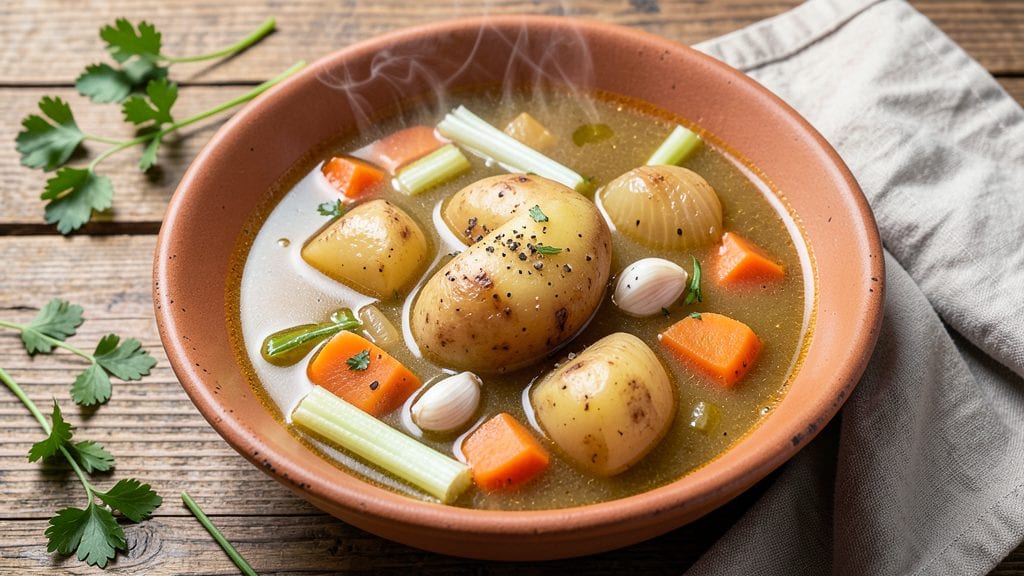
Transforming a classic Campbell's Old Fashioned Vegetable Soup into a homestyle masterpiece starts with understanding its roots—this soup isn’t just a recipe, it’s a nostalgic blend of carrots, celery, and potatoes that’s been comforting families for generations.
The genius lies in balancing Campbell’s rich tomato base with fresh vegetables and herbs to create depth while keeping the preparation straightforward. I’ve refined this version to deliver that familiar, hearty texture without sacrificing authenticity, ensuring every spoonful brings back memories of home-cooked meals.
The foundation of this soup is simplicity: a 30-minute prep that yields a creamy, chunky consistency perfect for chilly days. You’ll start by sautéing onions and garlic to build flavor, then add your vegetables—carrots, celery, and potatoes—before combining everything with Campbell’s soup and broth.
The key is letting it simmer until the vegetables are tender yet still hold their shape, creating that satisfying bite. This method preserves the soup’s traditional comfort while adding a restaurant-quality touch.
What you’ll end up with is a velvety, aromatic soup where the carrots and potatoes are perfectly cooked, the celery adds brightness, and the Campbell’s base ties it all together with its signature tomato richness.
The result is a dish that’s equally at home on a weeknight table or as a centerpiece for gatherings. Serve it with crusty bread to soak up every last drop of that savory broth—this is the kind of soup that warms both body and soul.
For those who love customization, you can easily adjust the seasoning or add optional toppings like shredded cheese or fresh parsley. The beauty of this recipe is its flexibility—whether you stick to the classic version or tweak it to your taste, the heart of this soup remains unchanged.
Let’s bring this homestyle classic to life in your kitchen.
Ingredients for campbell's old fashioned vegetable soup
Pantry staples meet fresh vegetables for this nostalgic Campbell's-inspired vegetable soup.
| Ingredient | Amount | Notes |
|---|---|---|
| Yellow Onion 🧅 | 1 medium | Diced, about 1.5 cups |
| Garlic Cloves 🧄 | 3 cloves | Minced, fresh preferred |
| Extra-Virgin Olive Oil 🫒 | 2 tbsp | For sautéing vegetables |
| Carrots 🥕 | 4 medium | Peeled, cut into chunks |
| Celery Stalks 🌿 | 3 whole | Diced, about 1 cup |
| Russet Potatoes 🥔 | 3 medium | Peeled, cut into 1-inch cubes |
| Campbell's Old Fashioned Vegetable Soup 🍲 | 2 cans | 30.5 oz each, undiluted |
| Chicken or Vegetable Broth 💧 | 4 cups | Low-sodium preferred |
| Fresh Parsley 🌿 | ¼ cup | Chopped, for garnish |
| Salt 🧂 | 1 tsp | Diamond Crystal kosher |
| Black Pepper 🌶️ | ½ tsp | Freshly ground preferred |
| Dried Thyme 🌿 | ½ tsp | Or 1 tsp fresh thyme |
| Crusty Bread 🍞 | 1 loaf | For serving, optional |
The Campbell's cans are the heart of this soup—grab the classic Old Fashioned Vegetable from the canned soup aisle, not the condensed version. For the vegetables, Trader Joe's or Whole Foods have the best organic carrots and potatoes, but any medium-sized russets and bright orange carrots work. The celery? Look for stalks with crisp, firm ends—the darker green ones are usually more flavorful. Fresh thyme is ideal, but dried works at one-third the amount. I always double-check the broth label for sodium content—low-sodium is key for balancing flavors.
No Campbell's? Canned tomato soup plus vegetable broth gets you close, though it won't have that exact tomato richness. Substituting potatoes for sweet potatoes? Use half the amount—they're naturally sweeter and cook faster. For extra depth, add a pinch of smoked paprika or a dash of Worcestershire sauce. The parsley is optional but adds that fresh finish—store-bought is fine, but farmers market parsley has way more flavor. If you're making this ahead, the vegetables soften further overnight, so add a splash of broth before reheating.
This soup keeps beautifully—3-4 days in the fridge, 3 months frozen. I portion it into containers with a little extra broth on top to prevent a skin from forming. The bread? Warm it in the oven for 5 minutes before serving—it soaks up the soup like a dream. Leftovers reheat perfectly—just stir in a splash of water or broth if it's too thick. Trust me, the second day is even better as the flavors meld.
Why You'll Love This Recipe
- No-Panics Required: I’ll admit it—my first attempt involved a pot full of stuck vegetables and a timer that felt like it was running in slow motion. But after that, I realized the secret is letting the onions and celery soften before adding everything else. That 10-minute simmer with broth? Game-changer. The broth absorbs all those caramelized flavors, so even if you’re new to sautéing, the soup still tastes like it’s been simmering for hours.
- Rich, Not Just Ready: The magic happens when you add those two cans of Campbell’s soup after the garlic and thyme have had their moment. That undiluted soup brings creaminess, but the homemade broth and sautéed veggies? They turn it from basic to "I’ll eat this every Tuesday" territory. The fresh parsley at the end? A little pop of brightness that makes it feel like you spent all day cooking—when really, you just stirred.
- Leftover Goldmine: I make this on Sundays and swear by the leftovers. Four days later, it’s still hearty enough to warm you up, but not so thick it’s a chore to reheat. And here’s the secret: the flavors actually improve over time. That first day, it’s comforting. By day three? It’s like a savory hug. Plus, it freezes perfectly—just pop a container in the freezer after you’ve tried it once, and you’ve got a backup for when life gets chaotic.
- Budget Meets Bold: Between the canned soup and the pantry staples like potatoes and carrots, this isn’t just cheap—it’s smart. You’re paying for quality ingredients, not convenience alone. And the crusty bread? A dollar at the bakery section turns this into a full meal without breaking the bank. Honestly, it’s the kind of recipe that makes me think, "Why did I ever spend money on takeout?"
Step-by-step instructions for homestyle vegetable soup
Here's how to transform canned soup into a rich, layered vegetable stew with depth and texture.
Sauté the Vegetable Base
Heat the 2 tablespoons extra-virgin olive oil in a large pot over medium heat. Add the 1 medium yellow onion and 3 celery stalks, cutting them into ½-inch dice as you go. Cook for 5 minutes until the onion becomes translucent and the celery softens slightly.
Add the 4 medium carrots, peeled and cut into 1-inch chunks, along with the 3 medium russet potatoes, peeled and cubed to the same size. Stir to combine and cook for another 5 minutes, stirring occasionally. You'll notice the vegetables begin to release their natural juices and develop a golden hue at the edges.
Here's the thing—this initial sautéing builds flavor by caramelizing the vegetables before they simmer. Don't rush this step; proper browning creates the foundation for your soup's depth. If the vegetables stick, add ½ cup water and scrape the bottom with a wooden spoon to release any stuck bits.
Build the Flavor Foundation
Add the 3 minced garlic cloves and cook for 30 seconds until fragrant. This is where the garlic transforms from raw to aromatic—don't let it burn, as it will turn bitter. Immediately add the ½ teaspoon dried thyme, 1 teaspoon salt, and ½ teaspoon black pepper, stirring to coat the vegetables evenly.
Pour in the 4 cups chicken or vegetable broth and bring the mixture to a gentle boil. Once boiling, reduce the heat to low and let it simmer for 10 minutes. This initial simmer allows the vegetables to soften slightly and the flavors to meld together before adding the canned soup.
I always taste the broth at this stage to check the seasoning. If it needs more salt, add it now—it's easier to adjust before adding the canned soup. The goal is to create a flavorful base that enhances, rather than competes with, the canned soup's seasoning.
Incorporate and Simmer the Canned Soup
Add both 2 cans Campbell's Old Fashioned Vegetable Soup (do not drain) and stir thoroughly to combine. The soup will look thick and chunky at first, but don't worry—it will incorporate smoothly as it heats through. Increase the heat to medium and bring the mixture to a gentle boil again.
Once boiling, reduce the heat to low and let it simmer uncovered for 20-25 minutes. Stir occasionally to prevent the vegetables from sticking to the bottom. You'll see the potatoes soften and the carrots become tender when pierced with a fork. The soup should have a thick, stew-like consistency with visible chunks of vegetables.
This simmering time is crucial—it allows the flavors to meld together and the vegetables to reach perfect tenderness. If the soup becomes too thick, add ½ cup water or broth to reach your desired consistency. The key is to achieve a balance between chunky texture and smooth broth.
Finish and Garnish
Once the vegetables are tender and the soup has reached your preferred consistency, remove the pot from heat. Stir in the ¼ cup chopped fresh parsley and let it steep for 2 minutes. This final step brightens the flavors and adds a fresh, herbal note that elevates the entire dish.
Taste and adjust the seasoning if needed. I often find that a pinch more salt or a crack of black pepper enhances the flavor profile. Serve the soup immediately in bowls, accompanied by slices of 1 loaf crusty bread for dipping and soaking up every last bit of the flavorful broth.
This soup keeps well in the refrigerator for up to 4 days and reheats beautifully. The crusty bread isn't just for serving—it's the perfect companion to soak up the rich, vegetable-packed broth. The combination of homemade depth with the convenience of canned soup creates a comforting, hearty meal that's perfect for any occasion.
Pro Tips For Making Campbell'S Old Fashioned Vegetable Soup
- Don’t Skip the 10-Minute Broth Simmer: After adding the broth, let it simmer uncovered for those full 10 minutes before tossing in the canned soup. I used to cut this short, but that extra time lets the onions and celery mellow into the broth—it’s the difference between flat and layered flavor.
- Dice Celery Smaller Than ½-Inch: The recipe says ½-inch, but I chop celery into ¼-inch pieces so it softens faster and blends into the soup instead of staying crunchy. Trust me, the texture stays chunky enough without celery sticks poking your teeth.
- Scrape the Pot Early: If your carrots or potatoes start sticking after 5 minutes, splash in that ½ cup water now and scrape the bottom with a wooden spoon. Ignoring it leads to burnt bits that ruin the whole pot—better to deal with it messy than regret it later.
- Use Fresh Thyme If You Have It: Dried thyme works, but fresh thyme (even just 1 tsp) adds a bright, floral note that cuts through the canned soup’s heaviness. I keep a small bunch in the fridge just for this—it’s worth the extra 30 seconds to chop it.
Best sauces and condiments for this dish
Creamy Garlic Bread Dipping Sauce
Transform your crusty bread into a flavor-packed dip by mixing 2 tbsp softened butter with 1 minced garlic clove and 1 tbsp grated Parmesan cheese. Heat the mixture in a small saucepan over low heat until melted, then stir in 1 tbsp chopped parsley for a fresh finish.
Drizzle this golden sauce over your soup just before serving—it’s the perfect way to elevate the bread’s role from side dish to star. The garlic and Parmesan complement the tomato base beautifully. 🧀
Spicy Roasted Red Pepper
Blend ½ cup roasted red peppers (jarred or homemade) with 1 tbsp olive oil and ½ tsp smoked paprika for a sweet, smoky kick. Spoon this vibrant sauce over individual bowls of soup to add color and a touch of heat.
The natural sweetness balances the soup’s savory depth, while the paprika enhances its rustic charm. I love using Penzeys brand roasted peppers for their rich flavor. 🌶️
Crispy Fried Shallots
For a crunchy topping, thinly slice 2 shallots and fry them in 1 tbsp neutral oil over medium-low heat until golden and crispy—about 8-10 minutes. Drain on paper towels and sprinkle them generously over the soup.
The shallots add a delicate sweetness and satisfying texture that contrasts the soup’s creaminess. Save a few for garnish to keep them looking fresh. 🍽️
Lemon-Herb Swirl
Zest ½ lemon and mix it with 1 tbsp chopped dill and 1 tbsp sour cream for a bright, tangy swirl. Dollop this mixture into each bowl before serving to cut through the soup’s richness.
The lemon’s acidity brightens the tomato flavor, while the sour cream adds a velvety texture. This is my go-to for guests who love a fresh finish. 🍋
Cheesy Gruyère Topping
Grate ¼ cup Gruyère cheese and sprinkle it over the soup during the last 2 minutes of simmering. The cheese will melt into soft, gooey curls that cling to the vegetables.
For extra indulgence, add a swirl of brown butter (melted butter cooked until nutty) before serving. This cheesy twist turns the soup into a decadent comfort bowl. 🧀
Nutrition facts
Frequently asked questions
Can I use a different type of broth instead of chicken or vegetable broth?
You can substitute with beef broth for a richer flavor or mushroom broth for an umami depth. Just ensure it's low-sodium to balance the Campbell's soup's seasoning. For a lighter option, water works in a pinch, though broth adds more complexity. The key is to maintain the soup's harmony—adjust seasoning as needed after simmering.
Why does my soup taste bland after adding Campbell's soup?
This often happens because the canned soup already contains salt and seasonings. Taste the broth before adding the Campbell's—if it's underseasoned, add salt now. Also, let the vegetables simmer in broth for 10 minutes before adding the canned soup to develop deeper flavors. A pinch of fresh thyme or a crack of black pepper at the end can elevate it too.
How do I prevent the vegetables from becoming mushy?
Cut the potatoes and carrots into even-sized chunks so they cook uniformly. Simmer uncovered and stir occasionally to prevent sticking. If the soup thickens too quickly, add ½ cup broth during the final 5 minutes of cooking. Potatoes and carrots should be tender but still hold their shape—test with a fork!
Can I make this soup ahead of time?
Yes! This soup tastes even better after resting for 24 hours in the fridge. Store it in an airtight container, and reheat gently on the stove with a splash of broth or water. The flavors meld beautifully overnight. For freezing, portion it into containers and add a little extra broth on top to prevent a skin from forming.
What’s the best way to serve this soup?
Pair it with slices of crusty bread for dipping, but don’t stop there! Top with crispy fried shallots, a swirl of brown butter, or a sprinkle of Gruyère cheese for extra indulgence. Garnish with fresh parsley for brightness. The bread isn’t just a side—it’s essential for soaking up every last drop of flavor.