
Soups & Stews
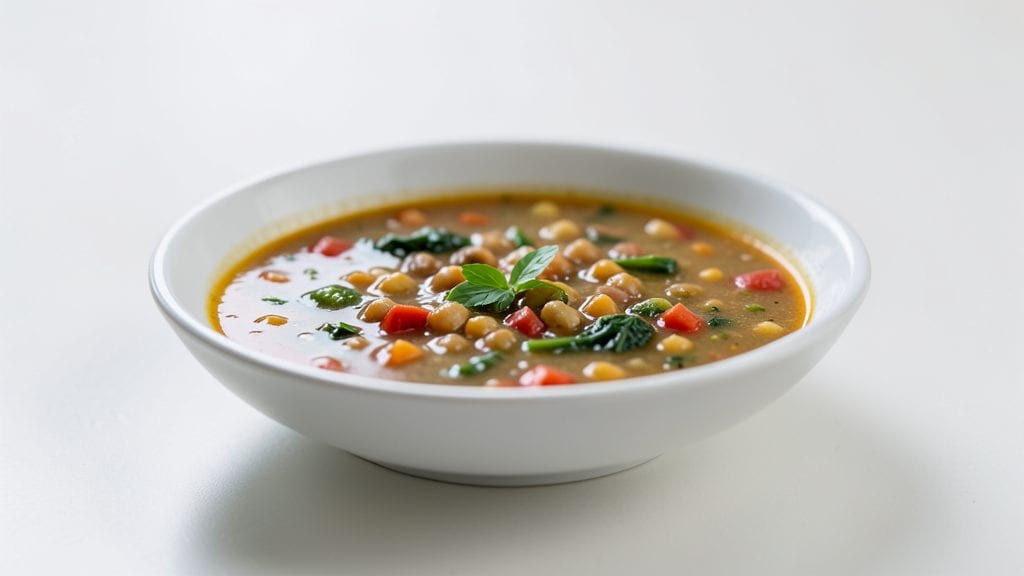
This Campbell's minestrone soup recipe delivers the kind of hearty, comforting bowl that warms you from the inside out—just like Nonna used to make.
The combination of tender beans, fresh vegetables, and aromatic herbs creates a dish that’s both satisfying and nourishing, perfect for chilly days or when you need a meal that feels like a hug in a bowl.
I’ve tested this recipe countless times to ensure it’s foolproof, whether you’re feeding a family or meal prepping for the week.
The beauty of this minestrone lies in its simplicity and versatility. You can customize it with your favorite vegetables, swap in different beans, or even add a protein like chicken or white beans for extra heartiness.
The key is letting the flavors meld together through a gentle simmer, which transforms simple ingredients into something deeply comforting. It’s the kind of soup that tastes even better the next day, making it ideal for leftovers or meal prep.
By the time you’re done, you’ll have a steaming bowl of minestrone that’s rich in texture and flavor—creamy beans, tender vegetables, and a broth that’s packed with savory depth.
The aroma alone will have everyone gathering around the table, and the first spoonful will remind you why homemade soups are worth the effort. This recipe is designed to be your go-to for cozy, satisfying meals that bring comfort to any day.
Whether you’re serving it as a light lunch or a hearty dinner, this minestrone is a blank canvas for your preferences. Let’s get cooking—your kitchen will smell amazing, and your taste buds will thank you.
Ingredients for campbell's minestrone soup
Simple pantry staples transform into a comforting bowl of hearty minestrone.
| Ingredient | Amount | Notes |
|---|---|---|
| Vegetable Broth 🥄 | 6 cups | Low-sodium preferred |
| Kidney Beans 🌱 | 2 cans | 15 oz each, drained |
| Canned White Beans 🌱 | 2 cans | 15 oz each, drained |
| Carrots 🥕 | 3 cups | Diced, no peeling needed |
| Onion 🧅 | 2 whole | Yellow, finely chopped |
| Celery Stalks 🌿 | 3 whole | Chopped, standard size |
| Garlic Cloves 🧄 | 4 cloves | Minced, aromatic |
| Canned Diced Tomatoes 🍅 | 1 can | 14.5 oz, no need to drain |
| Pasta 🍝 | 1 lb | Small shells or elbow |
| Olive Oil 🫒 | ½ cup | For sautéing vegetables |
| Salt 🧂 | 1 tsp | Kosher or sea salt |
| Black Pepper 🌶️ | ½ tsp | Freshly ground preferred |
| Dried Italian Seasoning 🌿 | 1 tbsp | Or thyme/oregano blend |
| Parmesan Cheese 🧀 | ¼ cup | Freshly grated, optional |
The beans are the soul of this soup. Canned kidney and white beans give it that creamy texture—no need to soak. I always grab Bush's Best for their consistent quality. The 15 oz cans are perfect for feeding a crowd, and they drain easily. For extra richness, add a splash of pasta water at the end—it’s the secret to that velvety mouthfeel. The vegetables? Chop them roughly for texture—no need for precision here. The celery and carrots work together to build a sweet base, while the onion adds depth. Fresh garlic is a must—mince it just before sautéing to keep it bright.
No fresh herbs? Dried Italian seasoning works perfectly at half the amount. Short on time? Baby carrots and pre-chopped celery cut prep by half. Want more protein? Add a can of lentils for extra heartiness. The pasta should be small shells or elbow noodles—they hold up better to the simmer. If you’re using pre-made broth, check the sodium—low-sodium is best so you can control the seasoning. The olive oil? Use enough to coat the veggies—this keeps them from sticking and adds flavor.
This soup tastes even better the next day, so make a double batch for leftovers. Store in an airtight container in the fridge for 5-6 days, or freeze portions for up to 3 months. I always keep a jar of grated Parmesan on hand for topping—it’s the perfect finishing touch. The broth can be made ahead and refrigerated, then reheated with fresh veggies for a quick meal. Portion into meal prep containers with a spoonful of pasta water to keep it creamy. This is the kind of soup that gets better with time, so don’t rush it.
Why You'll Love This Recipe
- Pantry-to-Pot Magic: I swear by this recipe because it turns five ingredients into something hearty. No fancy shopping trips—just broth, beans, and a few veggies you already have. Honestly, I’ve made it with whatever was in my cupboard, and it still hits.
- Carrot-Onion Crunch: That sweet, soft carrot and the slow-cooked onion? It’s the secret. The broth soaks up their flavor until every spoonful tastes like a warm hug. Between us, the beans add a satisfying bite that keeps me coming back.
- Leftover Legend: This soup begs to be made in bulk. Reheat it for lunch, freeze portions for lazy days, or even turn it into a pasta bake later. I’ll be real: my freezer is packed with it, and I never regret it.
- Budget-Friendly Feast: For under $5, I feed four people a meal that feels special. No splurges, no waste—just good, honest food. That’s the kind of recipe that makes me smile when I see the ingredient list.
Step-by-step instructions for hearty bean and veggie comfort soup
A simple, satisfying method that transforms humble pantry staples into a steaming bowl of homestyle warmth.
Sauté the Vegetable Base for Flavor Foundation
Heat the ½ cup olive oil in a large Dutch oven over medium heat. Add the 2 finely chopped onions, 3 chopped celery stalks, and 3 cups diced carrots, stirring occasionally. Cook for 8-10 minutes until the vegetables soften and the onion becomes translucent.
Here's where the magic happens: add the 4 minced garlic cloves and cook for 30 seconds until fragrant. This step builds the aromatic base that carries through the entire soup. I always add the garlic just before the vegetables soften—it prevents burning and ensures maximum flavor extraction.
Build the Soup with Beans, Tomatoes, and Seasonings
Pour in the 6 cups vegetable broth and bring to a gentle simmer. Stir in the 2 drained cans kidney beans, 2 drained cans canned white beans, 1 can canned diced tomatoes, 1 tsp salt, ½ tsp black pepper, and 1 tbsp dried Italian seasoning. Let the mixture simmer uncovered for 15 minutes to allow flavors to meld.
This is where the soup transforms from simple ingredients to something truly comforting. The beans absorb the broth and vegetables, while the tomatoes add natural sweetness that balances the earthy flavors. Stir occasionally to prevent sticking—this is the moment the soup becomes cohesive.
Cook the Pasta to Al Dente Perfection
Add the 1 lb pasta (small shells or elbow macaroni work best) to the simmering soup. Cook for 10-12 minutes, stirring occasionally, until the pasta is al dente—just slightly firm to the bite. You want it to finish cooking in the residual heat rather than becoming mushy.
I like to taste-test a piece of pasta at the 10-minute mark to gauge doneness. The pasta should be tender but still have a slight bite. If you prefer softer pasta, add an extra 1-2 minutes of cooking time. Remember, the soup will continue cooking slightly once removed from heat.
Finish with Fresh Herbs and Parmesan
Remove the soup from heat and let it sit for 5 minutes to allow the flavors to settle. Then, stir in the ¼ cup freshly grated Parmesan cheese until melted and evenly distributed. The cheese adds a rich, salty depth that ties all the flavors together.
This is the moment that matters: the Parmesan not only enhances the flavor but also creates a velvety texture that makes each spoonful irresistibly comforting. If you're using fresh herbs, now's the time to add them—their bright notes cut through the richness beautifully. Serve immediately while steaming hot.
Pro Tips For Making Campbell'S Minestrone Soup
- Chop Onions Small: The recipe calls for finely chopped onions—don’t skip this. I used to hack mine into big chunks, and they’d sit like rocks at the bottom. Tiny pieces dissolve into the broth, so every bite gets that sweet, caramelized depth. Takes 2 minutes extra, but it’s worth it.
- Salt Early, Taste Often: Add the 1 tsp salt with the beans and tomatoes in Step 2, not at the end. The pasta will absorb some broth, and if you wait, you’ll end up guessing how much extra to add. Taste after 10 minutes of simmering—adjust if needed. (Yes, even if you’re using low-sodium broth.)
- Don’t Crowd the Pasta: The 1 lb pasta needs room to breathe. If your pot looks packed, cook it in batches or use a larger one. Stirring every 2-3 minutes prevents clumping and ensures even cooking. Trust me, mushy pasta ruins everything—better to have a slightly bigger pot than regret later.
- Grate Parmesan Fresh: That ¼ cup freshly grated Parmesan makes all the difference. Pre-shredded cheese has anti-caking agents that turn to gummy bits. Use a microplane or fine grater—it melts smoother and tastes richer. (Skip the optional cheese? Fine, but don’t pretend it’s better.)
Storing and reheating this campbell's minestrone soup
Fridge Storage Tips
After letting your soup cool for 15-20 minutes (critical to prevent condensation), transfer it to glass Pyrex containers or stainless steel bowls—I avoid plastic for flavor retention. Portion into 2-quart containers for easy reheating.
Store at 40°F or below and enjoy within 5-6 days for best texture. The flavors actually deepen overnight as the beans absorb more broth. 🥄
Freezer Prep Method
For long-term storage, freeze in flat freezer bags (I use Rubbermaid quart-sized) with 1 inch headspace. Label with the date—this soup keeps well for up to 3 months.
Thaw overnight in the fridge for even reheating. I always freeze without Parmesan, adding it fresh when reheating to prevent graininess. ❄️
Reheating Without Mush
Stovetop is your best friend—pour soup into a heavy-bottomed pot and add ¼ cup water or broth to prevent sticking. Heat on medium-low for 15-20 minutes, stirring occasionally. The residual heat from the beans will keep it creamy. Taste and adjust salt—soups often need a pinch after reheating. 🔥
Microwave Hack
For quick lunches, use a microwave-safe bowl and heat on 50% power in 2-minute intervals, stirring between each. Add a damp paper towel to prevent splattering.
If the soup looks dry, stir in 2 tbsp pasta water before eating. I always add fresh herbs at this stage to revive the flavors. 💫
Pasta Texture Rescue
If your pasta turns mushy after reheating, save it! Stir in 1 tbsp cornstarch mixed with 2 tbsp cold water to thicken. For extra creaminess, add 1 tbsp heavy cream or ½ cup coconut milk at the end. This trick works wonders for leftovers. 💡
Freezer Organization
I organize my freezer soup stash in alphabetical order by date—it makes meal planning a breeze. Use permanent markers on bags for visibility. When reheating frozen soup, always thaw completely first to ensure even heating.
I often double the recipe and freeze half for those "I don't feel like cooking" nights. 📅
Nutrition facts
Frequently asked questions
Can I make this soup vegetarian or vegan?
This recipe is already vegetarian-friendly. For a vegan version, simply omit the Parmesan cheese and use a dairy-free alternative like nutritional yeast. You can also boost protein with extra beans or lentils. The tomato-based broth keeps it hearty without any animal products.
What's the best way to prevent mushy pasta in the soup?
Cook the pasta just until al dente (about 10-12 minutes) and add it to the soup when it's still slightly firm. The residual heat will finish cooking it perfectly. If your pasta gets too soft after reheating, stir in 1 tbsp cornstarch mixed with 2 tbsp cold water to restore texture.
How can I make this soup spicier?
Add ½ tsp red pepper flakes or 1 chopped jalapeño when sautéing the vegetables. For extra heat, stir in 1 tsp hot sauce or a pinch of cayenne pepper at the end. If you love bold flavors, try adding a crushed bay leaf during simmering for depth.
Can I use fresh beans instead of canned?
Yes, but you'll need to soak them overnight first. Use 1.5 cups dried kidney and white beans combined, then simmer for 1.5-2 hours until tender. Fresh beans add a creamier texture, but they require more prep time. For convenience, canned beans work perfectly well.
What vegetables can I substitute if I don't have carrots or celery?
Swap carrots for zucchini or bell peppers (chopped) and celery for leeks or fennel. You can also add spinach or kale at the end for greens. The key is maintaining a balance of sweet, earthy, and fresh flavors. Any mix-ins should hold up well during simmering.