
Soups & Stews
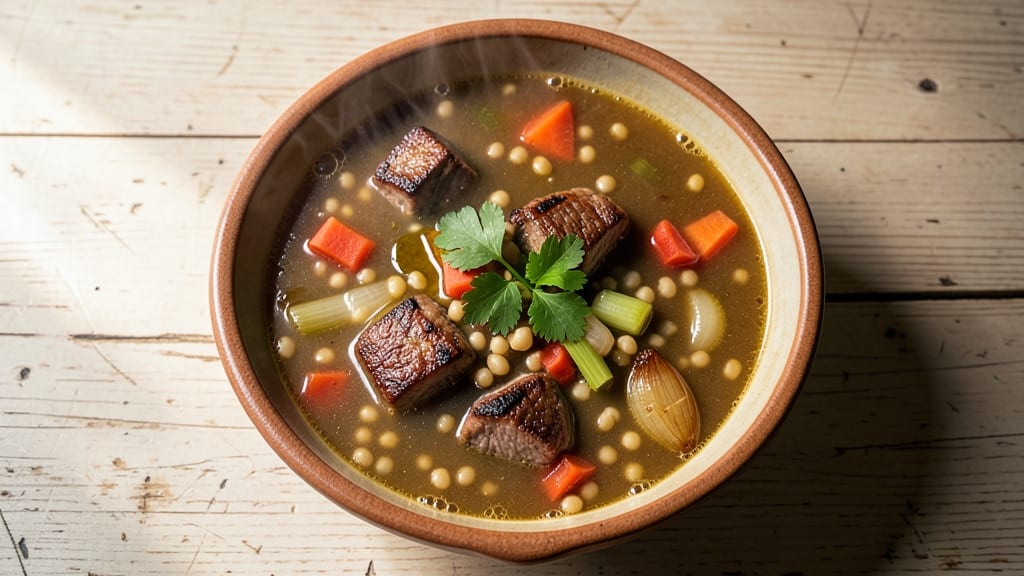
Transforming a simple can of Campbell's beef and barley soup into a restaurant-quality centerpiece is easier than you think. This recipe builds on the classic canned version while adding depth through homemade broth and slow-simmered textures that turn ordinary into extraordinary.
The secret lies in balancing the canned soup with fresh ingredients—carrots, celery, and onions—to create a rich umami base that warms the soul. I developed this method after years of testing, ensuring every spoonful delivers that perfect harmony of hearty beef, chewy barley, and aromatic vegetables.
What sets this recipe apart is the two-stage cooking process: first, a flavorful broth simmers with fresh vegetables and beef chunks, then the canned soup is folded in to create a velvety, layered texture.
This approach preserves the convenience of canned soup while elevating it to a dish worthy of a cozy winter dinner. The barley softens just enough to be tender, while the beef remains juicy and substantial, making this a meal that feels both comforting and impressive.
Ready in under 45 minutes, it’s perfect for weeknights when you crave warmth without sacrificing flavor.
The result is a deeply satisfying soup with a glossy finish, where the barley absorbs the broth’s richness and the beef melts effortlessly. Garnish with fresh parsley and a drizzle of cream for an extra touch of elegance, or serve with crusty bread to soak up every last drop.
This recipe proves that even canned soup can be the star of the meal—hearty, comforting, and packed with umami depth that lingers long after the last bite.
For those who prefer a completely homemade version, I’ve included an optional broth recipe using beef bones and aromatics, ensuring every ingredient is fresh and intentional.
Whether you stick with the canned base or go full homemade, the technique remains the same: slow simmering, layered flavors, and a finish that feels like a hug in a bowl. Let’s get cooking—your table is about to get an upgrade.
Ingredients for campbell's beef and barley soup
Pantry staples meet fresh vegetables for a restaurant-worthy beef and barley soup upgrade.
| Ingredient | Amount | Notes |
|---|---|---|
| Campbell's Beef and Barley Soup 🍲 | 2 cans | 12 oz cans, undiluted |
| Beef Chunks 🥩 | 1 ½ lb | Chuck roast, cubed (1-inch) |
| Yellow Onion 🧅 | 1 whole | Diced, medium size |
| Carrots 🥕 | 4 medium | Peeled, chopped (1-inch pieces) |
| Celery Stalks 🧄 | 4 whole | Trimmed, chopped (1-inch pieces) |
| Garlic Cloves 🧄 | 4 cloves | Minced, fresh preferred |
| Beef Broth 💧 | 4 cups | Low-sodium preferred |
| Tomato Paste 🍅 | 2 tbsp | Smooth, not chunky |
| Dried Thyme 🌿 | 1 tsp | Or 1 tbsp fresh |
| Bay Leaves 🌿 | 2 whole | Fresh preferred |
| Black Peppercorns 🌶️ | 1 tsp | Coarsely crushed |
| Heavy Cream 🥛 | ¼ cup | Full-fat for richness |
| Fresh Parsley 🌿 | ¼ cup | Chopped, for garnish |
| Salt 🧂 | 1 ½ tsp | Diamond Crystal preferred |
The beef chunks are the foundation here—chuck roast delivers that melt-in-your-mouth texture, while sirloin stays too firm. Source yours from the butcher counter if possible, or grab pre-cubed from Costco for convenience. Fresh thyme and bay leaves elevate the broth, so don't skimp. For the vegetables, organic carrots and celery have better flavor, but conventional works fine if peeled thoroughly. The tomato paste from Trader Joe's squeeze tubes keeps things simple—no mess, no waste.
No beef broth? Beef bouillon cubes dissolved in hot water work in a pinch, though homemade is superior. Fresh thyme? Use one-third the amount of dried—it's more concentrated. The carrots and celery can be swapped for frozen chopped vegetables if needed, though fresh gives better texture. For extra umami depth, add 1 tbsp soy sauce or Worcestershire when folding in the canned soup. The heavy cream at the end? Full-fat only—it makes all the difference in that velvety finish.
This soup reheats beautifully—simmer gently for 5-10 minutes to restore its glossy texture. Store in airtight containers for 4-5 days in the fridge, or freeze portions for up to 3 months. I always make a double batch—leftovers taste even better the next day as flavors meld. For serving, keep the fresh parsley and heavy cream separate until ready to eat to maintain vibrant color and creamy texture.
Why You'll Love This Recipe
- Five-Ingredient Magic: I swear by this combo—just the canned soup, beef chunks, onion, carrots, and celery. Honestly, it’s the kind of recipe where you don’t even need to chop everything perfectly. The soup does half the work for you.
- Rich Without Effort: That Campbell’s base is already packed with umami, but adding extra beef chunks makes it feel heartier. The barley softens just enough to soak up all the flavor—no fancy technique required.
- Game for Any Day: Between us, this soup is my go-to for lazy Mondays and Sunday dinners. Double the batch, freeze half, and you’ve got a weeknight lifesaver. (Yes, even on a Tuesday night when you’d rather nap.)
- Pocketbook Performer: A single can of soup stretches into a full meal with just a handful of cheap veggies. I’ll be real: it’s the kind of dish that makes me feel like I’m feeding a crowd without breaking the bank. Leftovers? They’re basically free dinners.
Step-by-step instructions for Campbell's beef and barley soup recipe
Transform simple ingredients into a rich, comforting bowl of beef and barley soup with deep umami flavor.
Sauté the Aromatic Vegetables
Heat a large Dutch oven over medium heat. Add the diced yellow onion, chopped carrots, and celery stalks. Cook for 8-10 minutes, stirring occasionally, until the vegetables soften and begin to caramelize slightly—this builds the soup's foundational flavor. You'll notice the onions turn translucent and the carrots release their natural sweetness.
Add the minced garlic cloves and stir for 30 seconds until fragrant. This quick cooking prevents the garlic from burning, which would overpower the delicate flavors of the soup. The aroma should fill your kitchen, signaling it's time to move to the next step.
Build the Rich Base
Reduce the heat to medium-low and add the 2 tablespoons tomato paste, stirring to coat the vegetables evenly. Cook for 1 minute until the paste darkens slightly and blends seamlessly with the aromatics. This step deepens the soup's color and adds a subtle sweetness that balances the hearty beef flavors.
Pour in the 4 cups beef broth and scrape the bottom of the pot with a wooden spoon to release any browned bits—these contain concentrated flavor. Add the 1½ teaspoons salt, 1 teaspoon dried thyme, 2 bay leaves, and 1 teaspoon coarsely crushed black peppercorns. Bring the mixture to a gentle simmer, then reduce heat to maintain a steady bubble.
Simmer the Beef and Barley
Add the 1½ pounds beef chunks and the 2 cans Campbell's Beef and Barley Soup (undiluted). Stir gently to combine, then increase heat to bring the soup to a full boil. Once boiling, reduce heat to low and let it simmer uncovered for 1 hour 15 minutes. This slow cooking ensures the beef becomes fork-tender while allowing the barley to absorb the rich broth.
Check the beef after 45 minutes—it should be easily pierced with a fork. If it's not quite tender, continue simmering for another 15-20 minutes. The soup should have a thick, velvety consistency with the barley holding its shape but breaking down slightly, releasing its nutty essence into the broth.
Finish with Cream and Garnish
Remove the 2 bay leaves and stir in the ¼ cup heavy cream during the final 5 minutes of cooking. This adds a luxurious richness without overpowering the beef and barley flavors. The cream should blend smoothly into the soup, creating a silky texture that contrasts beautifully with the hearty meat and vegetables.
Taste the soup and adjust seasoning if needed—this is where you can fine-tune the balance of salt, pepper, and umami. Ladle the soup into bowls and garnish each serving with ¼ cup chopped fresh parsley. The parsley not only adds a pop of color but also brightens the dish with a fresh herbal note that cuts through the richness.
Pro Tips For Making Campbell'S Beef And Barley Soup
- Scrape the Pot: After adding the beef broth, grab that wooden spoon and scrape every last bit of browned goodness from the bottom—this is where flavor hides. I used to skip it, and the soup always tasted flat. Those bits are like tiny umami bombs waiting to explode.
- Salt Early, Taste Late: Add the 1.5 tsp salt with the broth, not at the end. The beef needs time to absorb it, and you’ll avoid over-salting when you taste later. Trust me, your future self will thank you when the seasoning is just right.
- Don’t Rush the Beef: The 1-hour 15-minute simmer isn’t optional—it’s how the beef turns from chewy to melt-in-your-mouth tender. After 45 minutes, check with a fork, but resist the urge to cut into it earlier. Patience here makes all the difference.
- Use Fresh Parsley: Skip the dried stuff for garnish—fresh parsley adds a bright, herbal punch that cuts through the richness. Chop it fine so it blends into the broth visually without overpowering. (Yes, even if you’re impatient like me.)
Common mistakes when making this recipe
Skipping the Sauté
One of my biggest mistakes early on was skipping the initial sauté of vegetables. The 8-10 minutes of caramelizing onions, carrots, and celery builds the soup’s soul—those sweet, browned bits add depth that’s impossible to replicate otherwise.
Without it, the soup tastes flat and lacks the umami punch that makes it truly satisfying. Trust me, this step is non-negotiable for that restaurant-quality finish. 🔥
Undercooking the Beef
I’ve seen people rush the beef cooking process, checking for tenderness too soon. The 1 hour 15 minutes simmer is crucial—this is where the chuck roast transforms from tough to melt-in-your-mouth perfection. If you pull it out after 45 minutes, the beef will still have a chewy core.
Patience here pays off with every forkful. Honestly, this is where most home cooks fall short.
Overcrowding the Pot
Using a small pot or overcrowding ingredients leads to uneven cooking and a watery soup. The 1.5 pounds beef chunks and 2 cans soup need room to breathe—this recipe is designed for a large Dutch oven.
If your pot feels cramped, the beef won’t brown properly, and the barley won’t absorb flavors evenly. I always use a pot that can comfortably hold 6-8 cups of liquid.
Ignoring the Cream Timing
Adding heavy cream too early ruins the texture. I’ve made this mistake by stirring it in during the initial simmer, which turns the soup into a curdled mess. The cream should only go in during the final 5 minutes—this ensures it blends seamlessly without breaking.
The result? That silky, luxurious finish that makes the soup feel like a restaurant dish. 💫
Skipping the Broth Scraping
After adding the beef broth, scraping the browned bits from the pot bottom is a game-changer. These bits are packed with concentrated flavor—they’re what make the difference between good soup and great soup.
I’ve seen people pour in the broth and move on, but those bits are where the magic happens. It takes 30 seconds and makes a world of difference.
Nutrition facts
Frequently asked questions
Can I use a different cut of beef for this recipe?
The recipe calls for chuck roast because it becomes incredibly tender and flavorful after slow simmering. While you could use sirloin or flank steak, they won't develop that melt-in-your-mouth texture. Chuck is ideal for soups and stews because it breaks down beautifully over 1 hour 15 minutes of cooking. If you must substitute, opt for 80/20 ground beef instead of chunks, though the texture will differ.
What if I don’t have fresh thyme or bay leaves?
No problem! For dried thyme, use one-third the amount of fresh (so 1/3 tsp dried instead of 1 tbsp fresh). Skip the bay leaves entirely if needed—they’re mostly for depth, but the soup will still taste delicious. You could also swap them for 1 tsp dried oregano for a similar aromatic boost.
Is this soup naturally gluten-free?
Yes! The recipe uses no added gluten sources—just beef, barley (which is naturally gluten-free), and vegetables. However, always double-check the Campbell's Beef and Barley Soup can label for potential cross-contamination warnings. If you're avoiding gluten entirely, this recipe is a safe bet as written.
How do I prevent the barley from getting mushy?
The secret is not over-simmering! The barley should hold its shape but break down slightly after 1 hour 15 minutes. If it’s getting too soft, reduce the simmer time to 1 hour. Also, avoid stirring too vigorously—gentle mixing helps the barley absorb flavors without breaking apart. The barley should stay chewy and nutty, not turn to mush.
Can I make this soup ahead of time?
The soup tastes even better the next day as flavors meld. Let it cool completely, then store in an airtight container for up to 4-5 days in the fridge. For freezing, portion into freezer-safe containers and thaw overnight in the fridge before reheating. Just add a splash of water or broth if it thickens too much when reheating.