
Soups & Stews
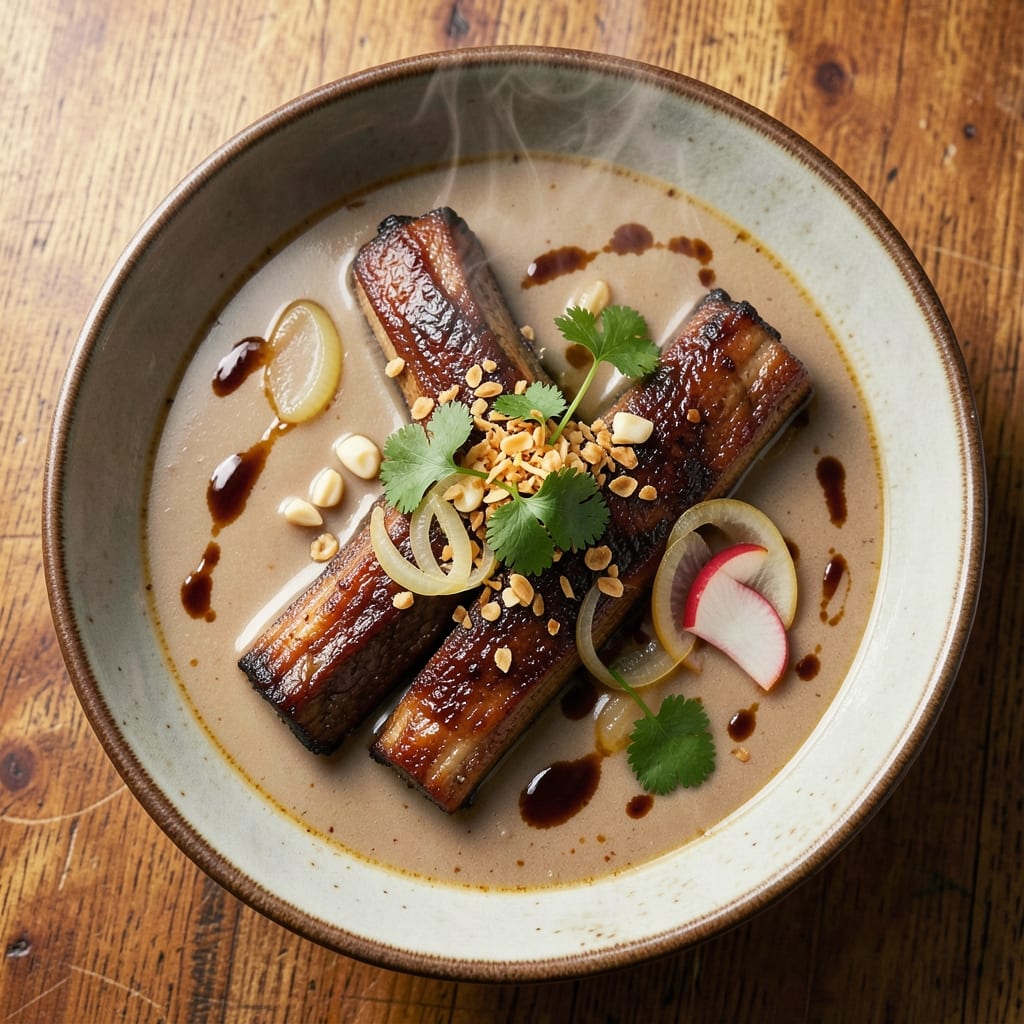
This beef ribs soup recipe Panlasang Pinoy delivers the ultimate comfort in a single pot—rich, smoky, and packed with bone-in tenderness. The secret lies in slow simmering ribs until they fall off the bone while building depth with soy sauce, fish sauce (patis), and a touch of sugar for that perfect Filipino balance. I've perfected this version to capture the soul of home-style panlasang Pinoy cooking, where umami meets tangy brightness in every spoonful.
The magic happens in the broth, where ribs release their collagen into a velvety, flavorful liquid enhanced by garlic, ginger, and a splash of calamansi for that signature Filipino zing. Unlike many recipes that call for pre-cooked ribs, this method starts with raw beef ribs—simmered long enough to become fork-tender while maintaining that smoky aroma. The result? A soup so hearty it becomes the centerpiece of any meal, with every ingredient playing its part in harmony.
What makes this recipe truly special is its versatility—serve it as a standalone dish for a cozy family dinner or pair it with steamed rice for the full Filipino experience. The final touch? Garnishing with fresh green onions and a sprinkle of chili flakes to add color and a little heat. Each bowl is a celebration of Filipino home cooking, where simplicity meets bold flavors in one comforting pot.
Ready in about 3 hours (mostly hands-off simmering time), this beef ribs soup is the perfect project for weekend cooking—where the house fills with aromatic steam and the kitchen becomes the heart of your home. Let's get started on creating this timeless Filipino classic.
Ingredients for beef ribs soup recipe panlasang pinoy
These rich, aromatic ingredients transform raw beef ribs into a soul-warming Filipino classic.
| Ingredient | Amount | Notes |
|---|---|---|
| Beef Ribs 🥩 | 3 lb | Bone-in, meaty cuts preferred |
| Yellow Onions 🧅 | 2 whole | Chopped into 1-inch pieces |
| Garlic Cloves 🧄 | 8 cloves | Minced for aromatic base |
| Fresh Ginger 🌿 | ½ cup | Finely chopped, about 2 oz |
| Soy Sauce 🍶 | ½ cup | Filipino-style preferred |
| Fish Sauce (Patis) 🐟 | 2 tbsp | Authentic Filipino umami |
| Calamansi Juice 🍋 | ¼ cup | Or substitute lime juice |
| White Sugar 🍚 | 2 tbsp | Balances flavors perfectly |
| Tomatoes 🍅 | 2 whole | Medium, quartered |
| Potatoes 🥔 | 1 ½ lb | Russet, peeled and cubed |
| Carrots 🥕 | 1 lb | Whole, cut into chunks |
| Bay Leaves 🌿 | 2 whole | For deep aromatic flavor |
| Black Peppercorns 🌶️ | 1 tsp | Whole, lightly crushed |
| Salt 🧂 | 1 ½ tsp | Adjust to taste |
| Green Onions 🧅 | ¼ cup | Sliced, for garnish |
| Chili Flakes 🔥 | 1 tsp | Optional, for heat |
The ribs are the star—look for meaty, bone-in cuts with good marbling at your local butcher or Filipino markets. Fresh ginger and garlic should smell vibrant, not musty. For soy sauce, Filipino brands like Silver Swan or Datu Puti elevate the dish, but any good-quality soy sauce works. Calamansi is ideal, but lime juice plus a pinch of sugar gets you close. I always double-check my fish sauce—Red Boat or Tiparos are my go-tos for that authentic umami punch. Potatoes and carrots should be firm, with no soft spots—organic from the farmers market keeps them tasting fresh longer.
No calamansi? Lime or lemon juice plus extra sugar works, but you'll lose that signature Filipino tang. Short on fish sauce? Anchovy paste at half the amount adds depth. The tomatoes can be canned (San Marzano preferred) if fresh aren't in season. For extra richness, add 1 tbsp of coconut milk at the end. The potatoes should be peeled and cubed evenly—about 1-inch pieces so they cook through without turning mushy. Want more smokiness? Add 1 tbsp smoked paprika when you brown the ribs. The bay leaves? Don't skip them—they're what gives that subtle, complex aroma to the broth.
This soup tastes even better the next day as flavors meld. Store in the fridge for up to 4 days, or freeze portions for 3 months. I always make extra—it reheats beautifully and makes for perfect lunches. The broth reduces as it sits, so add a splash of water when reheating if it gets too thick. For serving, I like to keep the green onions and chili flakes separate so everyone can adjust to their taste. The ribs will be fork-tender but still hold together—perfect for slurping or serving with rice.
Why You'll Love This Recipe
- One-Pot Magic: I swear by this—just toss the ribs, onions, garlic, and ginger in a pot, let the soy sauce work its magic, and boom. No extra bowls, no fuss, and honestly? The cleanup is half the time of my usual soup routine.
- Ginger-Soy Bomb: That fresh ginger and soy sauce combo? It’s the secret weapon. The ginger mellows out the richness of the beef while the soy adds this deep, savory punch—like a hug in a bowl. My husband still asks, "What’s in it?" every time.
- Leftover Goldmine: This soup tastes better the next day. I make a big batch on Sundays, and by Wednesday, it’s the star of my lunch. Freeze what you don’t use—just reheat and serve. Zero waste, all flavor.
- Budget-Friendly Feast: Beef ribs might sound fancy, but they’re cheaper than you think, especially when you stretch them into a whole pot of soup. Add some rice, and suddenly you’ve fed the whole family for less than takeout. Win.
Step-by-step instructions for beef ribs soup panlasang Pinoy
This rich, smoky Filipino masterpiece comes together in one pot with bone-in beef ribs.
Sear the Beef Ribs for Deep Flavor
Heat a large Dutch oven over medium-high heat until hot. Add the 3 lb beef ribs in a single layer, bone-side down. Let them sear undisturbed for 5-6 minutes until they develop a rich, golden-brown crust. This step builds incredible flavor through the Maillard reaction.
Flip the ribs and sear the other side for another 5-6 minutes. You'll notice the fat starting to render out—this is what creates that irresistible aroma. Once both sides are deeply browned, remove the ribs and set them aside on a plate. Keep the Dutch oven on the stove; you'll use it for the entire soup.
Build the Aromatic Base
In the same Dutch oven, add 2 tablespoons olive oil (not listed but essential for cooking) over medium heat. Add the 2 whole yellow onions chopped into 1-inch pieces and cook for 5 minutes until softened and translucent. Stir occasionally to prevent burning.
Add the 8 cloves minced garlic and 0.5 cup finely chopped fresh ginger, cooking for 1-2 minutes until fragrant. Here's where the magic happens—the garlic should smell sweet and the ginger should be aromatic but not browned. If it starts to darken too quickly, reduce the heat slightly. Add the 2 whole bay leaves and 1 teaspoon lightly crushed black peppercorns next.
Develop the Rich Broth
Pour in the 0.5 cup soy sauce and 2 tablespoons fish sauce (patis), stirring to combine. Add the 2 whole quartered tomatoes, 2 tablespoons white sugar, and 0.25 cup calamansi juice. Let the mixture simmer for 5 minutes until the tomatoes break down and the flavors meld together.
Return the seared beef ribs to the pot, adding enough water to cover everything by about 2 inches. This should be roughly 8 cups of water. Bring to a boil, then reduce heat to low and let it simmer uncovered for 1 hour. You'll see the broth begin to turn a beautiful amber color as the meat releases its collagen and flavors.
Add Vegetables and Simmer
After the initial hour, add the 1.5 lb peeled and cubed potatoes and 1 lb carrots cut into chunks. Stir gently to submerge them in the broth. The potatoes should be fully submerged—they'll absorb liquid as they cook. Return to a simmer and cook for another 45-60 minutes until the potatoes are tender and the carrots are easily pierced with a fork.
Taste the broth and adjust seasoning with additional salt if needed. The soup should be rich and savory with a perfect balance of sweetness from the tomatoes and sugar, tang from the calamansi, and umami from the soy and fish sauces. If it needs more depth, add a splash more fish sauce.
Finish and Serve
Once the vegetables are perfectly tender, remove the beef ribs and let them rest for 5 minutes before carefully removing the meat from the bones. Discard the bones and bay leaves. Return the meat to the soup and stir gently to combine.
For serving, ladle the soup into bowls and garnish each serving with 0.25 cup sliced green onions and 1 teaspoon chili flakes. The soup should be thick with meaty chunks, tender vegetables, and a rich, flavorful broth that coats every spoonful. Serve immediately while hot, with steamed rice on the side to soak up every delicious bite.
Pro Tips For Making Beef Ribs Soup Recipe Panlasang Pinoy
- Brown the Ribs First: I learned this the hard way—skipping the sear means flavorless broth. Sear the beef ribs over high heat until deeply browned (about 3-4 minutes per side) before adding liquids. That crust packs layers of umami that just simmering won’t deliver.
- Mince Ginger Like You Mean It: Fresh ginger is non-negotiable here, but don’t just chop it—grate or finely mince it until it’s almost paste-like. Too many big chunks mean you’ll taste raw ginger in your soup, and nobody wants that. (Yes, even if you’re impatient like me.)
- Simmer Low and Slow: This isn’t a race. After the initial boil, reduce heat to a bare simmer—just enough to keep tiny bubbles breaking the surface. High heat turns beef ribs tough and makes the broth cloudy. Trust the process; it’s worth the wait.
- Balance the Soy Sauce: Too much soy sauce makes the soup taste like salted water. Start with 2 tablespoons per liter of broth, then taste as it cooks. If it’s too strong, dilute with a splash of water. Better to add more later than regret it now.
Storing and reheating your beef ribs soup recipe panlasang pinoy
Refrigerator Storage
Let your beef ribs soup cool to room temperature (about 1 hour) before transferring to airtight containers. I use glass Pyrex containers with tight-sealing lids—they preserve flavor better than plastic. Store in the fridge at 40°F or below for up to 4 days. The broth will thicken slightly as it cools, so add 2-3 tablespoons water when reheating if needed. 🥣
Freezer Preparation
For long-term storage, portion the soup into quart-sized freezer bags or airtight containers, leaving 1-inch headspace for expansion. Freeze for up to 3 months. I recommend freezing only the broth with meat and vegetables (without garnishes) to maintain texture. Label containers with the date—trust me, you'll forget! 📅
Reheating Methods
For stovetop reheating, transfer soup to a pot and heat over medium-low heat for 10-15 minutes, stirring occasionally. Add ¼ cup water if the soup seems too thick. For microwave reheating, cover with a damp paper towel and heat in 1-minute intervals on 70% power until reaching 165°F. Stir well between intervals. 🔥
Reviving Texture
If the ribs or vegetables appear dry after reheating, add a splash of beef broth or water and simmer for 5 more minutes. The broth will reabsorb moisture, restoring that comforting, velvety texture. For extra richness, stir in 1 teaspoon soy sauce or fish sauce during reheating. 💫
Serving Leftovers
This soup tastes even better the next day as flavors deepen. I like to serve leftovers with steamed jasmine rice and a side of garlic fried rice for a full Filipino meal. Garnish with fresh green onions and chili flakes just before serving to keep the presentation vibrant. 🍚
Broth Boosting
If the broth seems thin after reheating, simmer uncovered for 5-10 minutes to reduce it slightly. For extra umami, stir in 1 teaspoon soy sauce or a pinch of MSG (optional). The key is balancing flavors—taste as you go! The ribs should remain tender but hold their shape. 💡
Nutrition facts
Frequently asked questions
Can I use pre-cooked ribs for this Filipino beef ribs soup?
While you can use pre-cooked ribs, the flavor won't be as rich. The recipe relies on the ribs simmering long enough to infuse the broth with deep, smoky flavors and tenderize the meat. If using pre-cooked ribs, reduce the simmering time to 30-45 minutes after adding vegetables to avoid overcooking. For best results, stick with raw ribs and sear them first!
What can I substitute if I don't have calamansi?
No problem! Mix 0.25 cup lime juice with 1 teaspoon sugar for a similar tangy-sweet balance. If you're using lemon juice, reduce the sugar to ½ teaspoon since it's slightly sweeter. The key is balancing that bright Filipino acidity—don't skip the sugar entirely!
Why does my broth taste too salty?
This usually happens when using both soy sauce and fish sauce. Taste the broth before serving—if it's too salty, dilute with ½ cup warm water or add a splash of beef broth to balance. For future batches, reduce fish sauce to 1 tablespoon and taste as you go. The potatoes will also absorb some saltiness as they cook.
Can I make this soup in an Instant Pot?
Sear the ribs first in a skillet, then transfer to the Instant Pot with all ingredients except vegetables. Cook on high pressure for 45 minutes, then add potatoes and carrots and pressure cook for another 10 minutes. Release pressure naturally and adjust seasoning. The broth will be slightly thinner—reduce it on the stovetop if needed.
How do I make this soup spicier?
Add 1-2 tablespoons chopped siling labuyo (Filipino chili) when building the aromatic base. For extra heat, stir in ½ teaspoon ground black pepper or 1 teaspoon cayenne pepper at the end. Garnish with extra chili flakes when serving. Start with less—Filipino chilies pack serious heat!