
Soups & Stews
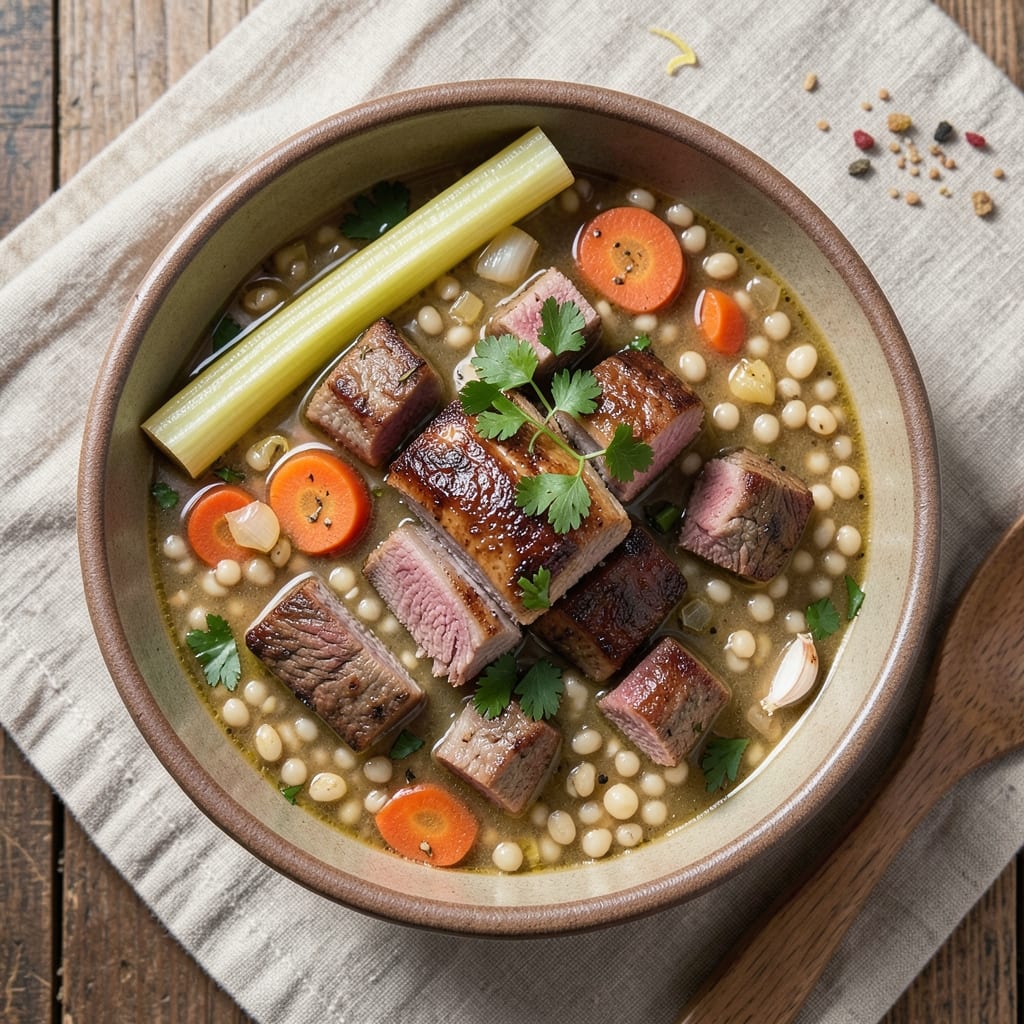
This beef pot barley soup recipe delivers the kind of deep, umami-rich comfort that transforms a chilly evening into a cozy family gathering. The secret lies in slow-simmered beef and chewy barley that absorbs the broth’s savory essence, creating a meal that feels both rustic and refined. I’ve perfected this version to balance traditional techniques with modern convenience—no shortcuts that sacrifice flavor, just smart preparation that yields restaurant-quality results at home.
The beauty of this soup is in its layers: tender beef that practically melts in your mouth, barley with just the right chew, and a broth so rich it coats every spoonful. What sets it apart is the two-stage simmering—first building flavor with aromatics and beef, then finishing with barley to ensure it absorbs all that depth without turning mushy. This method ensures every ingredient contributes to the final harmony, not just fills space in the pot.
By the time you serve it, you’ll have a bowl of soup that’s hearty enough to stand alone but elegant enough for company—golden broth, tender beef chunks, and barley that holds its shape. The aroma alone will have everyone gathering around the table, and the first spoonful proves why this dish has been a staple for generations. Ready in about 2.5 hours (mostly hands-off time), it’s the perfect balance of patience and reward.
Pair it with crusty bread to soak up every drop of that flavorful broth, or serve with a simple green salad for contrast. The leftovers reheat beautifully, making it ideal for meal prep or feeding a crowd. Here’s how to make it—step by step, just like my grandmother taught me, but with a few modern twists to keep it fresh.
Ingredients for beef pot barley soup
Pantry staples meet rustic comfort. Six ingredients build the base—beef, barley, and aromatics that simmer into soul-warming perfection.
| Ingredient | Amount | Notes |
|---|---|---|
| Chuck Roast 🥩 | 2 lb | Cut into 1-inch cubes |
| Pearl Barley 🌾 | 1 ½ cups | Uncooked, rinsed well |
| Yellow Onion 🧅 | 1 whole | Medium, chopped |
| Carrots 🥕 | 4 medium | Peeled, cut into chunks |
| Celery Stalks 🧄 | 4 whole | Trimmed, chopped |
| Garlic Cloves 🧄 | 6 cloves | Peeled, smashed |
| Tomato Paste 🍅 | ½ cup | Smooth, not chunky |
| Beef Broth 💧 | 6 cups | Low-sodium preferred |
| Red Wine 🍷 | 1 cup | Dry, like Cabernet |
| Fresh Thyme 🌿 | 2 sprigs | Or 1 tsp dried |
| Fresh Parsley 🌿 | ¼ cup | Chopped, for garnish |
| Bay Leaves 🍃 | 2 whole | Removed before serving |
| Olive Oil 🫒 | 2 tbsp | Extra-virgin preferred |
| Salt 🧂 | 1 ½ tsp | Kosher or sea salt |
| Black Pepper 🌶️ | 1 tsp | Freshly ground |
The chuck roast is non-negotiable here—it's what gives this soup its signature melt-in-your-mouth beef. Costco or Whole Foods usually have it pre-cut into cubes, which saves you time. If you're buying a whole roast, ask the butcher to cube it for you—1-inch chunks are ideal. Look for good marbling; that's what delivers the flavor. Pearl barley is key too—it holds its shape better than other varieties, so you get that satisfying chew. Bob's Red Mill makes a great brand if you're buying bulk.
No red wine? Substitute with extra beef broth plus a splash of balsamic vinegar—it mimics that deep acidity. Fresh thyme is ideal, but dried works at one-third the amount. The tomato paste can be a squeeze tube from Trader Joe's if you're short on time—just measure it out. For the broth, low-sodium is crucial so you can control the seasoning. If you're using a bouillon cube, use half the amount called for in the package. The carrots and celery can be swapped for any veggies you have—potatoes or turnips add heartiness, while leeks or fennel bring different flavors.
This soup tastes even better the next day as the flavors meld. Store in an airtight container in the fridge for up to 5 days, or freeze portions for 3 months. I like to portion it into containers with a layer of broth on top—prevents a solid barley crust. For meal prep, make a double batch. The barley keeps its texture beautifully when reheated, and the broth stays rich. If you're serving a crowd, double the recipe—it's worth the effort.
Why You'll Love This Recipe
- One-Pot Magic: I swear by this recipe—just toss everything in one pot, walk away, and come back to a meal that smells like home. The chuck roast practically melts into tender shreds while the barley softens, and honestly? That’s all the effort I’m willing to put in after a long day.
- Rich, Deep Flavor: The slow-cooked chuck roast develops this incredible depth—think savory, slightly sweet, with the barley soaking up all the juices. Add a splash of soy sauce or a bay leaf, and you’ve got layers of taste that feel fancy, even if you’re wearing pajamas while cooking.
- Leftovers That Beg for More: This soup only gets better the next day. The barley thickens just enough to make it heartier, and the beef stays juicy. I’ve reheated portions for lunch all week, and my kids still ask for it—no complaints about "mystery meat" here.
- Budget-Friendly Feast: Chuck roast is affordable, and a single pot feeds four for under $15. Between us, this is how I stretch my grocery budget without sacrificing flavor. Plus, the veggies (onion, carrots, celery) are classic for a reason—they’re cheap and add that perfect balance of sweetness and crunch.
Step-by-step instructions for beef pot barley soup
Let's create a rich, comforting soup where tender beef and chewy barley blend into a deeply flavorful broth.
Sear the Chuck Roast for Maximum Flavor
Heat a large Dutch oven over medium-high heat and add the 2 tablespoons olive oil. Once shimmering, add the 2 lb chuck roast cut into 1-inch cubes, working in batches if needed. Sear each side for 2-3 minutes until deeply browned—this creates the Maillard reaction that builds rich, caramelized flavor.
Don't rush this step. You'll know it's ready when the beef releases easily from the pan and develops a beautiful crust. Remove the seared beef and set it aside. Here's the thing—skipping the sear means missing out on that deep, meaty flavor that makes the broth sing. Trust me, it's worth the extra time.
Build the Aromatic Vegetable Base
In the same Dutch oven, add the chopped yellow onion, chopped carrots, chopped celery stalks, and smashed garlic cloves. Cook over medium heat for 5-6 minutes, stirring occasionally, until the vegetables soften and the garlic becomes fragrant. This step develops the soup's foundational flavors.
After about 3 minutes, you'll notice the vegetables release their moisture and begin to soften. This is when the natural sugars in the vegetables start caramelizing—don't walk away. If the vegetables stick, add a splash of water and scrape up those delicious browned bits from the bottom of the pan. Those bits are pure flavor.
Add Liquids and Simmer the Beef
Return the seared beef to the Dutch oven. Stir in the 0.5 cup tomato paste, 6 cups beef broth, 1 cup red wine, and the 2 sprigs fresh thyme. Bring the mixture to a gentle boil, then reduce heat to low and cover partially. Simmer for 1.5 hours, stirring occasionally, until the beef is fork-tender and falling apart easily.
Here's where patience pays off. The beef should pull apart with just a gentle tug of your fork. If it's not quite there after 1.5 hours, add another ½ cup of beef broth and continue cooking. The liquid should reduce slightly, creating a thick, flavorful broth. The aroma will fill your kitchen—earthy, savory, and impossibly comforting.
Incorporate the Barley and Season
Add the 1.5 cups rinsed pearl barley and the 2 whole bay leaves to the pot. Stir gently to combine, then continue simmering for another 30-40 minutes, uncovered, until the barley is tender but still chewy. The barley should absorb the broth but remain distinct—this is what gives the soup its satisfying texture.
About 10 minutes before the barley is done, season with the 1.5 teaspoons salt and 1 teaspoon black pepper. Taste the broth and adjust the seasoning if needed. The barley should be al dente, with a slight bite to it. If it's cooking too quickly, reduce the heat slightly to prevent it from becoming mushy.
Finish and Serve with Fresh Herbs
Remove the bay leaves and discard them. Stir in the ¼ cup chopped fresh parsley just before serving to brighten the soup with a fresh, herbal note. Ladle the soup into bowls, making sure each serving gets a generous portion of beef and barley. The broth should coat the back of a spoon, rich and deeply flavorful.
Serve immediately while the soup is hot, with crusty bread on the side to soak up every last drop of that umami-packed broth. The contrast of tender beef, chewy barley, and the silky broth makes this soup a true comfort food winner. Leftovers keep well in the refrigerator for up to 4 days, and the flavors only deepen over time.
Pro Tips For Making Beef Pot Barley Soup
- SEAR THE CHUCK FIRST: I learned this the hard way—skipping the sear means flavorless broth. Brown the chuck roast in batches over high heat until it’s deep golden, not just pink. The crust locks in juices and adds richness that simmering alone can’t match. (Yes, even if you’re impatient like me, don’t rush this.)
- SOAK THE BARLEY 30 MINUTES: Pearl barley swells when soaked, cutting cooking time by nearly half and preventing that gritty texture no one wants. Toss it in cold water for 30 minutes before adding to the pot—it’s worth the wait. (Your future self will thank you when you’re not straining to chew.)
- DON’T CROWD THE VEGETABLES: After burning three batches of onions, I finally figured out: chop them into even ½-inch slices, not tiny dice. Overcrowding steams instead of caramelizes, turning your soup’s base into sad, watery mush. Spread them out and let them cook undisturbed for 5 minutes first.
- STIR IN BARLEY LATE: Sounds weird, but it works: add the barley only in the last 30 minutes of cooking. Early addition turns it mushy, and you end up with a gluey mess instead of chewy, satisfying bites. (I know, I know—you want it all done at once, but trust the process.)
Serving suggestions for beef pot barley soup
Crusty Bread Pairing
Nothing complements this soup like a warm, crusty loaf of bread to soak up every last drop of that rich, umami-packed broth. I love using a sourdough baguette from my local bakery—its tangy flavor and crisp crust are perfect for dipping. For a quicker option, toast a brioche roll until golden and buttery. The contrast of the chewy barley and tender beef against the bread’s texture makes each bite even more satisfying. 🥖
Bright Green Salad
A simple arugula salad with lemon vinaigrette cuts through the soup’s heartiness beautifully. Toss 4 cups baby arugula with 2 tablespoons olive oil, 1 tablespoon fresh lemon juice, and a pinch of flaky sea salt. Add ¼ cup shaved Parmesan for extra richness. The peppery bite of the arugula balances the soup’s deep flavors, while the acidity from the lemon keeps your palate fresh. 🥗
Cheesy Toppings
For an extra layer of comfort, top each bowl with grated Gruyère or sharp cheddar just before serving. The cheese melts slightly from the soup’s heat, creating a creamy, savory finish. I like using 1 cup freshly grated Gruyère—its nutty flavor pairs perfectly with the beef and barley. A sprinkle of crispy fried onions adds a delightful crunch contrast. 🧀
Wine Pairings
A bold Cabernet Sauvignon or Merlot enhances the soup’s deep, meaty flavors. The wine’s tannins complement the richness of the beef, while its acidity cuts through the soup’s heartiness. For a lighter option, a Pinot Noir offers a smoother, fruitier contrast. If you prefer white wine, a Chardonnay with a touch of oak adds a creamy balance. 🍷
Garnish Like a Pro
Fresh herbs elevate the soup’s presentation and flavor. Stir in ¼ cup chopped parsley just before serving for a bright, fresh finish. For extra flair, add a few thinly sliced radishes or pickled red onions—their crisp texture and tangy bite add a refreshing contrast. A drizzle of high-quality olive oil just before serving adds a touch of luxury. ✨
Leftovers Reinvented
Transform leftover soup into beef barley croquettes or soup-stuffed bread. Mix cooled soup with 1 egg and ½ cup breadcrumbs, then pan-fry until golden. For stuffed bread, hollow out a baguette, fill with reheated soup, and broil until crispy. These creative twists turn leftovers into a new meal—no waste, all flavor! 💡
Nutrition facts
Frequently asked questions
Why does this recipe use pearl barley instead of other types?
Pearl barley holds its shape beautifully while absorbing the rich broth, giving you that satisfying chew without turning mushy. Unlike steel-cut barley, it cooks faster (30-40 minutes) and creates a more velvety texture. For a quicker version, you could use quick-cooking barley (15 minutes), but pearl barley delivers the traditional hearty texture this soup needs.
Can I make this soup in a slow cooker?
Brown the beef first in a skillet, then transfer everything to your slow cooker. Cook on low for 7-8 hours or high for 4-5 hours. The slow cooker's gentle heat helps tenderize the beef perfectly while keeping the barley from overcooking. Just add the barley 30 minutes before serving to prevent mushiness.
What's the secret to making the broth extra flavorful?
The two-stage simmering is key: first searing the beef creates deep Maillard flavors, and the 1.5-hour low simmer lets those flavors meld. Don't skip the tomato paste—it adds umami depth. For even more richness, add a 1-inch piece of kombu seaweed while simmering (remove before serving) or use homemade beef broth instead of store-bought.
How do I fix mushy barley?
Mushy barley happens when it overcooks. To prevent this, always add barley 30-40 minutes before serving and keep the heat at a gentle simmer (low-medium). If it's already mushy, try this fix: drain most of the broth, then return the barley to the pot with ½ cup fresh beef broth and simmer for 5 more minutes—this helps restore some texture.
Can I make this soup ahead of time?
This soup tastes even better the next day! Store in an airtight container in the fridge for up to 5 days, or freeze portions for 3 months. The flavors deepen as the ingredients meld. When reheating, add 1-2 tablespoons of water or broth to prevent the barley from drying out. For best texture, reheat gently on the stove over low heat.