
Soups & Stews
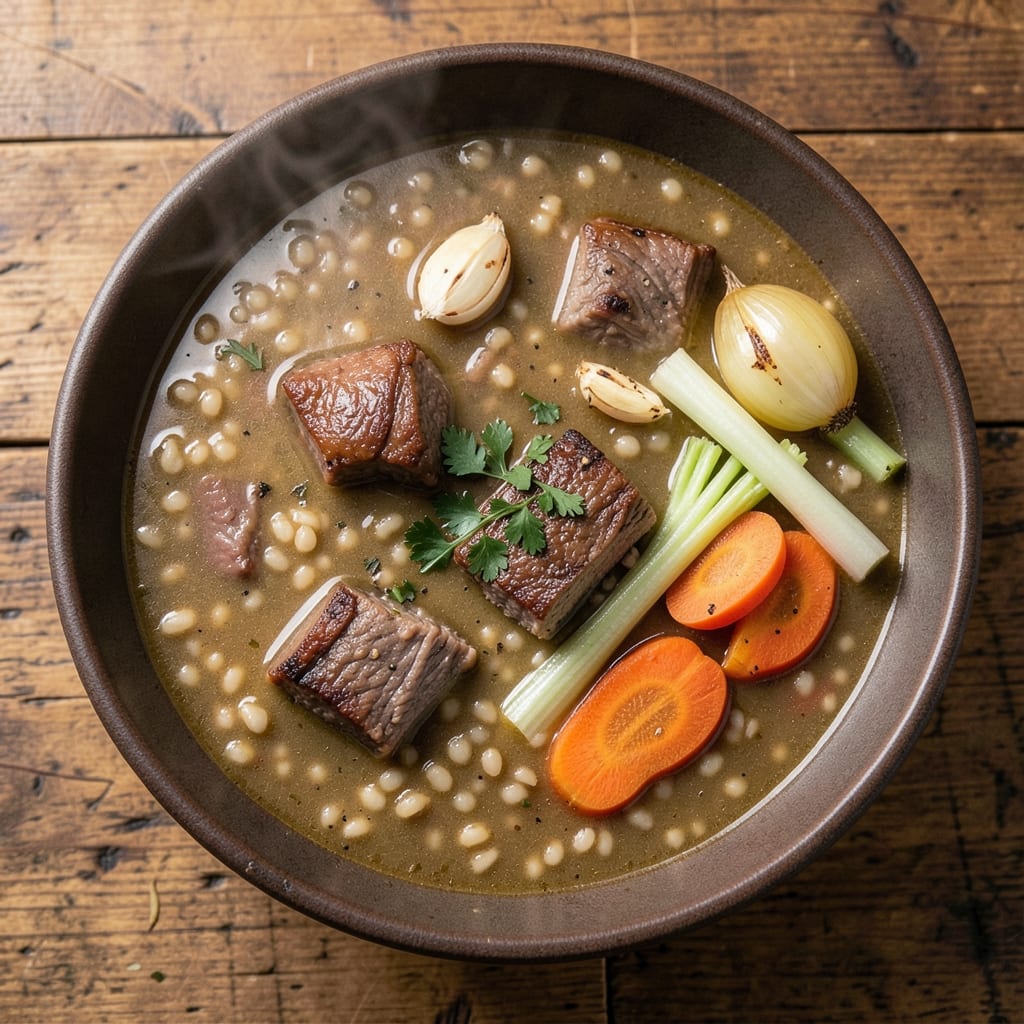
This beef pearl barley soup recipe delivers the ultimate hearty comfort in every spoonful, blending tender beef, nutty barley, and rich broth into a simmered masterpiece. 🔥 The secret lies in slow cooking—allowing flavors to meld deeply while transforming tough cuts into melt-in-your-mouth perfection. I’ve refined this recipe over years, balancing traditional techniques with modern shortcuts to ensure restaurant-quality results at home.
The beauty of this soup begins with a deep, savory base—browned beef and caramelized vegetables form the foundation, while pearl barley adds satisfying texture and earthy depth. Unlike quick meals, this dish rewards patience with layers of flavor that develop over time, making it ideal for chilly evenings or meal prep. The broth, infused with herbs and aromatics, becomes velvety as it simmers, creating a perfect vessel for every ingredient.
What you’ll achieve is a rich, satisfying soup with tender beef chunks, al dente barley, and a broth so flavorful it’ll have everyone asking for seconds. The barley softens just enough to be comforting yet retains its bite, while the beef stays juicy and full of flavor. This isn’t just soup—it’s a one-pot meal that feels like a hug in a bowl, perfect for feeding a crowd or savoring alone.
Serve with crusty bread to soak up every last drop of that aromatic broth, or pair it with a simple green salad for balance. The leftovers taste even better the next day, making this a foolproof recipe for busy weeks. Ready to create this comforting classic? Let’s get started.
Ingredients for beef pearl barley soup
Sixteen ingredients. One pot. Infinite comfort in every spoonful—this soup is pure hearty magic.
| Ingredient | Amount | Notes |
|---|---|---|
| Chuck Roast 🥩 | 1 ½ lb | Cut into 1-inch cubes |
| Pearl Barley 🌾 | 1 cup | Uncooked, rinsed |
| Yellow Onion 🧅 | 1 whole | Chopped into 1/2-inch pieces |
| Carrots 🥕 | 3 medium | Peeled, sliced into 1/4-inch rounds |
| Celery Stalks 🌿 | 3 whole | Chopped into 1/2-inch pieces |
| Garlic Cloves 🧄 | 4 cloves | Minced for depth |
| Tomatoes 🍅 | 2 medium | Diced, ripe but firm |
| Beef Broth 💧 | 6 cups | Low-sodium preferred |
| Red Wine 🍷 | 1 cup | Dry, like Cabernet |
| Tomato Paste 🍅 | 2 tbsp | For rich color |
| Fresh Thyme 🌿 | 2 sprigs | Or 1 tsp dried |
| Bay Leaves 🍃 | 2 whole | Removed before serving |
| Salt 🧂 | 1 ½ tsp | Kosher or sea salt |
| Black Pepper 🌶️ | ½ tsp | Freshly ground |
| Olive Oil 🫒 | 2 tbsp | For searing beef |
The beef is non-negotiable—chuck roast delivers that melt-in-your-mouth tenderness. Costco sells it pre-cut for convenience, but if you're buying whole, ask the butcher to cube it. Look for good marbling (white flecks in the meat) for extra flavor. Carrots and celery? Organic baby carrots save chopping time, but regular works too. The tomatoes should be ripe but firm—Heirloom varieties from the farmers market add sweetness. Fresh thyme is ideal, but dried at one-third the amount works in a pinch. I always grab extra thyme because it's worth the little splurge for that bright herbal note.
No red wine? Substitute beef broth with 1 tbsp balsamic vinegar—it mimics the depth. Pearl barley takes time, so don't skip rinsing it first (removes excess starch). Swapping regular barley for pearl? It cooks faster and holds its shape better. For the tomato paste, Trader Joe's squeeze tubes are perfect—they're shelf-stable and portion-controlled. If you're short on time, use 1 cup of crushed tomatoes instead of diced. The bay leaves? Remove them before serving—they add aroma but shouldn't be eaten. And trust me on the olive oil—use something fruity and peppery for searing.
This soup tastes even better the next day as flavors meld. Keeps for 5 days in the fridge, or freeze for 3 months. I double the recipe and freeze portions—perfect for lazy weeknights. Store broth separately if you prefer it less diluted. To reheat, warm gently on the stove with a splash of water if it's too thick. The barley will soften further, so aim for al dente when you first make it. Leftovers reheat beautifully—just stir in a little extra broth if needed.
Why You'll Love This Recipe
- One-Pot Magic: I swear by this recipe because it’s basically a set-it-and-forget-it. Chuck roast stays tender while the barley soaks up all the broth—no extra pots, no fuss. Just chop the veggies (onion, carrots, celery) roughly, toss them in, and let the slow cooker do the work. My lazy Sundays thank me.
- Deep Umami Bomb: That chuck roast? It’s the star. After hours of simmering, it falls apart into rich, savory shreds, while the pearl barley adds a satisfying chew. Honestly, the combo of caramelized onions and barley’s earthy bite makes every spoonful ridiculously good—like a hug in soup form.
- Meal Prep MVP: This soup tastes even better the next day—perfect for batch cooking. I make a big pot on Sunday, and it feeds my family for days: reheats like a dream, keeps well in the fridge, and freezes beautifully. (Yes, even on a Tuesday night.)
- Budget-Friendly Powerhouse: Chuck roast is cheap, barley lasts forever, and veggies stretch the flavor without breaking the bank. Between us, this is my go-to for stretching a grocery budget while still feeling like I’m serving something special. Leftovers? Free lunch for a week.
Step-by-step instructions for beef pearl barley soup
This hearty soup delivers deep, comforting flavors with minimal fuss—just follow these simple steps.
🔥 Step 1: Sear the Chuck Roast for Rich Depth
Heat a large Dutch oven over medium-high heat and add the 2 tbsp olive oil. Once shimmering, add the 1.5 lb chuck roast cut into 1-inch cubes and sear until deeply browned on all sides—about 5-6 minutes total. This step builds incredible flavor through the Maillard reaction.
Work in batches if needed to avoid crowding the pan. Once browned, remove the beef and set aside. You'll notice the oil will darken and smell amazing—that's the foundation of your soup's flavor. Don't skip this step; it makes all the difference in the final result.
👨🍳 Step 2: Sauté the Aromatic Vegetable Base
In the same Dutch oven, add the 1 whole yellow onion, 3 medium carrots, and 3 whole celery stalks—all chopped as specified. Cook for 5-6 minutes until the vegetables soften slightly and begin to release their natural juices. This creates the aromatic base for your soup.
Add the 4 cloves minced garlic and cook for another 30 seconds until fragrant. Here's where it gets good—stir in the 2 tbsp tomato paste and cook for 1 minute, allowing it to darken slightly. This paste adds depth and helps thicken the soup later.
🍳 Step 3: Build the Flavor Foundation
Pour in the 1 cup red wine and scrape up any browned bits from the bottom of the pot. Let it simmer for 2-3 minutes until the alcohol aroma dissipates. This deglazing step captures all those caramelized flavors you worked so hard to create.
Add the 6 cups beef broth, 2 sprigs fresh thyme, 2 whole bay leaves, 1.5 tsp salt, and 0.5 tsp black pepper. Bring to a gentle boil, then reduce heat to medium-low and return the seared beef to the pot. The liquid should just barely bubble—this slow simmer is crucial for tender meat.
⏰ Step 4: Simmer Until Tender Perfection
Cover the pot and let the soup simmer for 1 hour 30 minutes. The chuck roast will break down into tender, shreddable pieces, and the barley will begin to soften. Here's the thing—don't peek or stir too often. Every time you lift the lid, you lose heat and moisture.
After 1 hour 30 minutes, add the 1 cup pearl barley and 2 medium diced tomatoes. Return to a simmer and cook uncovered for another 45-60 minutes, until the barley is tender but still has a slight bite. The soup should be thick and hearty, with the barley holding its shape but soft enough to enjoy.
🥘 Step 5: Finish and Serve with Confidence
Remove the 2 bay leaves and adjust seasoning if needed. Taste and add more salt or pepper if desired—remember, the barley absorbs flavors, so season generously. The soup should be rich, comforting, and packed with meaty chunks and tender barley.
Ladle into bowls and serve immediately. Each spoonful delivers tender beef, chewy barley, and a symphony of vegetable flavors. This soup gets even better the next day as the flavors meld further, but it's so delicious fresh that you might not wait!
Pro Tips For Making Beef Pearl Barley Soup
- SEAR THE ROAST HARD: Chuck roast needs a deep, dark crust to stay tender—don’t skimp on the sear. After patting it dry, hit it with high heat for 4-5 minutes per side until it’s browned in spots, not just pink. I used to rush this and ended up with tough meat; now I let the pot get smoking hot first.
- SOAK THE BARLEY: Pearl barley swells faster and cooks more evenly when soaked for 30 minutes before adding to the pot. Skip this, and you’ll end up with uneven texture—some grains mushy, others still crunchy. (Yes, even if you’re impatient like me.)
- DON’T CROWD THE VEGETABLES: Chop onions, carrots, and celery into even ½-inch pieces and spread them out in the pot before adding liquid. Packing them tightly means they’ll steam instead of caramelize, and you’ll lose that sweet, deep flavor. I learned this the hard way—now I give them room to breathe.
- SIMMER LOW AND COVERED: After the initial 30 minutes of boiling, reduce to a gentle simmer and keep the lid on. Too much heat = barley breaking down into mush, and the beef will dry out. I used to walk away and forget, then come back to a sad, watery mess. Now I set a timer and check it every 20 minutes.
Make-ahead tips for leftovers
Freezer Prep Essentials
Start by letting your fully cooked soup cool completely to room temperature—about 2 hours—before freezing. I use quart-sized freezer bags because they’re stackable and prevent freezer burn better than rigid containers. Leave 1-inch headspace for expansion, and squeeze out excess air for maximum freshness. Label each bag with the date—this soup keeps its quality for up to 3 months. 🧊
Thawing for Best Texture
For the best results, transfer your frozen soup to the refrigerator the night before you plan to eat it. This gradual thaw preserves texture and prevents the barley from becoming mushy. If you’re in a hurry, place the sealed bag in a bowl of cold water for 1-2 hours, changing the water every 30 minutes. Never thaw at room temperature—it promotes bacterial growth.
Reheating Like a Pro
Gently reheat your soup on the stovetop over medium-low heat, stirring occasionally. Add ¼ cup water or broth if the soup seems too thick after thawing. For microwave reheating, use 50% power in 2-minute intervals, stirring between each, until heated through to 165°F. The barley will soften further, so aim for slightly firmer texture when reheating.
Batch Prep Strategy
Double the recipe and freeze half immediately—this is my go-to for busy weeks. Store the other half in the fridge for 4-5 days (it only gets better!). When reheating batches, I keep one portion in the fridge for 2-3 days and freeze the rest. This way, you always have a comforting meal ready without last-minute stress. 💡
Barley Texture Tips
Pearl barley tends to soften further when reheated, so cook it to al dente when making it fresh. If you’re freezing, add 1 extra minute to the reheating time to compensate. For extra insurance, store the barley and broth separately in the freezer—just combine when reheating. This keeps the barley perfectly chewy even after freezing.
Nutrition facts
Frequently asked questions
Can I substitute chuck roast with another beef cut?
For a quicker option, use stew beef or brisket—both break down beautifully. If you prefer leaner meat, try top round, but it may stay slightly firmer. For extra richness, swap in ground beef (browned first) or beef short ribs (add 30 minutes to simmering time).
How do I know when the pearl barley is perfectly cooked?
Pearl barley should be tender but still hold its shape with a slight bite—like al dente pasta. Test by tasting a grain: if it's soft in the center but not mushy, it's done. Overcooked barley turns to mush and absorbs too much broth. For visual confirmation, look for grains that are translucent but still intact.
Can I make this soup in a slow cooker or Instant Pot?
Both work wonderfully! For a slow cooker, brown the beef and veggies first, then transfer everything to the pot and cook on low for 7-8 hours or high for 4-5 hours. For an Instant Pot, use the high pressure setting for 30 minutes after adding all ingredients, then natural release. The pressure cooker cuts time by half while keeping flavors deep.
Why does my soup taste bland after simmering?
Blandness usually means insufficient seasoning or flavor development. First, ensure you're using low-sodium broth and adding salt gradually (taste as you go). Second, don't skip the wine—it adds acidity that balances richness. Finally, simmer uncovered for the last 15 minutes to let flavors concentrate. If it's still flat, stir in 1 tsp soy sauce or a splash of red wine vinegar.
What are the best sides to serve with this soup?
This hearty soup pairs perfectly with crusty bread (like sourdough or baguettes) to soak up the broth. For balance, try a simple green salad with lemon vinaigrette or roasted Brussels sprouts. If you want more carbs, serve with garlic mashed potatoes or buttery egg noodles. The key is contrast—something light to cut through the richness.