
Soups & Stews
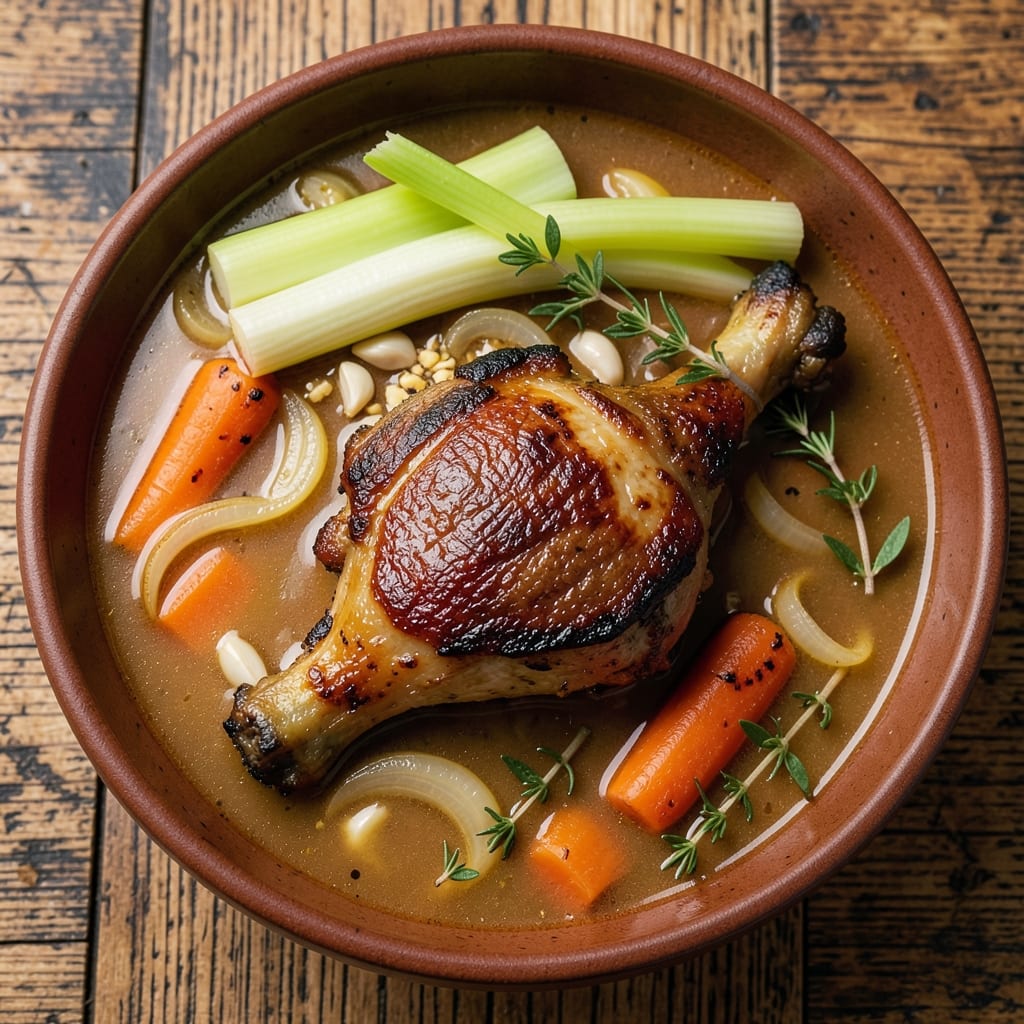
This beef leg soup recipe delivers restaurant-quality depth with melt-in-your-mouth beef that falls from the bone after hours of slow simmering. The secret lies in low-and-slow cooking—transforming tough cuts into tender, flavorful chunks that transform a simple meal into a showstopper. I’ve perfected this technique over years of testing, balancing rich broth with aromatic vegetables and herbs for a soup that’s both comforting and deeply satisfying.
The process begins with a deep, flavorful base built from onions, carrots, and celery—classic mirepoix—that forms the foundation of the broth. Adding beef leg (or chuck roast) early allows it to tenderize slowly, absorbing the surrounding flavors while releasing its own collagen for a naturally thickened, velvety stock. The result is a soup that’s hearty enough for a cold evening but light enough to enjoy year-round.
By the final hour, the beef will be so tender it practically disintegrates at the touch of a spoon, while the broth reduces to a concentrated, aromatic essence. Each spoonful delivers layers of savory depth, with the beef’s natural richness balanced by bright herbs and subtle sweetness from the vegetables. This isn’t just soup—it’s a meal that feels like a hug in a bowl.
Serve with crusty bread for soaking up every last drop or pair with a simple green salad to balance the richness. The leftovers only improve with time, making this a perfect make-ahead dish for busy weeks. Let’s get cooking—your taste buds will thank you.
Ingredients for beef leg soup
Six aromatic ingredients transform tough beef into melt-in-your-mouth perfection.
| Ingredient | Amount | Notes |
|---|---|---|
| Beef Leg (or Chuck Roast) 🥩 | 3 lb | Bone-in for maximum flavor |
| Yellow Onions 🧅 | 2 whole | Chopped into 1-inch pieces |
| Carrots 🥕 | 4 whole | Peeled, cut into 2-inch chunks |
| Celery Stalks 🧅 | 4 whole | Trimmed, cut into 1-inch pieces |
| Garlic Cloves 🧄 | 6 cloves | Smashed with side of knife |
| Fresh Thyme Sprigs 🌿 | 4 whole | Stems removed for broth |
| Fresh Bay Leaves 🌿 | 2 whole | Classic aromatic touch |
| Tomato Paste 🍅 | ½ cup | For deep umami richness |
| Dry Red Wine 🍷 | 1 cup | Bold Cabernet or Merlot |
| Beef Broth 💧 | 8 cups | Homemade preferred |
| Olive Oil 🫒 | ¼ cup | Extra-virgin for richness |
| Salt 🧂 | 2 tsp | Diamond Crystal preferred |
| Black Peppercorns 🌶️ | 1 tsp | Freshly cracked |
| All-Purpose Flour 🌾 | 2 tbsp | For thickening if needed |
| Fresh Parsley 🌿 | ¼ cup | Chopped for garnish |
The beef is the star—bone-in beef leg (or chuck roast) delivers unmatched flavor and collagen for that velvety broth. Look for cuts with good marbling at Whole Foods or your butcher's counter, where they can cut it into 1.5-inch chunks for even cooking. If you're using a whole leg, ask for it to be pre-cut into 2-3 lb sections before you start. The onions, carrots, and celery—classic mirepoix—should be fresh, firm, and vibrant (no rubbery carrots!). For the wine, bold reds like Cabernet or Merlot work best—they stand up to the beef's richness without overpowering it. I always grab a bottle from Trader Joe's when I'm prepping this, since their selection is reliable and affordable.
No beef leg? Chuck roast or short ribs work just as well—they're more widely available and still packed with flavor. Running low on thyme? Dried thyme at one-third the amount gets you close, but fresh is ideal for that bright herbal note. The tomato paste can be swapped for 1 cup crushed tomatoes if you prefer, though the paste gives a deeper, more concentrated flavor. For the broth, homemade is best (I make a big batch and freeze it), but store-bought organic beef broth works in a pinch. The flour is just for thickening if the soup gets too thin—trust me, it won't need it if you're using bone-in beef. And if you're short on parsley, fresh basil adds a lovely contrast.
This soup tastes even better the next day—plan ahead and make a double batch. Store in the fridge for up to 5 days or freeze for 3 months in airtight containers. The beef will keep its tenderness, and the flavors meld beautifully over time. For serving, I love crusty sourdough or baguette—toss the bread in the pan drippings before serving for extra richness. The broth reduces as it sits, so you might need to add a splash of water or broth when reheating. And if you're feeling fancy, a sprinkle of grated Parmesan on top takes it to the next level.
Why You'll Love This Recipe
- One-Pot Magic: I swear by this—no extra bowls, no fuss. Just dump everything in one pot, let the beef leg and onions caramelize, and walk away while it simmers. The celery and carrots soften perfectly without babying them.
- Deep, Rich Payoff: That beef leg? It’s the star—tender enough to pull apart but still holds its shape, soaking up all the garlic and onion flavors until the broth is ridiculously good. Honestly, the first time I tasted it, I nearly spilled my coffee.
- Meal Prep MVP: Make a double batch on Sunday, and you’ve got lunch covered for the week. The flavors actually get better the next day—my kids fight over the leftovers, and I secretly love it.
- Budget Beef Power: A chuck roast stretches farther than you’d think, and the veggies are cheap staples. Between us, this is how I feed my family hearty meals without breaking the bank—no sad, overpriced cuts here.
Step-by-step instructions for slow-simmered beef leg soup
Here's how to transform tough beef leg into melt-in-your-mouth richness through careful technique and patience.
Sear the Beef Leg for Deep Flavor
Pat the 3 lb beef leg dry with paper towels—this ensures a proper sear. Heat 0.25 cup olive oil in a large Dutch oven over medium-high heat until shimmering. Place the beef leg fat-side down and sear for 8-10 minutes until deeply browned on all sides. You're not cooking through yet—just building that flavorful crust.
Here's the thing: that dark crust contains all the Maillard reaction magic that will infuse your broth. Flip the beef occasionally and resist the urge to move it too frequently—let it develop that caramelized exterior. Once browned on all sides, remove the beef and set it aside on a plate.
Build the Aromatic Base
In the same Dutch oven, add 2 chopped yellow onions, 4 chopped carrots, and 4 chopped celery stalks. Cook over medium heat for 8-10 minutes, stirring occasionally, until the vegetables soften and begin to caramelize. This step develops the soup's foundational flavors—don't rush it.
Add the 6 smashed garlic cloves, 4 thyme sprigs, and 2 bay leaves, stirring for 30 seconds until fragrant. The garlic should smell pungent but not burn. Stir in the 0.5 cup tomato paste and cook for another 2 minutes, allowing it to darken slightly. This paste will deepen the soup's umami profile.
Deglaze and Simmer the Broth
Pour in the 1 cup dry red wine and scrape up all those browned bits from the bottom of the pot—this is where the flavor lives. Let it simmer for 3-4 minutes until reduced by half. Add the 8 cups beef broth and bring to a gentle boil, then reduce heat to low and return the beef leg to the pot.
The key here is patience. Cover the pot and let it simmer uncovered for 3 hours, maintaining a gentle bubble. You want the beef to become fork-tender while the broth develops depth. Check occasionally and add water if needed to maintain liquid level—about 1 cup should suffice.
Finish and Adjust the Soup
After 3 hours, the beef should be fork-tender with meat falling off the bone. Remove the beef leg and let it cool slightly before shredding or slicing. Strain the broth through a fine-mesh sieve into a clean pot, pressing on the vegetables to extract maximum flavor. Return the broth to the pot and bring to a gentle simmer.
Season with 2 tsp salt and 1 tsp black peppercorns, adjusting to taste. For a slightly thicker consistency, whisk in 2 tbsp all-purpose flour dissolved in 2 tbsp cold water, simmering for 2-3 minutes until slightly thickened. Return the shredded beef to the pot and heat through for 2 minutes. Garnish with 0.25 cup chopped fresh parsley before serving.
Rest and Serve with Confidence
Let the soup rest for 10 minutes before serving—this allows flavors to meld and the broth to thicken slightly. The beef should be so tender it practically melts in your mouth, while the broth carries rich, complex flavors from the wine, tomato paste, and long simmer.
Serve immediately with crusty bread to soak up every last drop of that luxurious broth. The contrast between the tender beef and robust vegetables makes each spoonful a revelation. This isn't just soup—it's a comforting, hearty masterpiece that transforms simple ingredients into something extraordinary.
Pro Tips For Making Beef Leg Soup
- Brown the Beef First: Ditch the "quick sear" mindset—this isn’t stir-fry. Sear the beef leg in batches over medium-high heat until it’s deep brown, almost black in spots. That crust locks in flavor and keeps the meat from turning mushy later. (Yes, even if you’re impatient like me.)
- Cut Celery Like a Pro: Skip the random chopping and dice the celery into ¼-inch pieces—small enough to disappear but big enough to stay intact. Too big? It’ll turn to mush. Too small? You’ll be picking out strings. Aim for "easy to eat, hard to notice" consistency.
- Don’t Rush the Soup Base: After browning the beef and veggies, deglaze with broth and wait. Let the mixture bubble gently for 10 minutes before adding the beef back in. This builds layers of flavor instead of just simmering everything at once. (Your future self will notice the difference.)
- Use a Meat Thermometer: Beef leg soup isn’t done at "some point"—it’s done at 203°F internal temp. Pull it when it hits that mark, then let it rest 15 minutes before shredding. Overcook it, and you’ll end up with chewy, sad shreds instead of tender, pull-apart perfection.
Wine and beer pairings for this dish
Bold Red Wine Pairings
This rich, slow-cooked beef leg soup pairs beautifully with bold red wines that stand up to its deep flavors. I always reach for a Cabernet Sauvignon from Napa Valley—its dark fruit notes and firm tannins complement the beef's richness without overpowering the broth. A Malbec from Argentina offers similar depth with a touch of plum and spice, creating a perfect harmony with the wine's acidity cutting through the soup's fat. 🍷
Earthy Pinot Noir
For a lighter but equally delicious option, try a Pinot Noir from Oregon or Burgundy. Its bright acidity and red fruit flavors balance the soup's heartiness while enhancing the thyme and bay leaf aromatics. The wine's earthy undertones mirror the soup's caramelized vegetables beautifully. I've found that a Willamette Valley Pinot at around $30 delivers exceptional quality without breaking the bank.
Crisp Lager Pairings
If you prefer beer, a German Pilsner like Warsteiner or Spaten provides a refreshing contrast to the soup's richness. The beer's crisp, clean finish cleanses your palate between spoonfuls, while its subtle malt sweetness complements the caramelized onions and carrots. For a more robust option, try a Belgian Dubbel like Westmalle Dubbel—its caramel and raisin notes enhance the soup's depth.
Seasonal White Wine
Don't overlook white wine options! A Chardonnay from California with noticeable oak character pairs surprisingly well, especially if the wine has hints of vanilla and butter that mirror the soup's richness. For something lighter, a Viognier from Rhône Valley offers floral notes that complement the thyme and parsley garnish. I've had great success with Yalumba Viognier at around $25.
Coffee or Dessert Wine
If you're serving this soup as a first course before a hearty meal, consider finishing with a small glass of dessert wine to bridge flavors. A Port like Taylor's Late Bottled Vintage offers nutty, chocolatey notes that complement the beef's depth. For something lighter, a Moscato d'Asti provides a sweet, fizzy contrast that cleanses the palate beautifully. 🍷✨
Nutrition facts
Frequently asked questions
Can I substitute beef leg with another cut of beef?
While beef leg is ideal, chuck roast or short ribs work beautifully. These cuts have excellent marbling and collagen, which break down during slow cooking to create a rich, velvety broth. Just ask your butcher to cut the meat into 1.5-inch chunks for even cooking.
How do I know when the beef is tender enough?
The beef is ready when it's fork-tender—meaning it should easily shred with a fork and fall apart when touched. After 3 hours of simmering, test a small piece: if it separates cleanly, your soup is perfect. If not, return it to the pot for another 30-45 minutes.
Can I make this soup in a slow cooker or Instant Pot?
Yes! For a slow cooker, brown the beef first, then transfer everything (except flour) to the pot and cook on low for 8 hours or high for 5 hours. For an Instant Pot, sear the beef, then cook on high pressure for 60 minutes with natural release. Adjust liquid as needed—Instant Pot soups may need extra broth.
Why does my broth look cloudy or thin?
Cloudy broth often means the vegetables weren't strained properly or the soup needs more time. For thickness, simmer uncovered for 10-15 extra minutes to reduce, or whisk in a slurry of 1 tbsp flour + 1 tbsp cold water. Bone-in beef should naturally thicken the broth—if it's still thin, strain again and reduce further.
What’s the best way to reheat leftovers?
Reheat gently on low heat or in the microwave at 50% power to avoid breaking the beef apart. Add 1-2 tbsp broth or water to restore moisture. Never boil—this can make the broth watery. Leftovers taste even better the next day as flavors meld further!